

What Is a Customer Engagement Platform? Features & Uses

Platform Overview: A customer engagement platform unifies customer interactions and data across channels, improving context and coordination for teams.
Core Features: Key features include unified profiles, omnichannel inboxes, workflow automation, segmentation, analytics, and integrations with business systems.
User Fit: Customer engagement platforms suit support, success, onboarding, and service teams needing coordinated, multi-channel customer management.
Benefits and Risks: Benefits include productivity and retention gains, but risks involve data migration, integration complexity, and automation missteps.
Practical Results: Case studies show significant CSAT improvements and productivity gains after adopting what is a customer engagement platform.
A customer engagement platform connects every touchpoint your customers move through—from first contact to long-term retention—into one manageable system. Without one, conversations fall through the cracks, context gets lost between channels, and your team ends up reacting instead of leading.
I've watched that fragmentation quietly erode customer trust in ways that don't show up in your metrics until it's too late. This guide covers key features, real use cases, and what to look for when evaluating options—so you can make a confident, informed decision.
What Is a Customer Engagement Platform?
A customer engagement platform (CEP) is software that helps businesses manage, personalize, and automate customer interactions across multiple channels. It combines customer data, communication tools, and engagement analytics to coordinate experiences throughout the customer journey.

Marketing, support, and customer success teams use these platforms to deliver personalized messages through email, SMS, push notifications, chat, and other channels. By integrating with CRM and customer data platforms (CDPs), they can track customer behavior, automate follow-ups, strengthen customer loyalty, and improve retention.
Examples of Customer Engagement Platform
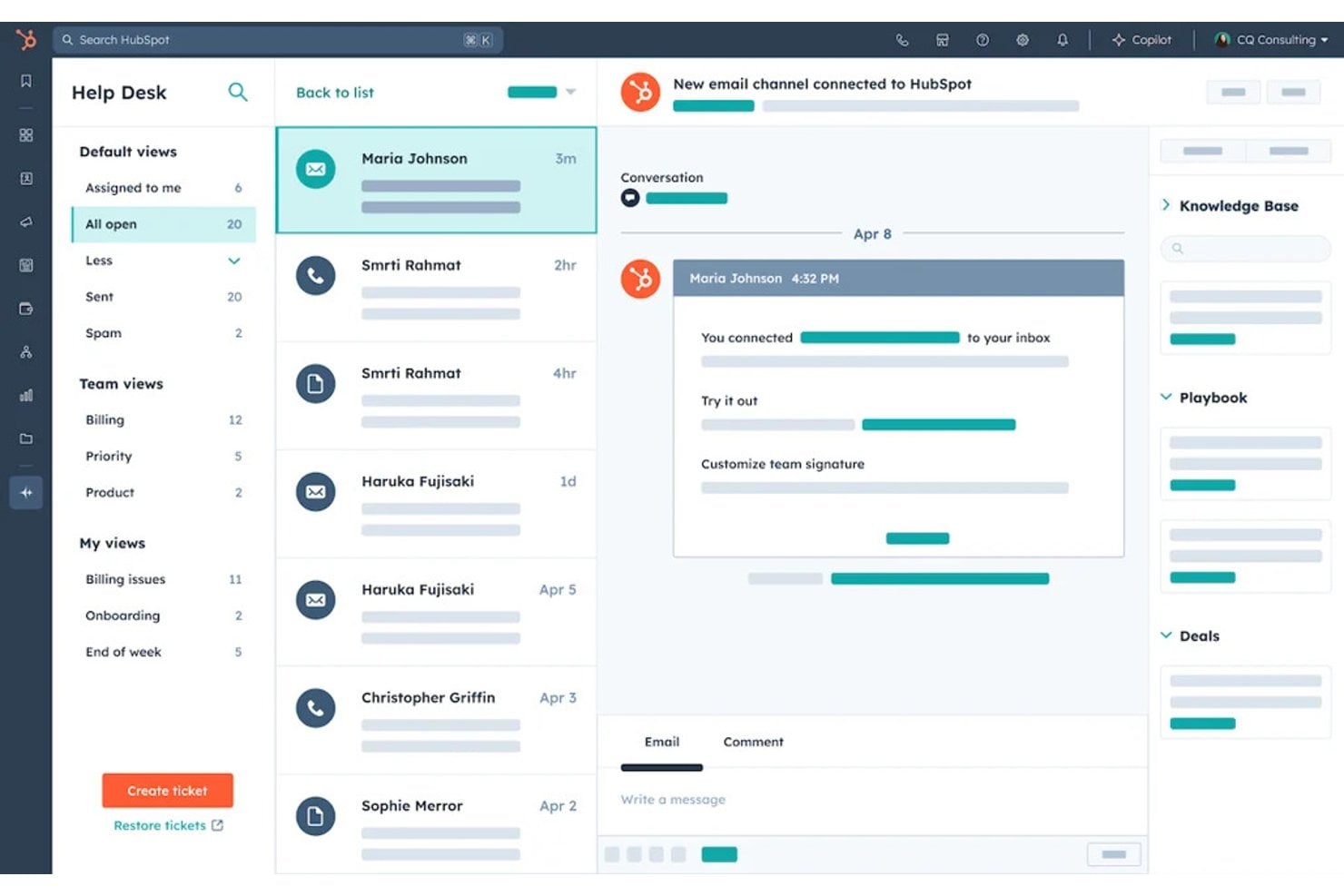
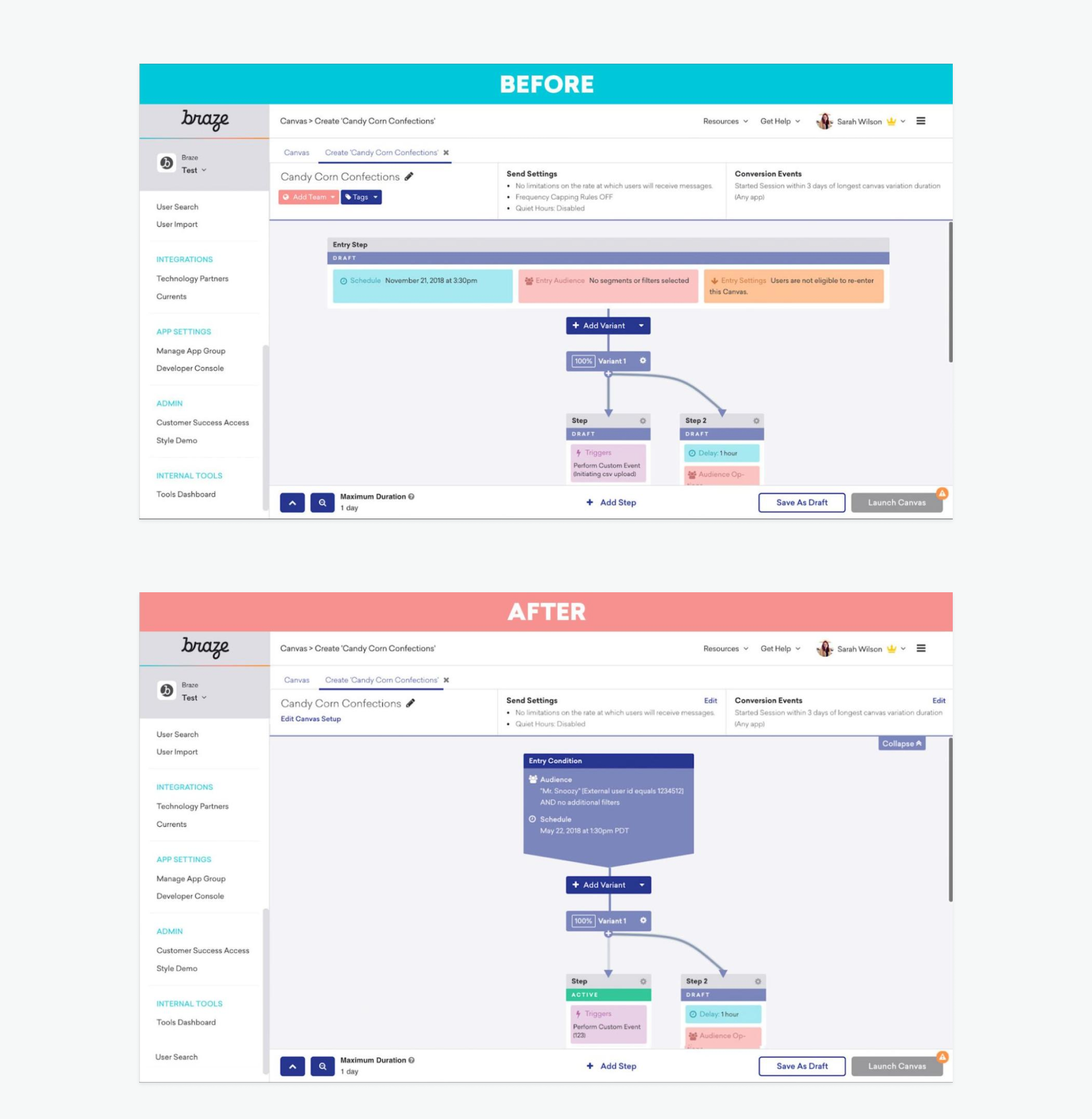
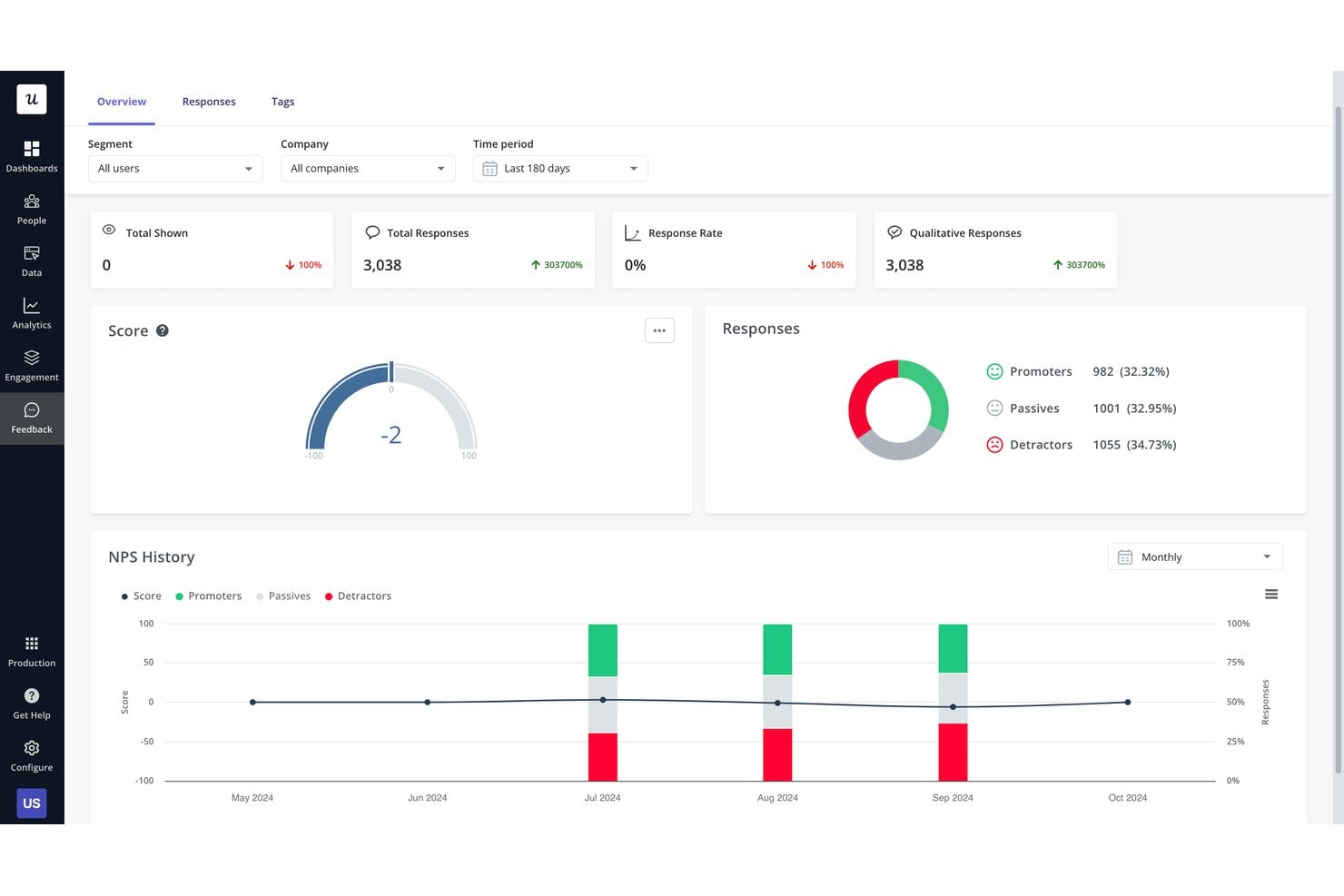
The following interface examples show how these platforms organize customer conversations, profiles, workflows, and engagement data:
Top Customer Engagement Platforms To Consider
Here's my shortlist of the best customer engagement platform solutions:
Clicks on the links below may earn a commission, which supports our independent testing and review of software and services. Learn more about how we stay transparent.


Who Uses Customer Engagement Platforms?
Customer engagement platforms fit teams that coordinate ongoing interactions, manage customer context, and measure experience across multiple touchpoints:
- Customer support teams: Centralize conversations across email, chat, social messaging, and voice while tracking each customer’s interaction history.
- Customer success teams: Monitor product usage, schedule proactive outreach, and create follow-up workflows for customers with changing needs or adoption risks.
- Onboarding teams: Coordinate welcome messages, setup tasks, education campaigns, and handoffs across the early customer journey.
- Service operations teams: Manage routing rules, escalation paths, workforce assignments, and service-level reporting across customer-facing departments.
- Subscription businesses: Connect billing, product activity, support history, and lifecycle messaging to manage recurring customer relationships.
- Multi-location service organizations: Give regional or branch teams shared customer records while preserving local ownership of appointments, requests, and follow-ups.
Key Customer Engagement Platform Benefits & Potential Business Impacts
A shared customer record, automated workflows, and engagement analytics can increase team productivity, reduce missed follow-ups, support retention, and improve revenue visibility.
These platforms often cost more than standalone communication tools and can introduce data privacy, integration, adoption, and vendor-dependency risks.
Use this table to compare customer engagement platform benefits with implementation risks:
| Benefits | Risks |
|---|---|
| Centralized customer records give teams shared interaction context. | Poor data migration can create duplicate, incomplete, or inaccurate customer records. |
| Omnichannel inboxes help teams coordinate email, chat, social, and voice conversations. | Weak channel integration can leave conversations split across systems. |
| Routing rules assign requests based on topic, priority, language, or team ownership. | Incorrect routing rules can delay responses or send customers to the wrong team. |
| Workflow automation supports follow-ups, escalations, onboarding, and service reminders. | Poorly designed automation can send irrelevant messages or miss important exceptions. |
| Segmentation tools support more relevant lifecycle and retention communications. | Incorrect customer segments can result in mistimed or inappropriate outreach. |
| Engagement analytics help managers identify response gaps, recurring issues, and journey friction. | Inconsistent tracking can produce misleading reports and unreliable performance comparisons. |
| CRM, help desk, billing, and product integrations connect customer context across teams. | Integration costs, access permissions, and vendor dependency can increase operational complexity. |
Customer Engagement Platform Case Studies
These case studies show how teams moved from disconnected customer conversations to coordinated engagement workflows. Each example compares the starting challenges with the operational changes and measurable outcomes that followed.
Case Study: Ringostat's Implementation of Intercom
Ringostat, a call tracking and analytics platform, replaced a fragmented mix of phone, Skype, and social media channels with Intercom's unified inbox, giving its support team complete customer context in one place.
Over eight years, the team extended its use beyond technical support to include targeted sales outreach, personalized onboarding sequences, and in-app product announcements.
Here are the results of Ringostat's implementation of customer engagement platform:
- CSAT score: Achieved a customer satisfaction rating of 4.8 out of 5 across support interactions.
- Trial-to-paid conversion: Leads generated through Intercom Messenger converted from free trials to paid subscriptions at a rate of 76%.
- First response time: Reduced first response time to 1 minute through automated routing and a consolidated inbox.
Case Study: Siemens Financial Services' Implementation of Zendesk
Siemens Financial Services, the financing division of Europe's largest manufacturing company, moved its 600-agent global operation off email inboxes and spreadsheets onto Zendesk's Enterprise Suite, creating a single omnichannel platform across phone, email, and WhatsApp.
The team then integrated AI automation through Ultimate to handle routine data requests and invoice queries without pulling agents into every interaction.
Here are the results of Siemens Financial Services' implementation of a customer engagement platform:
- Nordics team productivity: Increased by 23% over two years following full platform adoption.
- France team productivity: Nearly doubled during the first year of using Zendesk.
- CSAT score: The Nordics region reached an 86% customer satisfaction rating, above the 83% industry benchmark.
- Automation opportunity: Siemens identified approximately 30% of incoming requests as routine information queries. At the time of the case study, the team aimed to automate 15% of total responses using AI.
Core Features & Capabilities of Customer Engagement Platforms
Customer experience managers should expect these features when evaluating customer engagement platforms:
- Unified customer profiles: Combine contact details, interaction history, product activity, and account context so teams can personalize conversations with current information.
- Omnichannel communication: Coordinate customer interactions across email, SMS, push notifications, live chat, social media, and voice while maintaining consistent context through cross-channel messaging.
- Journey orchestration and automation: Trigger personalized messages, onboarding sequences, follow-ups, and retention campaigns based on customer behavior, lifecycle stages, or engagement signals.
- Audience segmentation: Group customers by demographics, behavior, preferences, or purchase history to deliver relevant experiences, strengthen customer loyalty, and increase customer lifetime value.
- Routing and escalation: Assign conversations by topic, priority, language, or ownership, then escalate unresolved issues according to defined rules.
- Engagement analytics: Track response times, resolution rates, satisfaction scores, adoption signals, and journey activity through configurable reports.
- Business integrations: Connect CRM, help desk, billing, email, and product systems to synchronize customer data and reduce duplicate recordkeeping.
Customer Engagement Platform Use Cases: Typical Processes & Workflows
Customer engagement platforms support workflows for onboarding, support routing, proactive outreach, renewals, escalations, and customer feedback collection. Shared profiles, automation, segmentation, and analytics help teams coordinate each interaction and track progress across the customer journey.
Use this table to compare key customer experience processes with the platform features that support them:
| Process | Description | How Software Helps |
|---|---|---|
| Customer onboarding | Guide new customers through setup, education, and early adoption milestones. Coordinate handoffs between sales, onboarding, support, and customer success. | Workflow automation can trigger welcome messages, setup tasks, reminders, and internal assignments from account status or customer activity. Shared profiles give each team access to onboarding history and current progress. |
| Support request routing | Direct customer questions to the right team based on topic, urgency, language, or account ownership. Track unresolved requests until they reach a suitable resolution. | Routing rules classify and assign conversations across email, chat, social messaging, and voice. Escalation rules notify managers when requests approach service-level limits or require specialist attention. |
| Proactive customer outreach | Identify customers who need guidance, follow-up, renewal support, or help with product adoption. Contact each group with information relevant to its situation. | Segmentation can combine lifecycle stage, product activity, support history, and risk indicators. Automated campaigns can send targeted messages when customers complete, miss, or delay specific actions. |
| Customer feedback management | Collect satisfaction feedback, review recurring complaints, and share customer insights with product and service teams. Turn feedback into tracked improvements rather than isolated comments. | Surveys, conversation tags, and engagement analytics connect feedback to customer records and interaction history. Reports can group responses by product, segment, channel, or issue type for follow-up and trend analysis. |
| Experience performance reporting | Monitor response times, resolution rates, satisfaction scores, engagement activity, and journey completion. Use the findings to adjust staffing, workflows, and customer programs. | Configurable dashboards combine data from conversations, workflows, CRM records, billing systems, and product activity. Managers can compare performance across teams and identify missed follow-ups or recurring journey friction. |
Types of Customer Engagement Platforms & Similar Tools
Customer engagement platforms overlap with several adjacent software categories, and it's easy to mix them up if you're new to the space:
| Software Type | Primary Focus |
|---|---|
| Customer engagement platform | Coordinates omnichannel engagement, personalized messaging, and customer journeys across marketing, sales, and service touchpoints. |
| Customer support platform | Prioritizes customer service interactions, ticket management, issue resolution, and support automation. |
| Customer success platform | Focuses on product adoption, account health, customer retention, renewals, and expansion opportunities. |
| Customer relationship management (CRM) software | Manages customer profiles, sales pipelines, and relationship history. Many CRM systems also offer engagement automation. |
| Marketing automation platform | Automates campaigns, lead nurturing, segmentation, and personalized outreach. Some also support cross-channel journey orchestration. |
| Customer data platform (CDP) | Unifies first-party customer data from multiple sources to support segmentation, analytics, and personalized experiences across connected tools. |
| Live chat platform | Primarily supports real-time website or in-app conversations, sometimes with chatbots, automation, and additional messaging channels. |
Ready To Explore What These Platforms Can Do for Your Team?
Understanding what a customer engagement platform is gives you a solid foundation. If you want to move further into the details, the benefits of customer engagement software break down exactly what these tools deliver across retention, personalization, response times, and team alignment.

