

Canny-Bewertung: Vorteile, Nachteile, Funktionen und Preise
Canny überzeugt mit einer benutzerfreundlichen Oberfläche, die das Sammeln und Priorisieren von Produktfeedback vereinfacht, und ist damit eine ausgezeichnete Wahl für Teams, die sich auf eine kundenorientierte Produktentwicklung konzentrieren.

Wir bewerten Tools unabhängig; Provisionen helfen, unsere Tests zu finanzieren. Siehe unsere Transparenzrichtlinie und unsere Methodik.
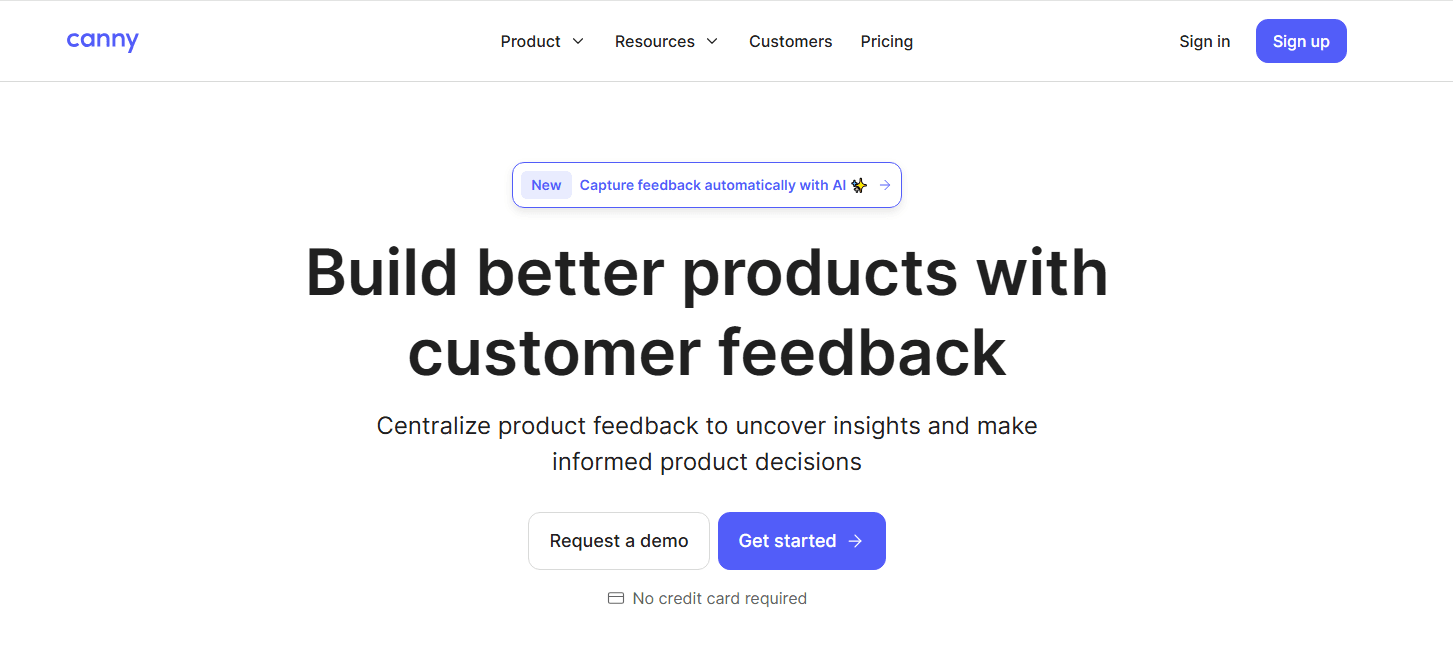
Canny is a customer feedback software for product and CX teams that need to collect, organize, and prioritize feature requests in one place. It's worth considering if your team wants a dedicated feedback portal with built-in voting, roadmap visibility, and a public changelog—without the steep learning curve that comes with something like Productboard, which leans further into full product management territory than most CX teams actually need.
Canny Evaluation Summary
4.6/5
- From $79/month (billed annually)
- Free plan available
Warum Sie unseren Software-Empfehlungen vertrauen können
6,700+
Reviews
20
Industry experts
16+
Evaluation factors
14
Years
Unser Team testet und bewertet Software seit 2012. Als CX-Führungskräfte selbst wissen wir, wie schwierig – und wichtig – es ist, die richtige Software auszuwählen.
Für diesen Leitfaden haben wir Tools mithilfe von praktischen Tests und unabhängiger Recherche bewertet und dabei unsere Bewertungskriterien angewendet.
Unsere Bewertungen spiegeln unser menschliches redaktionelles Urteilsvermögen wider, keine Verkaufsstrategie.
 Gui DrusinaCreative Director
 Tim FisherVP of AI
Canny Overview
In my opinion, Canny.io is a strong choice for teams seeking effective customer feedback software. It stands out with its straightforward interface and powerful feedback tracking features. Compared to others, Canny excels in capturing and organizing user feedback, making it easy for your team to prioritize improvements. However, its onboarding process could be smoother. If your team values seamless integration with other tools and prioritizes customer feedback in product development, Canny is worth considering. While its customer support is generally reliable, expanding support team channels could enhance user experience. Overall, Canny offers solid value, especially for teams committed to leveraging user insights for product growth.
Pros
- Canny provides a clean interface and an embeddable widget that helps you collect feedback and prioritize.
- It offers excellent tools for managing feature requests and user feedback.
- Your team can easily track and vote on suggestions to improve product development.
Cons
- It may not fully support complex workflows for larger organizations or advanced project management needs.
- You might find it less customizable compared to other feedback tools.
Is Canny Right For Your Needs?
Who Would be a Good Fit for Canny?
Canny is ideal for startups and small to medium-sized tech companies focused on product development. Your team can benefit from its straightforward feedback collection and prioritization tools, which streamline the process of acting on user suggestions. Canny's voting system helps prioritize features that users want, making it a great fit for teams looking to build products that align closely with user needs.
- Tech StartupsCanny simplifies gathering user feedback, essential for startups developing new features or products.
- Product TeamsYour team can track feature requests easily, ensuring alignment with user demands for product updates.
- SaaS CompaniesCanny supports feedback-driven development, crucial for SaaS offerings.
- Customer SuccessTeams It helps you manage and prioritize customer suggestions effectively while collaborating with your support team.
- Small to Medium BusinessesCanny’s user-friendly interface suits smaller teams that need efficient feedback management.
- Agile Development TeamsThe tool’s prioritization features align with agile methodologies for rapid iteration.
Who Would be a Bad Fit for Canny?
Canny might not suit large enterprises or organizations with complex feedback workflows. If your team needs detailed reporting and advanced customization, Canny's features might fall short. Larger teams that require intricate feedback management and integration with other complex systems may want to look at Canny alternatives like Trello.
- Large EnterprisesCanny's basic reporting features may not meet the needs of large-scale operations.
- Complex Feedback WorkflowsYour team might find Canny too simple for managing intricate feedback processes without additional automation or custom functionality.
- Industries Needing CustomizationCanny lacks deep customization options, which can be a drawback for specialized industries.
- Government OrganizationsThe tool may not align with the strict regulatory requirements typical in government settings.
- Financial InstitutionsCanny's straightforward approach might not comply with financial industry standards for data handling.
- Healthcare ProvidersYour team could find Canny insufficient for handling sensitive patient feedback securely.
Wie wir Tools testen & bewerten
Wir haben jahrelang unser System zur Softwarebewertung entwickelt, verfeinert und verbessert. Unser Bewertungsraster ist darauf ausgelegt, die Nuancen der Softwareauswahl und Merkmale eines effektiven Tools abzubilden, wobei der Fokus auf den entscheidenden Aspekten des Entscheidungsprozesses liegt. Nachfolgend sehen Sie, wie unser Test- und Bewertungssystem anhand von sieben Kriterien funktioniert. Es ermöglicht uns, eine unabhängige Bewertung der Software basierend auf Kernfunktionen, besonderen Merkmalen, Benutzerfreundlichkeit, Onboarding, Kundensupport, Integrationen, Kundenbewertungen und Preis-Leistungs-Verhältnis zu geben.
Kernfunktionen (25% der Gesamtnote)
Der Ausgangspunkt unserer Bewertung ist immer die grundlegende Funktionalität eines Tools. Verfügt es über die Basisfunktionen, die ein Benutzer erwarten würde? Sind einige dieser Kernfunktionen nur in teureren Preisplänen verfügbar? Im Kern erwarten wir, dass ein Tool mit den Grundfunktionen seiner Konkurrenten mithalten kann.
Besondere Merkmale (25% der Gesamtnote)
Anschließend bewerten wir außergewöhnliche Funktionen, die über die üblichen Kernfunktionen hinausgehen. Eine hohe Punktzahl spiegelt spezialisierte oder einzigartige Features wider, die das Produkt schneller, effizienter oder für den Endnutzer besonders wertvoll machen. Wir prüfen außerdem, wie einfach es ist, das Tool mit anderen typischerweise verwendeten Programmen zu integrieren, um die Funktionalität und den Nutzen zu erweitern. Tools mit vielen nativen Integrationen, Verbindungen zu Drittanbietern und API-Zugang für eigene Integrationen erhalten die besten Bewertungen.
Benutzerfreundlichkeit (10% der Gesamtnote)
Wir berücksichtigen, wie schnell und einfach sich Aufgaben ausführen lassen, die zur Kernfunktionalität gehören. Software mit hoher Punktzahl ist gut gestaltet, intuitiv zu bedienen, bietet mobile Apps, stellt Vorlagen bereit und erleichtert auch relativ komplexe Aufgaben erheblich.
Onboarding (10% der Gesamtnote)
Wir wissen, wie wichtig eine schnelle Team-Akzeptanz einer neuen Plattform ist. Deshalb bewerten wir, wie leicht sich ein Tool mit minimalem Training erlernen und benutzen lässt. Wir prüfen, wie schnell ein Teammitglied ohne Vorkenntnisse eingerichtet ist und das Tool nutzen kann. Lösungen mit hoher Bewertung erfordern wenig oder keine Unterstützung.
Kundensupport (10% der Gesamtnote)
Wir beurteilen, wie schnell und einfach man telefonisch, per Live-Chat oder Wissensdatenbank Unterstützung erhält. Tools und Anbieter mit echtem Echtzeit-Support bekommen die besten Bewertungen, während Chatbots am schlechtesten abschneiden.
Kundenbewertungen (10% der Gesamtnote)
Neben unseren eigenen Tests berücksichtigen wir den Net Promoter Score von aktuellen und ehemaligen Nutzern. Wir prüfen, ob sie sich wieder für das Tool entscheiden würden. Software mit hoher Bewertung weist auch einen hohen Net Promoter Score auf.
Preis-Leistungs-Verhältnis (10% der Gesamtnote)
Schließlich bewerten wir unter Berücksichtigung aller anderen Kriterien den durchschnittlichen Preis der Einstiegspläne in Bezug auf die Kernfunktionen und vergleichen den Nutzen der anderen Bewertungskriterien. Software, die mehr für weniger bietet, erhält eine höhere Bewertung.
Core Features
Feedback Collection: Canny lets you gather feedback directly from users in a streamlined way. Your team can easily access user opinions and requests.
Voting System: Users can vote on feedback, helping you prioritize features based on demand. This makes it easy to see what matters most to your audience.
Roadmap Visualization: Canny offers a visual roadmap that shows planned features and updates. This keeps your team and users aligned on upcoming changes.
Commenting: Users can comment on feedback to provide more context or suggestions. It fosters open communication and deeper insights into user needs.
Status Updates: You can update the status of feedback items, keeping everyone informed. This transparency helps build trust with your users.
Analytics: Basic analytics provide insights into which features get the most attention. Your team can use this data to make informed product decisions.

Ease of Use
Canny's user-friendly interface makes it easy for your team to collect and prioritize feedback without a steep learning curve. The straightforward design means you can quickly navigate through features like voting and roadmap visualization. Compared to many other tools, Canny's simplicity stands out, allowing you to focus on user feedback without getting bogged down in unnecessary complexity. This ease of use ensures your team can start benefiting from its features right away.

Integrations
Canny integrates with Jira, GitHub, ClickUp, Linear, Azure DevOps, Asana, Intercom, Zendesk, Salesforce, Slack, and many more. Canny also offers an API and connects with third-party integration tools allowing for extensive customization and integration with a wide range of other applications.

Canny Specs
- Analytics: Yes
- API: Yes
- Calendar Management: No
- Call Tracking: No
- Contact Management: Yes
- Dashboard: Yes
- Data Export: Yes
- Data Import: Yes
- Data Visualization: Yes
- Email Integration: Yes
- External Integrations: Yes
- Google Apps Integration: No
- Multi-User: Yes
- Net Promoter Score: Yes
- Notifications: Yes
- Review Monitoring: Yes
- Scheduling: No
- Softphone: No
- Third-Party Plugins/Add-Ons: Yes


