

10 mejores alternativas a Segment para datos de clientes en 2026

Lista breve de alternativas a Segment


Una alternativa sólida a Segment ofrece a tu equipo una integración de datos flexible, un seguimiento fiable de eventos y control sobre los perfiles de los clientes sin dependencia del proveedor. Si estás buscando alternativas a Segment, probablemente necesites una plataforma todo en uno que conecte múltiples fuentes de datos, admita la gestión de datos de clientes y ayude a realizar un seguimiento del comportamiento de los usuarios para mejorar su experiencia. Los equipos de ingeniería y los profesionales del marketing utilizan estas herramientas para impulsar la automatización del marketing y optimizar las campañas de marketing, mientras crecen al ritmo de tus objetivos de experiencia del cliente. Esta lista te ayudará a comparar las principales opciones, comprender sus ventajas específicas y elegir la plataforma de datos de clientes adecuada para tu empresa.
¿Qué es Segment?
Segment es una plataforma de datos de clientes (CDP) SaaS que recopila, unifica y dirige los datos de los clientes desde múltiples fuentes hacia herramientas de marketing, análisis y almacenamiento de datos. Actúa como una infraestructura de datos de clientes y una plataforma de análisis, ayudando a las empresas a crear una visión unificada del cliente en entornos web, móviles y de servidor. Segment es ampliamente utilizado por equipos para gestionar canalizaciones de datos, garantizar la calidad de los datos y facilitar la activación de datos para ofrecer experiencias personalizadas a los clientes en distintos canales.
Tabla comparativa de alternativas a Twilio Segment
Esta tabla comparativa resume los detalles de precios de mis principales alternativas seleccionadas a Twilio Segment:
| Tool | Best For | Trial Info | Price | ||
|---|---|---|---|---|---|
| 1 | Ideal para segmentación predictiva de audiencias | Prueba gratuita + demo gratis disponible | Precios a consultar | Website | |
| 2 | Ideal para la gobernanza de datos en tiempo real | Demo gratuita disponible | Precio bajo solicitud | Website | |
| 3 | Ideal para equipos de datos orientados a la ingeniería | Plan gratuito + demo gratuita disponible | Desde $220/mes | Website | |
| 4 | Mejor para integración de datos con enfoque móvil | Demostración gratuita disponible | Precios bajo solicitud | Website | |
| 5 | Ideal para la segmentación de audiencias a escala empresarial | Demo gratuita disponible | Precios disponibles bajo solicitud | Website | |
| 6 | La mejor para la resolución unificada de identidad de clientes | Demostración gratuita disponible | Precios a consultar | Website | |
| 7 | Ideal para la orquestación de campañas impulsadas por IA | Demostración gratuita disponible | Precio a consultar | Website | |
| 8 | Mejor para seguimiento de eventos personalizables | Demo gratuita disponible | Precio bajo solicitud | Website | |
| 9 | Mejor opción para recopilación de eventos de código abierto | Prueba gratuita + plan gratuito disponible | Desde $99/mes | Website | |
| 10 | Ideal para canalizaciones de datos autohospedadas | Plan gratuito disponible | Precios bajo solicitud | Website |
Por qué confiar en nuestras recomendaciones de software
Nuestro equipo lleva probando y evaluando software desde 2012. Como líderes de CX, sabemos lo difícil —y lo importante— que es elegir el software adecuado.
Para esta guía, evaluamos las herramientas mediante pruebas prácticas e investigación independiente, puntuando las herramientas según nuestros criterios de selección.
Nuestras reseñas reflejan nuestro criterio editorial humano, no un discurso de ventas.
Opiniones sobre alternativas a Segment
A continuación encontrarás mis resúmenes detallados de las alternativas a Segment que formaron parte de mi lista breve. Mis opiniones ofrecen un análisis detallado de las funciones, integraciones y casos de uso más adecuados de cada plataforma para ayudarte a encontrar la mejor opción para ti.

Ideal para segmentación predictiva de audiencias
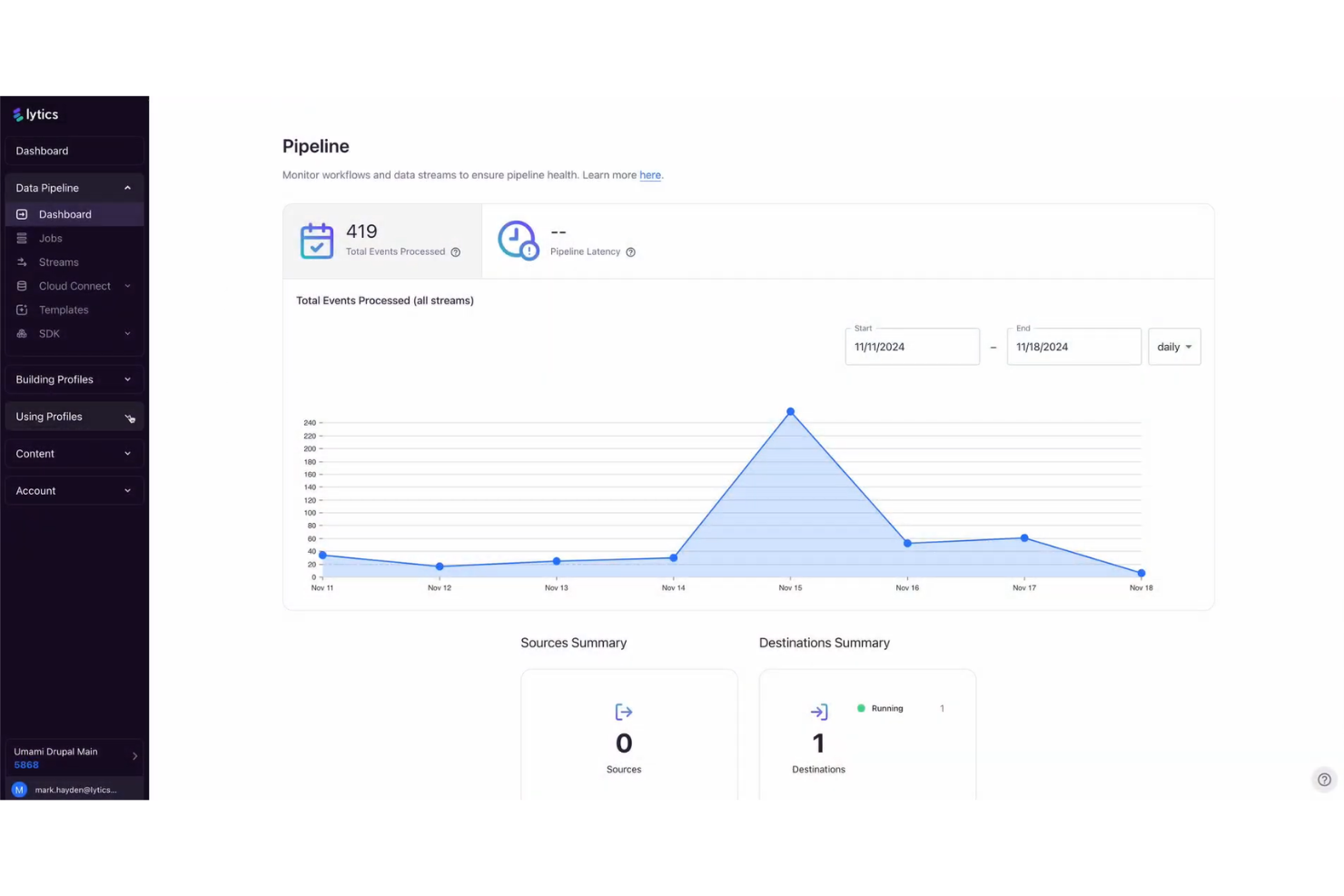
Para equipos centrados en una segmentación avanzada de audiencias, Contentstack pone el análisis predictivo en primer plano. Esta plataforma está diseñada para equipos de marketing y datos que desean utilizar datos de comportamiento y aprendizaje automático para anticipar las acciones de los clientes. Contentstack se destaca entre las alternativas a Segment por ofrecer puntuación predictiva de audiencias y segmentación dinámica que se adapta a medida que cambia el comportamiento del cliente.
Por Qué Contentstack Es una Buena Alternativa a Segment
Contentstack adopta un enfoque diferente al de otras alternativas a Segment al centrarse en la segmentación predictiva de audiencias. Elegí Contentstack porque utiliza modelos de aprendizaje automático para calificar audiencias según su probabilidad de conversión o interacción, lo que te permite priorizar el alcance de manera más estratégica. El motor de datos de comportamiento de la plataforma actualiza continuamente los segmentos a medida que cambian las acciones del cliente, por lo que tu segmentación se mantiene relevante en tiempo real. Para los equipos que buscan ir más allá de los segmentos estáticos, Contentstack ofrece capacidades predictivas que te ayudan a anticipar e intervenir en la intención del cliente.
Características Clave de Contentstack
Otras características de Contentstack que pueden interesar a los equipos de marketing y datos incluyen:
- Motor de Afinidad de Contenido: Analiza las interacciones del usuario para identificar preferencias individuales de contenido.
- Orquestación del Recorrido: Coordina mensajes personalizados a través de múltiples canales según el comportamiento del cliente.
- Enriquecimiento de Datos en Tiempo Real: Actualiza los perfiles de clientes instantáneamente a medida que se recopilan nuevos datos.
- Herramientas de Exportación de Audiencias: Envía segmentos de audiencia directamente a plataformas de marketing conectadas para su activación.
Integraciones de Contentstack
Las integraciones incluyen Zapier, Amazon S3, Shopify, BigCommerce, SAP Hybrids, Dynamic Yield, YouTube y más.
Pros and Cons
Pros:
- Puntuación predictiva para la priorización de audiencias
- Actualizaciones de perfil en tiempo real a partir de datos de comportamiento
- Modelado de afinidad de contenido para personalización
Cons:
- Menos conectores predefinidos que algunos competidores
- Los paneles de informes carecen de opciones de personalización profunda

Tealium
Ideal para la gobernanza de datos en tiempo real
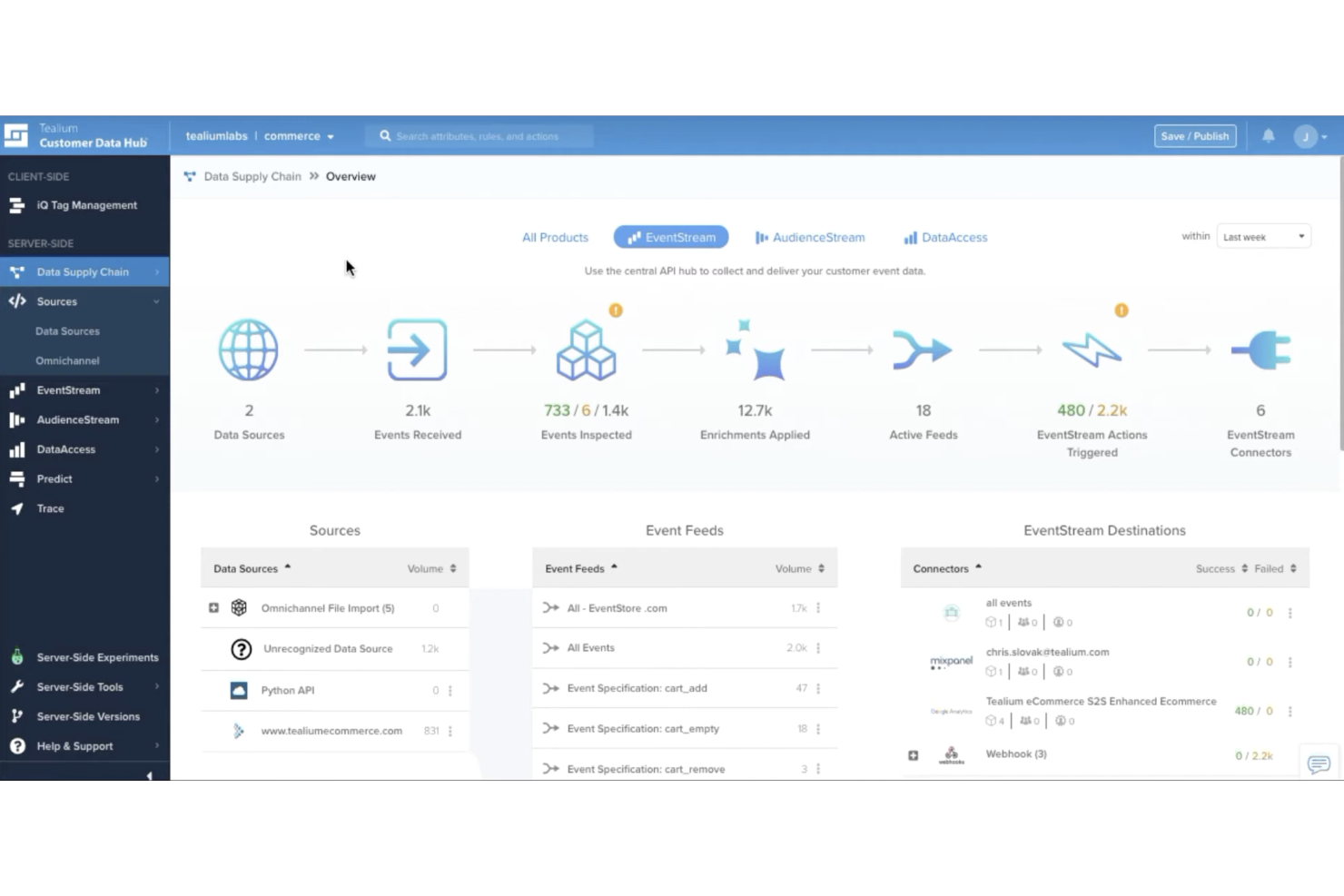
Tealium está diseñada para organizaciones que necesitan un control estricto sobre los datos de los clientes en tiempo real. Esta plataforma es especialmente útil para equipos enfocados en la privacidad en industrias reguladas o empresas que gestionan flujos de datos complejos. Con Tealium, puedes hacer cumplir las políticas de gobernanza de datos al instante mientras los datos se mueven a través de tu stack, lo que la distingue de muchas otras alternativas a Segment.
Por qué Tealium es una buena alternativa a Segment
Si necesitas gestionar los datos de los clientes con una gobernanza estricta en tiempo real, Tealium es una opción sólida. Elegí Tealium porque ofrece validación de datos en tiempo real y cumplimiento de políticas, lo que ayuda a los equipos a mantenerse en conformidad a medida que los datos fluyen por múltiples sistemas. Sus herramientas de gestión de consentimientos te permiten controlar la recopilación y el intercambio de datos según las preferencias del usuario y los requisitos regulatorios. Para organizaciones donde la privacidad de los datos y la gobernanza son prioridades, Tealium brinda capacidades que van más allá de lo que la mayoría de alternativas a Segment ofrecen.
Funciones clave de Tealium
Otras características de Tealium que pueden interesar a los equipos de datos y privacidad incluyen:
- Sistema de gestión de etiquetas: Te permite gestionar y desplegar etiquetas de marketing y analítica en todas tus propiedades digitales desde una sola interfaz.
- AudienceStream CDP: Permite construir y activar perfiles unificados de clientes para experiencias personalizadas.
- SDKs móviles: Proporciona bibliotecas para recopilar y gestionar datos de aplicaciones móviles en iOS y Android.
- Seguimiento de eventos del lado del servidor: Captura y procesa eventos de clientes directamente desde tus servidores, evitando las limitaciones del navegador.
Integraciones de Tealium
Las integraciones incluyen Databricks, Amazon, Braze, Snowflake, Adobe, Quantum Metric y más.
Pros and Cons
Pros:
- Gobernanza de datos en tiempo real a través de todos los canales
- Gestión de consentimientos integrada para el cumplimiento de privacidad
- La gestión de etiquetas permite desplegues empresariales complejos
Cons:
- Soporte limitado para destinos de datos open-source
- Algunas integraciones requieren pasos de configuración adicionales
Ideal para equipos de datos orientados a la ingeniería
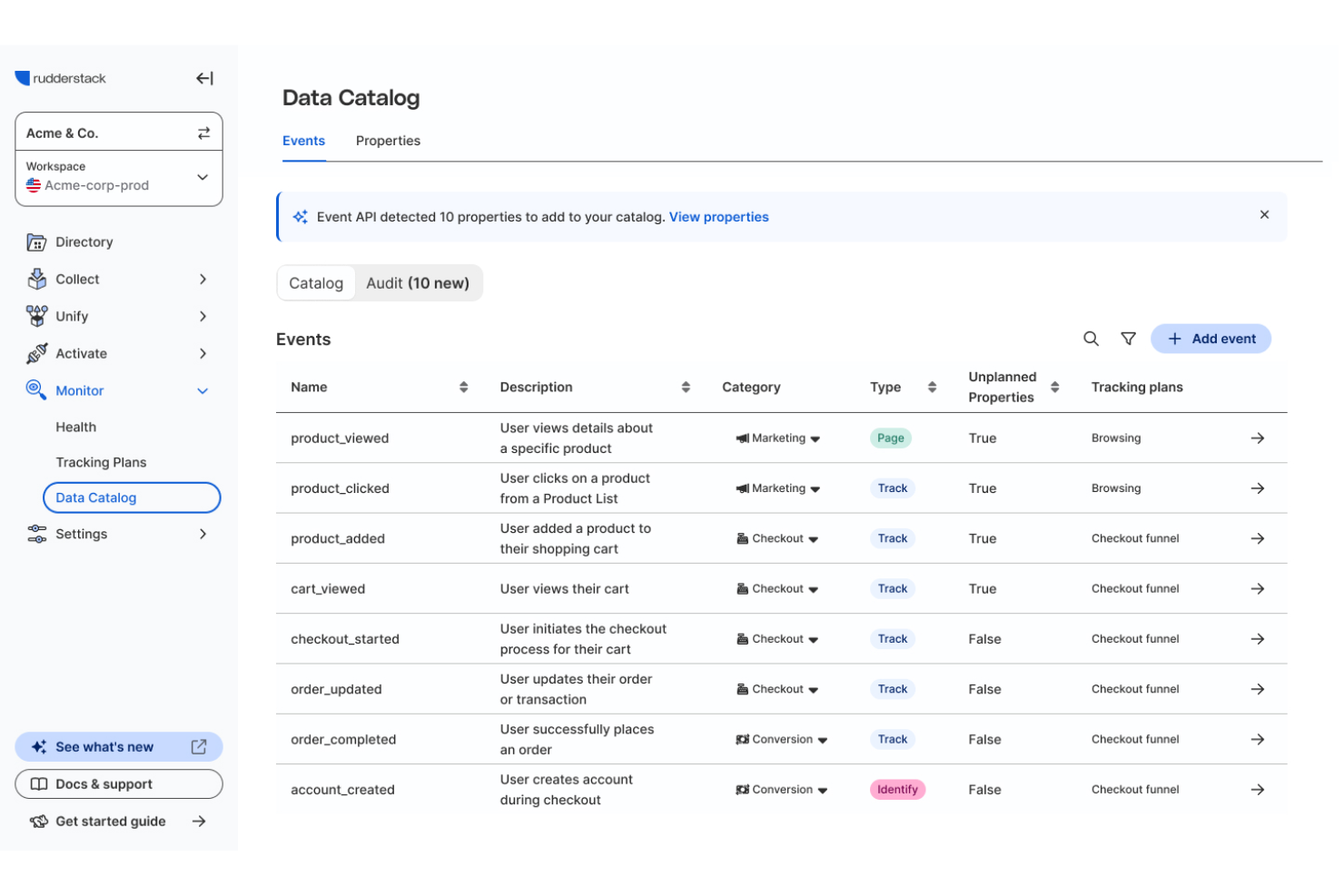
RudderStack está diseñado para equipos que desean tener control total sobre sus flujos de datos de clientes y prefieren un enfoque orientado a la ingeniería. Resulta atractivo para empresas con experiencia técnica interna que necesitan personalizar el enrutamiento de datos, el seguimiento de eventos y la transformación de datos. Si buscas flexibilidad de código abierto y potentes herramientas para desarrolladores, RudderStack destaca entre las alternativas a Segment al ofrecer soporte para una mejor toma de decisiones basada en datos.
Por Qué RudderStack es una Buena Alternativa a Segment
RudderStack destaca para los equipos que quieren construir y gestionar sus propios flujos de datos con precisión de ingeniería. Lo elegí como alternativa a Segment porque ofrece una arquitectura de código abierto y sólidas herramientas para desarrolladores, lo que permite personalizar el seguimiento de eventos y el enrutamiento de datos para adaptarse a tu infraestructura. Funciones como el procesamiento de datos orientado a almacenes y el soporte para transformaciones avanzadas ofrecen a los equipos técnicos más flexibilidad que la mayoría de las soluciones prediseñadas. Si tu empresa valora el control y la personalización directa, RudderStack es una excelente opción.
Características Clave de RudderStack
Algunas otras características de RudderStack que pueden interesar a los equipos técnicos incluyen:
- Reverse ETL: Sincroniza datos desde tu almacén de datos hasta las herramientas operativas para su activación en tiempo real.
- Repetición de Eventos: Permite reenviar datos de eventos históricos a destinos nuevos o existentes sin volver a instrumentar.
- Resolución de Identidad: Unifica perfiles de usuario entre dispositivos y sesiones usando reglas de identidad personalizables.
- Controles de Privacidad: Ofrece herramientas integradas para la gobernanza de datos, gestión de consentimiento y cumplimiento de regulaciones de privacidad.
Integraciones de RudderStack
Las integraciones incluyen Snowflake, Braze, Amplitude, Databricks, Salesforce, Mixpanel, Zendesk y más.
Pros and Cons
Pros:
- Arquitectura de código abierto para control total sobre los datos
- Documentación para desarrolladores y soporte de SDK de alto nivel
- Capacidades flexibles de transformación de eventos
Cons:
- Requiere recursos de ingeniería para la configuración
- Las funciones avanzadas pueden requerir programación personalizada

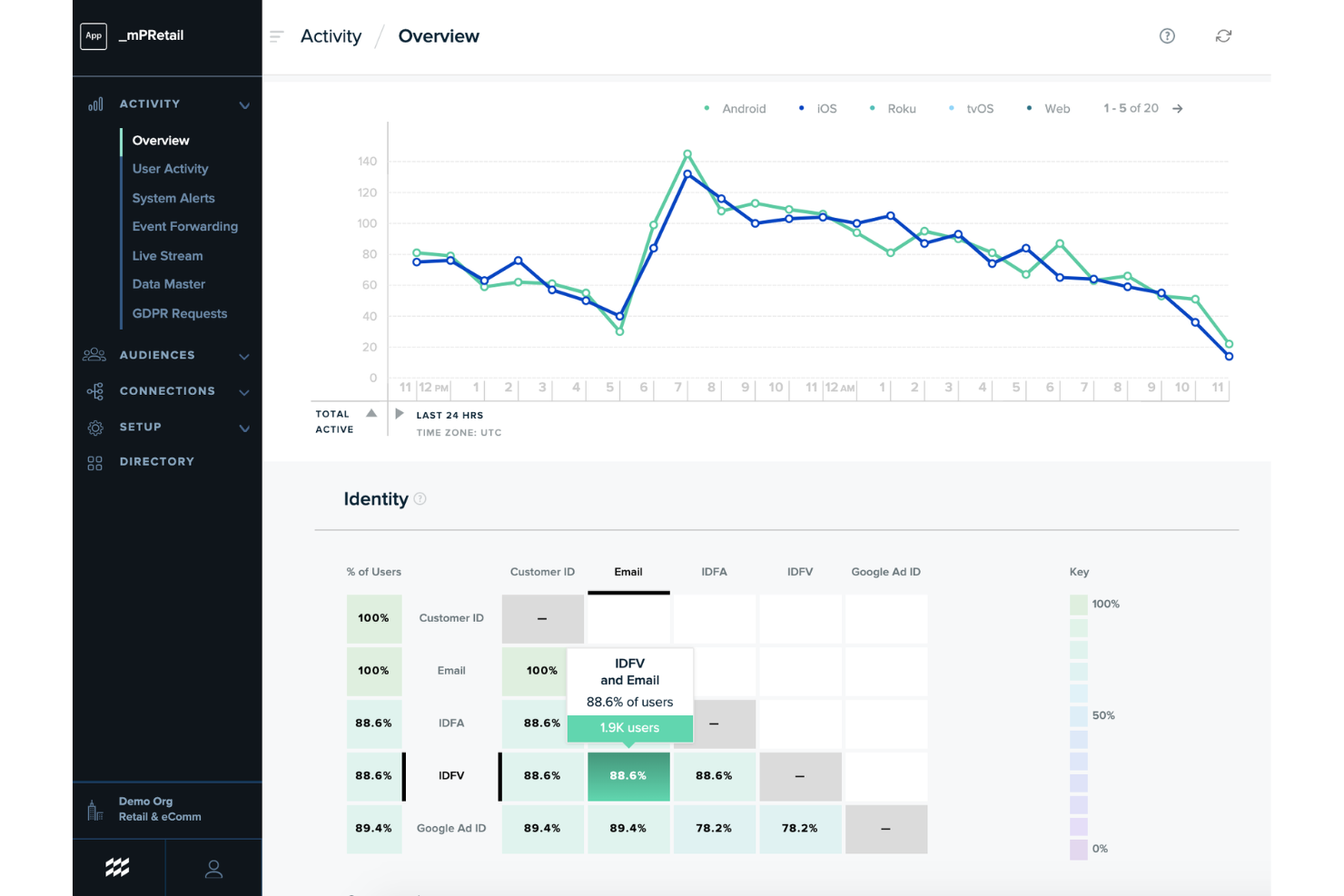
Si tu equipo necesita unificar datos de clientes provenientes de aplicaciones móviles, mParticle está diseñado para la integración de datos con enfoque móvil desde el inicio. Esta plataforma resulta atractiva para gerentes de producto y especialistas en marketing de marcas de consumo que desean conectar, limpiar y activar datos de dispositivos móviles, web y conectados. mParticle se distingue de otras alternativas a Segment por ofrecer un sólido soporte SDK para plataformas móviles y controles de calidad de datos en tiempo real especialmente pensados para negocios centrados en apps.
Por Qué mParticle Es una Buena Alternativa a Segment
Para equipos que priorizan la integración de datos desde plataformas móviles, mParticle ofrece capacidades que superan a la mayoría de alternativas a Segment. Elegí mParticle porque ofrece SDKs para iOS, Android y otras plataformas móviles, facilitando la recolección y unificación de datos de apps. Las herramientas de calidad de datos en tiempo real de la plataforma te ayudan a filtrar, validar y transformar eventos de datos móviles antes de que lleguen a sistemas posteriores. Si tu empresa depende mucho de las apps móviles, el enfoque de mParticle en flujos de datos centrados en móviles lo convierte en una opción especialmente adecuada.
Características Clave de mParticle
Otras funciones de mParticle que pueden interesar a equipos de datos y marketing incluyen:
- Constructor de Audiencias: Permite crear y gestionar segmentos de audiencia dinámicos usando datos en tiempo real.
- Controles de Privacidad de Datos: Ofrece herramientas detalladas de gestión de consentimiento y gobernanza de datos para el cumplimiento normativo.
- Reenvío de Eventos: Envía los datos recopilados a una amplia variedad de herramientas de análisis y marketing sin exportaciones manuales.
- Resolución de Identidad del Usuario: Empareja perfiles de usuario a través de dispositivos y canales para mantener una visión unificada del cliente.
Integraciones de mParticle
Las integraciones incluyen Amplitude, Mixpanel, Braze, Google Analytics, Facebook, Salesforce, Snowflake, Amazon Redshift, Shopify y más.
Pros and Cons
Pros:
- SDKs móviles compatibles con iOS, Android y más
- Reenvío de eventos en tiempo real a múltiples destinos
- Gestión de consentimientos incluida para cumplimiento de privacidad
Cons:
- Requiere recursos de ingeniería para la configuración inicial
- No incluye herramientas nativas de gestión de campañas

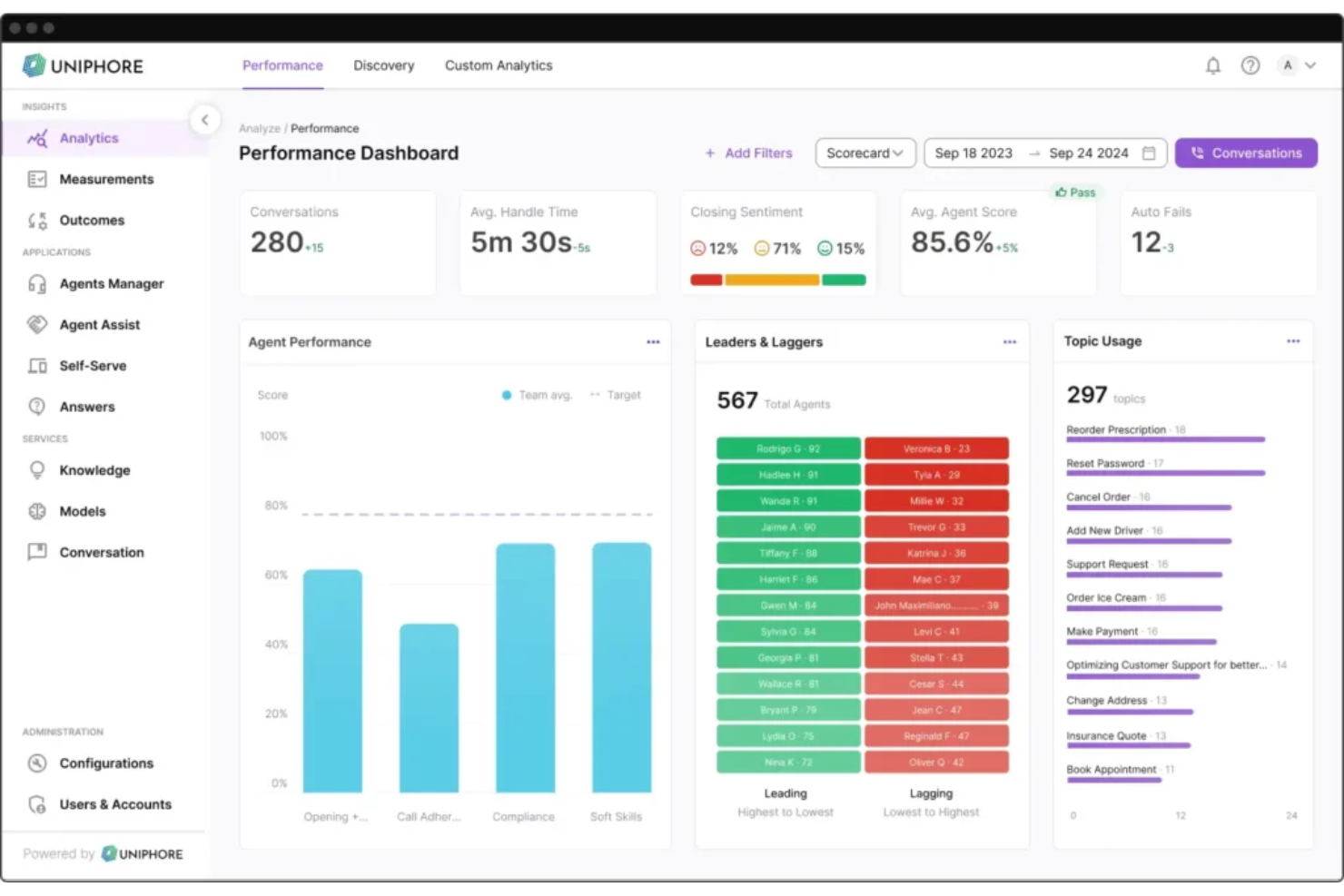
Si tu empresa necesita gestionar una segmentación de audiencias compleja a gran escala, ActionIQ está hecho para ti. Esta plataforma está diseñada para equipos empresariales que desean unificar los datos de sus clientes y orquestar experiencias personalizadas a través de distintos canales. ActionIQ se destaca entre las alternativas a Segment por su capacidad para manejar volúmenes masivos de datos y soportar estrategias avanzadas de segmentación.
Por qué ActionIQ es una buena alternativa a Segment
Para organizaciones que necesitan segmentar y activar audiencias a nivel empresarial, ActionIQ ofrece funcionalidades que superan a la mayoría de las alternativas de Segment. Elegí ActionIQ porque permite construir audiencias complejas con una interfaz flexible sin necesidad de código y un procesamiento de datos en tiempo real. Su plataforma de datos centraliza información de múltiples fuentes, facilitando la creación de segmentos altamente dirigidos y la orquestación de campañas multicanal. Si tu equipo gestiona grandes conjuntos de datos y necesita segmentación avanzada, ActionIQ está hecho para esas necesidades.
Principales funcionalidades de ActionIQ
Otras funciones de ActionIQ que pueden interesar a equipos empresariales incluyen:
- Orquestación de recorridos: Permite diseñar y automatizar recorridos de clientes multietapa a través de distintos canales.
- Herramientas de gobernanza de datos: Proporciona controles para gestionar el acceso a datos, permisos y cumplimiento normativo.
- Analítica predictiva: Utiliza modelos de aprendizaje automático para predecir el comportamiento de los clientes y segmentar audiencias.
- Actualizaciones de audiencias en tiempo real: Actualiza automáticamente los segmentos de audiencia a medida que nuevos datos ingresan a la plataforma.
Integraciones de ActionIQ
Las integraciones incluyen Salesforce, Adobe Analytics, Snowflake, Google BigQuery, Amazon S3, entre otros.
Pros and Cons
Pros:
- Gestiona la segmentación de audiencias a gran escala de forma eficiente
- Interfaz sin código para crear segmentos complejos
- Procesamiento de datos en tiempo real para insights actualizados
Cons:
- Las funciones avanzadas pueden requerir soporte en la implementación
- Documentación pública limitada en comparación con la competencia

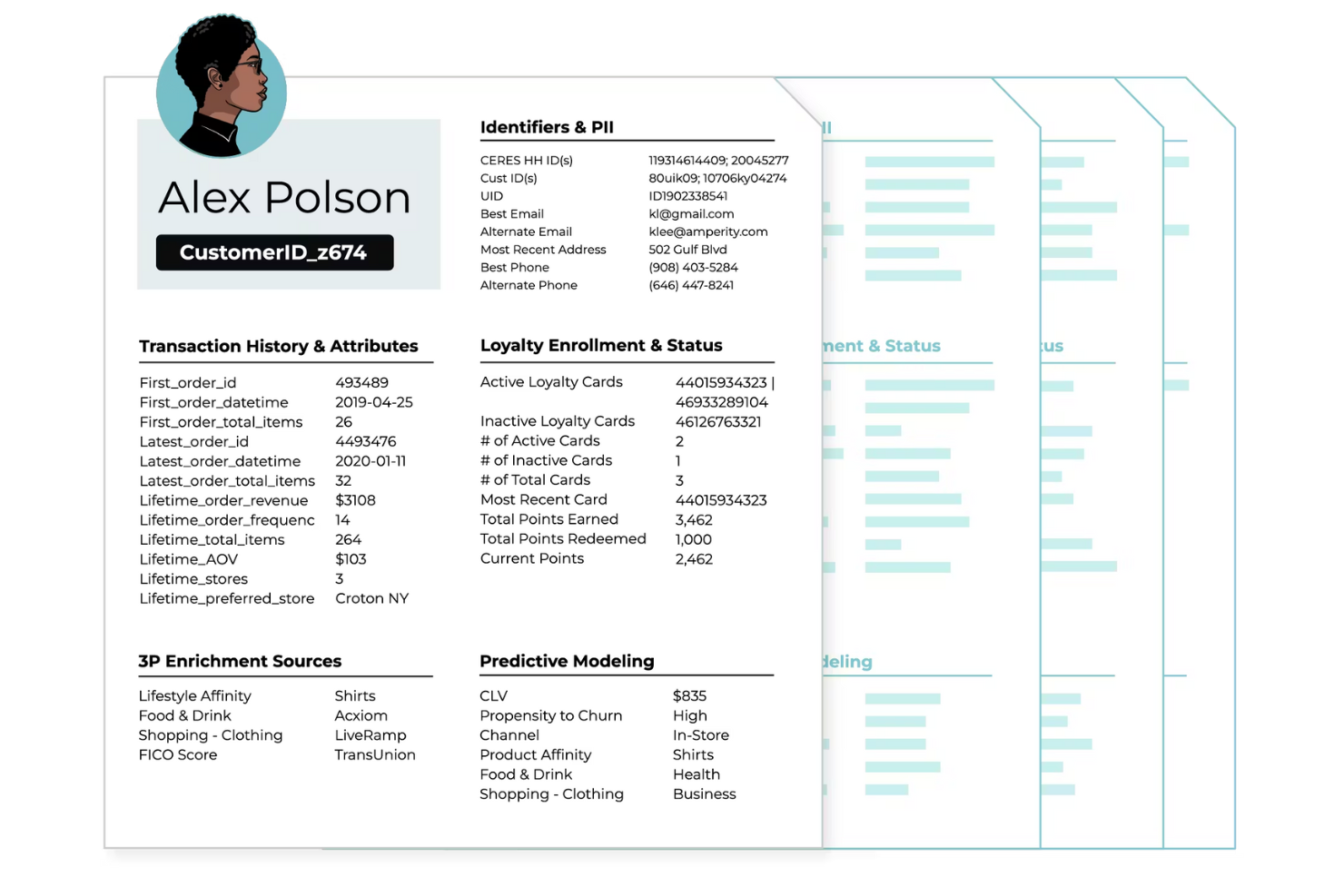
Cuando la resolución de identidad del cliente es tu máxima prioridad, Amperity ofrece un enfoque especializado. Esta plataforma está diseñada para marcas empresariales y equipos de datos que necesitan unificar datos fragmentados de clientes en un solo perfil preciso. Amperity se destaca entre otras alternativas a Segment al usar resolución de identidad impulsada por IA para conectar datos desde diversas fuentes y entregar una verdadera visión de 360 grados del cliente.
Por Qué Amperity Es una Buena Alternativa a Segment
Si tu equipo tiene dificultades con datos de clientes fragmentados, Amperity está diseñado para resolver ese desafío mediante la resolución de identidad unificada. Elegí Amperity porque utiliza aprendizaje automático para emparejar y fusionar registros de clientes desde múltiples fuentes, creando un único perfil de cliente preciso. Su motor patentado de resolución de identidad mejora continuamente los perfiles a medida que ingresa nueva información, ayudándote a mantener datos de clientes actualizados y fiables. Para organizaciones que necesitan una visión real de 360 grados de sus clientes, Amperity ofrece capacidades que superan a la mayoría de alternativas a Segment.
Funciones Clave de Amperity
Otras funciones en Amperity que pueden interesar a equipos orientados a los datos incluyen:
- Constructor de Segmentos: Permite crear y gestionar segmentos de audiencia con una interfaz visual y sin código.
- Supervisión de Calidad de Datos: Revisa continuamente anomalías e inconsistencias en los datos provenientes de diversas fuentes.
- Ingesta de Datos Automatizada: Importa y actualiza datos de clientes de varios sistemas en intervalos programados.
- Gestión de Consentimiento: Rastrea y administra las preferencias de consentimiento de los clientes para cumplir con las regulaciones de privacidad.
Integraciones de Amperity
Las integraciones incluyen ActiveCampaign, Acxiom, Adobe Analytics, AdRoll, Airtable, Amazon S3, Amplitude, y más.
Pros and Cons
Pros:
- Resolución de identidad impulsada por IA para perfiles unificados
- Constructor visual de segmentos para la creación de audiencias
- Ingesta de datos automatizada desde múltiples fuentes
Cons:
- Requiere una preparación de datos significativa al inicio
- Las opciones de exportación de segmentos pueden ser restrictivas

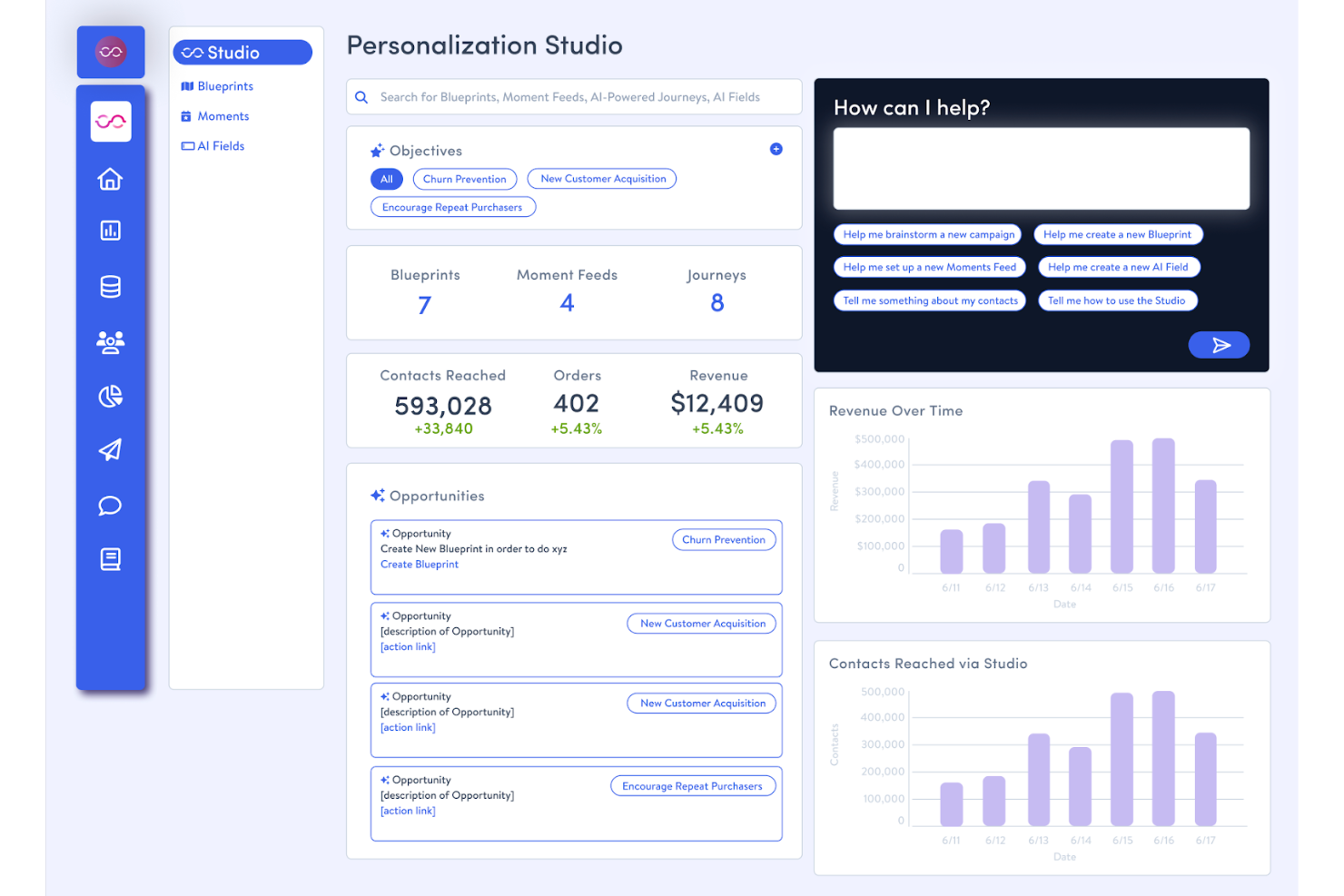
Simon AI ofrece un enfoque único para equipos que buscan automatizar y personalizar campañas para clientes utilizando IA. Esta plataforma es especialmente relevante para los responsables de marketing y CRM en marcas de consumo que desean orquestar recorridos complejos y multicanal sin necesidad de una configuración manual intensa. Lo que diferencia a Simon AI de otras alternativas a Segment es su enfoque en el diseño y la optimización de campañas impulsados por IA, lo que te ayuda a ofrecer experiencias personalizadas a gran escala.
Por qué Simon AI es una buena alternativa a Segment
Si buscas alternativas a Segment que prioricen la orquestación de campañas impulsadas por IA, Simon AI ofrece una ventaja única. Elegí Simon AI porque utiliza el aprendizaje automático para automatizar la segmentación, la programación y la selección de canales de las campañas, reduciendo el esfuerzo manual de los equipos de marketing. El constructor de recorridos de la plataforma te permite diseñar y lanzar campañas multietapa y multicanal que se adaptan en tiempo real según el comportamiento del cliente. Para equipos enfocados en ofrecer experiencias personalizadas a gran escala, las herramientas de orquestación basadas en IA de Simon AI proponen un enfoque moderno.
Funciones clave de Simon AI
Otras funciones de Simon AI que pueden interesar a los equipos de marketing y CRM incluyen:
- Perfiles de cliente unificados: Combina datos de múltiples fuentes para crear una visión única y accionable de cada cliente.
- Segmentación de audiencias: Permite crear y gestionar segmentos dinámicos basados en comportamientos y atributos en tiempo real.
- Motor de pruebas A/B: Te permite probar distintas variantes de campañas y optimizar los mensajes.
- Integraciones para el enriquecimiento de datos: Se conecta con proveedores de datos de terceros para mejorar los perfiles de los clientes con atributos adicionales.
Integraciones de Simon AI
Las integraciones incluyen Snowflake, Braze, Attentive, The Trade Desk, Amazon Redshift, Salesforce, Zendesk, TikTok, Shopify y más.
Pros and Cons
Pros:
- Orquestación impulsada por IA para campañas multicanal
- Constructor visual de recorridos para el diseño de campañas
- Admite pruebas avanzadas A/B y multivariadas
Cons:
- No incluye gestión de tickets de soporte al cliente
- Requiere datos estructurados para un rendimiento óptimo

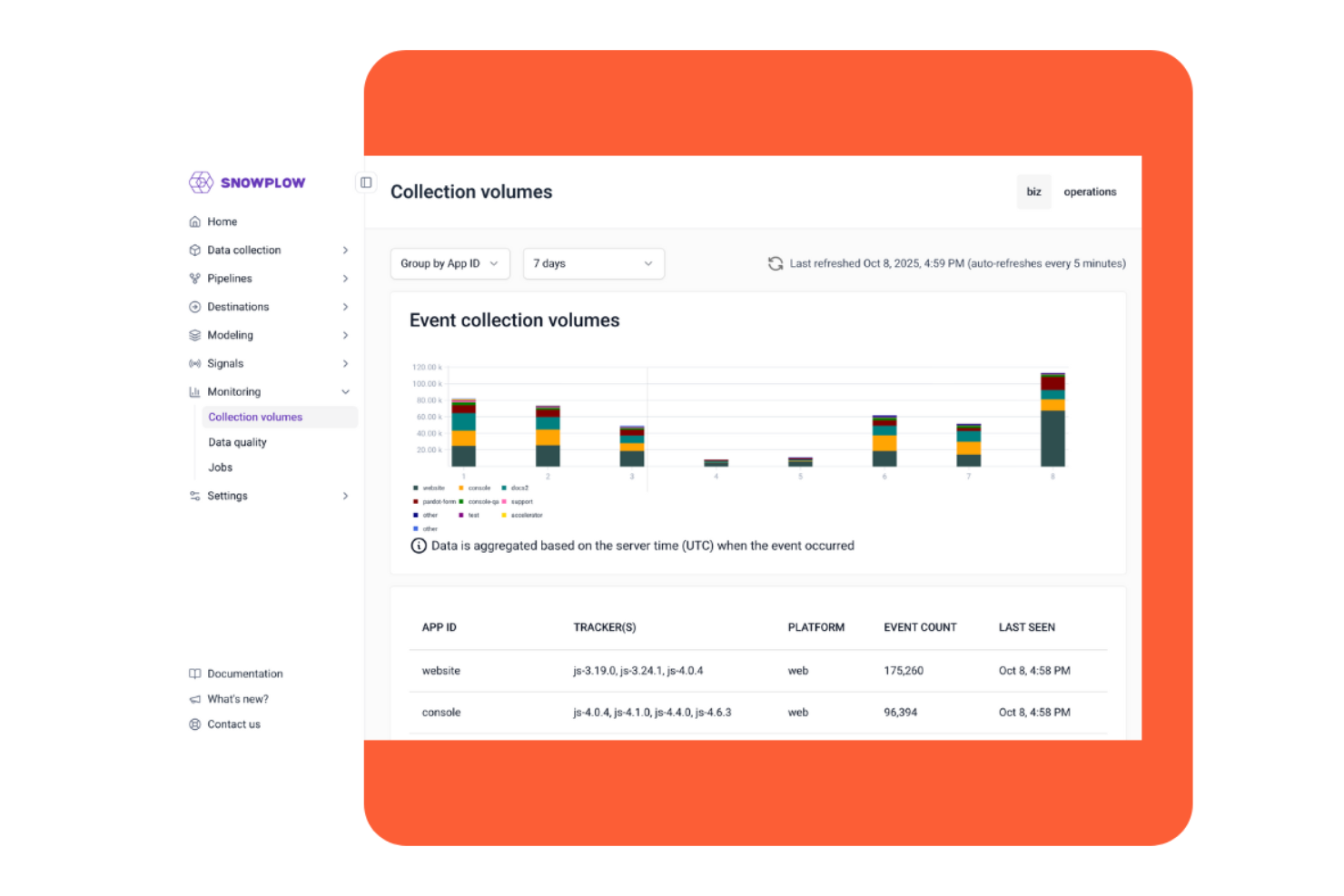
Snowplow destaca para los equipos que necesitan un control granular sobre la recopilación y el modelado de datos de eventos. Esta plataforma es una opción sólida para ingenieros de datos y líderes de analítica en organizaciones con requisitos de seguimiento complejos o canalizaciones de datos personalizadas. A diferencia de muchas alternativas a Segment, Snowplow te permite definir, rastrear y estructurar cada evento para que se adapte a tu lógica empresarial única y a tus necesidades analíticas.
Por qué Snowplow es una buena alternativa a Segment
Para los equipos que desean tener control total sobre el seguimiento de eventos, Snowplow ofrece un nivel de personalización difícil de igualar. Elegí Snowplow porque te permite definir tus propios esquemas de eventos y capturar puntos de datos sumamente específicos, en lugar de depender de plantillas predefinidas. La plataforma también soporta la recopilación y procesamiento de datos en tiempo real, por lo que puedes crear flujos de analítica adaptados a tu negocio. Si necesitas rastrear comportamientos únicos de clientes o crear modelos de datos personalizados, el seguimiento de eventos flexible de Snowplow destaca sobre otras alternativas a Segment.
Características clave de Snowplow
Otras funciones de Snowplow que pueden interesar a los equipos de datos incluyen:
- Recolector de código abierto: Te permite desplegar y gestionar tu propia infraestructura para la recopilación de datos de eventos.
- Integraciones con almacenes de datos: Soporta conexiones directas con plataformas como Snowflake, BigQuery y Redshift.
- Supervisión de la calidad de los datos: Verifica continuamente los datos de eventos ante errores o desajustes de esquemas.
- Herramientas de cumplimiento de GDPR y CCPA: Proporciona funciones integradas para ayudar a gestionar los requisitos regulatorios y la privacidad de los datos.
Integraciones de Snowplow
Las integraciones incluyen Databricks, Snowflake, Google BigQuery, Amazon S3, Delta Lake, Kafka, AWS Bedrock, GCP Vertex AI, LangChain y más.
Pros and Cons
Pros:
- Recolector de código abierto para control total del despliegue
- Admite definiciones personalizadas de esquemas de eventos
- Canal de datos en tiempo real para analítica inmediata
Cons:
- Sin interfaz visual para el mapeo de eventos
- No incluye funciones de segmentación de audiencias incorporadas
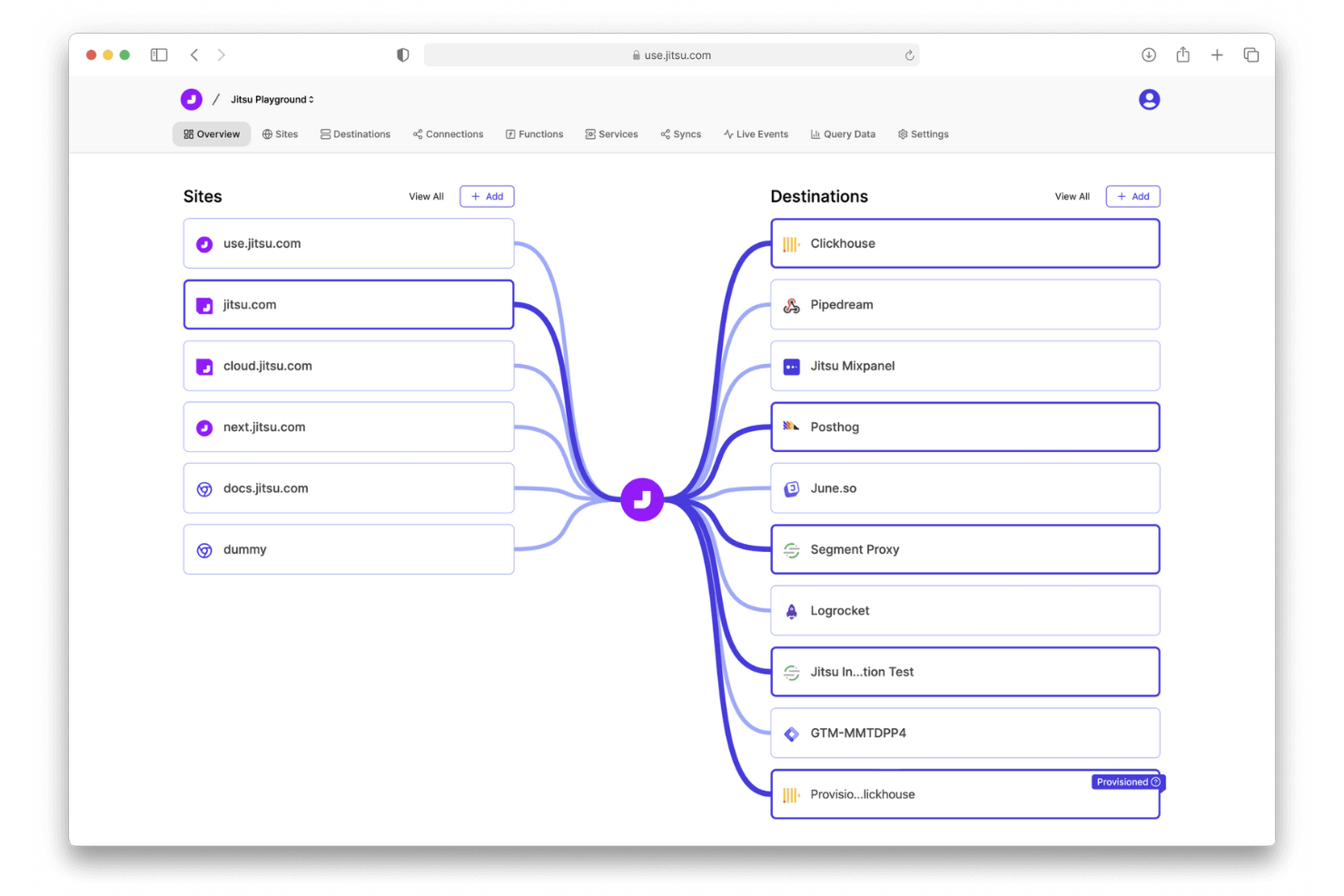
Jitsu se destaca para los equipos que desean un control total sobre la recolección de datos de eventos utilizando tecnología de código abierto. Es una excelente opción para ingenieros de datos y equipos de análisis que necesitan alojar, personalizar o auditar cada parte de su flujo de eventos por sí mismos. Con Jitsu, puedes recopilar, enrutar y transformar datos de eventos sin depender de cajas negras propietarias que son comunes en otras alternativas a Segment.
Por Qué Jitsu es una Buena Alternativa a Segment
Para los equipos que buscan transparencia y flexibilidad en la recopilación de eventos, Jitsu es una opción sólida. Elegí Jitsu porque es de código abierto, así que puedes alojarlo tú mismo e inspeccionar cada parte de tu flujo de datos. Su enrutador de eventos te permite recopilar, transformar y enviar datos a múltiples destinos sin depender de un único proveedor. Si necesitas personalizar o auditar tu sistema de seguimiento de eventos, Jitsu te ofrece un nivel de control que la mayoría de alternativas a Segment no ofrecen.
Características Clave de Jitsu
Otras características de Jitsu que pueden interesar a los equipos de datos incluyen:
- Transmisión de Datos en Tiempo Real: Envía los datos de eventos a los destinos a medida que se recopilan, sin retrasos.
- Soporte para Evolución de Esquemas: Se adapta automáticamente a los cambios en la estructura de los eventos con el tiempo.
- Herramientas de Depuración Integradas: Te permite inspeccionar y solucionar problemas de los flujos de eventos directamente en la interfaz.
- Plantillas de Destinos: Ofrece configuraciones predefinidas para almacenes de datos y herramientas de análisis comunes.
Integraciones de Jitsu
Las integraciones incluyen BigQuery, ClickHouse, MongoDB, MySQL, PostgreSQL, Redshift, Snowflake, Amplitude, Mixpanel y más.
Pros and Cons
Pros:
- Código abierto que permite total transparencia
- Opción de autoalojamiento para control total de los datos
- Transmisión de eventos en tiempo real a múltiples destinos
Cons:
- No incluye funciones integradas de segmentación de audiencias
- No tiene soporte nativo para SDKs móviles
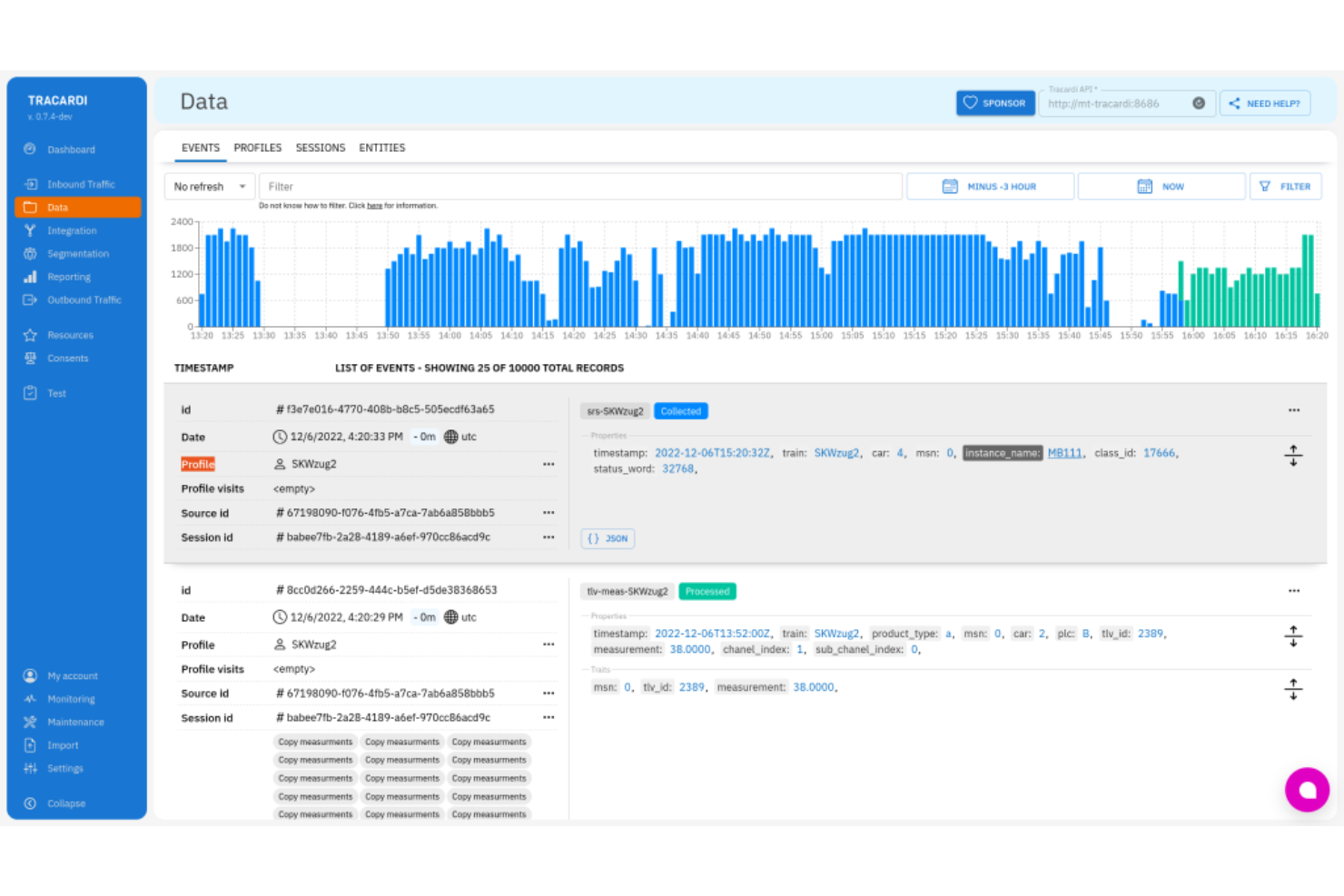
Si buscas una alternativa a Segment que te permita tomar el control de tu propia infraestructura de datos, vale la pena echar un vistazo a Tracardi. Esta plataforma de código abierto está diseñada para equipos técnicos y organizaciones que desean crear, gestionar y automatizar canalizaciones de datos autohospedadas. Tracardi destaca por su flexibilidad en el procesamiento de eventos y por su capacidad para mantener los datos confidenciales de los clientes completamente bajo tu control.
Por qué Tracardi es una buena alternativa a Segment
A diferencia de la mayoría de las alternativas a Segment, Tracardi está diseñado específicamente para equipos que desean autohospedar y controlar por completo sus canalizaciones de datos. Elegí Tracardi porque permite diseñar flujos de eventos personalizados y automatizar el procesamiento de datos mediante un creador visual de flujos de trabajo. La plataforma admite el enriquecimiento avanzado de eventos y el enrutamiento de datos en tiempo real, por lo que puedes adaptar tu canalización a tus requisitos exactos. Si tu organización necesita mantener los datos confidenciales en sus propias instalaciones o cumplir estrictos estándares de conformidad, Tracardi te ofrece la flexibilidad y el control que las soluciones basadas en la nube no pueden igualar.
Características principales de Tracardi
Otras características de Tracardi que pueden interesar a los equipos técnicos incluyen:
- Arquitectura basada en complementos: Permite ampliar la funcionalidad añadiendo o desarrollando complementos personalizados.
- Gestión de perfiles de usuario: Realiza el seguimiento y gestiona perfiles de usuario detallados para flujos de datos personalizados.
- Diseño basado en API: Proporciona una API para integrarse con sistemas externos y aplicaciones personalizadas.
- Supervisión de fuentes de eventos: Supervisa las fuentes de eventos entrantes y proporciona visibilidad sobre la ingesta de datos.
Integraciones de Tracardi
Actualmente no se indican integraciones nativas.
Pros and Cons
Pros:
- Completamente de código abierto y sin dependencia del proveedor
- Creador visual de flujos de trabajo para canalizaciones personalizadas
- Admite la implementación en las instalaciones propias para cumplir con las normas
Cons:
- Requiere escalado manual y gestión de la infraestructura
- Incluye menos funciones de análisis y generación de informes
Otras alternativas a Segment
Estas son algunas alternativas adicionales a Segment que no llegaron a formar parte de mi lista breve, pero que aún merece la pena considerar:
- RedPoint Global
Mejor para la orquestación de datos omnicanal
- Data 360
Mejor con la integración del ecosistema de Salesforce
- Oracle Unity Data Platform
Mejor con resolución de identidad a nivel empresarial


Cómo evalúo las alternativas a Segment
Evalúo cada herramienta en dos niveles: si gestiona los procesos fundamentales de datos y qué la diferencia para los equipos que migran sus pilas tecnológicas, gestionan la escalabilidad o refuerzan la gobernanza de datos.
Funcionalidad principal (requisitos básicos para esta lista)
Al seleccionar las herramientas para mi lista, clasifico cada una en una escala de 0 (no ofrece la funcionalidad) a 5 (destaca en esta área) para cada funcionalidad principal que se indica a continuación. Después, calculo la puntuación total de la herramienta como porcentaje. Cada herramienta debe alcanzar una puntuación total mínima del 65% para ser considerada para su inclusión.
- Recopilación de datos de múltiples fuentes: Analizo cuántos SDK y conectores de fuentes ofrece cada plataforma, desde etiquetas web y móviles del lado del cliente hasta la ingesta del lado del servidor y de aplicaciones en la nube.
- Catálogo de integraciones posteriores: La amplitud de los destinos prediseñados es importante, especialmente la cobertura de herramientas de CX como Braze, Salesforce y Amplitude, junto con plataformas publicitarias y almacenes de datos.
- Resolución de identidades: Evalúo cómo cada herramienta vincula a los visitantes anónimos con perfiles conocidos, incluida la combinación entre dispositivos y la posibilidad de configurar reglas o grafos de identidad.
- Segmentación y activación de audiencias: Aquí compruebo la creación de audiencias basadas en el comportamiento en tiempo real y la frecuencia de sincronización, como activar una lista de exclusión en el momento en que un cliente realiza una conversión.
- Gobernanza de datos y consentimiento: Cada plataforma debe ofrecer aplicación de esquemas, controles de información de identificación personal (PII) y flujos de trabajo de gestión del consentimiento que respalden los requisitos del RGPD y la CCPA en la capa de datos.
- Compatibilidad con almacenes de datos y ETL inverso: Compruebo si la herramienta transmite eventos a almacenes como Snowflake o BigQuery y puede activar datos modelados en el almacén en las herramientas posteriores.
Una vez que tengo una lista de herramientas que cumplen estos criterios, considero qué diferencia a cada plataforma.
Factores diferenciadores (qué distingue a los proveedores)
Así es como comparo y contrasto los distintos proveedores:
Funciones destacadas
La arquitectura nativa del almacén de datos es un factor diferenciador importante que busco. Plataformas como RudderStack y Hightouch permiten que el almacén siga siendo la única fuente de verdad, lo que elimina las copias de datos redundantes y mantiene a tu equipo de analítica en pleno control. También evalúo si una plataforma ofrece un creador visual de planes de seguimiento, ya que permite a los equipos de operaciones de marketing definir y versionar esquemas de eventos sin tener que presentar solicitudes al equipo de ingeniería. La transparencia de precios también es importante: compruebo si la facturación escala de forma predecible según los MTU o los eventos, para que los equipos puedan prever los costes a medida que crece el volumen de datos.
Más allá de las funciones
Las certificaciones de cumplimiento como SOC 2 Tipo II y la elegibilidad para HIPAA tienen un peso real cuando tu equipo gestiona datos confidenciales de clientes, por lo que reviso pronto la postura de seguridad de cada proveedor. La implementación y el tiempo hasta obtener valor son otros factores que evalúo detenidamente. Algunas plataformas ofrecen API compatibles con Segment o herramientas de migración que acortan considerablemente el cambio. También considero la flexibilidad de implementación: los equipos de sectores regulados suelen necesitar opciones como el alojamiento de un solo inquilino o la residencia regional de datos, y no todas las alternativas a las CDP admiten esas configuraciones.
¿Por qué buscar una alternativa a Segment?
Aunque Segment es una buena opción, hay varios motivos por los que algunos usuarios buscan soluciones alternativas. Puede que estés buscando una alternativa a Segment porque…
- Necesitas tener un control total sobre el almacenamiento y la privacidad de los datos
- Quieres una implementación autoalojada o de código abierto
- Te enfrentas a costes elevados a medida que aumentan los volúmenes de datos
- Necesitas canalizaciones de datos más flexibles o personalizadas
- Necesitas compatibilidad con requisitos estrictos de cumplimiento normativo
- Quieres evitar la dependencia del proveedor
Si alguna de estas situaciones te resulta familiar, has llegado al lugar adecuado. Mi lista contiene varias alternativas a Segment más adecuadas para los equipos que se enfrentan a estos desafíos con Segment y buscan soluciones alternativas.
Funciones principales de Segment
Estas son algunas de las funciones principales de Segment, que te ayudarán a contrastar y comparar lo que ofrecen las soluciones alternativas:
- Recopilación centralizada de datos de clientes de múltiples fuentes
- Seguimiento y procesamiento de eventos en tiempo real
- Resolución de identidades y perfiles de clientes unificados
- Enrutamiento de datos a cientos de herramientas posteriores
- Controles integrados de privacidad y gestión del consentimiento
- Segmentación y activación de audiencias
- Generador visual de flujos de trabajo para canalizaciones de datos
- Compatibilidad con la implementación y el escalado basados en la nube
- Amplia biblioteca de integraciones nativas
- APIs y SDKs adaptados a los desarrolladores para casos de uso personalizados