

Reseña de Yogi: ventajas, desventajas, características y precios
Yogi destaca por ofrecer una integración de datos intuitiva y análisis esclarecedores, lo que lo convierte en una opción sólida para los equipos que buscan aprovechar los datos de los clientes de manera eficaz.

Revisamos las herramientas de manera independiente, y las comisiones ayudan a financiar nuestras pruebas. Consulta nuestra política de transparencia, nuestra metodología o sugiere una herramienta.
Yogi is a customer feedback software built for consumer brands that need to analyze product reviews across retail channels at scale. It uses AI to surface themes and trends from reviews on platforms like Amazon, Walmart, and Target—cutting out manual tagging entirely. I'd consider it over something like Qualtrics if your feedback challenge centers on retail review data rather than a broad VoC program. Yogi's retail-specific focus makes those insights more directly usable for product and CX teams.
Yogi Evaluation Summary

4.6/5
- Pricing upon request
- Free demo available
Por qué confiar en nuestras recomendaciones de software
6,700+
Reviews
20
Industry experts
16+
Evaluation factors
14
Years
Nuestro equipo lleva probando y evaluando software desde 2012. Como líderes de CX, sabemos lo difícil —y lo importante— que es elegir el software adecuado.
Para esta guía, evaluamos las herramientas mediante pruebas prácticas e investigación independiente, puntuando las herramientas según nuestros criterios de selección.
Nuestras reseñas reflejan nuestro criterio editorial humano, no un discurso de ventas.
 Gui DrusinaCreative Director
 Tim FisherVP of AI
Yogi Overview
In my opinion, Yogi serves as a solid customer data platform. It offers a strong set of core features and standout capabilities, such as NLP dashboards, summaries, and generative AI-powered analysis, making it a competitive choice. However, the onboarding process and customer support seem to lag behind some competitors. If your team values integration, optimized workflows, and a user-friendly interface, Yogi might be worth considering. It’s particularly well-suited for organizations that prioritize data consistency, real-time dashboards, and scalable insights across product pages. Overall, Yogi offers good value for money, but if onboarding and support are important to you, you might want to consider other options.
Pros
- Yogi simplifies data analysis with its intuitive interface.
- You can quickly access customer insights and sentiment summaries.
- Yogi offers reliable customer support.
Cons
- You might find that the platform demands a learning curve initially.
- Customization options are limited.
- Some users report that the platform can be slow during peak usage times.
Is Yogi Right For Your Needs?
Who Would be a Good Fit for Yogi?
Yogi suits data-driven teams and customer-focused businesses. It offers powerful analytics and customer insights through AI-driven sentiment analysis, helping you make informed decisions. If your team values integration with existing tools and needs a platform to centralize customer data from shoppers, gamers, or niche audiences, Yogi is a smart choice. It supports collaboration across departments, ensuring everyone stays aligned with customer needs across e-commerce and retail channels.
- E-commerce BusinessesYogi helps you track customer behavior and preferences across marketplaces such as Amazon, improving your product offerings and product page performance.
- Marketing TeamsUse Yogi to analyze campaign performance and refine your strategies based on real-time NLP insights and feedback trends.
- Customer SupportYogi centralizes customer interactions, making it easier for your team to address issues promptly using unified dashboards.
- Product DevelopmentGather feedback and insights with Yogi to prioritize features that matter to your users and guide product innovation decisions.
- Retail CompaniesYogi helps you understand in-store and online customer interactions, enhancing your sales strategies and retailer relationships.
- Small BusinessesEven with limited resources, Yogi's integration and data management tools support your growth efforts, especially for teams exploring AI analytics for the first time.
Who Would be a Bad Fit for Yogi?
Yogi might not be ideal for small businesses or startups with limited budgets because of its higher cost. Also, if your work demands extensive customization and deep integration with niche tools, Yogi's limited customization options could be a roadblock. Teams requiring advanced financial features or robust, sophisticated collaboration tools might find Yogi lacking.
- Small StartupsIf you're a small startup, Yogi's pricing can strain your budget without offering the essential features you might need.
- Finance DepartmentsFinance departments won't find Yogi suitable because it lacks financial features such as budgets and expense tracking.
- Highly Niche IndustriesHighly niche industries, such as board game publishers, that need tailored solutions will struggle with Yogi's limited customization capabilities.
- Large EnterprisesLarge enterprises needing extensive collaboration tools might find Yogi's team functionality too basic.
- Project Management TeamsProject management teams requiring robust integrations may find Yogi's integration capabilities to be limited.
- Tech-Heavy CompaniesTech-heavy companies looking for deep tech stack integration might find Yogi's offerings insufficient.
Cómo Probamos y Evaluamos Herramientas
Hemos pasado años construyendo, refinando y perfeccionando nuestro sistema de evaluación y puntuación de software. La rúbrica está diseñada para capturar los matices de la selección de software y lo que hace que una herramienta sea eficaz, centrándose en los aspectos críticos del proceso de toma de decisiones. A continuación, puedes ver exactamente cómo funcionan nuestras pruebas y puntuaciones en siete criterios. Esto nos permite ofrecer una evaluación imparcial del software basada en funcionalidad principal, características destacadas, facilidad de uso, incorporación, soporte al cliente, integraciones, opiniones de clientes y la relación calidad-precio.
Funcionalidad Principal (25% de la puntuación final)
El punto de partida de nuestra evaluación siempre es la funcionalidad principal de la herramienta. ¿Tiene las funciones básicas que un usuario esperaría? ¿Alguna de esas funciones principales está bloqueada en planes de precios más altos? Consideramos que una herramienta debe estar a la par de las capacidades básicas de sus competidores.
Características Destacadas (25% de la puntuación final)
A continuación, evaluamos aquellas características poco comunes y destacadas que superan la funcionalidad principal típica de herramientas de ese tipo. Una puntuación alta refleja funciones especializadas o únicas que hacen que el producto sea más rápido, eficiente o que aporte un valor adicional al usuario. También evaluamos lo fácil que es integrar la herramienta con otras que típicamente se utilizan en el ecosistema tecnológico para ampliar la funcionalidad y utilidad del software. Las herramientas que ofrecen abundantes integraciones nativas, conexiones de terceros y acceso a API para integraciones personalizadas obtienen la mejor puntuación.
Facilidad de Uso (10% de la puntuación final)
Consideramos lo rápido y sencillo que es ejecutar las tareas definidas en la funcionalidad principal usando la herramienta. El software que puntúa alto está bien diseñado, es intuitivo, ofrece aplicaciones móviles, proporciona plantillas y hace que tareas relativamente complejas parezcan sencillas.
Incorporación (10% de la puntuación final)
Sabemos lo importante que es la rápida adopción del equipo en una nueva plataforma, así que evaluamos lo fácil que es aprender y usar una herramienta con poca formación. Evaluamos cuán rápido un miembro del equipo puede configurarse y comenzar a usar la herramienta sin experiencia. Las soluciones mejor puntuadas requieren poco o ningún soporte.
Soporte al Cliente (10% de la puntuación final)
Revisamos lo rápido y sencillo que es salir de un atasco y encontrar ayuda por teléfono, chat en vivo o una base de conocimientos. Las herramientas y empresas que brindan soporte en tiempo real obtienen la mejor puntuación, mientras que los chatbots obtienen la peor.
Opiniones de Clientes (10% de la puntuación final)
Más allá de nuestras propias pruebas, consideramos el puntaje neto del promotor de los clientes actuales y anteriores. Revisamos la probabilidad de que elijan la herramienta nuevamente para la funcionalidad principal. Un software con alta puntuación refleja un alto puntaje neto del promotor por parte de clientes actuales o anteriores.
Relación Calidad-Precio (10% de la puntuación final)
Por último, considerando todos los demás criterios, analizamos el precio promedio de los planes de nivel inicial frente a las funciones principales y valoramos el resto de los criterios de evaluación. El software que ofrece más por menos obtiene una mayor puntuación.
Core Features
Unified Customer Profiles: Yogi consolidates customer data from various sources, providing a comprehensive view of each customer. This helps your team understand customer behavior and preferences in real-time, enhancing decision-making.
Real-Time Analytics: Yogi offers analytics tools that process data instantly, allowing you to make informed decisions quickly. This feature stands out because it supports immediate adjustments to marketing strategies based on current sentiment analysis insights.
Segmentation and Targeting: You can create detailed customer segments based on specific consumer groups, such as shoppers, gamers, or repeat buyers, which help personalize marketing efforts. This feature enhances targeted campaigns, improving engagement and conversion rates.
Privacy and Compliance Management: Yogi ensures that data handling aligns with privacy regulations, keeping customer information secure. This feature is crucial for maintaining trust and avoiding legal issues, especially with GDPR and CCPA compliance.
Data Integration and Management: Yogi efficiently manages and integrates data from multiple platforms, ensuring consistency and accuracy. This capability is essential for businesses looking to streamline their NLP workflows without losing valuable insights.
Predictive Insights: With predictive analytics and generative AI capabilities, Yogi helps forecast customer behavior and trends, allowing proactive strategy development. This feature empowers your team to stay ahead of market changes and customer needs.

Integrations
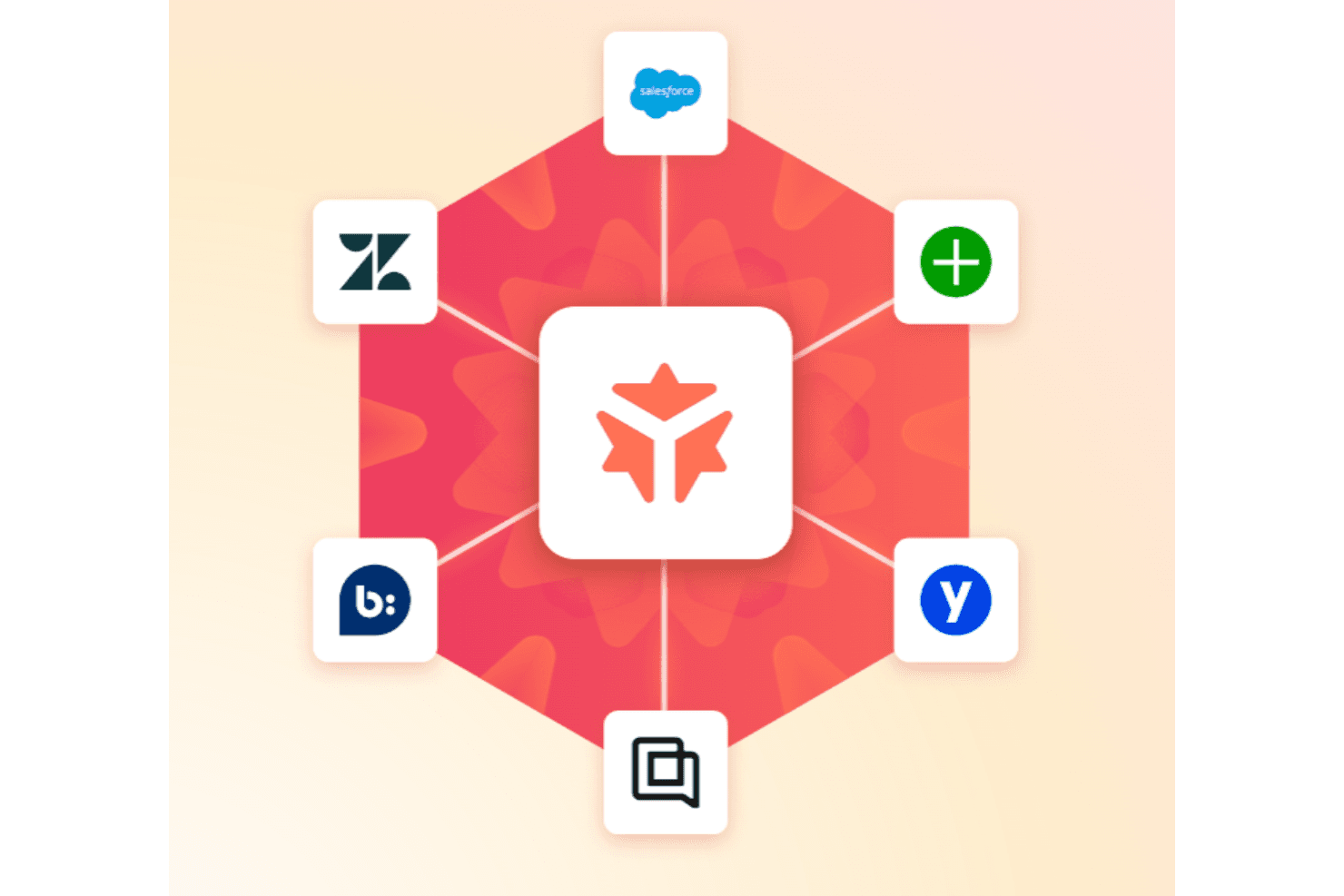
Yogi integrates with platforms such as Salesforce, Zendesk, Qualtrics, Gladly, Bazaarvoice, Sprout Social, WhatsApp, and Instagram.
Yogi also provides an API for integration and connects with third-party integration tools, allowing users to export data and insights into their preferred platforms.
Yogi Specs
- Analytics: Yes
- API: Yes
- Batch Permissions & Access: No
- Call Integration: No
- Chat: No
- Contact Management: No
- Contact Sharing: No
- CRM Integration: Yes
- Customer Management: No
- Customer Service: Yes
- Dashboard: Yes
- Data Export: Yes
- Data Import: Yes
- Data Visualization: Yes
- Email Integration: No
- Escalation Management: No
- External Integrations: Yes
- Instant Chat Integration: No
- Knowledge Base: No
- Lead Management: No
- Lead Scoring: No
- Multi-User: Yes
- Notifications: Yes
- Real-time Alerts: Yes
- Scheduling: No
- Self-service Portal: No
- Social Media Integration: No
- Support Forum: No
- Third-Party Plugins/Add-Ons: No
- Ticket Management: Yes
- Workflow Management: No


