

Recensione di Pimcore: vantaggi, svantaggi, funzionalità e prezzi
Pimcore si distingue per la sua flessibilità e la natura open source, offrendo al tuo team una soluzione personalizzabile per una piattaforma di esperienza digitale senza costi elevati.

Recensiamo gli strumenti in modo indipendente e le commissioni aiutano a finanziare i nostri test. Consulta la nostra politica di trasparenza, la nostra metodologia o suggerisci uno strumento.
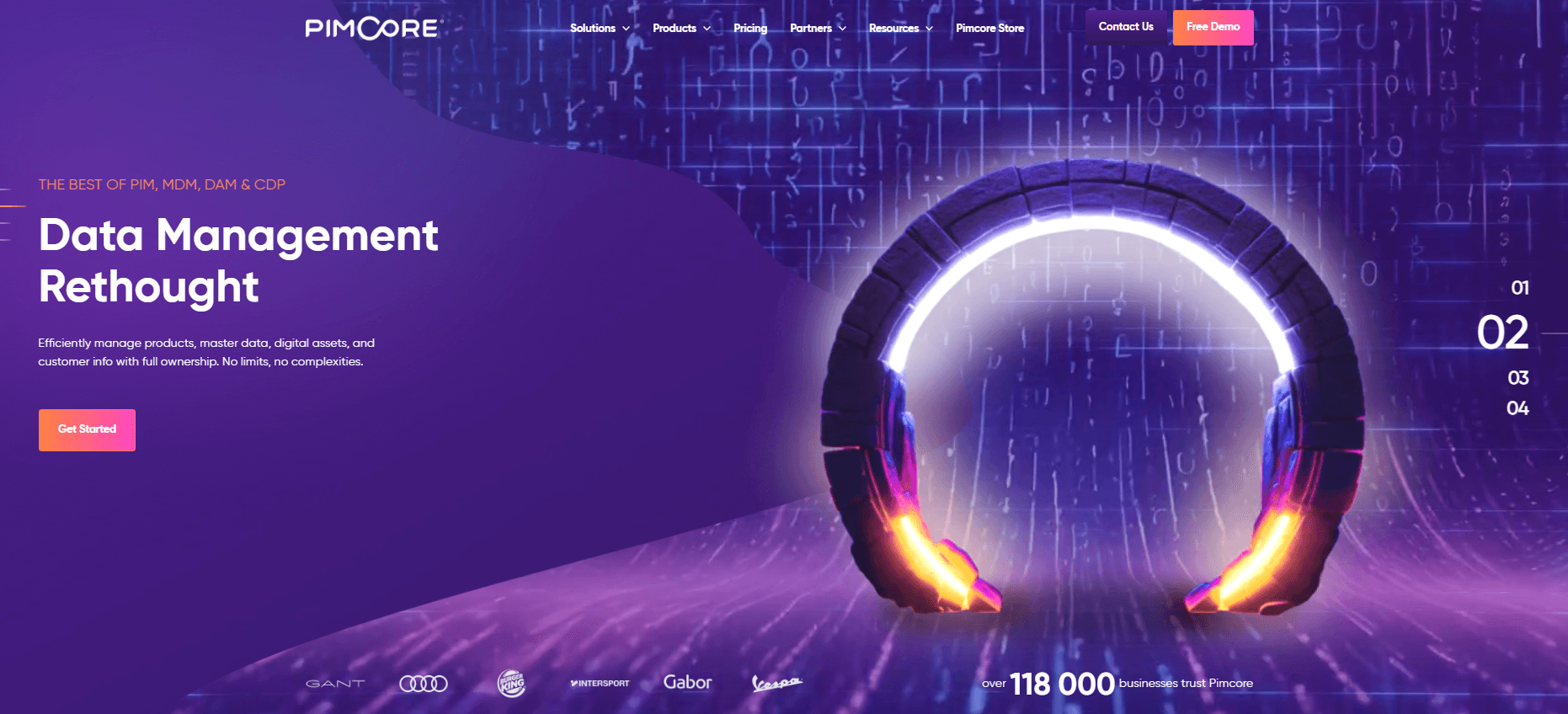
Pimcore is an open-source digital experience platform that combines product information management, digital asset management, and content management in a single system. It's worth considering if your team manages large volumes of product data, digital assets, and web content across multiple channels and needs them unified rather than siloed across separate tools. I'd look at Pimcore over something like Sitecore if you want that combined PIM and CMS functionality without the enterprise licensing costs that come with it.
Pimcore Evaluation Summary
4.5/5
- Pricing upon request
- Free demo available
Perché fidarsi dei nostri consigli sui software
6,700+
Reviews
20
Industry experts
16+
Evaluation factors
14
Years
Il nostro team testa e recensisce software dal 2012. In quanto leader CX noi stessi, sappiamo quanto sia difficile — e importante — scegliere il software giusto.
Per questa guida, abbiamo valutato gli strumenti attraverso test pratici e ricerche indipendenti, assegnando un punteggio agli strumenti in base ai nostri criteri di selezione.
Le nostre recensioni riflettono il nostro giudizio editoriale umano, non un discorso di vendita.
 Gui DrusinaCreative Director
 Tim FisherVP of AI
Pimcore Overview
In my opinion, Pimcore excels as a digital experience platform for businesses needing a flexible and open-source solution. Its standout and core features are impressive, and it’s particularly suited for companies that want to manage complex digital data and content without breaking the bank. But it’s important to note that getting started with Pimcore might take a bit of patience, as the onboarding process can feel complex.
In short, compared to other digital experience and data management providers, Pimcore delivers a great mix of features and value, but it may not feel the most beginner-friendly. For teams that care most about scalability and streamlined integrations, though, Pimcore is a strong and reliable choice.
Pros
- You can easily manage digital content and assets in one place.
- Your team can customize it to fit specific business needs.
- It supports a wide range of data management capabilities.
Cons
- You might find the learning curve steep if you're new to digital platforms.
- Your team may need more technical expertise for full customization.
- It lacks some user-friendly design elements found in other platforms.
Is Pimcore Right For Your Needs?
Who Would be a Good Fit for Pimcore?
Pimcore is a great fit for e-commerce businesses, marketing teams, and IT departments that need to manage large amounts of digital data and content. Its flexibility and customization options also make it appealing for teams that want a platform that works with their specific workflows. Plus, with its advanced data management features, Pimcore is a great choice for teams looking to bring a wide range of digital assets together in a clear and organized way.
- E-commerce BusinessesPimcore excels in managing product information and digital assets, making it perfect for your e-commerce needs.
- RetailersRetail industries can benefit greatly from Pimcore’s ability to centralize and manage customer data efficiently. For businesses focused on digital commerce, Pimcore helps streamline complex data across products, customers, and channels, making it easier to deliver consistent and informed retail experiences.
- Marketing TeamsPimcore supports web content creation and management, making it a strong choice for marketing teams looking to deliver effective campaigns. It also helps teams improve the customer experience by making sure end users receive consistent, engaging content across all touchpoints.
- IT DepartmentsIT departments can take advantage of Pimcore’s customization and integration capabilities to streamline digital operations. With flexible options for both frontend and backend development, your IT team can build solutions that fit your organization’s technical needs.
- Large EnterprisesPimcore's scalability makes it a strong choice for large enterprises managing diverse data and content.
- Digital AgenciesYour agency can use Pimcore to provide flexible and tailored digital experience management solutions for clients.
Who Would be a Bad Fit for Pimcore?
Pimcore might not be the best fit for small startups or teams lacking technical expertise, since it requires some level of IT knowledge for setup and customization. If your team needs a platform with a simple, user-friendly interface, Pimcore's learning curve could feel a bit steep. Additionally, if you're looking for a solution with extensive pre-built templates, you might be better off with other platforms.
- Small StartupsIf your startup lacks technical resources, Pimcore's complexity may overwhelm your team.
- Non-Technical TeamsPimcore's customization options might be too daunting if your team isn't tech-savvy.
- FreelancersAs a freelancer, you might find Pimcore's advanced features more than you need.
- Budget-Conscious FirmsThe need for technical expertise could lead to higher costs, which might not suit tight budgets.
- Simple ProjectsFor simple digital projects, Pimcore's advanced data modeling, optimization, and automation features may be unnecessary.
- Non-Digital BusinessesIf your business doesn't rely heavily on digital data, Pimcore might not add much value.
Pimcore Specs
- Access Management: Yes
- API: Yes
- Asset Tagging: Yes
- Batch Permissions & Access: Yes
- Brand Asset Creation: No
- Calendar Management: No
- Dashboard: Yes
- Data Export: Yes
- Data Import: Yes
- Data Visualization: Yes
- External Integrations: Yes
- File Format Conversion: Yes
- History/Version Control: Yes
- Inventory Tracking: No
- Metadata Management: Yes
- Multi-User: Yes
- Notifications: Yes
- Product Catalog: Yes
- Reports: Yes
- Review Monitoring: No
- SAP Integration: Yes
- Scheduling: Yes
- Third-Party Plugins/Add-Ons: Yes
- Workflow Management: Yes