

Recensione di Pylon: pro, contro, funzionalità e prezzi spiegati per il 2026



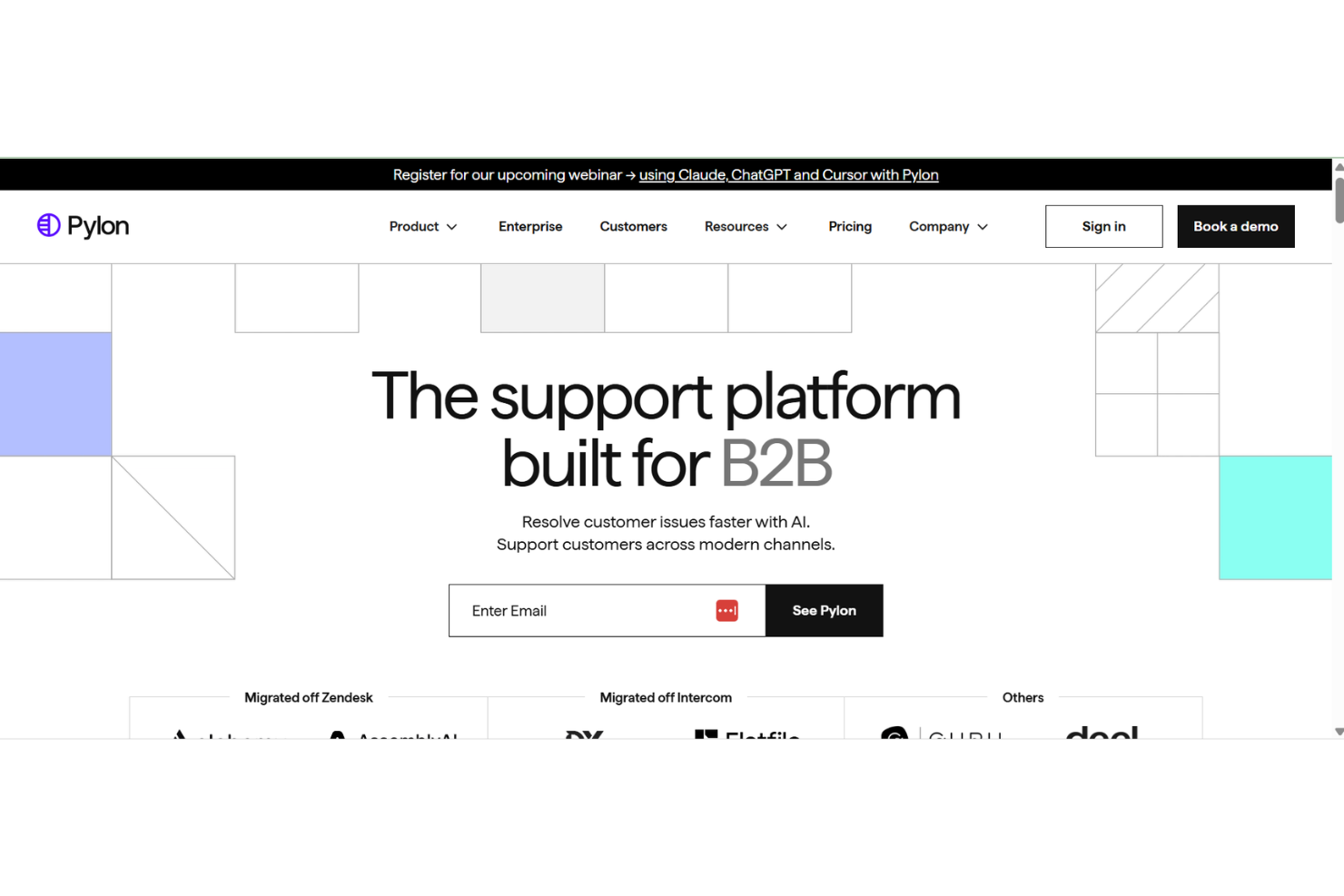
Pylon is a customer service software built for B2B teams that support customers through Slack Connect, Microsoft Teams, and other shared messaging channels. If your customers expect to reach you in Slack rather than through a support portal, Pylon handles that natively in a way that Zendesk doesn't, for example. I'd recommend it if you're managing account-level conversations at scale and want ticketing, visibility, and routing without pulling customers out of the channels they already use.
Pylon Evaluation Summary
- From $59/seat/month (billed annually)
- Free demo available
Perché fidarsi dei nostri consigli sui software
Il nostro team testa e recensisce software dal 2012. In quanto leader CX noi stessi, sappiamo quanto sia difficile — e importante — scegliere il software giusto.
Per questa guida, abbiamo valutato gli strumenti attraverso test pratici e ricerche indipendenti, assegnando un punteggio agli strumenti in base ai nostri criteri di selezione.
Le nostre recensioni riflettono il nostro giudizio editoriale umano, non un discorso di vendita.
Pylon Overview
When comparing Pylon against other customer service software, its AI-powered knowledge base and Slack integration set it apart for fast-moving, tech-forward teams. The intuitive interface and quick onboarding make it easy to adopt, while transparent pricing appeals to growing businesses. However, those needing advanced ticketing functionality or deep customization may find it less flexible than some alternatives. In my opinion, Pylon is best for teams prioritizing rapid knowledge sharing and internal support, especially in SaaS or remote-first environments where speed and collaboration matter most.
pros
-
AI agents automate repetitive support tasks for teams.
-
Omnichannel support covers Slack, Teams, email, and chat.
-
Knowledge management surfaces gaps and drafts articles automatically.
cons
-
Limited advanced ticketing features for complex workflows.
-
Reporting customization options are less extensive than peers.
-
Some users report occasional AI response inaccuracies.
-

SupportYourApp
Visit WebsiteThis rating combines scores from multiple user review sites to reflect overall customer sentiment about the product.4.7 -
Freshdesk
Visit WebsiteThis rating combines scores from multiple user review sites to reflect overall customer sentiment about the product.4.4 -
Hiver
Visit WebsiteThis rating combines scores from multiple user review sites to reflect overall customer sentiment about the product.4.7





Come Testiamo e Valutiamo gli Strumenti
Abbiamo passato anni a costruire, perfezionare e migliorare il nostro sistema di valutazione e testing dei software. Il nostro schema è progettato per cogliere tutte le sfumature nella selezione del software e per valutare ciò che rende uno strumento efficace, concentrandosi sugli aspetti critici nel processo decisionale. Qui sotto puoi vedere esattamente come funziona il nostro processo di testing e valutazione su sette criteri. Ci permette di offrire una valutazione imparziale del software basata su funzionalità principali, caratteristiche distintive, facilità d’uso, onboarding, supporto clienti, integrazioni, recensioni clienti e rapporto qualità/prezzo.
Funzionalità Principali (25% del punteggio finale)
Il punto di partenza della nostra valutazione sono sempre le funzionalità fondamentali dello strumento. Possiede le funzioni di base che un utente si aspetta? Alcune di queste funzionalità sono disponibili solo con piani più costosi? In sostanza, ci aspettiamo che uno strumento sia competitivo rispetto ai suoi concorrenti principali.
Caratteristiche Distintive (25% del punteggio finale)
Successivamente, valutiamo le funzionalità particolari e distintive che vanno oltre le funzionalità standard solitamente presenti in strumenti simili. Un punteggio elevato riflette funzionalità specializzate o uniche che rendono il prodotto più veloce, efficiente o che offrono valore aggiunto all’utente. Valutiamo anche quanto sia facile integrare lo strumento con altri strumenti tipicamente presenti nel tech stack, per ampliare le funzionalità e l’utilità del software. Ottengono il punteggio migliore gli strumenti che offrono numerose integrazioni native, connessioni di terze parti e accesso API per creare integrazioni personalizzate.
Facilità d’Uso (10% del punteggio finale)
Consideriamo quanto sia rapido e intuitivo eseguire le attività core usando lo strumento. Un software con un alto punteggio è ben progettato, intuitivo all’uso, offre app mobili, mette a disposizione modelli e semplifica attività relativamente complesse.
Onboarding (10% del punteggio finale)
Sappiamo quanto sia importante l’adozione rapida da parte del team per una nuova piattaforma, quindi valutiamo la facilità di apprendimento e utilizzo dello strumento con una formazione minima. Valutiamo quanto velocemente un membro del team può iniziare a usare lo strumento senza esperienza. Le soluzioni con punteggio elevato richiedono poco o nessun supporto.
Supporto Clienti (10% del punteggio finale)
Valutiamo quanto sia semplice ricevere assistenza via telefono, chat dal vivo o knowledge base. Gli strumenti e le aziende che offrono supporto in tempo reale ottengono il punteggio migliore, mentre i chatbot hanno il punteggio più basso.
Recensioni Clienti (10% del punteggio finale)
Oltre alla nostra valutazione interna, prendiamo in considerazione il net promoter score dei clienti attuali e passati. Analizziamo la probabilità che, potendo scegliere, selezionino di nuovo lo strumento per le sue funzionalità core. Un software con punteggio elevato riflette un alto net promoter score dai clienti attuali o passati.
Rapporto Qualità/Prezzo (10% del punteggio finale)
Infine, tenendo conto di tutti gli altri criteri, analizziamo il prezzo medio dei piani entry level rispetto alle funzionalità principali e consideriamo il valore delle altre metriche di valutazione. Il software che offre di più, a meno, otterrà un punteggio maggiore.
Core Features
AI Knowledge Base: Automatically generates and updates help articles from team conversations, making knowledge easy to find and share.
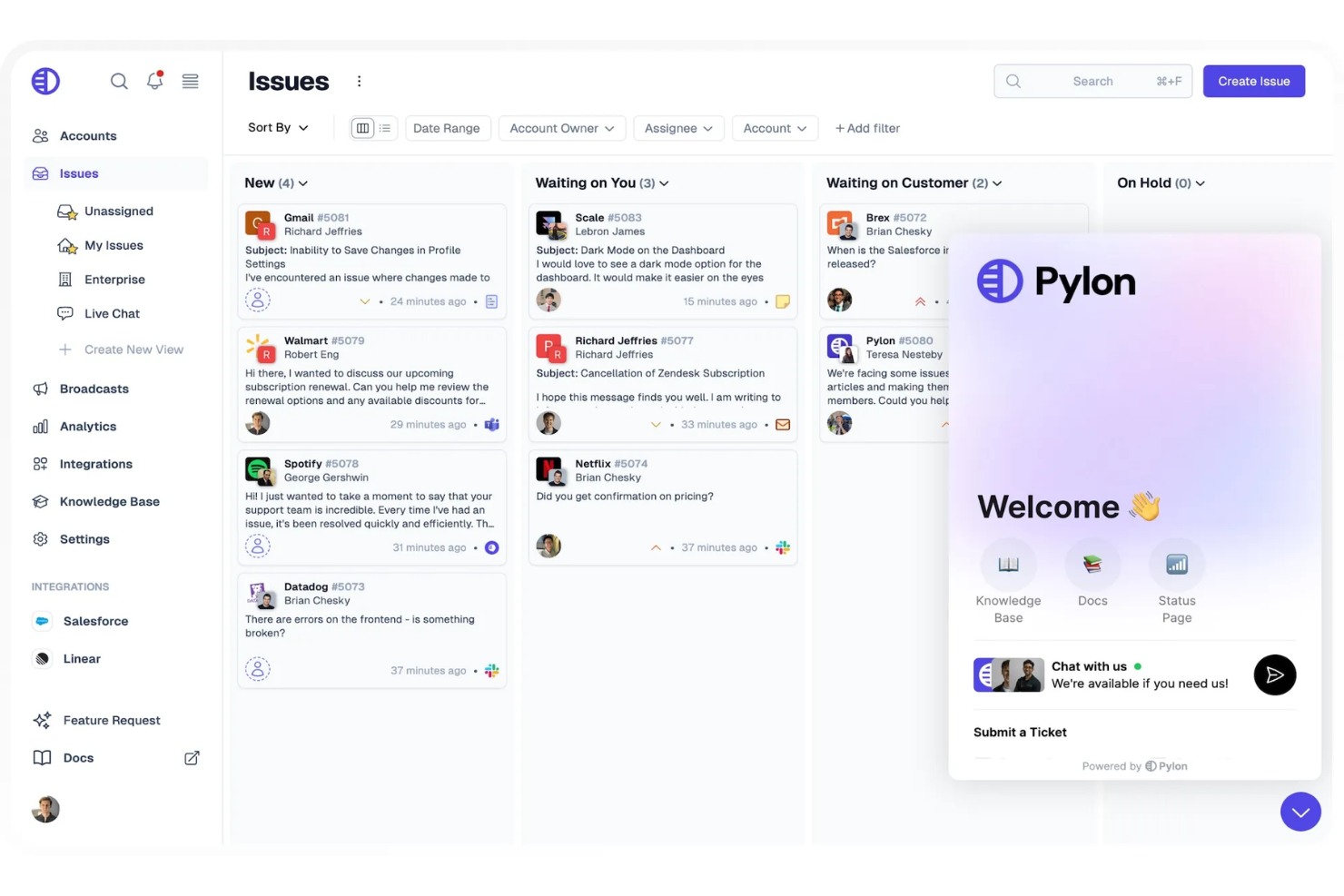
Omnichannel Support Inbox: Centralizes requests from Slack, Teams, email, and chat into one unified queue for faster triage and response.
AI-Powered Ticket Routing: Uses AI to categorize and assign tickets based on content, reducing manual sorting and speeding up resolution.
Knowledge Gap Detection: Surfaces missing or outdated information by analyzing support interactions, helping teams proactively fill documentation gaps.
Automated Response Suggestions: Drafts AI-generated replies for agents to review and send, saving time on repetitive questions.
Self-Service Widget: Lets users search and access help articles directly within Slack or Teams, reducing the need for direct agent intervention.
Ease of Use
Pylon is widely praised for its clean interface and intuitive workflows, making it easy for new agents to get started with minimal training. The Slack and Teams integrations allow users to manage support tasks without leaving their primary workspace. AI-driven features like automated ticket routing and article drafting further reduce manual effort. Compared to many customer service platforms, Pylon’s setup and daily use feel straightforward and accessible, especially for tech-savvy teams.
Integrations
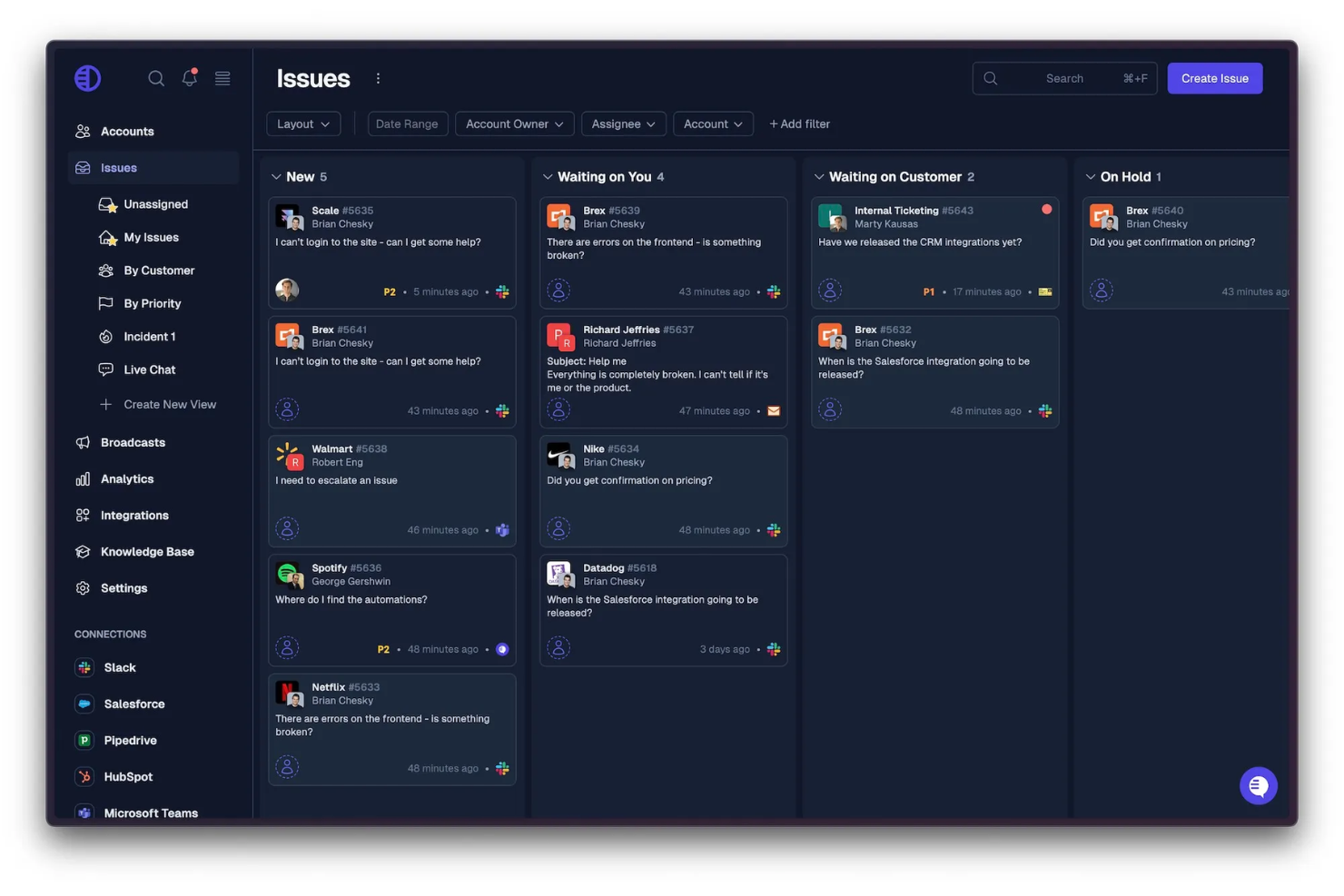
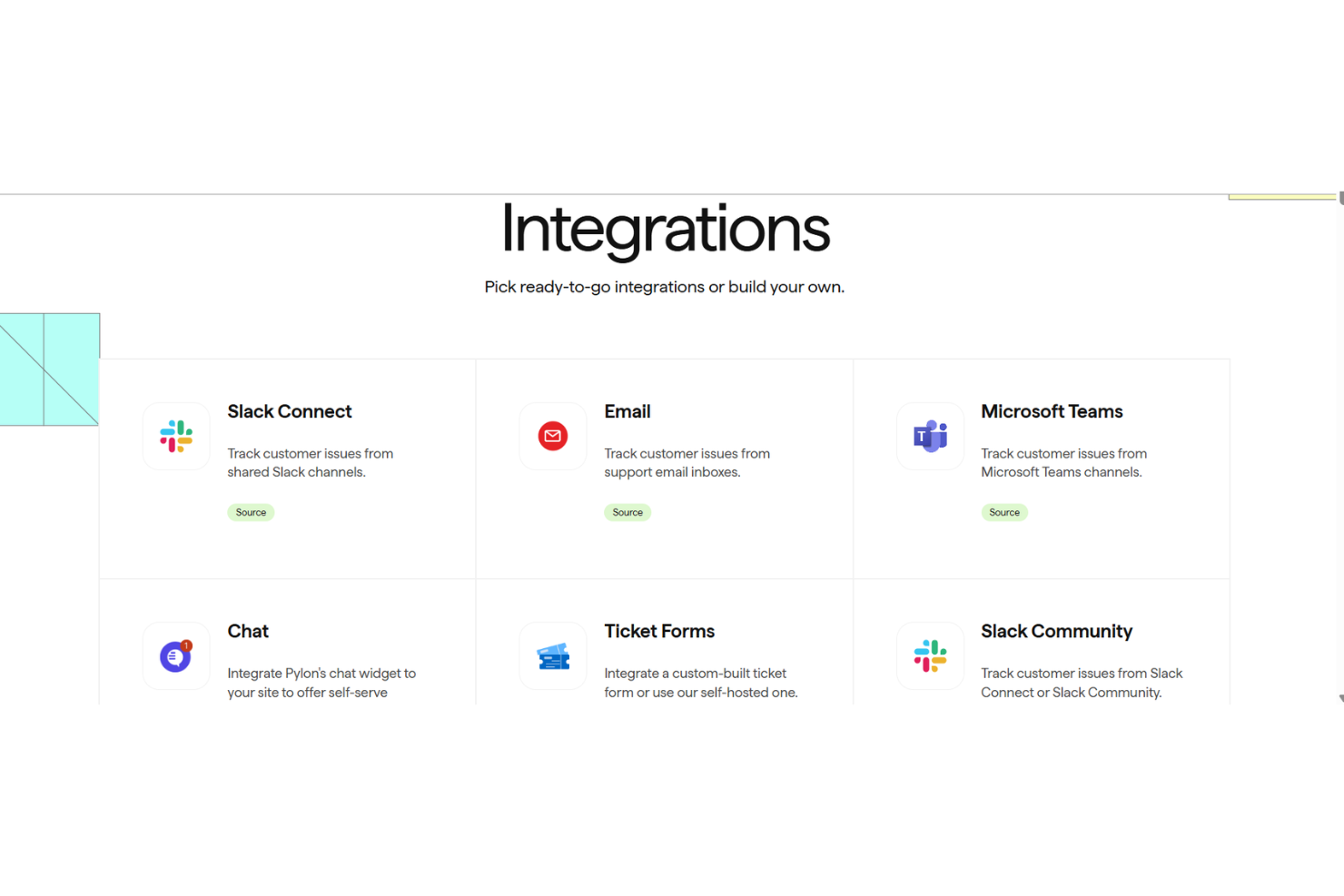
Pylon integrates with Slack, Microsoft Teams, Google Workspace, Jira, Zendesk, GitHub, Gmail, Outlook, Okta, and HubSpot, among others.
Pylon also offers an API for custom integrations and connects with third-party integration tools.
Pylon Specs
- Analytics
- API
- Batch Permissions & Access
- Call Integration
- Chat
- Contact Management
- Contact Sharing
- CRM Integration
- Customer Management
- Customer Service
- Dashboard
- Data Export
- Data Import
- Data Visualization
- Email Integration
- Escalation Management
- External Integrations
- Instant Chat Integration
- Knowledge Base
- Lead Management
- Lead Scoring
- Multi-User
- Notifications
- Real-time Alerts
- Scheduling
- Self-service Portal
- Social Media Integration
- Support Forum
- Third-Party Plugins/Add-Ons
- Ticket Management
- Workflow Management


