

Anmeldelse af Gravity Forms: Fordele, ulemper, funktioner og priser
Gravity Forms tilbyder uovertruffen fleksibilitet og brugervenlighed, hvilket gør det til et oplagt valg for teams, der søger et pålideligt værktøj til dataindsamling.

We review tools independently, and commissions help fund our testing. See our transparency policy, our methodology, or suggest a tool.
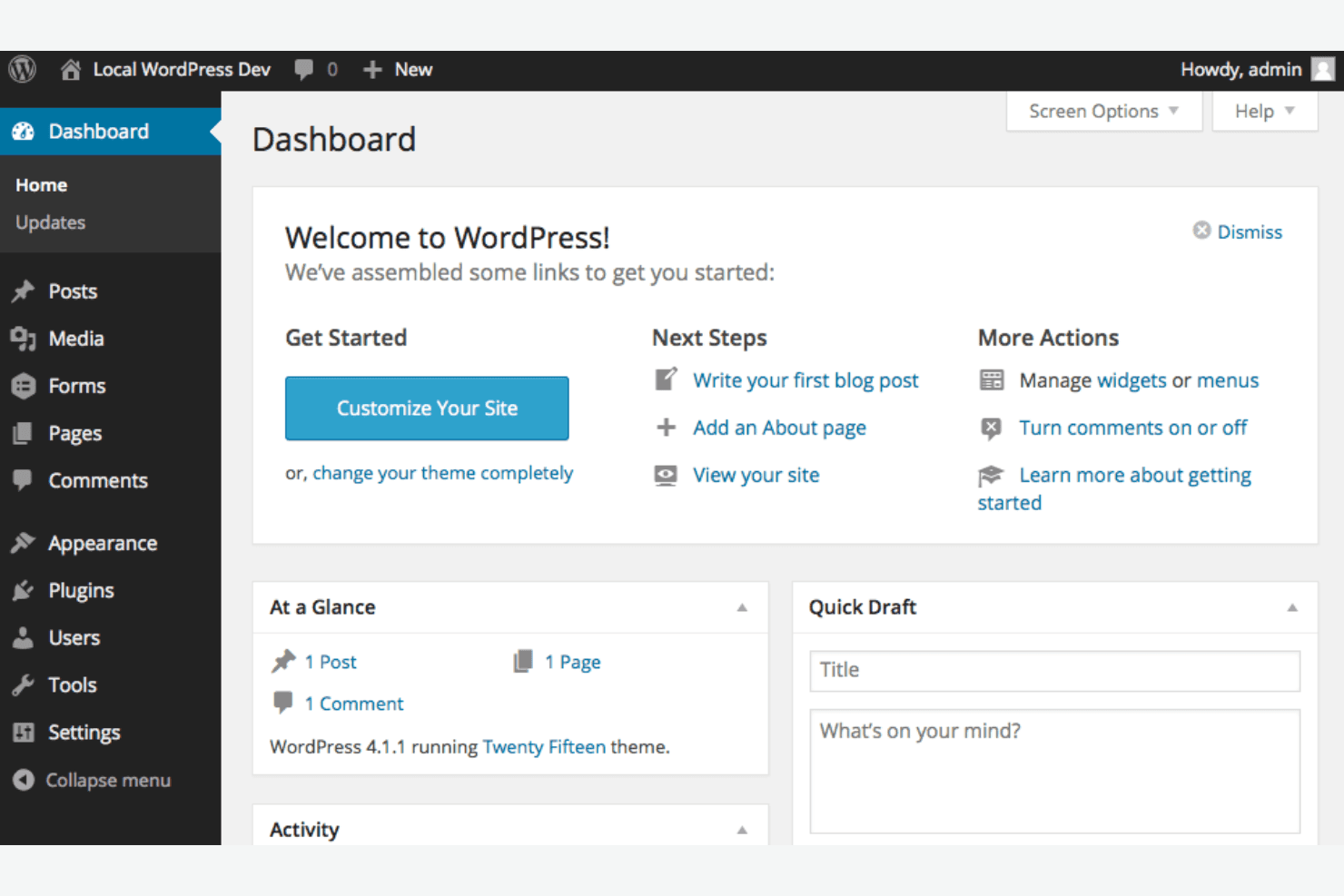
Gravity Forms is a WordPress form builder plugin for teams that need to build complex, logic-driven forms natively inside their WordPress site. I'd consider it over something like Typeform if you need deeper WordPress integration, conditional logic across multi-page flows, and tighter control over how form data connects to your existing tools and database—without routing everything through a third-party platform.
Gravity Forms Evaluation Summary
4.6/5
- From $59/year
- Free demo available
Why Trust Our Software Recommendations
6,700+
Reviews
20
Industry experts
16+
Evaluation factors
14
Years
Our team has been testing and reviewing software since 2012. As CX leaders ourselves, we know how difficult—and important—it is to choose the right software.
For this guide, we evaluated tools using hands-on testing and independent research, scoring tools using our selection criteria.
Our reviews reflect our human editorial judgment, not a sales pitch.
 Gui DrusinaCreative Director
 Tim FisherVP of AI
Gravity Forms Overview
In my opinion, Gravity Forms is a strong contender in the Wordpress form plugin space, offering solid features and ease of use. It excels in customization and integration, making it ideal for small to medium businesses that need flexible contact form solutions. However, its onboarding process could be smoother. Compared to competitors, it offers good value, especially for teams that rely heavily on WordPress. If you're looking for a tool that balances functionality with cost, Gravity Forms is worth considering.
Pros
- You can easily create complex forms with its intuitive drag-and-drop interface.
- Conditional logic lets your team customize user experiences based on responses.
- It offers reliable performance with minimal downtime.
Cons
- The onboarding process could be more straightforward for new users.
- It requires a WordPress environment, limiting its use for non-WordPress sites.
- Some users find the customer support response times slower than expected.
Is Gravity Forms Right For Your Needs?
Who Would be a Good Fit for Gravity Forms?
Gravity Forms is ideal for small to medium businesses, marketing teams, and WordPress developers who need advanced form-building capabilities. Its intuitive interface and conditional logic make it easy for your team to create custom forms without technical expertise. If your work involves collecting detailed customer feedback or running complex surveys, Gravity Forms can handle it efficiently. Its flexibility and performance allow for reliable data collection, especially if you're already using WordPress as your CMS.
- Small BusinessesGravity Forms offers a cost-effective way for small businesses to manage customer data collection with a simple contact form, without needing extensive IT support.
- Marketing and Sales TeamsYou can create custom forms for lead generation and customer feedback, enhancing your email marketing campaigns' effectiveness.
- WordPress DevelopersGravity Forms integrates effortlessly with WordPress, making it a go-to choice for developers needing flexible form solutions.
- Educational InstitutionsSchools and universities can use it to gather student information and feedback efficiently with its customizable form options.
- Event PlannersEvent planners can easily manage different types of forms, such as registrations and RSVPs, with its user-friendly interface and conditional logic.
- NonprofitsNonprofits benefit from its ability to collect donations and volunteer sign-ups through secure and customizable forms.
Who Would be a Bad Fit for Gravity Forms?
Gravity Forms isn't always the best form builder for large enterprises or non-WordPress users who need extensive form data analytics and reporting. Its reliance on the WordPress ecosystem limits its use for businesses using other platforms. If your team requires in-depth data analysis or advanced CRM integration, Gravity Forms might not meet your expectations. Enterprises looking for all-in-one solutions with robust analytics features might find it lacking in comprehensive data management capabilities.
- Large EnterprisesThe need for advanced analytics and reporting tools makes Gravity Forms insufficient for large-scale data operations.
- Non-WordPress UsersIf your team doesn't use WordPress, the requirement for a WordPress environment makes Gravity Forms impractical.
- Data AnalystsGravity Forms lacks the advanced data analytics features needed for in-depth data analysis and reporting.
- E-commerce GiantsLarge e-commerce platforms requiring advanced CRM integrations and third-party add-ons may find Gravity Forms lacking.
- Financial InstitutionsThe need for high-level security and complex field types might not be fully supported by Gravity Forms.
- Healthcare ProvidersHealthcare providers needing HIPAA compliance and advanced data security should look for more specialized solutions.
How We Test & Score Tools
We’ve spent years building, refining, and improving our software testing and scoring system. The rubric is designed to capture the nuances of software selection and what makes a tool effective, focusing on critical aspects of the decision-making process.
Below, you can see exactly how our testing and scoring works across seven criteria. It allows us to provide an unbiased evaluation of the software based on core functionality, standout features, ease of use, onboarding, customer support, integrations, customer reviews, and value for money.
Core Functionality (25% of final scoring)
The starting point of our evaluation is always the core functionality of the tool. Does it have the basic features and functions that a user would expect to see? Are any of those core features locked to higher-tiered pricing plans? At its core, we expect a tool to stand up against the baseline capabilities of its competitors.
Standout Features (25% of final scoring)
Next, we evaluate uncommon standout features that go above and beyond the core functionality typically found in tools of its kind. A high score reflects specialized or unique features that make the product faster, more efficient, or offer additional value to the user.
We also evaluate how easy it is to integrate with other tools typically found in the tech stack to expand the functionality and utility of the software. Tools offering plentiful native integrations, 3rd party connections, and API access to build custom integrations score best.
Ease of Use (10% of final scoring)
We consider how quick and easy it is to execute the tasks defined in the core functionality using the tool. High scoring software is well designed, intuitive to use, offers mobile apps, provides templates, and makes relatively complex tasks seem simple.
Onboarding (10% of final scoring)
We know how important rapid team adoption is for a new platform, so we evaluate how easy it is to learn and use a tool with minimal training. We evaluate how quickly a team member can get set up and start using the tool with no experience. High scoring solutions indicate little or no support is required.
Customer Support (10% of final scoring)
We review how quick and easy it is to get unstuck and find help by phone, live chat, or knowledge base. Tools and companies that provide real-time support score best, while chatbots score worst.
Customer Reviews (10% of final scoring)
Beyond our own testing and evaluation, we consider the net promoter score from current and past customers. We review their likelihood, given the option, to choose the tool again for the core functionality. A high scoring software reflects a high net promoter score from current or past customers.
Value for Money (10% of final scoring)
Lastly, in consideration of all the other criteria, we review the average price of entry level plans against the core features and consider the value of the other evaluation criteria. Software that delivers more, for less, will score higher.
Core Features
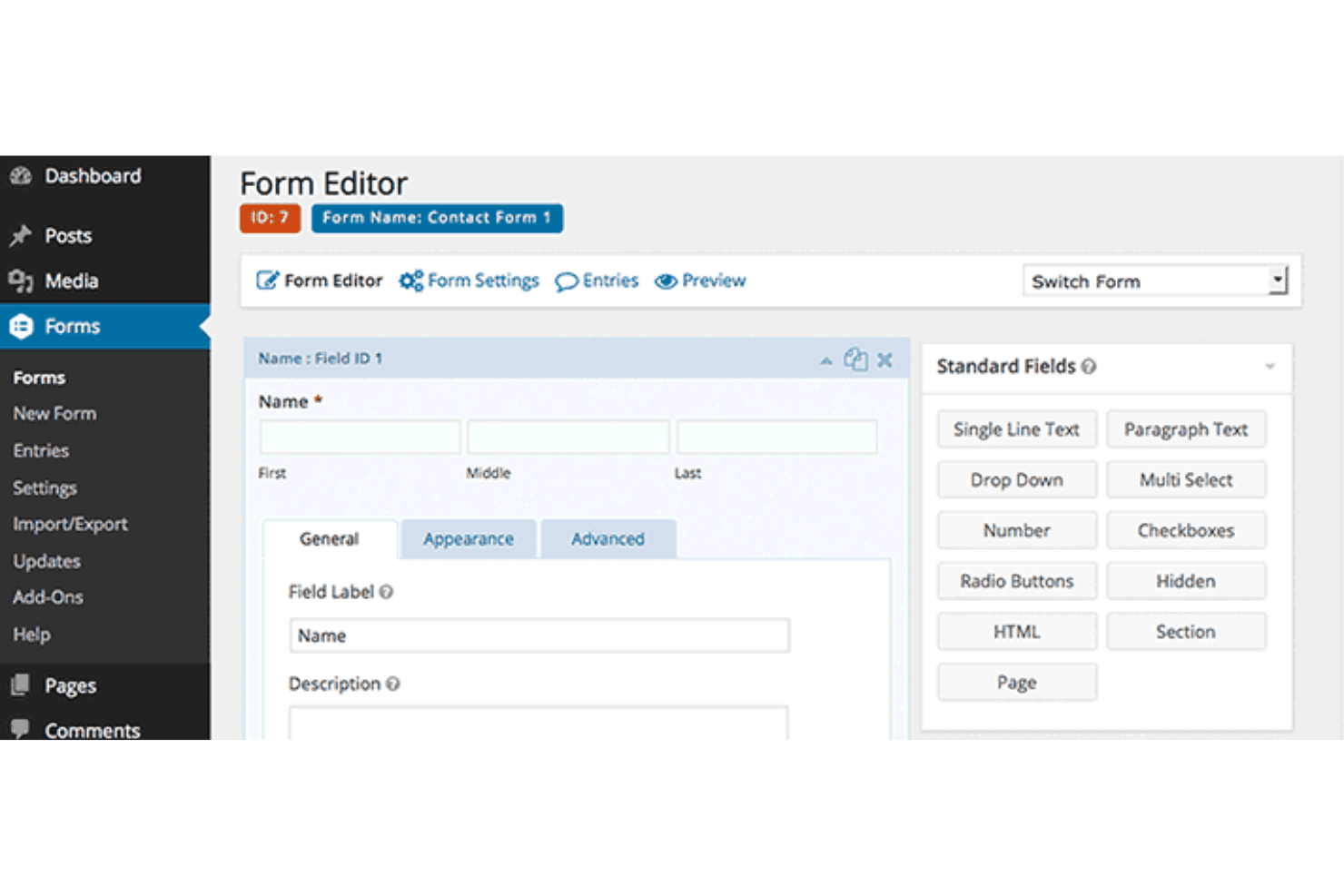
Drag-and-Drop Builder: You can easily create custom forms with its straightforward drag-and-drop interface. This feature lets your team build complex forms without coding skills.
Conditional Logic: Customize user experiences by showing or hiding form fields based on user responses. This allows you to deliver a customized experience for each form submission.
Form Templates: Choose from a variety of pre-designed templates and form fields to jumpstart your form creation. This saves your team time and helps maintain consistency across projects.
Multi-Page Forms: Break long forms into multiple pages to improve user engagement. This feature makes it easier for users to complete detailed forms.
File Uploads: Allow users to upload files directly through your forms. It's handy for collecting documents, images, or other necessary files.
Email Notifications: Set up automatic email notifications to alert your team of new form submissions. This keeps everyone informed and responsive to new data.
Ease of Use
Gravity Forms is incredibly user-friendly, making it easy for your team to create forms without technical expertise. The intuitive drag-and-drop builder allows you to customize forms quickly, while features like conditional logic and templates enhance usability. Compared to other platforms, it stands out for its simplicity and efficiency, allowing even beginners to start building forms with minimal training. Your team will appreciate the straightforward interface that facilitates quick form creation and management.
Integrations
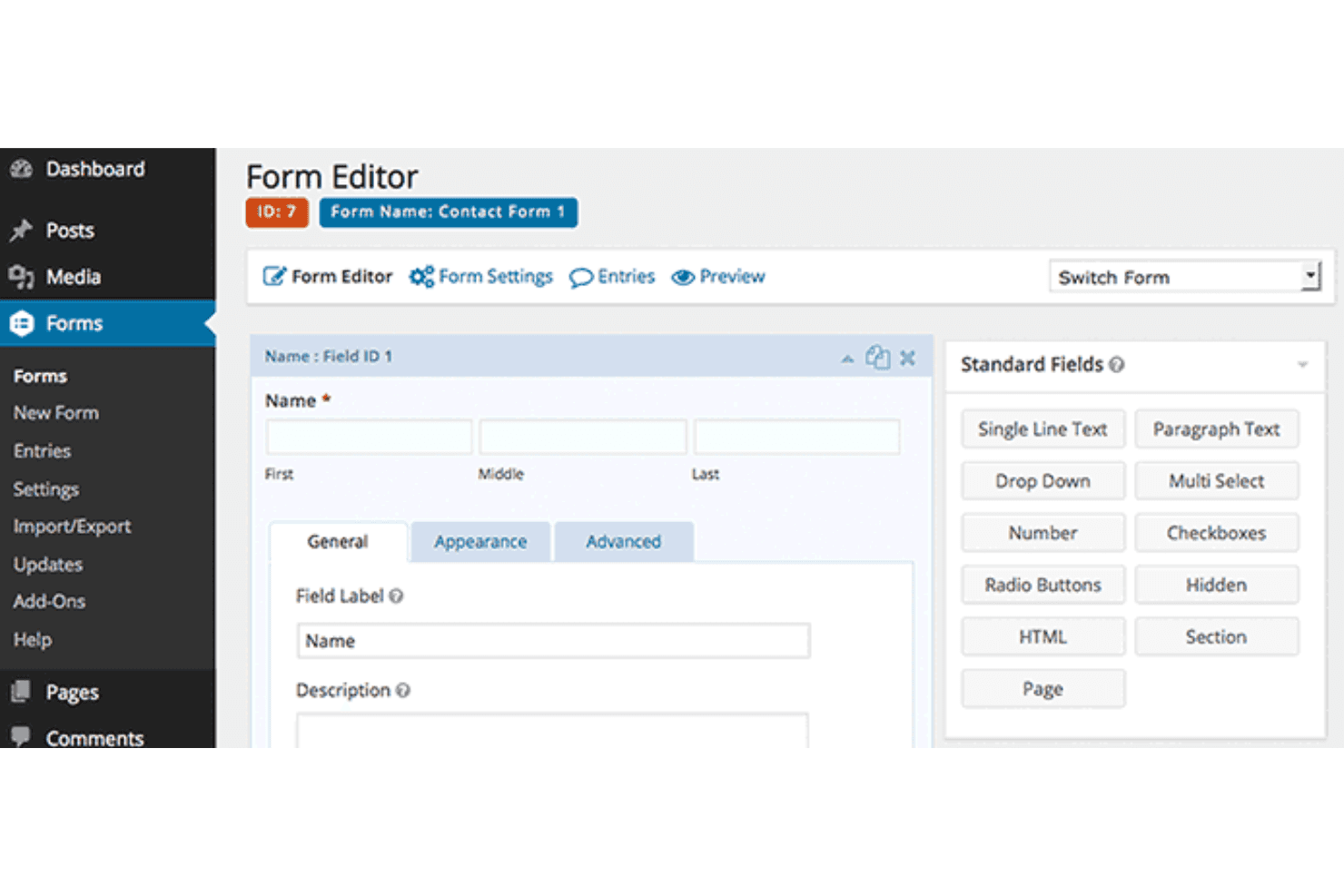
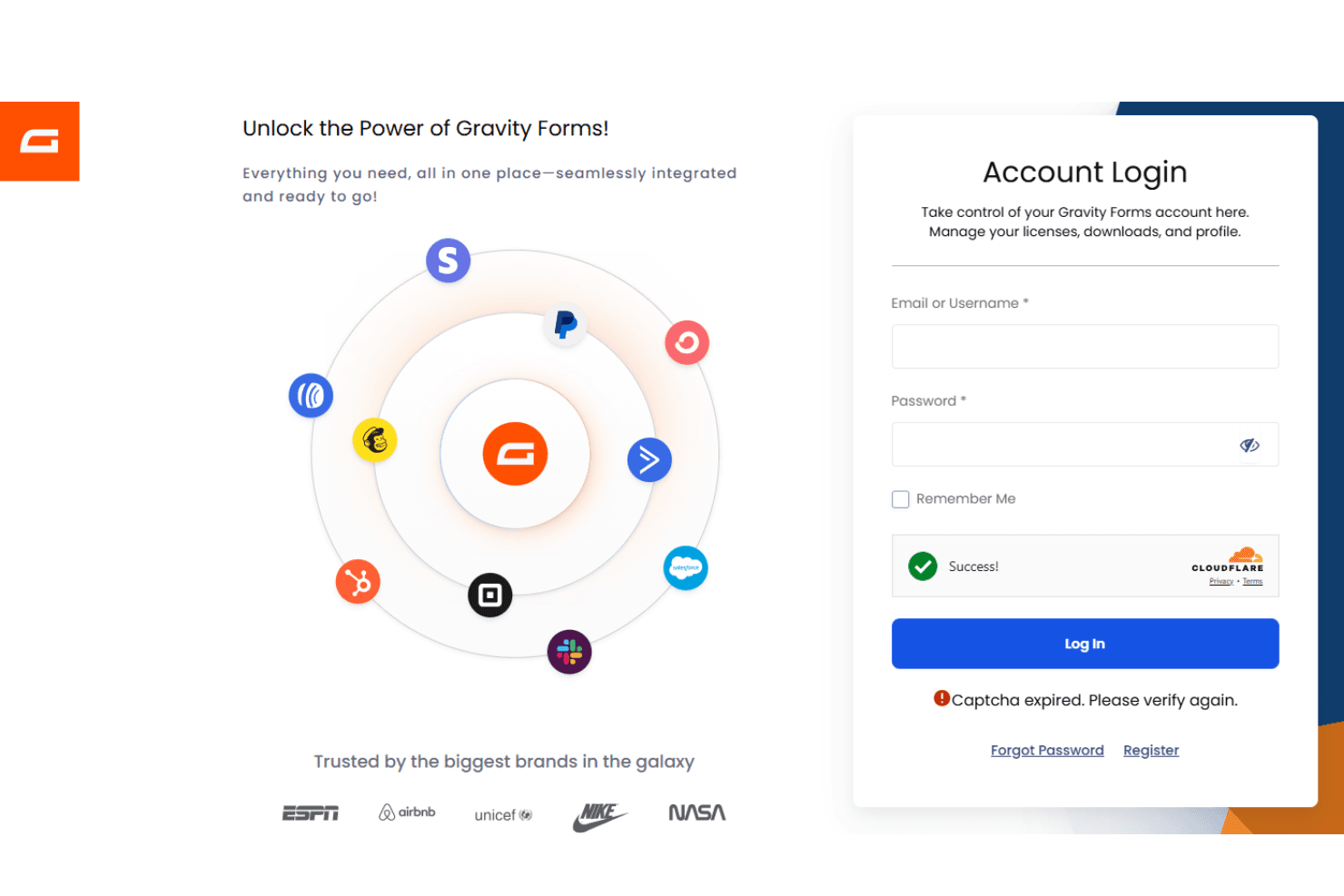
Gravity Forms integrates with ActiveCampaign, Agile CRM, Akismet, Hubspot, PayPal, Zapier, WooCommerce, and Stripe.
Gravity Forms also has an API and connects with third-party integration tools.
Gravity Forms Specs
- API: Yes
- Data Export: Yes
- Data Import: Yes
- External Integrations: Yes
- Multi-User: Yes
- Notifications: Yes


