

Recensione di SurveyMonkey: pro, contro, funzionalità e prezzi
SurveyMonkey eccelle grazie alla sua interfaccia intuitiva e alle versatili funzionalità per la creazione di sondaggi, che lo rendono ideale per la raccolta rapida dei dati.

Recensiamo gli strumenti in modo indipendente e le commissioni aiutano a finanziare i nostri test. Consulta la nostra politica di trasparenza, la nostra metodologia o suggerisci uno strumento.
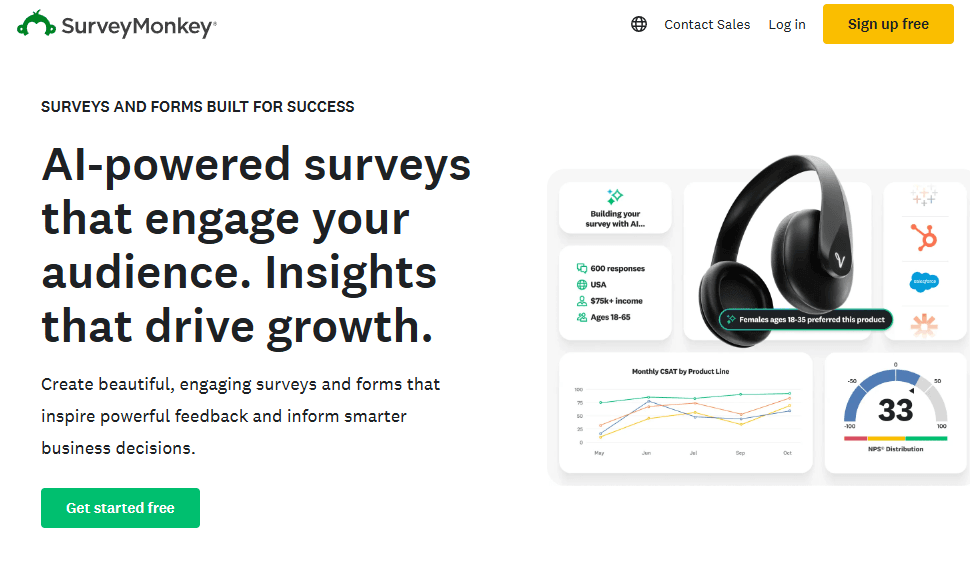
SurveyMonkey is a survey app for teams that need to collect structured feedback from customers, employees, or research audiences. I'd recommend it if you need branching logic, built-in templates, and response analysis that Google Forms simply doesn't offer, without the complexity of a full enterprise research platform.
SurveyMonkey Evaluation Summary
4.6/5
- From $30/user/month (billed annually)
- Free plan available
Perché fidarsi dei nostri consigli sui software
6,700+
Reviews
20
Industry experts
16+
Evaluation factors
14
Years
Il nostro team testa e recensisce software dal 2012. In quanto leader CX noi stessi, sappiamo quanto sia difficile — e importante — scegliere il software giusto.
Per questa guida, abbiamo valutato gli strumenti attraverso test pratici e ricerche indipendenti, assegnando un punteggio agli strumenti in base ai nostri criteri di selezione.
Le nostre recensioni riflettono il nostro giudizio editoriale umano, non un discorso di vendita.
 Gui DrusinaCreative Director
 Tim FisherVP of AI
SurveyMonkey Overview
In my opinion, SurveyMonkey is a solid choice for teams looking for straightforward survey tool capabilities. Its ease of use and robust core functionality make it ideal for small businesses and educational institutions seeking actionable insights from survey responses. The platform offers automation features, data visualization tools, and reporting tools that help teams streamline their feedback collection workflows. However, it may lack some advanced features found in more complex platforms like Google Forms.
It is best suited to environments prioritizing simplicity and quick deployment over intricate in-depth data analysis. While its customer support isn't top-tier, its value for money and user-friendly interface make it a worthwhile consideration for many. Integration with CRM platforms, social media, and tools like Zapier enhances its functionality. If your team needs a user-friendly solution for survey design, distribution, and data collection without the steep learning curve, SurveyMonkey is a contender worth judging against its competitors.
Pros
- Easy to use, even for beginners.
- Customizable templates for survey design and question types.
- Data collection in real-time.
Cons
- Lacks advanced features for in-depth data analysis and data visualization.
- Customer support may not meet all your expectations.
- Basic reporting tools compared to competitors.
Is SurveyMonkey Right For Your Needs?
Who Would be a Good Fit for SurveyMonkey?
SurveyMonkey suits small businesses, educational institutions, and marketing teams that need straightforward survey tool capabilities for market research and customer satisfaction measurement. It works well for those who value ease of use and quick feedback collection through real-time analysis. If your team wants to create and distribute surveys without a steep learning curve, SurveyMonkey's user-friendly interface and customizable templates make it a great option for survey creation. The platform includes automation features, various question types, and workflows that help streamline the process. Its simplicity, combined with integrations to CRM systems, social media platforms, and tools like Zapier, helps you gather actionable insights efficiently, particularly when intricate in-depth data analysis isn't a priority.
- Small BusinessesSurveyMonkey's simple setup and quick deployment help your team gather customer feedback easily. The basic plan provides essential market research features and customer satisfaction tracking, while paid plans offer advanced features like automation and enhanced reporting tools.
- Educational InstitutionsIt allows you to conduct surveys for student feedback with minimal hassle. The platform's templates and question types simplify survey design, and in-depth reporting tools available in paid plans help analyze survey results.
- Marketing TeamsYour team can use SurveyMonkey to quickly gauge customer satisfaction and preferences through real-time feedback. Integration with CRM platforms, social media, and Google Drive helps streamline workflows and generate actionable insights.
- Human ResourcesSurveyMonkey helps you collect employee feedback efficiently. Automation features and notifications keep HR teams informed of survey responses in real-time, supporting better employee engagement methodologies.
- NonprofitsIt's ideal for nonprofit organizations gathering donor and volunteer feedback with its accessible tools. SurveyMonkey offers special discounts for nonprofit entities, making paid plans more affordable.
- Event PlannersYour team can use SurveyMonkey to gather attendee feedback seamlessly through quizzes and surveys. The user experience is optimized for quick survey design and data collection via social media and email.
Who Would be a Bad Fit for SurveyMonkey?
SurveyMonkey isn't ideal for large enterprises or data-driven teams needing advanced features and in-depth analytics. Its basic reporting tools and lack of complex data integration compared to platforms like Google Forms can limit your team's capabilities. If your work involves intricate data transformation and manipulation or requires extensive customer insights through in-depth analysis, SurveyMonkey's simplicity might not meet your requirements. Teams relying on comprehensive data visualization, advanced methodologies, and detailed reporting tools might find its offerings insufficient for their organization’s objectives.
- Data-Driven EnterprisesYour team might find its basic analytics and reporting tools limiting for complex data needs, requiring in-depth analysis and data visualization.
- Financial ServicesSurveyMonkey lacks the advanced security features and detailed reporting tools required in the finance industry for comprehensive data analysis.
- Healthcare OrganizationsIts limited compliance features for the healthcare sector might not meet your regulatory requirements, though paid plans offer some healthcare-specific functionality.
- Large CorporationsSurveyMonkey's simplicity might not scale well with your extensive data requirements, complex workflows, and need for enterprise plan features.
- Research InstitutionsYour work could suffer from its lack of advanced data analysis tools, in-depth statistical methodologies, and sophisticated data visualization.
- Tech StartupsIf your team needs cutting-edge data integrations, automation, and advanced features, SurveyMonkey may fall short compared to specialized market research platforms.
Come Testiamo e Valutiamo gli Strumenti
Abbiamo passato anni a costruire, perfezionare e migliorare il nostro sistema di valutazione e testing dei software. Il nostro schema è progettato per cogliere tutte le sfumature nella selezione del software e per valutare ciò che rende uno strumento efficace, concentrandosi sugli aspetti critici nel processo decisionale. Qui sotto puoi vedere esattamente come funziona il nostro processo di testing e valutazione su sette criteri. Ci permette di offrire una valutazione imparziale del software basata su funzionalità principali, caratteristiche distintive, facilità d’uso, onboarding, supporto clienti, integrazioni, recensioni clienti e rapporto qualità/prezzo.
Funzionalità Principali (25% del punteggio finale)
Il punto di partenza della nostra valutazione sono sempre le funzionalità fondamentali dello strumento. Possiede le funzioni di base che un utente si aspetta? Alcune di queste funzionalità sono disponibili solo con piani più costosi? In sostanza, ci aspettiamo che uno strumento sia competitivo rispetto ai suoi concorrenti principali.
Caratteristiche Distintive (25% del punteggio finale)
Successivamente, valutiamo le funzionalità particolari e distintive che vanno oltre le funzionalità standard solitamente presenti in strumenti simili. Un punteggio elevato riflette funzionalità specializzate o uniche che rendono il prodotto più veloce, efficiente o che offrono valore aggiunto all’utente. Valutiamo anche quanto sia facile integrare lo strumento con altri strumenti tipicamente presenti nel tech stack, per ampliare le funzionalità e l’utilità del software. Ottengono il punteggio migliore gli strumenti che offrono numerose integrazioni native, connessioni di terze parti e accesso API per creare integrazioni personalizzate.
Facilità d’Uso (10% del punteggio finale)
Consideriamo quanto sia rapido e intuitivo eseguire le attività core usando lo strumento. Un software con un alto punteggio è ben progettato, intuitivo all’uso, offre app mobili, mette a disposizione modelli e semplifica attività relativamente complesse.
Onboarding (10% del punteggio finale)
Sappiamo quanto sia importante l’adozione rapida da parte del team per una nuova piattaforma, quindi valutiamo la facilità di apprendimento e utilizzo dello strumento con una formazione minima. Valutiamo quanto velocemente un membro del team può iniziare a usare lo strumento senza esperienza. Le soluzioni con punteggio elevato richiedono poco o nessun supporto.
Supporto Clienti (10% del punteggio finale)
Valutiamo quanto sia semplice ricevere assistenza via telefono, chat dal vivo o knowledge base. Gli strumenti e le aziende che offrono supporto in tempo reale ottengono il punteggio migliore, mentre i chatbot hanno il punteggio più basso.
Recensioni Clienti (10% del punteggio finale)
Oltre alla nostra valutazione interna, prendiamo in considerazione il net promoter score dei clienti attuali e passati. Analizziamo la probabilità che, potendo scegliere, selezionino di nuovo lo strumento per le sue funzionalità core. Un software con punteggio elevato riflette un alto net promoter score dai clienti attuali o passati.
Rapporto Qualità/Prezzo (10% del punteggio finale)
Infine, tenendo conto di tutti gli altri criteri, analizziamo il prezzo medio dei piani entry level rispetto alle funzionalità principali e consideriamo il valore delle altre metriche di valutazione. Il software che offre di più, a meno, otterrà un punteggio maggiore.
Core Features
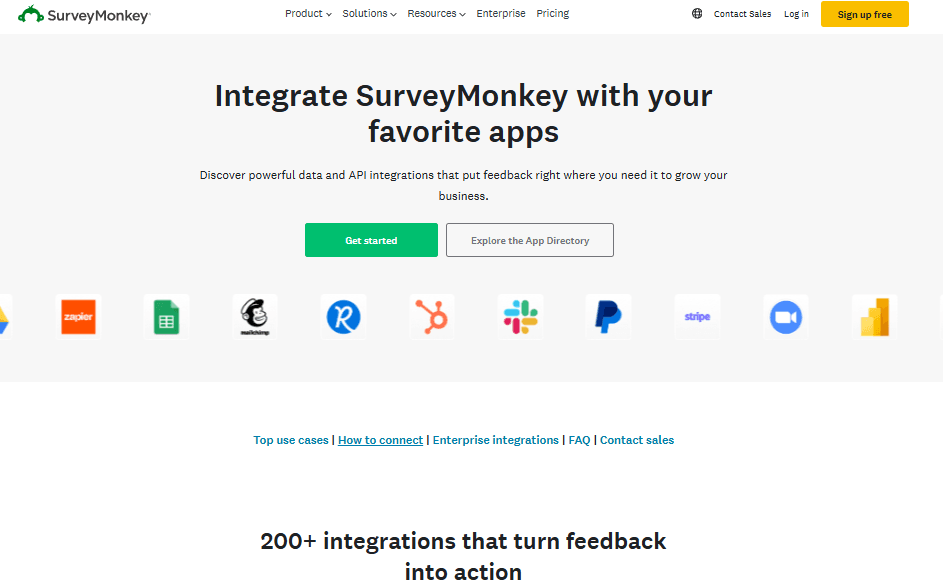
Survey Templates: SurveyMonkey offers a wide range of templates to kickstart your survey creation. Your team can customize these templates with various question types to fit any specific use case for market research or customer satisfaction measurement.
Question Bank: With a vast library of question types and expert-crafted questions, you can quickly build surveys without starting from scratch. It helps you maintain consistency and saves time during survey design, following proven methodologies.
Data Analysis Tools: Basic analytics and reporting tools let you view survey responses and trends at a glance. This feature helps you interpret feedback quickly and generate actionable insights, keeping your team informed with real-time updates. With paid plans, you unlock in-depth data visualization and advanced reporting tools.
Customizable Themes: You can match surveys to your brand with various themes and design options in paid plans. This ensures your survey design looks professional, cohesive, and enhances the user experience for respondents..
Mobile Compatibility: Surveys are optimized for mobile, allowing respondents to complete them on any device. This increases participation rates and accessibility for your audience, improving survey responses.
Real-Time Results: As responses come in, you can see survey results instantly with real-time updates and notifications. This feature keeps your team updated and processes feedback quickly to help generate actionable insights.
Ease of Use
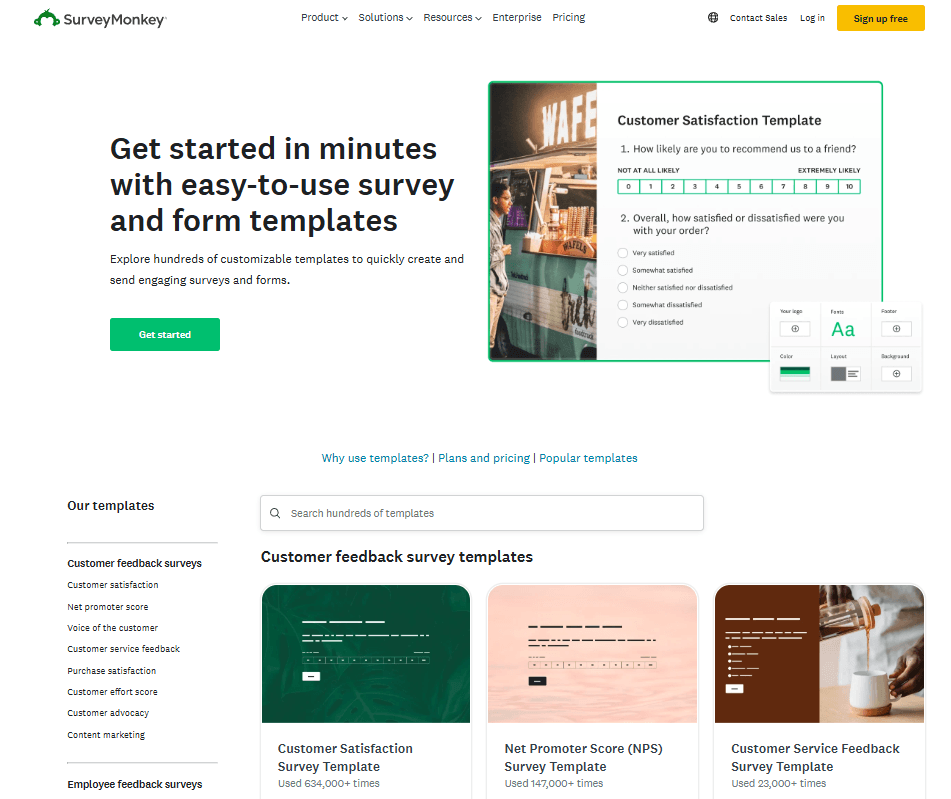
SurveyMonkey stands out for its user-friendly interface, making it easy for your team to create and distribute surveys without a hitch. Its drag-and-drop functionality and pre-made templates help you build surveys quickly, even if you're a beginner who is not tech-savvy. The intuitive dashboard helps you navigate through options effortlessly with clear notifications and guidance, ensuring you spend more time on insights rather than setup. Compared to other platforms like Google Forms, SurveyMonkey's simplicity and straightforward design make it accessible for everyone on your team, with a shallow learning curve. The user experience is optimized for both survey creation and analysis, with real-time previews and reporting tools easily accessible through your SurveyMonkey account.
Integrations
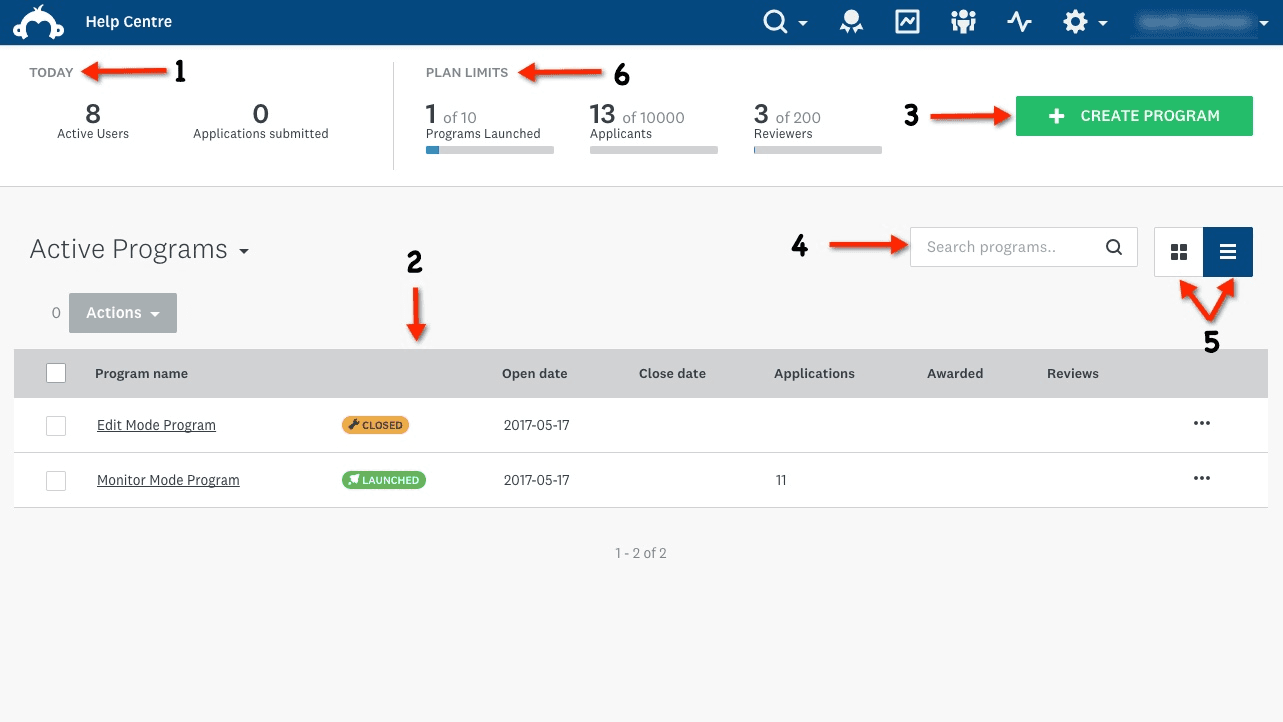
SurveyMonkey integrates with Microsoft Teams, Slack, Google Drive, Salesforce, HubSpot, Mailchimp, Zendesk, Eventbrite, Constant Contact, and Trello. These integrations enable seamless data flow between your SurveyMonkey account and other business tools, supporting automation and workflows.
SurveyMonkey also offers an API and connects with third-party integration tools like Zapier, allowing you to customize and enhance your workflows. The API enables programmatic access for automation of survey creation, data collection, and analysis. Integrations with CRM platforms like Salesforce and HubSpot help streamline customer feedback collection and analysis. In addition, connections to social media platforms and Google services help expand distribution options for respondents.
SurveyMonkey Specs
- Analytics: Yes
- API: Yes
- Batch Permissions & Access: No
- Calendar Management: No
- Contact Management: No
- Custom Reports: No
- Dashboard: Yes
- Data Export: Yes
- Data Import: Yes
- Data Visualization: Yes
- Email Integration: Yes
- External Integrations: Yes
- Feedback Management: No
- Google Apps Integration: Yes
- Marketing Automation: No
- Multi-Source Feedback: No
- Multi-User: Yes
- Net Promoter Score: Yes
- Notifications: Yes
- Online Surveys: No
- Paper Surveys: No
- Scheduling: No
- Sentiment Analysis: No
- Template Designer: Yes
- Workflow Management: No


