

Die 10 besten Formstack-Alternativen für Online-Formulare im Jahr 2026

Formstack-Alternativen – engere Auswahl


Eine gute Formstack-Alternative bietet Ihnen eine flexible Formulargestaltung, zuverlässige Integrationen und Kontrolle über die Datenerfassung – ohne die Einschränkungen, die Sie möglicherweise bei Formstack erlebt haben. Wenn Sie nach einem neuen Formularersteller suchen, benötigen Sie wahrscheinlich bessere Anpassungsmöglichkeiten, eine einfachere Zusammenarbeit oder erschwinglichere Preise. Diese Liste hilft Ihnen dabei, die besten Formstack-Alternativen für 2026 zu vergleichen, damit Sie eine Lösung finden, die zu Ihrem Arbeitsablauf passt, Ihr Team unterstützt und Ihre geschäftlichen Anforderungen erfüllt.
Was ist Formstack?
Formstack ist ein Online-Formularersteller, mit dem Sie digitale Formulare zur Datenerfassung erstellen, anpassen und verwalten können. Teams verwenden Formstack, um Informationen zu sammeln, Arbeitsabläufe zu automatisieren und Formularantworten mit anderen Geschäftstools zu integrieren. Die Plattform unterstützt Funktionen wie bedingte Logik, Datei-Uploads und elektronische Signaturen. Formstack ist bei Organisationen beliebt, die die Dateneingabe vereinfachen, Genehmigungen automatisieren und Formulare mit Anwendungen wie Salesforce, Google Workspace und Microsoft 365 verbinden möchten.
Vergleichstabelle der Formstack-Alternativen
Diese Vergleichstabelle fasst die Preisinformationen für meine wichtigsten Formstack-Alternativen zusammen:
| Tool | Best For | Trial Info | Price | ||
|---|---|---|---|---|---|
| 1 | Am besten für individuelle Optionen zur Markengestaltung geeignet | 7-tägige kostenlose Testversion + kostenloser Tarif verfügbar | Ab $24/Monat (jährliche Abrechnung) | Website | |
| 2 | Am besten für Umfrageanalysen und Berichte | Kostenloser Tarif verfügbar | Ab $30/Nutzer/Monat (jährlich abgerechnet) | Website | |
| 3 | Am besten für die Unterstützung mehrerer Sprachen geeignet | Kostenloser Tarif + kostenlose Demo verfügbar | Ab 18,50 $/Monat (jährlich abgerechnet) | Website | |
| 4 | Ideal für eine schnelle Drag-and-Drop-Einrichtung | Kostenloser Tarif + kostenlose Demo verfügbar | Ab $16.25/Monat (jährliche Abrechnung) | Website | |
| 5 | Optimal für die Verwaltung von Salesforce-Daten | 14-tägige kostenlose Testversion + kostenlose Demo verfügbar | Ab 59 $/Monat | Website | |
| 6 | Am besten für komplexe Anforderungen an die Datenerfassung geeignet | Kostenlose 14-tägige Testversion verfügbar | Ab $21/Monat (jährlich abgerechnet) | Website | |
| 7 | Am besten für die Integration mit Geschäftsanwendungen geeignet | Kostenloser Tarif verfügbar + kostenlose Demo verfügbar | Ab $10/Monat (jährlich abgerechnet) | Website | |
| 8 | Am besten für die Zusammenarbeit mit Google Workspace geeignet | Kostenloser Tarif verfügbar | Kostenloser Tarif verfügbar; ab $7/user/month (jährlich abgerechnet) für Google Workspace | Website | |
| 9 | Am besten für die Integration in Microsoft 365 geeignet | 30-tägige kostenlose Testversion | Ab $9.99/Benutzer/Monat (Microsoft 365 Business Basic oder in Microsoft 365-Plänen enthalten) | Website | |
| 10 | Am besten für Berechnungen innerhalb von Formularen | 14-tägige kostenlose Testversion + kostenloser Tarif verfügbar | Ab $19/Monat | Website |
Warum Sie unseren Software-Empfehlungen vertrauen können
Unser Team testet und bewertet Software seit 2012. Als CX-Führungskräfte selbst wissen wir, wie schwierig – und wichtig – es ist, die richtige Software auszuwählen.
Für diesen Leitfaden haben wir Tools mithilfe von praktischen Tests und unabhängiger Recherche bewertet und dabei unsere Bewertungskriterien angewendet.
Unsere Bewertungen spiegeln unser menschliches redaktionelles Urteilsvermögen wider, keine Verkaufsstrategie.
Bewertungen von Formstack-Alternativen
Nachfolgend finden Sie meine ausführlichen Zusammenfassungen der Formstack-Alternativen, die es in meine engere Auswahl geschafft haben. Meine Bewertungen bieten einen detaillierten Überblick über die Funktionen, Integrationen und besten Einsatzmöglichkeiten jeder Anwendung, damit Sie die für Sie beste Lösung finden.

Am besten für individuelle Optionen zur Markengestaltung geeignet
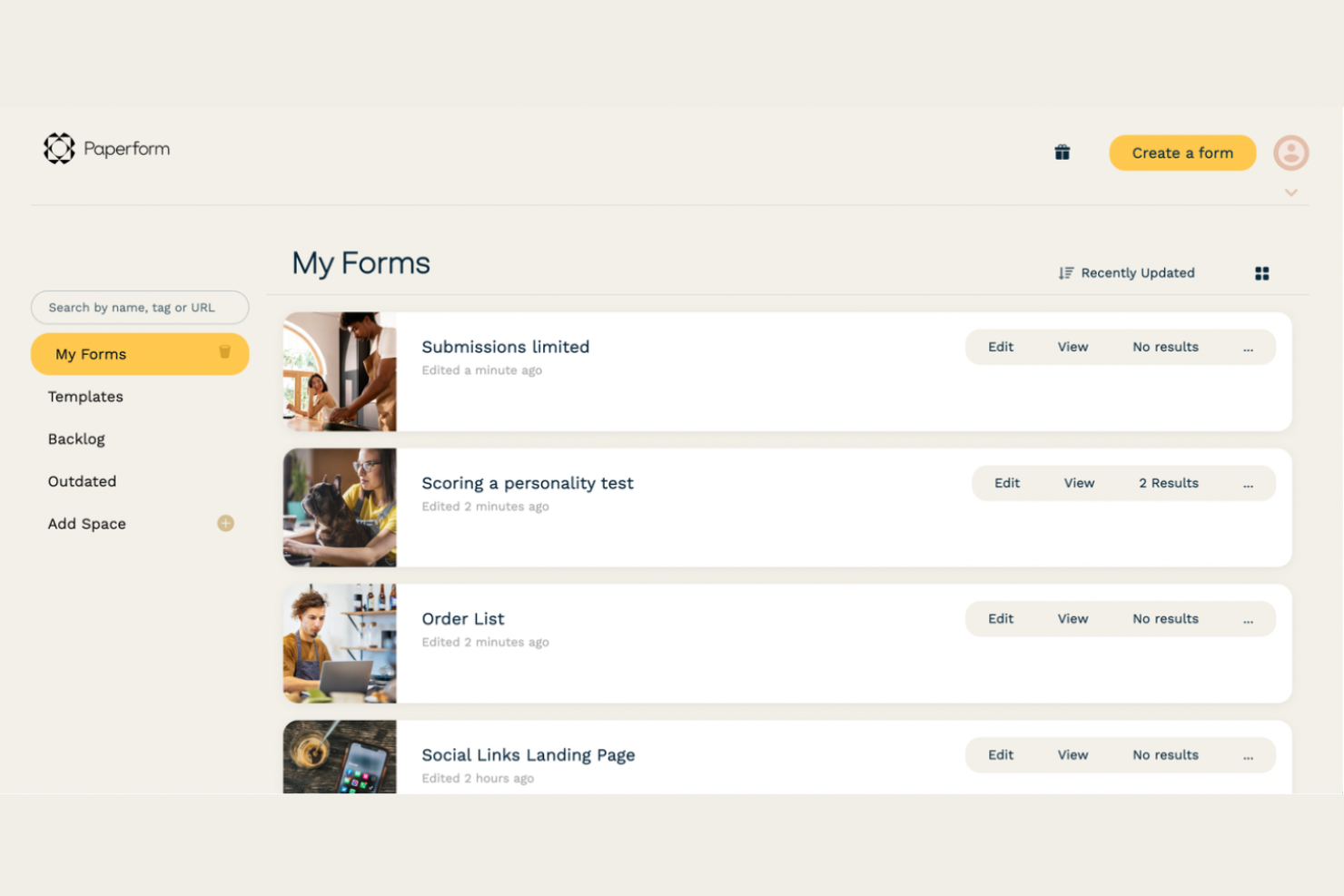
Wenn Sie Formulare benötigen, die den einzigartigen Stil Ihrer Marke widerspiegeln, bietet Paperform umfangreiche Möglichkeiten zur Gestaltung und Anpassung. Dieses Tool eignet sich besonders für Marketingteams, Agenturen und kleine Unternehmen, die visuell unverwechselbare Formulare ohne Programmieraufwand erstellen möchten. Mit flexiblen Optionen zur Markengestaltung und fortschrittlichen Gestaltungstools unterstützt Paperform Sie dabei, Formulare zu erstellen, die zu Ihrer Markenidentität und den Standards Ihrer Kundenerfahrung passen.
Warum Paperform eine gute Formstack-Alternative ist
Für Teams, die möchten, dass Formulare wie eine Erweiterung ihrer Marke aussehen und sich auch so anfühlen, bietet Paperform eine kaum zu übertreffende gestalterische Flexibilität. Ich schätze besonders, dass Sie Schriftarten, Farben und Hintergründe vollständig anpassen und für fortgeschrittene Anforderungen an die Markengestaltung sogar eigenes HTML und CSS hinzufügen können.
Paperform unterstützt außerdem das direkte Einbetten von Bildern, Videos und Rich-Media-Inhalten in Formulare, sodass Sie interaktive Erlebnisse schaffen können, die über die standardmäßige Datenerfassung hinausgehen. Wenn individuelle Markengestaltung oberste Priorität hat, hebt sich Paperform als starke Alternative zu Formstack hervor.
Wichtige Funktionen von Paperform
Zu den weiteren Funktionen von Paperform, die für Ihr Team hilfreich sein können, gehören:
- Bedingte Logik: Fragen und Abschnitte je nach vorherigen Antworten anzeigen oder ausblenden.
- Zahlungsabwicklung: Zahlungen direkt über Formulare mit Stripe, PayPal oder Square akzeptieren.
- Terminplanung: Den Befragten ermöglichen, innerhalb des Formulars Termine oder Besprechungen zu buchen.
- Analyse-Dashboard: Einsendungen, Konversionsraten und Nutzerverhalten mit integrierten Analysen verfolgen.
Paperform-Integrationen
Zu den Integrationen gehören Google Sheets, Mailchimp, Zapier, Slack, Stripe, PayPal, Trello, Dropbox, HubSpot und Xero.
Pros and Cons
Pros:
- Bedingte Logik ermöglicht dynamische, interaktive Formularerlebnisse
- Die Terminplanung ist enthalten, ohne dass Tools von Drittanbietern erforderlich sind
- Das Analyse-Dashboard liefert Echtzeitdaten zu Einsendungen und Konversionen
Cons:
- Keine HIPAA-Konformitätsoption für das Gesundheitswesen oder erforderliche sensible Daten
- Keine integrierte E-Signaturfunktion für die Dokumentensammlung

Am besten für Umfrageanalysen und Berichte
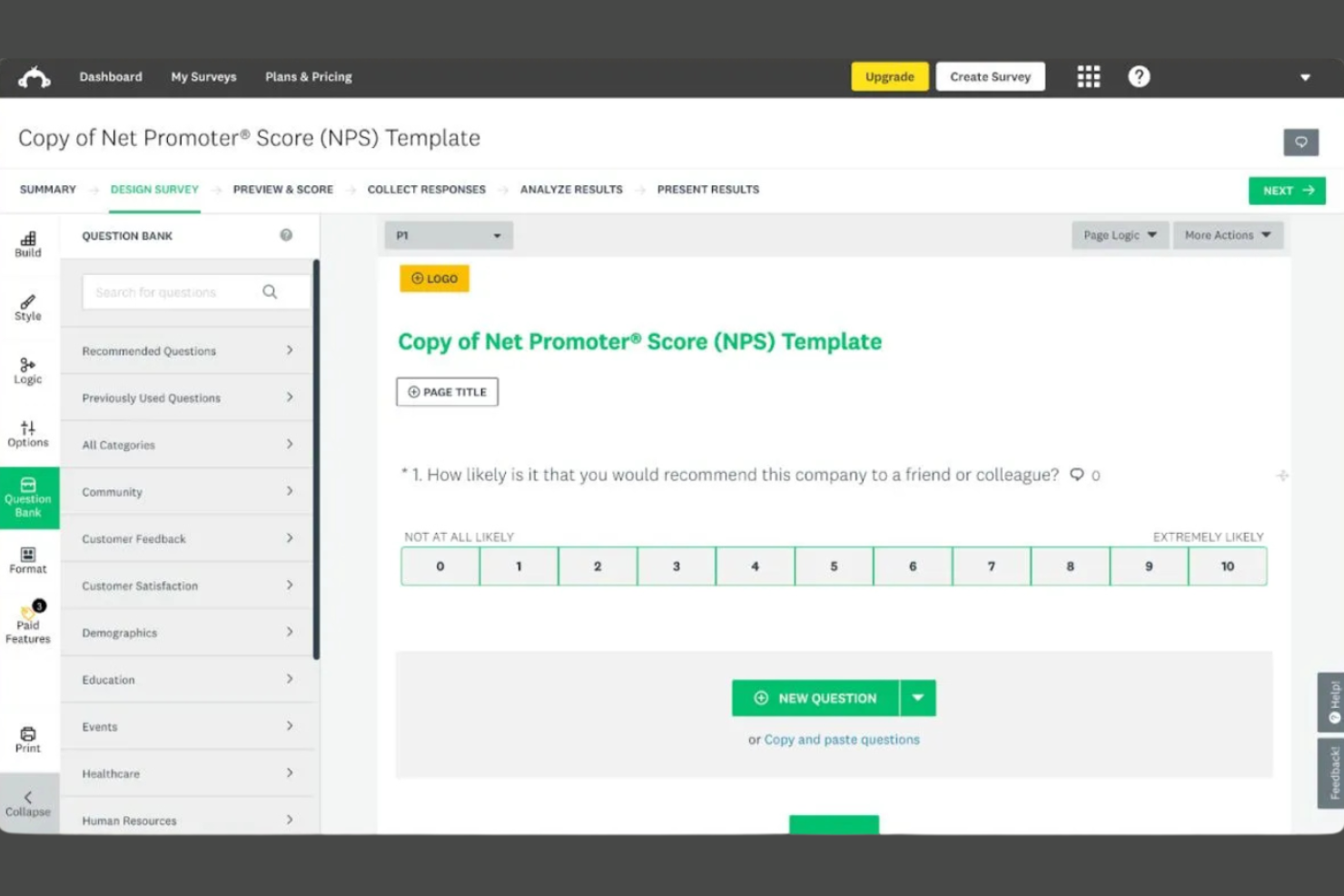
Wenn Sie tiefgehende Erkenntnisse aus Ihren Umfragen benötigen, bietet SurveyMonkey fortschrittliche Analyse- und Berichtstools, die über die Funktionen einfacher Formularersteller hinausgehen. Diese Plattform ist eine ausgezeichnete Wahl für Forschungsteams, Fachleute im Bereich Kundenerfahrung und Organisationen, die auf datengestützte Entscheidungsfindung setzen. Mit fortschrittlicher Umfragelogik und detaillierten Berichtsfunktionen hilft Ihnen SurveyMonkey, Trends und Muster aufzudecken, die andere Formularlösungen möglicherweise übersehen.
Warum SurveyMonkey eine gute Alternative zu Formstack ist
Wenn Sie nach fortschrittlichen Analyse- und Berichtsfunktionen für Ihren Formularersteller suchen, ist SurveyMonkey als Alternative zu Formstack eine Überlegung wert. Mir gefällt, dass SurveyMonkey Echtzeit-Datenvisualisierung, Kreuztabellen und Filtertools bietet, mit denen Sie Ihre Umfrageergebnisse detailliert untersuchen können.
Mit automatisierten Erkenntnissen und Benchmarking ermöglicht SurveyMonkey Ihnen, Ihre Daten einfach mit Branchenstandards oder früheren Ergebnissen zu vergleichen. Für Teams, die Umfrageantworten in umsetzbare Erkenntnisse verwandeln müssen, heben die Analysefunktionen von SurveyMonkey die Plattform von vielen anderen Optionen ab.
Wichtige Funktionen von SurveyMonkey
Zu den weiteren Funktionen von SurveyMonkey, die für Ihr Team nützlich sein können, gehören:
- Fragenbank: Greifen Sie auf eine Bibliothek mit von Experten verfassten Fragen zu, die Sie Ihren Umfragen hinzufügen können.
- Individuelles Branding: Fügen Sie Ihr Logo, Ihre Farben und Ihre Designs hinzu, um die Identität Ihrer Organisation widerzuspiegeln.
- Umfragelogik: Nutzen Sie Überspringlogik und Verzweigungen, um das Umfrageerlebnis für jede teilnehmende Person zu personalisieren.
- Optimierung für Mobilgeräte: Stellen Sie sicher, dass Umfragen vollständig responsiv und auf jedem Gerät einfach auszufüllen sind.
Integrationen von SurveyMonkey
Zu den Integrationen gehören Salesforce, Mailchimp, HubSpot, Slack, Microsoft Teams, Google Sheets, Tableau, Marketo, Zendesk und Adobe Experience Cloud.
Pros and Cons
Pros:
- Fortschrittliche Analysetools helfen dabei, Trends in Umfrageantworten aufzudecken
- Die Fragenbank bietet vorformulierte, forschungsbasierte Umfragefragen
- Die Umfragelogik unterstützt komplexe Verzweigungen und Überspringmuster
Cons:
- Begrenzte Workflow-Automatisierung im Vergleich zu den Prozesstools von Formstack
- Keine integrierten Funktionen für elektronische Dokumentsignaturen oder Dateigenehmigungen
Am besten für die Unterstützung mehrerer Sprachen geeignet
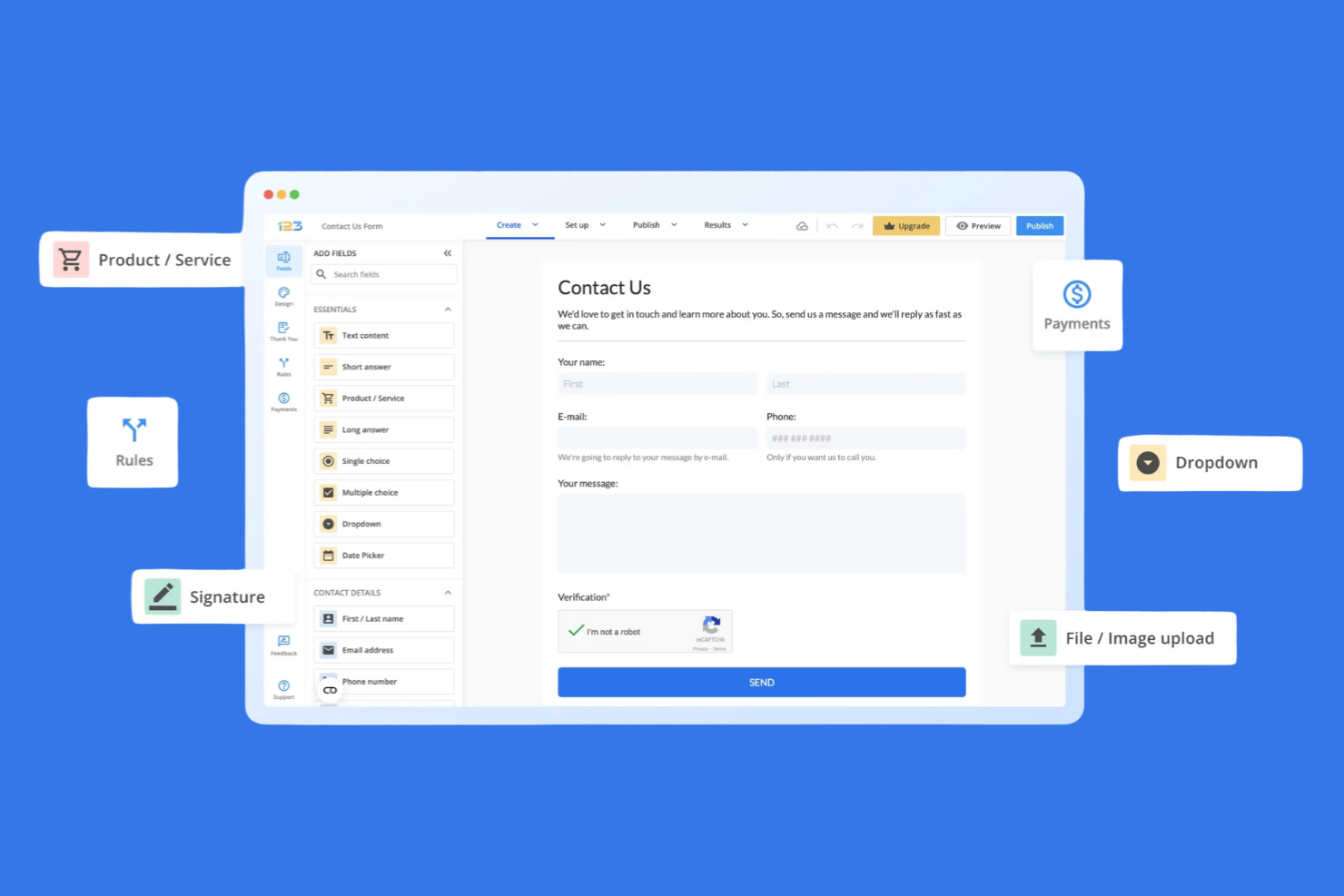
Wenn Ihr Team Formulare für ein globales Publikum erstellen muss, wurde 123FormBuilder von Grund auf mit Unterstützung für mehrere Sprachen entwickelt. Dieses Tool eignet sich besonders für Organisationen im Bildungswesen, im Gesundheitswesen oder im internationalen Geschäftsbereich, die Formulare in mehreren Sprachen benötigen, ohne sie manuell übersetzen zu müssen. Mit integrierten Übersetzungsfunktionen unterstützt 123FormBuilder Sie dabei, Nutzern auf der ganzen Welt zugängliche, lokalisierte Formulare bereitzustellen.
Warum 123FormBuilder eine gute Alternative zu Formstack ist
Für Teams, die Nutzer in mehreren Sprachen erreichen müssen, bietet 123FormBuilder integrierte Übersetzungstools, mit denen sich Formulare einfach lokalisieren lassen. Ich habe 123FormBuilder ausgewählt, weil Sie damit ein einziges Formular erstellen und automatisch Versionen in Dutzenden von Sprachen generieren können, die alle über einen einzigen Übersichtsbereich verwaltet werden.
Die Plattform unterstützt außerdem Sprachen mit Schreibrichtung von rechts nach links und passt Fehlermeldungen sowie Feldbeschriftungen für jede Sprache an. Wenn Ihre Organisation ein vielfältiges oder internationales Publikum betreut, bieten Ihnen die Mehrsprachenfunktionen von 123FormBuilder mehr Flexibilität als Formstack.
Wichtige Funktionen von 123FormBuilder
Zu den weiteren Funktionen von 123FormBuilder, die für Ihr Team nützlich sein können, gehören:
- Editor zum Ziehen und Ablegen: Erstellen und gestalten Sie Formulare visuell, ganz ohne Programmierkenntnisse.
- Bedingte Logik: Felder und Abschnitte abhängig von den Antworten der Nutzer anzeigen oder ausblenden.
- Feld für den Datei-Upload: Erfassen Sie Dokumente, Bilder oder andere Dateien direkt über Ihre Formulare.
- HIPAA-Konformität: Erstellen Sie Formulare, die den Anforderungen an Datenschutz und Sicherheit im Gesundheitswesen entsprechen.
Integrationen von 123FormBuilder
Zu den Integrationen gehören Google Drive, Mailchimp, Salesforce, Dropbox, Google Sheets, HubSpot, PayPal, Stripe, Square und Zendesk.
Pros and Cons
Pros:
- Mehrsprachige Formulare unterstützen die globale Generierung von Interessenten und Umfragen
- Benutzerfreundlicher Ersteller zum Ziehen und Ablegen, ideal für Anfänger
- Starke Optionen für Datensicherheit, einschließlich HIPAA-Konformität
Cons:
- Die erweiterten Analysefunktionen sind im Vergleich zu Wettbewerbern eingeschränkt
- Funktionen zur Zahlungsabwicklung sind auf höherstufige Tarife beschränkt

Wufoo
Ideal für eine schnelle Drag-and-Drop-Einrichtung

Der Einstieg mit Wufoo gelingt dank des Drag-and-Drop-Formular-Builders schnell. Dieses Tool eignet sich gut für kleine Unternehmen, gemeinnützige Organisationen und Teams, die Formulare ohne technische Unterstützung schnell bereitstellen müssen. Wufoo zeichnet sich durch seinen einfachen Einrichtungsprozess aus und macht es leicht, kurzfristig Daten oder Registrierungen zu erfassen.
Warum Wufoo eine gute Formstack-Alternative ist
Die schnelle Drag-and-Drop-Einrichtung von Wufoo macht die Plattform zu einer guten Wahl für Teams, die Formulare ohne Verzögerung erstellen und bereitstellen müssen. Ich habe Wufoo ausgewählt, weil der visuelle Editor es ermöglicht, Felder innerhalb von Sekunden hinzuzufügen, zu entfernen und neu anzuordnen, sodass Sie Formulare spontan anpassen können. Die Plattform bietet außerdem eine Vielzahl vorgefertigter Vorlagen, mit denen Sie noch schneller starten können. Wenn Sie ein Tool suchen, das den Einrichtungsaufwand und technische Hürden minimiert, ist Wufoo eine praktische Alternative zu Formstack.
Wichtige Funktionen von Wufoo
Weitere Funktionen von Wufoo, die für Ihr Team hilfreich sein können, sind:
- Individuelles Branding: Fügen Sie Ihr Logo und Ihre Markenfarben zu Formularen hinzu, um ein einheitliches Erscheinungsbild zu schaffen.
- Felder für Datei-Uploads: Ermöglichen Sie es Befragten, Dokumente oder Bilder direkt über das Formular anzuhängen.
- Bedingte Logik: Blenden Sie Fragen abhängig von vorherigen Antworten ein oder aus, um dynamische Formulare zu erstellen.
- Dashboard zur Verwaltung von Einträgen: Anzeigen, Filtern und Exportieren von Formularantworten über ein zentrales Dashboard.
Wufoo-Integrationen
Zu den Integrationen gehören Mailchimp, Dropbox, PayPal, Salesforce, Google Drive, Slack, Zapier, Microsoft OneDrive, HubSpot und QuickBooks.
Pros and Cons
Pros:
- Benutzerfreundlicher Drag-and-Drop-Builder, ideal für Einsteiger, die schnell Formulare erstellen möchten
- Felder für Datei-Uploads unterstützen das Einreichen von Dokumenten und Bildern
- Kostengünstige Option für die einfache Erfassung von Daten und Registrierungen
Cons:
- Die Funktionen für Berichte und Analysen sind grundlegend
- Die Anpassungsmöglichkeiten beim Formulardesign sind im Vergleich zu modernen Formular-Buildern begrenzt

Optimal für die Verwaltung von Salesforce-Daten
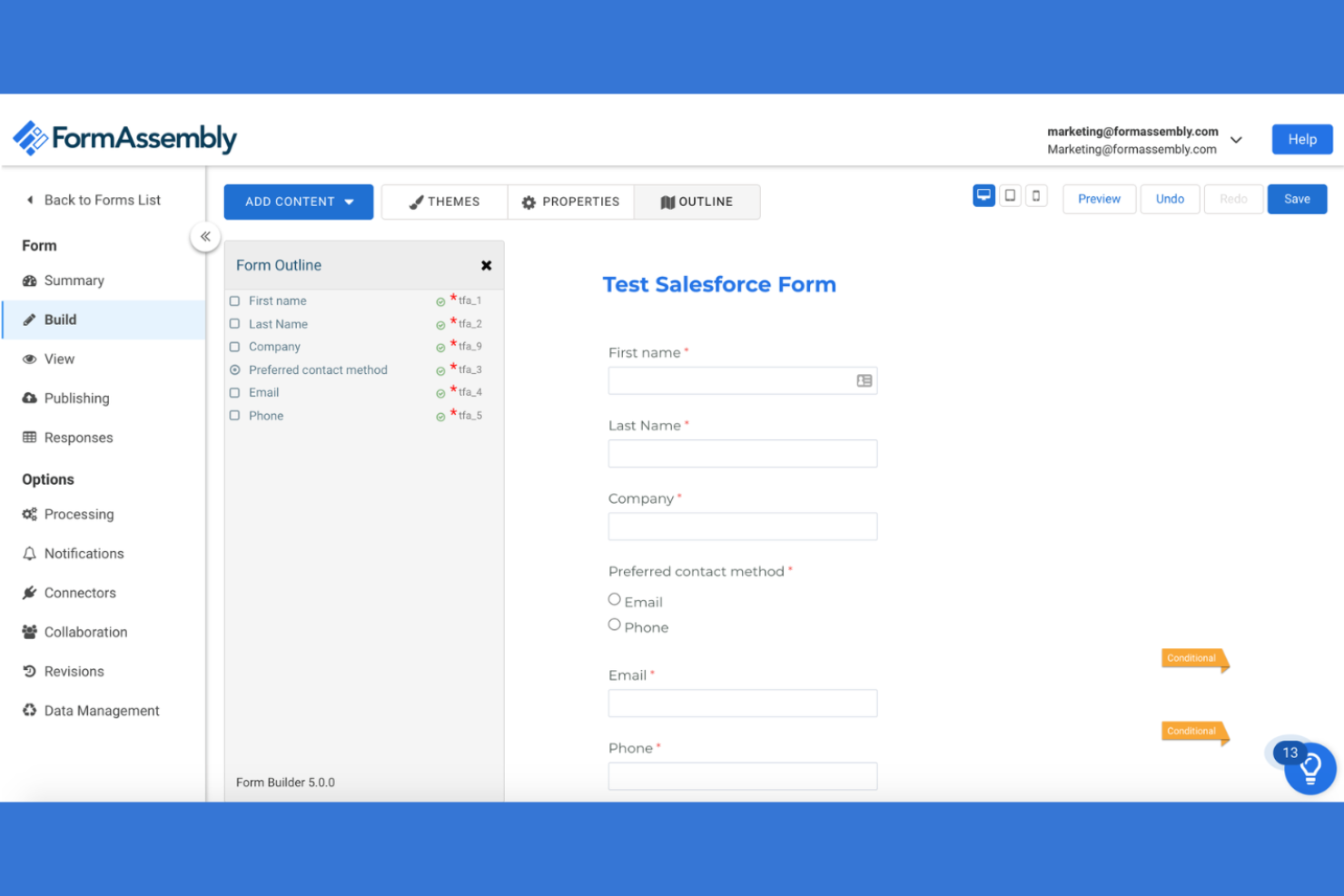
Wenn die Verwaltung von Salesforce-Daten für Sie höchste Priorität hat, bietet FormAssembly eine spezialisierte Lösung. Diese Plattform wurde für Organisationen entwickelt, die eine fortschrittliche, sichere Datenerfassung und eine direkte Integration mit Salesforce benötigen. Wenn Ihr Team komplexe Datenarbeitsabläufe oder Compliance-Anforderungen bewältigt, unterstützt FormAssembly Sie dabei, Informationen genau dort in Salesforce zu erfassen, zu validieren und weiterzuleiten, wo Sie sie benötigen.
Warum FormAssembly eine gute Formstack-Alternative ist
Wenn Ihr Team Salesforce für die Datenverwaltung nutzt, ist FormAssembly speziell auf diese Anforderungen ausgelegt. Ich habe FormAssembly ausgewählt, weil es fortschrittliche Salesforce-Integrationsfunktionen bietet, darunter vorausgefüllte Formulare, eine bidirektionale Datensynchronisierung sowie Unterstützung für komplexe Objekte und Beziehungen.
Die detaillierte Kontrolle über Datenvalidierung und Zuordnung ist ebenfalls hilfreich, um die Datenqualität in Salesforce aufrechtzuerhalten. Für Organisationen, die die Erfassung von Salesforce-Daten automatisieren und absichern müssen, bietet FormAssembly Funktionen, die über das Angebot der meisten Formularersteller hinausgehen.
Wichtige Funktionen von FormAssembly
Zu den weiteren Funktionen von FormAssembly, die für Ihr Team nützlich sein können, gehören:
- Formularersteller mit Ziehen und Ablegen: Formulare visuell und ohne Programmierung erstellen und anpassen.
- Zahlungserfassung: Zahlungen direkt über Formulare mithilfe von Integrationen mit Zahlungsdienstleistern akzeptieren.
- HIPAA-Konformität: Sensible Gesundheitsdaten gemäß den HIPAA-Vorschriften erfassen und verwalten.
- Vorausfüllen von Formularen und Speichern und Fortsetzen: Benutzern ermöglichen, Formulare mit bekannten Daten vorauszufüllen und den Fortschritt zu speichern, um sie später fertigzustellen.
Integrationen von FormAssembly
Zu den Integrationen gehören Salesforce, Google Sheets, Mailchimp, Pardot, PayPal, Stripe, Box, OneDrive, Dropbox und Google Drive.
Pros and Cons
Pros:
- Die umfassende Salesforce-Integration unterstützt komplexe CRM-Datenarbeitsabläufe
- Starke Funktionen für Datensicherheit und Compliance, einschließlich HIPAA-Optionen
- Dokumentengenerierung und Vorausfüllen verbessern die Abschlussquoten von Formularen
Cons:
- Der Preis liegt höher als bei vielen Alternativen zu Formularerstellern
- Die Designanpassung ist weniger flexibel als bei konkurrierenden Plattformen

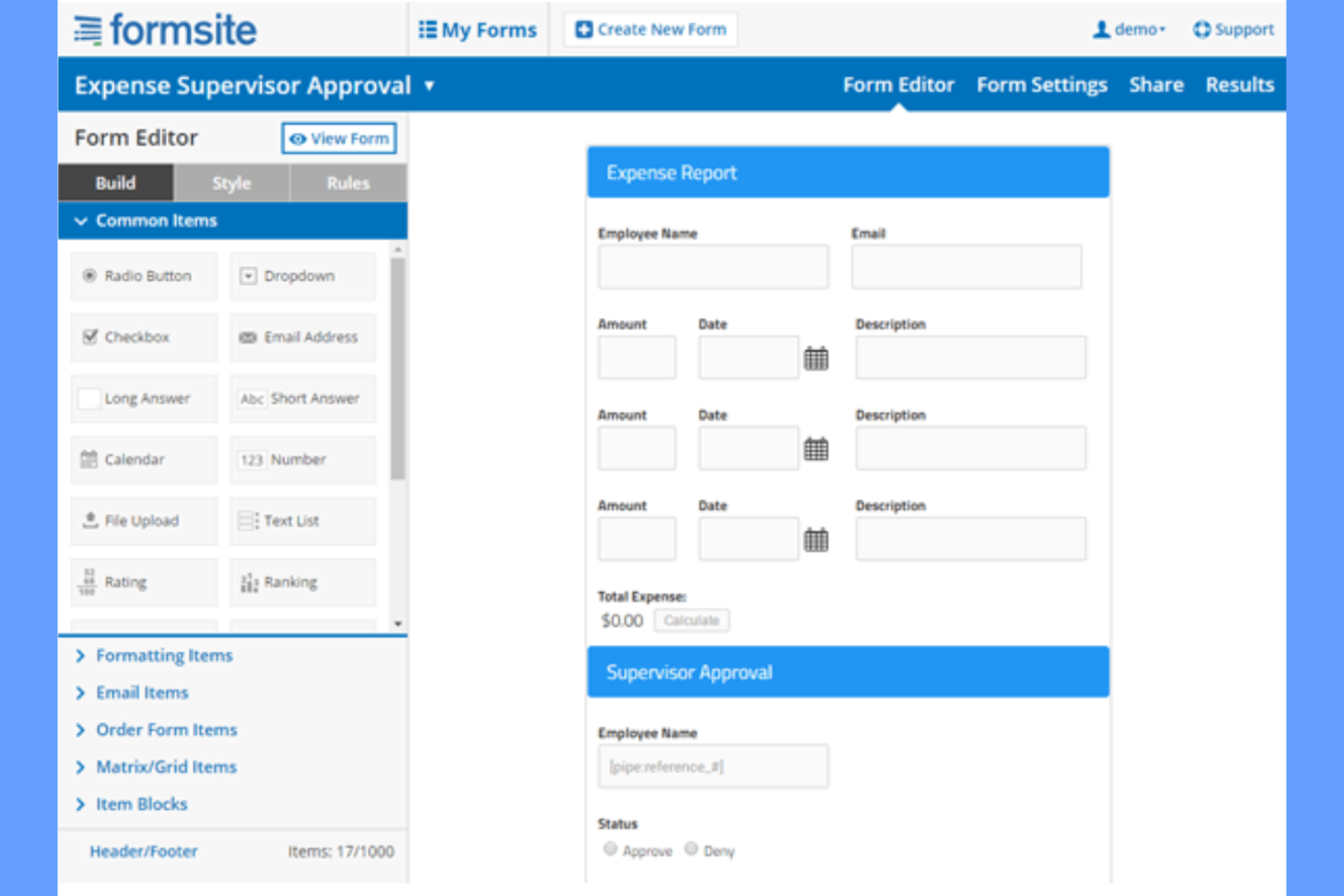
Für Teams, die komplexe Datenerfassungsprozesse bewältigen müssen, bietet Formsite erweiterte Funktionen, die über die einfache Formularerstellung hinausgehen. Es ist eine gute Wahl für Forschungseinrichtungen, Bildungseinrichtungen und Unternehmen, die eine detaillierte Datenvalidierung oder mehrseitige Formulare benötigen. Formsite zeichnet sich durch die Unterstützung von Berechnungen, bedingter Logik und sicherer Datenverarbeitung aus und eignet sich daher gut für anspruchsvollere Daten-Workflows.
Warum Formsite eine gute Alternative zu Formstack ist
Wenn Sie nach einem Tool suchen, das komplexe Anforderungen an die Datenerfassung bewältigen kann, ist Formsite eine Überlegung wert. Ich habe Formsite ausgewählt, weil es erweiterte Funktionen wie Berechnungen innerhalb von Formularen und mehrseitige Umfrageabläufe unterstützt, die für eine detaillierte Datenerfassung unerlässlich sind.
Die Plattform bietet außerdem bedingte Logik, mit der Sie Fragen und Pfade auf Grundlage der Antworten der Benutzer anpassen können. Für Teams, die mehr als einfache Formulare benötigen, bietet Formsite die Flexibilität und Tiefe, die für anspruchsvolle Datenerfassungsprojekte erforderlich sind.
Die wichtigsten Funktionen von Formsite
Zu den weiteren Funktionen von Formsite, die für Ihr Team nützlich sein können, gehören:
- Wiederverwendbare Formularblöcke: Erstellen und speichern Sie Formularabschnitte, um sie in mehreren Projekten zu verwenden.
- Verschlüsselte Formulardaten: Schützen Sie vertrauliche Informationen mit integrierten Verschlüsselungsoptionen.
- Benutzerdefinierte Benachrichtigungen: Richten Sie automatische E-Mail-Benachrichtigungen auf Grundlage bestimmter Formularantworten ein.
- PDF-Erstellung: Erstellen Sie automatisch herunterladbare PDFs aus übermittelten Formulardaten.
Formsite-Integrationen
Zu den Integrationen gehören Google Drive, Dropbox, Salesforce, Mailchimp, Zapier, Box, Google Sheets, PayPal, Authorize.Net und Stripe.
Pros and Cons
Pros:
- Erweiterte Berechnungen unterstützen komplexe Datenerfassungs-Workflows
- Die Dokumentenerstellung ermöglicht den Export von Übermittlungen als PDFs
- Datensicherheitsfunktionen einschließlich verschlüsselter Formularübermittlungen
Cons:
- Die Benutzeroberfläche wirkt im Vergleich zu neueren Formularerstellern veraltet
- Weniger native Integrationen als bei vielen konkurrierenden Tools
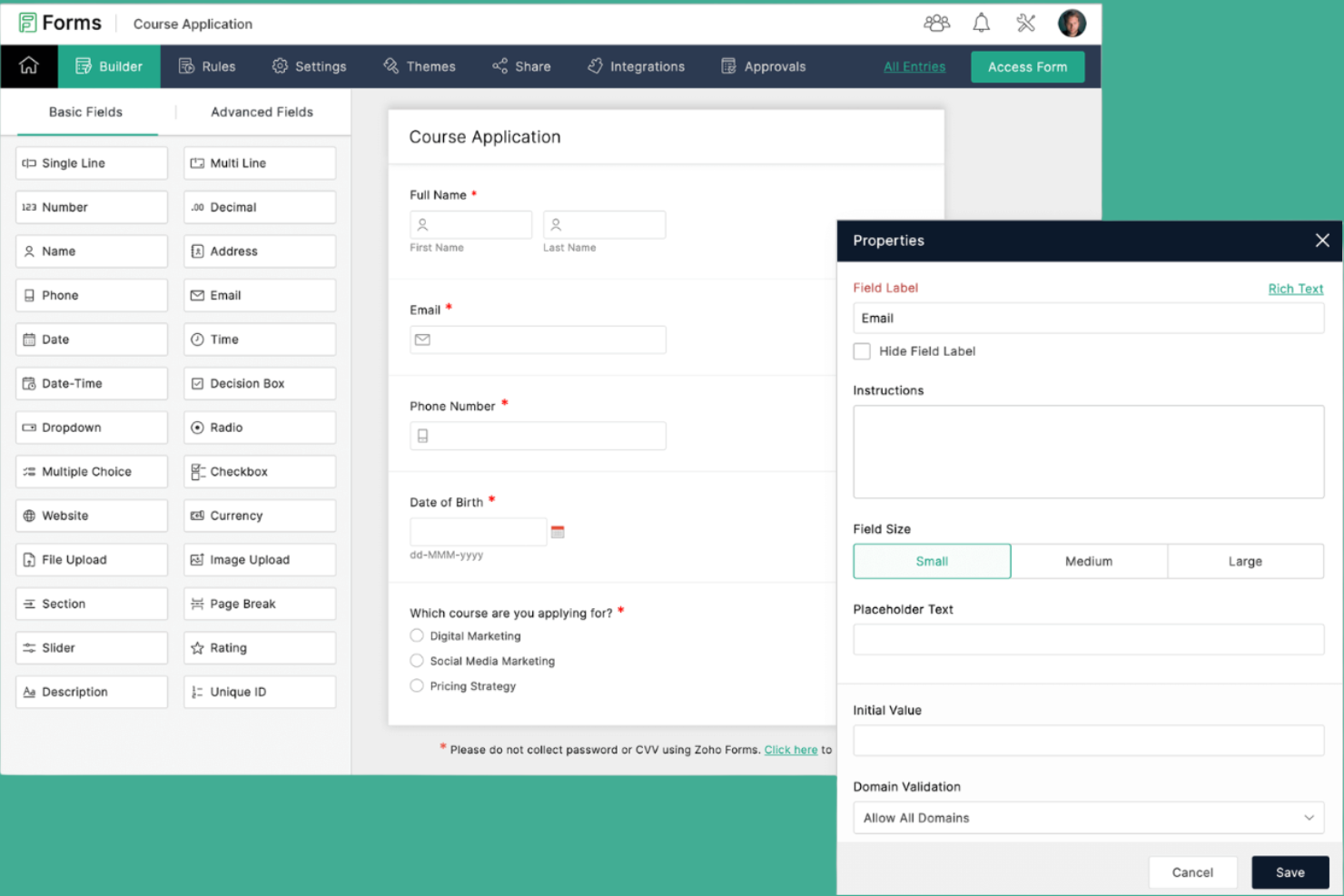
Wenn Ihr Team auf eine Sammlung von Geschäftsanwendungen angewiesen ist, ist Zoho Forms darauf ausgelegt, sich nahtlos einzufügen. Es ist besonders nützlich für Unternehmen, die Arbeitsabläufe automatisieren möchten, indem sie Formulare direkt mit Tools wie Zoho CRM, Zoho Desk und anderen Zoho- oder Drittanbieterplattformen verbinden. Zoho Forms zeichnet sich durch seine umfassenden Integrationsmöglichkeiten aus und erleichtert die Übertragung von Daten zwischen Formularen und den übrigen Geschäftssystemen.
Warum Zoho Forms eine gute Formstack-Alternative ist
Für Teams, deren Formulare eng mit anderen Geschäftstools zusammenarbeiten müssen, ist Zoho Forms eine gute Option. Ich habe Zoho Forms ausgewählt, weil es direkte, native Integrationen mit der Zoho-Suite und anderen beliebten Geschäftsplattformen bietet, was besonders für die Automatisierung des Datenflusses wertvoll ist.
Funktionen wie die sofortige Datensynchronisierung mit Zoho CRM und die automatisierte Erstellung von Tickets in Zoho Desk sorgen dafür, dass Informationen ohne manuellen Aufwand weitergeleitet werden. Wenn Ihr Unternehmen auf vernetzte Arbeitsabläufe angewiesen ist, erleichtert Zoho Forms die direkte Einbindung von Formulareinsendungen in Ihre bestehenden Prozesse.
Wichtige Funktionen von Zoho Forms
Weitere nützliche Funktionen sind:
- Ziehen-und-Ablegen-Editor: Erstellen und bearbeiten Sie Formulare über eine visuelle Oberfläche zum Ziehen und Ablegen.
- Individuelle Genehmigungsabläufe: Richten Sie mehrstufige Genehmigungsprozesse für eingereichte Formulare ein.
- Offline-Datenerfassung: Erfassen Sie Antworten auch ohne Internetverbindung über die mobile App.
- Formularanalysen: Greifen Sie auf detaillierte Berichte und Analysen zur Leistung und zu den Einsendungen von Formularen zu.
Integrationen von Zoho Forms
Zu den Integrationen gehören Zoho CRM, Zoho Desk, Google Sheets, Salesforce, Zapier, Mailchimp, Dropbox, Box, Google Drive und OneDrive.
Pros and Cons
Pros:
- All-in-One-Formulareditor, der sich einfach mit Geschäftsanwendungen verbinden lässt
- Integrierte Genehmigungsabläufe unterstützen strukturierte Datenerfassungsprozesse
- Offlinefähige, für Mobilgeräte optimierte Formulare unterstützen die Datenerfassung vor Ort
Cons:
- Weniger Möglichkeiten zur Designanpassung als bei einigen Wettbewerbern
- Weniger erweiterte Integrationen außerhalb des Zoho-Ökosystems
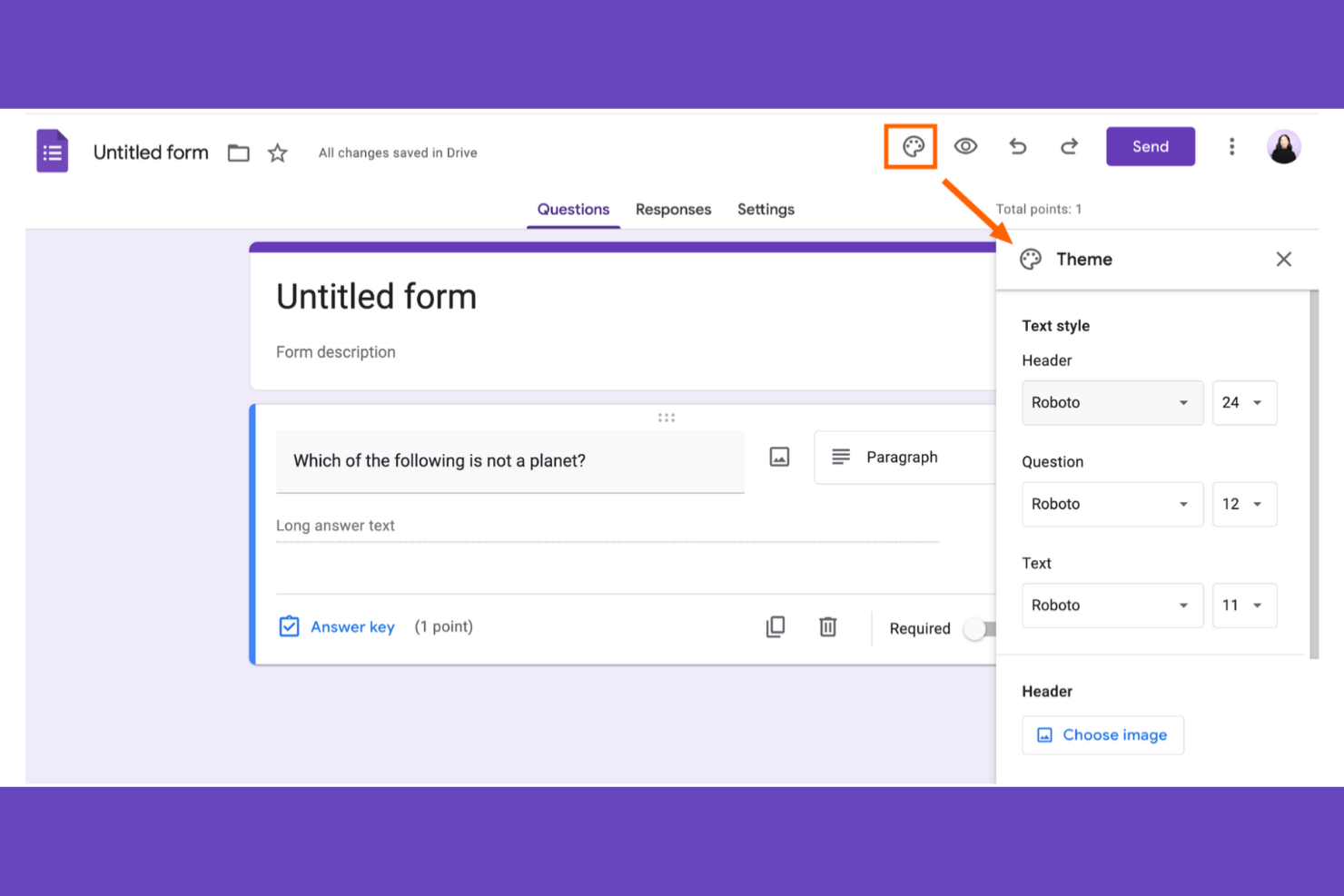
Teams, die bereits Google Workspace verwenden, werden Google Forms besonders praktisch für die gemeinsame Erstellung von Formularen finden. Dieses Tool eignet sich hervorragend für Organisationen, die Feedback sammeln, Umfragen durchführen oder Veranstaltungsanmeldungen verwalten müssen und dabei in Echtzeit zusammenarbeiten. Durch die automatische Integration in Google Drive und die gemeinsame Bearbeitung hilft Google Forms Gruppen dabei, die Datenerfassung zu optimieren und alles innerhalb ihrer bestehenden Arbeitsabläufe miteinander zu verbinden.
Warum Google Forms eine gute Formstack-Alternative ist
Wenn sich Ihr Team bereits auf Google Workspace verlässt, bietet Google Forms ein Maß an Zusammenarbeit, das nur schwer zu übertreffen ist. Ich habe Google Forms ausgewählt, weil mehrere Personen damit gleichzeitig Formulare bearbeiten können und Änderungen sofort gespeichert und allen Mitwirkenden angezeigt werden. Sie können Formulare und Antworten außerdem direkt innerhalb Ihrer Organisation teilen und alles in Google Drive organisiert halten. Für Teams, die Wert auf Zusammenarbeit in Echtzeit und die gemeinsame Nutzung von Dokumenten legen, ist Google Forms eine praktische Alternative zu Formstack.
Die wichtigsten Funktionen von Google Forms
Weitere Funktionen von Google Forms, die für Ihr Team hilfreich sein können, sind:
- Verzweigung von Fragen: Leiten Sie Befragte abhängig von ihren vorherigen Antworten zu unterschiedlichen Fragen weiter.
- Validierung von Antworten: Legen Sie Regeln für Antwortformate fest, etwa dass E-Mail-Adressen oder Zahlen erforderlich sind.
- Feld zum Hochladen von Dateien: Ermöglichen Sie Nutzern, Dateien direkt über das Formular einzureichen.
- Automatische Diagramme und Zusammenfassungen: Erstellen Sie sofort visuelle Zusammenfassungen und Diagramme aus den gesammelten Antworten.
Integrationen von Google Forms
Zu den Integrationen gehören Google Sheets, Google Drive, Google Calendar, Gmail, Google Classroom, Google Meet, Google Docs, Google Slides, Google Sites und Google Chat.
Pros and Cons
Pros:
- Zusammenarbeit in Echtzeit ermöglicht mehreren Nutzern, Formulare gemeinsam zu bearbeiten
- Automatische Erfassung und Speicherung von Antworten in Google Sheets
- Unbegrenzte Formulare und Antworten mit einem Google-Workspace-Konto
Cons:
- Eingeschränkte Anpassungsmöglichkeiten beim Design im Vergleich zu Formstack und anderen Tools
- Fehlende erweiterte Workflow-Automatisierung und Genehmigungsprozesse


Für Organisationen, die bereits in Microsoft 365 investiert haben, bietet Microsoft Forms eine unkomplizierte Möglichkeit, Formulare innerhalb Ihres bestehenden Arbeitsablaufs zu erstellen und zu teilen. Dieses Tool ist besonders nützlich für Teams, die Feedback sammeln, Quizze durchführen oder Daten erfassen möchten und dabei alles mit vertrauten Microsoft-Apps verbunden halten wollen. Die direkte Integration in Tools wie Excel und Teams hilft Ihnen, Antworten zu zentralisieren und Folgeaktionen zu automatisieren, ohne Ihre Microsoft-Umgebung verlassen zu müssen.
Warum Microsoft Forms eine gute Formstack-Alternative ist
Wenn Ihr Team auf Microsoft 365 angewiesen ist, fügt sich Microsoft Forms nahtlos in Ihren täglichen Arbeitsablauf ein. Ich finde es praktisch, dass Sie Formularantworten automatisch zur Echtzeitanalyse und Berichterstellung an Excel senden können. Sie können Formulare auch direkt in Teams teilen, wodurch das Sammeln von Feedback oder die Durchführung von Umfragen während Besprechungen erleichtert wird. Für Unternehmen, die alle ihre Daten und ihre Zusammenarbeit innerhalb des Microsoft-Ökosystems halten möchten, ist Microsoft Forms eine praktische Alternative zu Formstack.
Wichtige Funktionen von Microsoft Forms
Zu den weiteren Funktionen von Microsoft Forms, die für Ihr Team nützlich sein können, gehören:
- Verzweigung von Fragen: Leiten Sie Befragte abhängig von ihren vorherigen Antworten zu unterschiedlichen Fragen weiter.
- Validierung von Antworten: Legen Sie Regeln für Antwortformate fest, etwa die Anforderung von Zahlen oder bestimmtem Text.
- Feld zum Hochladen von Dateien: Sammeln Sie Dateien von Befragten direkt über das Formular.
- Automatische Diagramme und visuelle Zusammenfassungen: Erstellen Sie sofort visuelle Zusammenfassungen und Diagramme aus den gesammelten Antworten.
Integrationen von Microsoft Forms
Zu den Integrationen gehören Microsoft Excel, Microsoft SharePoint, Microsoft Teams, Microsoft Power Automate, Microsoft Power BI, OneDrive, Outlook und Dynamics 365. Microsoft Forms bietet außerdem eine API für benutzerdefinierte Integrationen.
Pros and Cons
Pros:
- Die direkte Integration in Excel ermöglicht sofortige Datenanalyse und Berichterstellung
- Formulare können innerhalb von Microsoft Teams-Kanälen geteilt und verwaltet werden
- Keine zusätzlichen Kosten für Organisationen mit Microsoft 365-Abonnements
Cons:
- Im Vergleich zu Formstack eingeschränkte Optionen für Branding und Design
- Keine integrierten Funktionen zur Zahlungsabwicklung oder für elektronische Signaturen
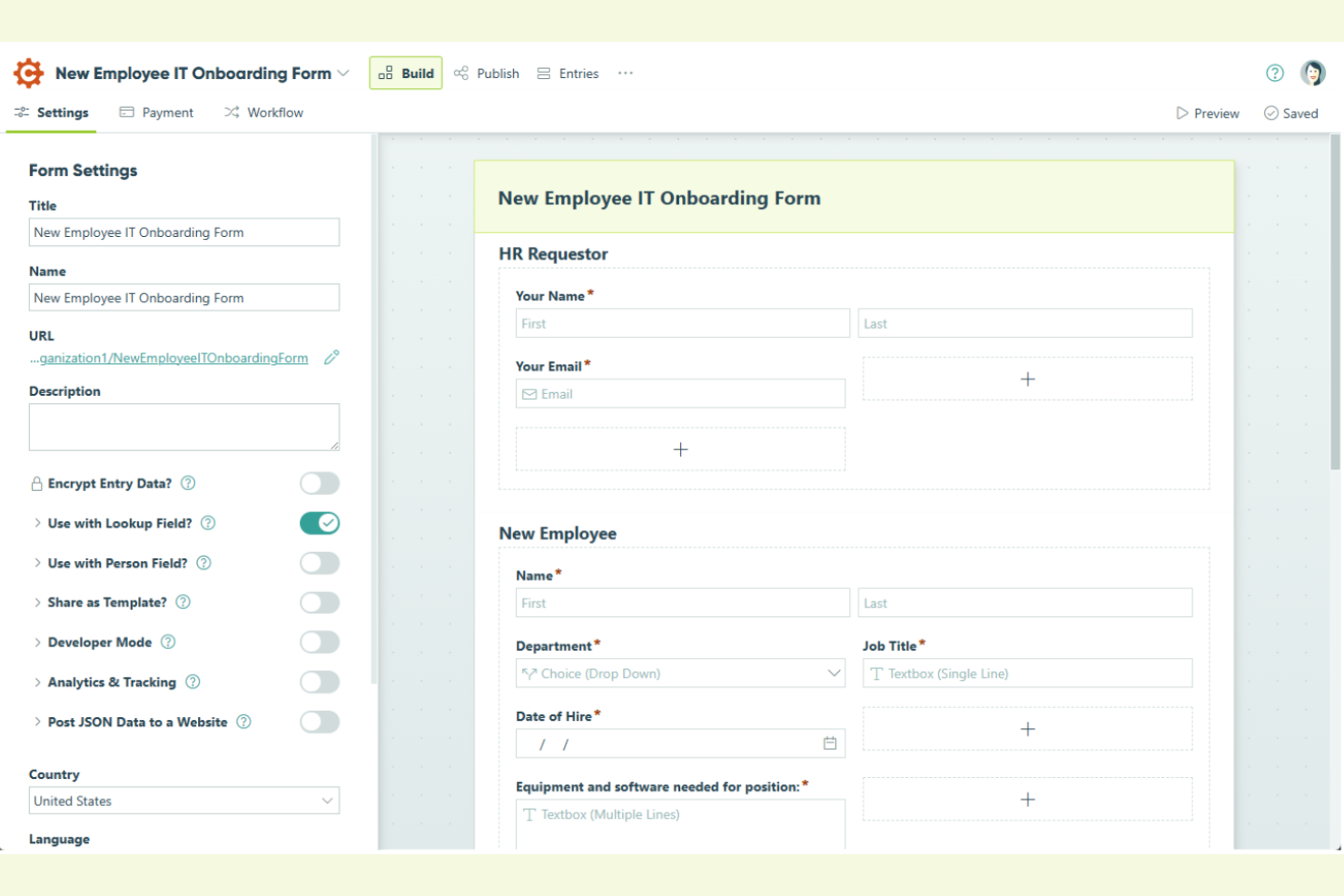
Für Teams, die erweiterte Berechnungen direkt in ihre Formulare integrieren müssen, bietet Cognito Forms eine einzigartige Lösung. Diese Plattform ist besonders nützlich für Organisationen, die Bestellformulare, Registrierungen oder Bewerbungen bearbeiten, die Preisangebote in Echtzeit oder logikbasierte Bewertungen erfordern. Wenn Sie nach einem Formularersteller suchen, der über die einfache Datenerfassung hinausgeht, hebt sich Cognito Forms durch seine Berechnungs- und Datenverarbeitungsfunktionen hervor.
Warum Cognito Forms eine gute Alternative zu Formstack ist
Im Gegensatz zu vielen anderen Formularerstellern wurde Cognito Forms mit erweiterten Berechnungsfunktionen als zentralem Bestandteil entwickelt. Ich habe Cognito Forms ausgewählt, weil Sie damit Formulare erstellen können, die auf Grundlage der Benutzereingaben automatisch Summen, Bewertungen oder benutzerdefinierte Werte berechnen.
Cognito unterstützt außerdem bedingte Logik und komplexe Formeln und eignet sich damit ideal für Bestellformulare, Angebote oder Bewerbungen, die eine dynamische Preisgestaltung oder Bewertung erfordern. Wenn Ihr Team Formulare benötigt, die mehr können als nur Daten zu erfassen, bietet Cognito Forms Berechnungstools, die es von Formstack abheben.
Die wichtigsten Funktionen von Cognito Forms
Zu den weiteren Funktionen von Cognito Forms, die für Ihr Team hilfreich sein können, gehören:
- Formulareditor mit Ziehen und Ablegen: Erstellen und passen Sie Formulare visuell an, ohne dass Programmierkenntnisse erforderlich sind.
- Feld zum Hochladen von Dateien: Ermöglichen Sie es Antwortenden, Dokumente, Bilder oder andere Dateien direkt über Ihre Formulare anzuhängen.
- Workflow-Automatisierung: Richten Sie Genehmigungsprozesse und Benachrichtigungen ein, um Formulareinsendungen zu verwalten.
- Datenverschlüsselung: Schützen Sie vertrauliche Informationen mit integrierter Verschlüsselung für Formulardaten.
Integrationen von Cognito Forms
Zu den Integrationen gehören Zapier, Microsoft Power Automate, Stripe, Square und PayPal.
Pros and Cons
Pros:
- Berechnungsfelder unterstützen dynamische Preisgestaltung und Bewertungslogik
- Zu den Datensicherheitsfunktionen gehört die Verschlüsselung vertraulicher Einsendungen
- Workflow-Automatisierung unterstützt Genehmigungen und Benachrichtigungen
Cons:
- Im Vergleich zu anderen Formularerstellern gibt es nur wenige native Integrationen
- Berichts- und Analysetools bieten nur begrenzte Anpassungsmöglichkeiten
Weitere Formstack-Alternativen
Hier finden Sie einige zusätzliche Formstack-Alternativen, die es nicht in meine engere Auswahl geschafft haben, aber dennoch einen Blick wert sind:


So bewerte ich Formstack-Alternativen
Ich teile meine Bewertung in zwei Ebenen auf: die grundlegenden Anforderungen, die ein Tool erfüllen muss, um CX-Arbeitsabläufe wie das Sammeln von Feedback und die Erfassung von Einführungsdaten zu unterstützen, sowie die Unterscheidungsmerkmale, durch die sich die besten Optionen hervorheben.
Grundlegende Funktionen (Voraussetzungen für diese Liste)
Bei der Auswahl der Tools für meine Liste bewerte ich jedes einzelne für jede unten aufgeführte grundlegende Funktion auf einer Skala von 0 (bietet die Funktion nicht an) bis 5 (zeichnet sich in diesem Bereich aus). Anschließend rechne ich die Gesamtpunktzahl des Tools in einen Prozentsatz um. Jedes Tool muss eine Mindestgesamtpunktzahl von 65 % erreichen, um für die Aufnahme berücksichtigt zu werden.
- Formularersteller mit Ziehen-und-Ablegen-Funktion: Ich bewerte, ob der Formularersteller genügend Feldtypen und Vorlagen bietet, um gängige CX-Szenarien wie Umfragen nach dem Kauf oder Formulare zur Erfassung von Einführungsdaten ohne Programmierung abzudecken.
- Bedingte Logik und Verzweigungen: Intelligente Verzweigungen sind hier wichtig – ich prüfe, ob Formulare Kunden anhand ihrer Antworten auf unterschiedliche Pfade leiten können, etwa indem Abschnitte für wiederkehrende Kunden übersprungen werden.
- Integrationen mit CX-Tools: Jedes Tool wird hinsichtlich seiner nativen Verbindungen zu Plattformen bewertet, die CX-Teams bereits verwenden, etwa Salesforce, Zendesk, HubSpot, Freshdesk und Intercom.
- Automatisierung und Weiterleitung von Arbeitsabläufen: Ich achte auf durch Übermittlungen ausgelöste Aktionen wie die automatische Zuweisung von Tickets, das Senden von Folge-E-Mails oder die Weiterleitung von Beschwerden an das zuständige Team auf Grundlage der Formulareingaben.
- Datensicherheit und Compliance: Der Umgang mit sensiblen Kundendaten erfordert angemessene Zertifizierungen. Daher prüfe ich neben Verschlüsselung und Zugriffskontrollen auch die Einhaltung von DSGVO, HIPAA und SOC 2.
- Optionen für Branding und Einbettung: CX-Teams benötigen Formulare, die sich nahtlos in ihre Marke einfügen. Deshalb bewerte ich den Umfang der Entfernung der Anbieterkennzeichnung sowie die Flexibilität bei der Bereitstellung über Web-Einbettungen, E-Mail und QR-Codes.
Sobald ich eine Liste von Tools zusammengestellt habe, die diese Kriterien erfüllen, prüfe ich, wodurch sich die einzelnen Plattformen voneinander unterscheiden.
Unterscheidungsmerkmale (Was Anbieter voneinander abhebt)
So vergleiche ich die verschiedenen Anbieter:
Hervorstechende Funktionen
Integrierte Vorlagen für NPS, CSAT und CES mit automatisierter Bewertung ersparen CX-Teams die manuelle Berechnung von Kennzahlen nach jedem Umfragedurchlauf. Außerdem achte ich auf Analyse-Dashboards in Echtzeit, die Übermittlungsraten und Abbruchstellen erfassen und dabei helfen, zu erkennen, an welchen Stellen Kunden die Erfassungsformulare abbrechen. Für Teams, die Einführungsabläufe verwalten, stechen Funktionen für elektronische Signaturen und die Dokumentenerstellung hervor – sie ermöglichen das Einholen unterschriebener Vereinbarungen innerhalb desselben Formularablaufs, anstatt Kunden an ein separates Tool weiterzuleiten.
Über die Funktionen hinaus
Die Integrationstiefe in das CX-Ökosystem ist hier von großer Bedeutung. Ich bewerte, ob Formulardaten bidirektional in Plattformen wie Salesforce oder Zendesk fließen, denn einseitige Synchronisierungen erzeugen Datenlücken, die die Lösungszeiten verlängern. Auch Compliance und Daten-Governance fallen ins Gewicht – Teams, die gesundheitsbezogenes Feedback oder Finanzdaten erfassen, benötigen HIPAA- oder SOC-2-Zertifizierungen und nicht nur eine Standardverschlüsselung. Eine transparente Preisgestaltung rundet meine Bewertung ab, insbesondere die Frage, ob das Preismodell vorhersehbar skaliert, wenn die Übermittlungsvolumina mit dem Kundenstamm wachsen.
Warum nach einer Formstack-Alternative suchen?
Obwohl Formstack viele Funktionen einer zentralen Formularsoftware bietet, gibt es zahlreiche Gründe, warum einige Nutzer nach alternativen Lösungen suchen. Vielleicht suchen Sie nach einer Formstack-Alternative, weil …
- Sie fortschrittlichere Analyse- und Berichtswerkzeuge benötigen
- Sie kostengünstigere Optionen für umfangreiche Formulareinsendungen wünschen
- Sie für sensible Daten die Einhaltung von HIPAA oder GDPR benötigen
- Sie umfassendere Integrationen mit Ihrer bestehenden Technologieumgebung benötigen
- Sie flexiblere Optionen für Markenauftritt und Anpassungen wünschen
Wenn einer dieser Punkte auf Sie zutrifft, sind Sie hier richtig. Meine Liste enthält mehrere Optionen für Formularsoftware, die besser für Teams geeignet sind, die mit diesen Herausforderungen bei Formstack konfrontiert sind und nach alternativen Lösungen suchen.
Die wichtigsten Funktionen von Formstack
Hier sind einige der wichtigsten Funktionen von Formstack, damit Sie die Angebote alternativer Lösungen gegenüberstellen und vergleichen können:
- Formularersteller mit Ziehen-und-Ablegen-Funktion zum Erstellen benutzerdefinierter Formulare
- Bedingte Logik für dynamische Formularfelder und Arbeitsabläufe
- Erfassung elektronischer Unterschriften für Dokumente und Genehmigungen
- Automatisierung von Arbeitsabläufen für mehrstufige Prozesse
- Datenverschlüsselung und Sicherheitskontrollen zur Einhaltung von Vorschriften
- Integration mit CRM-, E-Mail- und Zahlungsplattformen
- Für Mobilgeräte optimierte Formulare zur Datenerfassung unterwegs
- Erweiterte Berichte und Analyseübersichten
- Felder zum Hochladen von Dateien für die Erfassung von Dokumenten und Bildern
- Vorgefertigte Vorlagen für eine Vielzahl von Anwendungsfällen