

10 migliori alternative a Segment per i dati dei clienti nel 2026

Selezione delle alternative a Segment


Una valida alternativa a Segment offre al tuo team un’integrazione flessibile dei dati, un monitoraggio affidabile degli eventi e il controllo sui profili dei clienti senza vincoli imposti dal fornitore. Se stai cercando alternative a Segment, probabilmente hai bisogno di una piattaforma tutto-in-uno che colleghi più origini dati, supporti la gestione dei dati dei clienti e aiuti a monitorare il comportamento degli utenti per migliorare l’esperienza utente. Questi strumenti vengono utilizzati dai team di ingegneria e dai professionisti del marketing per alimentare l’automazione del marketing e ottimizzare le campagne di marketing, adattandosi al contempo agli obiettivi legati all’esperienza dei clienti. Questo elenco ti aiuterà a confrontare le principali opzioni, comprenderne i punti di forza distintivi e scegliere la piattaforma dati dei clienti più adatta alla tua azienda.
Che cos’è Segment?
Segment è una piattaforma SaaS per i dati dei clienti (CDP) che raccoglie, unifica e instrada i dati dei clienti provenienti da più origini verso strumenti di marketing, analisi e archiviazione dei dati. Funziona come infrastruttura per i dati dei clienti e piattaforma di analisi, aiutando le aziende a creare una visione unificata del cliente negli ambienti web, mobili e server. Segment è ampiamente utilizzato dai team per gestire le pipeline di dati, garantire la qualità dei dati e supportare l’attivazione dei dati per offrire esperienze personalizzate ai clienti attraverso diversi canali.
Tabella di confronto delle alternative a Twilio Segment
Questa tabella di confronto riassume i dettagli dei prezzi delle mie migliori alternative a Twilio Segment:
| Tool | Best For | Trial Info | Price | ||
|---|---|---|---|---|---|
| 1 | Ideale per targeting predittivo del pubblico | Prova gratuita + demo gratuita disponibili | Prezzo su richiesta | Website | |
| 2 | Ideale per la governance dei dati in tempo reale | Dimostrazione gratuita disponibile | Prezzo su richiesta | Website | |
| 3 | Ideale per team dati guidati dall’ingegneria | Piano gratuito + demo gratuita disponibile | Da $220/mese | Website | |
| 4 | Ideale per l'integrazione dei dati mobile-first | Demo gratuita disponibile | Prezzo su richiesta | Website | |
| 5 | Ideale per la segmentazione del pubblico su scala aziendale | Demo gratuita disponibile | Prezzo su richiesta | Website | |
| 6 | Ottimale per la risoluzione unificata dell'identità cliente | Demo gratuita disponibile | Prezzo su richiesta | Website | |
| 7 | Ideale per l'orchestrazione di campagne basata su IA | Demo gratuita disponibile | Prezzi su richiesta | Website | |
| 8 | Ideale per il tracciamento eventi personalizzabile | Demo gratuita disponibile | Prezzo su richiesta | Website | |
| 9 | Ideale per la raccolta di eventi open-source | Prova gratuita + piano gratuito disponibile | A partire da $99/mese | Website | |
| 10 | Ideale per pipeline di dati auto-ospitate | Piano gratuito disponibile | Prezzi su richiesta | Website |
Perché fidarsi dei nostri consigli sui software
Il nostro team testa e recensisce software dal 2012. In quanto leader CX noi stessi, sappiamo quanto sia difficile — e importante — scegliere il software giusto.
Per questa guida, abbiamo valutato gli strumenti attraverso test pratici e ricerche indipendenti, assegnando un punteggio agli strumenti in base ai nostri criteri di selezione.
Le nostre recensioni riflettono il nostro giudizio editoriale umano, non un discorso di vendita.
Recensioni delle alternative a Segment
Di seguito trovi i miei riepiloghi dettagliati delle alternative a Segment incluse nella mia selezione. Le mie recensioni offrono un’analisi approfondita delle funzionalità, delle integrazioni e dei migliori casi d’uso di ogni piattaforma, per aiutarti a trovare quella più adatta a te.

Ideale per targeting predittivo del pubblico
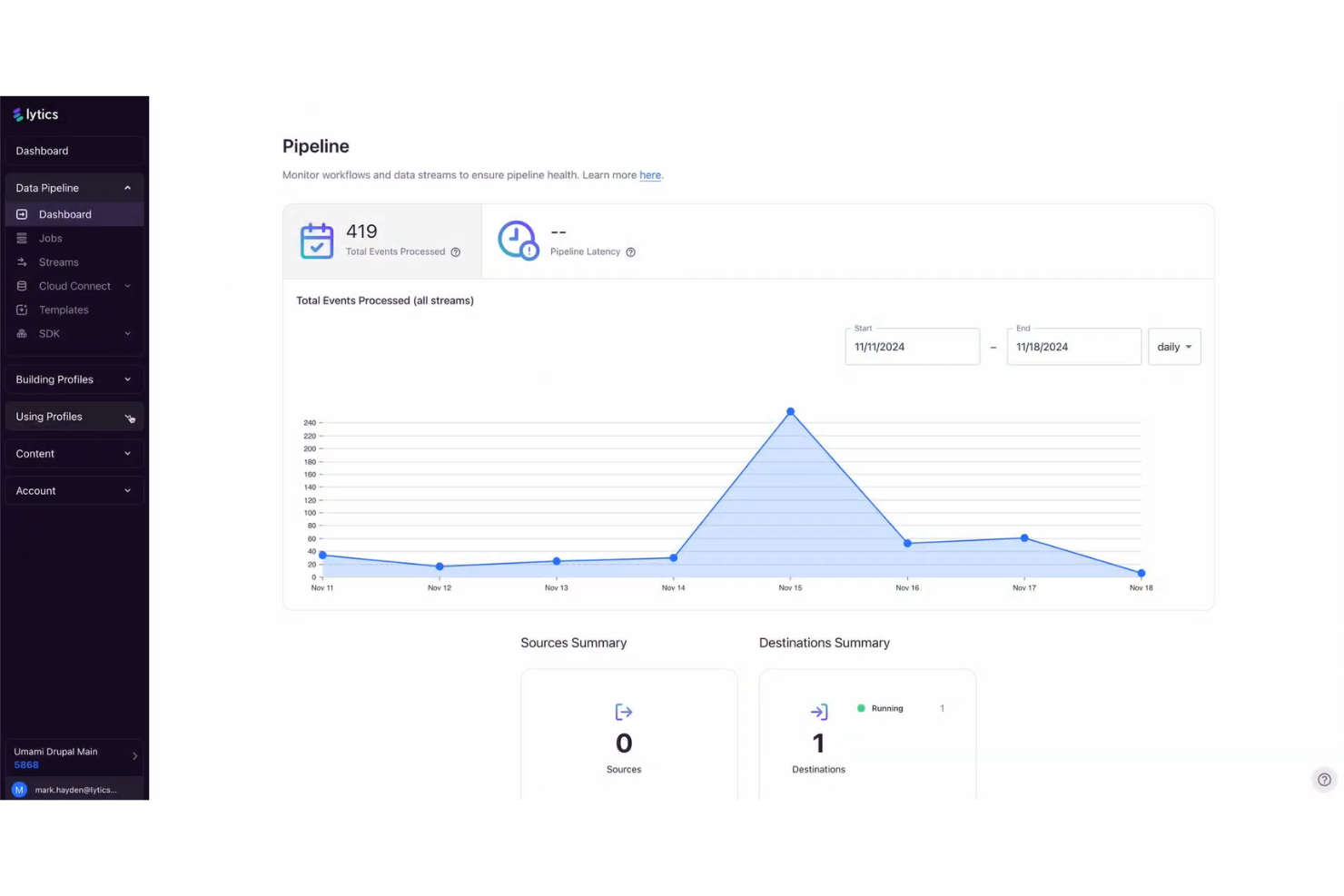
Per i team focalizzati su un targeting avanzato del pubblico, Contentstack porta l’analisi predittiva in primo piano. Questa piattaforma è pensata per marketer e team di dati che desiderano utilizzare dati comportamentali e apprendimento automatico per anticipare le azioni dei clienti. Contentstack si distingue tra le alternative a Segment offrendo punteggi predittivi per il pubblico e segmentazione dinamica che si adatta man mano che il comportamento dei clienti cambia.
Perché Contentstack è una buona alternativa a Segment
Contentstack adotta un approccio diverso rispetto alle altre alternative a Segment, concentrandosi sul targeting predittivo del pubblico. Ho scelto Contentstack perché utilizza modelli di apprendimento automatico per valutare i segmenti di pubblico in base alla loro probabilità di conversione o coinvolgimento, permettendo di dare priorità alle attività di outreach in modo più strategico. Il motore di dati comportamentali della piattaforma aggiorna continuamente i segmenti in base alle azioni dei clienti, così il tuo targeting rimane sempre rilevante in tempo reale. Per i team che vogliono andare oltre i segmenti statici, Contentstack offre funzionalità predittive che aiutano ad anticipare e soddisfare le intenzioni dei clienti.
Funzionalità principali di Contentstack
Altre funzionalità di Contentstack che potrebbero interessare i team marketing e data includono:
- Motore di affinità dei contenuti: Analizza le interazioni degli utenti per identificare le preferenze individuali sui contenuti.
- Orchestrazione dei percorsi: Coordina messaggi personalizzati su più canali in base al comportamento dei clienti.
- Arricchimento dei dati in tempo reale: Aggiorna istantaneamente i profili dei clienti man mano che vengono raccolti nuovi dati.
- Strumenti di esportazione dei segmenti: Invia i segmenti di pubblico direttamente alle piattaforme di marketing collegate per l’attivazione.
Integrazioni di Contentstack
Le integrazioni includono Zapier, Amazon S3, Shopify, BigCommerce, SAP Hybrids, Dynamic Yield, YouTube e altre.
Pros and Cons
Pros:
- Punteggi predittivi per la prioritizzazione del pubblico
- Aggiornamenti in tempo reale dei profili dai dati comportamentali
- Modeling dell’affinità dei contenuti per la personalizzazione
Cons:
- Meno connettori preimpostati rispetto ad alcuni concorrenti
- Le dashboard di reportistica non offrono opzioni di personalizzazione avanzata

Tealium
Ideale per la governance dei dati in tempo reale

Tealium è pensato per le organizzazioni che necessitano di un controllo rigoroso sui dati dei clienti in tempo reale. Questa piattaforma è particolarmente utile per i team orientati alla privacy in settori regolamentati o per le aziende che gestiscono flussi di dati complessi. Con Tealium, puoi far rispettare le politiche di gestione dei dati istantaneamente mentre i dati si spostano all’interno del tuo stack, differenziandosi così da molte altre alternative a Segment.
Perché Tealium è una valida alternativa a Segment
Se hai bisogno di gestire i dati dei clienti con una governance rigorosa e in tempo reale, Tealium è una scelta solida. Ho scelto Tealium perché offre validazione dei dati in tempo reale e applicazione immediata delle policy, aiutando i team a mantenere la conformità man mano che i dati scorrono attraverso diversi sistemi. I suoi strumenti di gestione del consenso ti permettono di controllare la raccolta e la condivisione dei dati in base alle preferenze degli utenti e ai requisiti normativi. Per le organizzazioni in cui privacy e governance dei dati sono una priorità, Tealium offre capacità che vanno oltre la maggior parte delle alternative a Segment.
Funzionalità principali di Tealium
Altre funzionalità di Tealium che potrebbero interessare ai team dedicati ai dati e alla privacy includono:
- Sistema di gestione dei tag: Consente di gestire e implementare tag di marketing e analisi su tutte le proprietà digitali da un’unica interfaccia.
- AudienceStream CDP: Permette di costruire e attivare profili clienti unificati per offrire esperienze personalizzate.
- SDK mobili: Fornisce librerie per la raccolta e gestione dei dati dalle app mobili su iOS e Android.
- Monitoraggio eventi lato server: Raccoglie e processa eventi dei clienti direttamente dai tuoi server, bypassando i limiti dei browser.
Integrazioni di Tealium
Le integrazioni includono Databricks, Amazon, Braze, Snowflake, Adobe, Quantum Metric e altre ancora.
Pros and Cons
Pros:
- Governance dei dati in tempo reale su tutti i canali
- Gestione integrata del consenso per la conformità alla privacy
- La gestione dei tag supporta implementazioni aziendali complesse
Cons:
- Supporto limitato per destinazioni dati open-source
- Alcune integrazioni richiedono fasi di configurazione aggiuntive
Ideale per team dati guidati dall’ingegneria
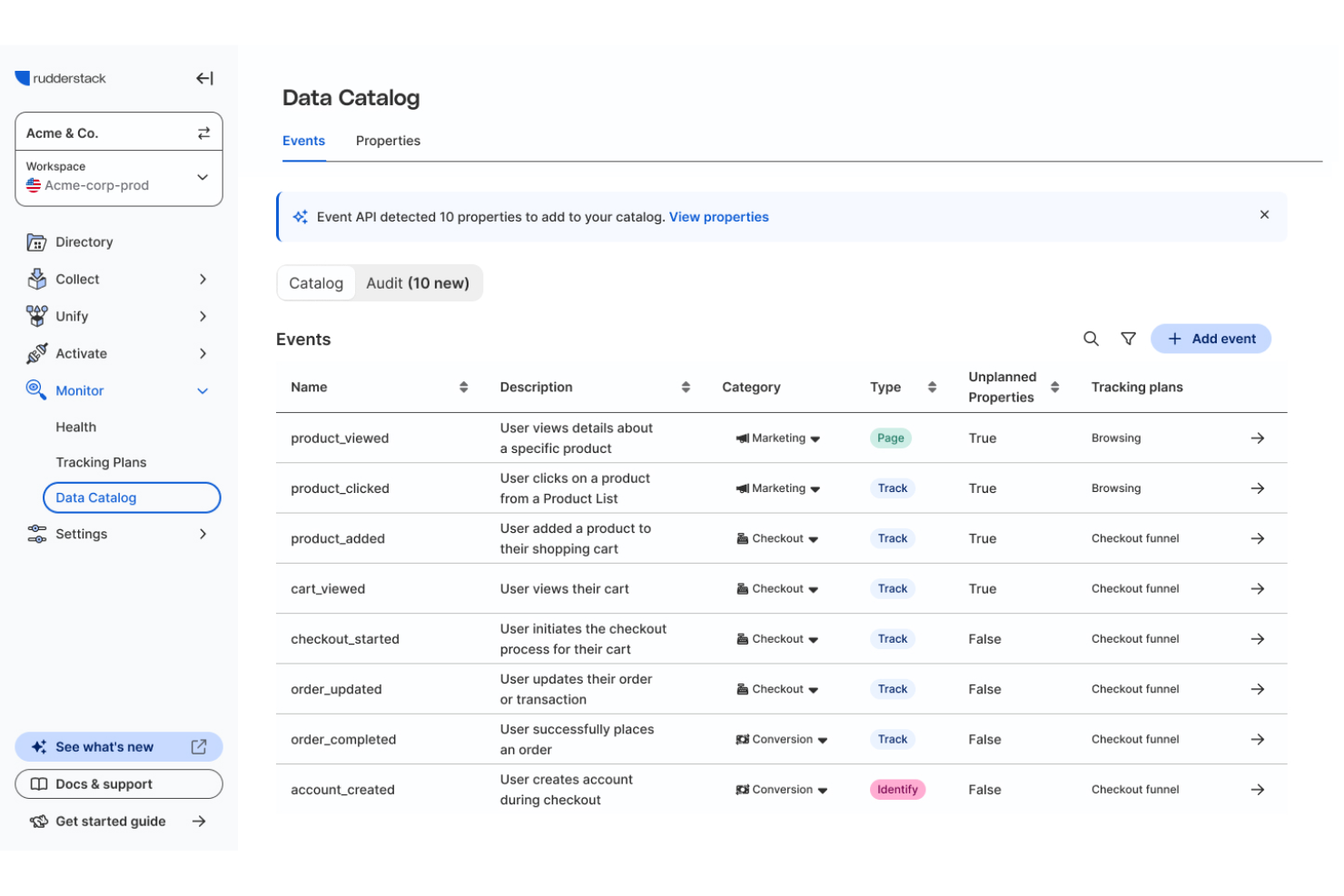
RudderStack è pensato per i team che desiderano il pieno controllo sulle pipeline dei dati dei clienti e prediligono un approccio orientato all’ingegneria. Si rivolge a aziende con competenze tecniche interne che necessitano di personalizzare il routing dei dati, il tracciamento degli eventi e le trasformazioni dei dati. Se cerchi la flessibilità open-source e strumenti potenti per sviluppatori, RudderStack si distingue tra le alternative a Segment grazie al supporto alle decisioni basate sui dati.
Perché RudderStack è una valida alternativa a Segment
RudderStack si distingue per i team che vogliono costruire e gestire le proprie pipeline di dati con precisione ingegneristica. L’ho scelto come alternativa a Segment perché offre un’architettura open-source e potenti strumenti di sviluppo, che ti consentono di personalizzare il tracciamento degli eventi e il routing dei dati in base al tuo stack. Funzionalità come l’elaborazione dati warehouse-first e il supporto a trasformazioni avanzate danno ai team tecnici una flessibilità superiore rispetto alla maggior parte delle soluzioni chiavi in mano. Se per la tua azienda è importante avere un controllo pratico e possibilità di personalizzazione, RudderStack è una scelta ideale.
Funzionalità principali di RudderStack
Altre funzionalità di RudderStack che possono interessare i team tecnici includono:
- Reverse ETL: Sincronizza i dati dal tuo warehouse verso gli strumenti operativi per un’attivazione in tempo reale.
- Event Replay: Permette di reinviare dati storici di eventi verso nuove o esistenti destinazioni senza dover reinstallare gli strumenti.
- Identity Resolution: Unifica i profili utente su dispositivi e sessioni utilizzando regole di identità personalizzabili.
- Privacy Controls: Offre strumenti integrati per la governance dei dati, gestione del consenso e conformità alle normative sulla privacy.
Integrazioni di RudderStack
Tra le integrazioni figurano Snowflake, Braze, Amplitude, Databricks, Salesforce, Mixpanel, Zendesk e molte altre.
Pros and Cons
Pros:
- Architettura open source per il pieno controllo dei dati
- Documentazione tecnica e supporto SDK avanzati
- Capacità flessibili di trasformazione degli eventi
Cons:
- È necessaria la presenza di risorse ingegneristiche per la configurazione
- Le funzionalità avanzate possono richiedere codice personalizzato

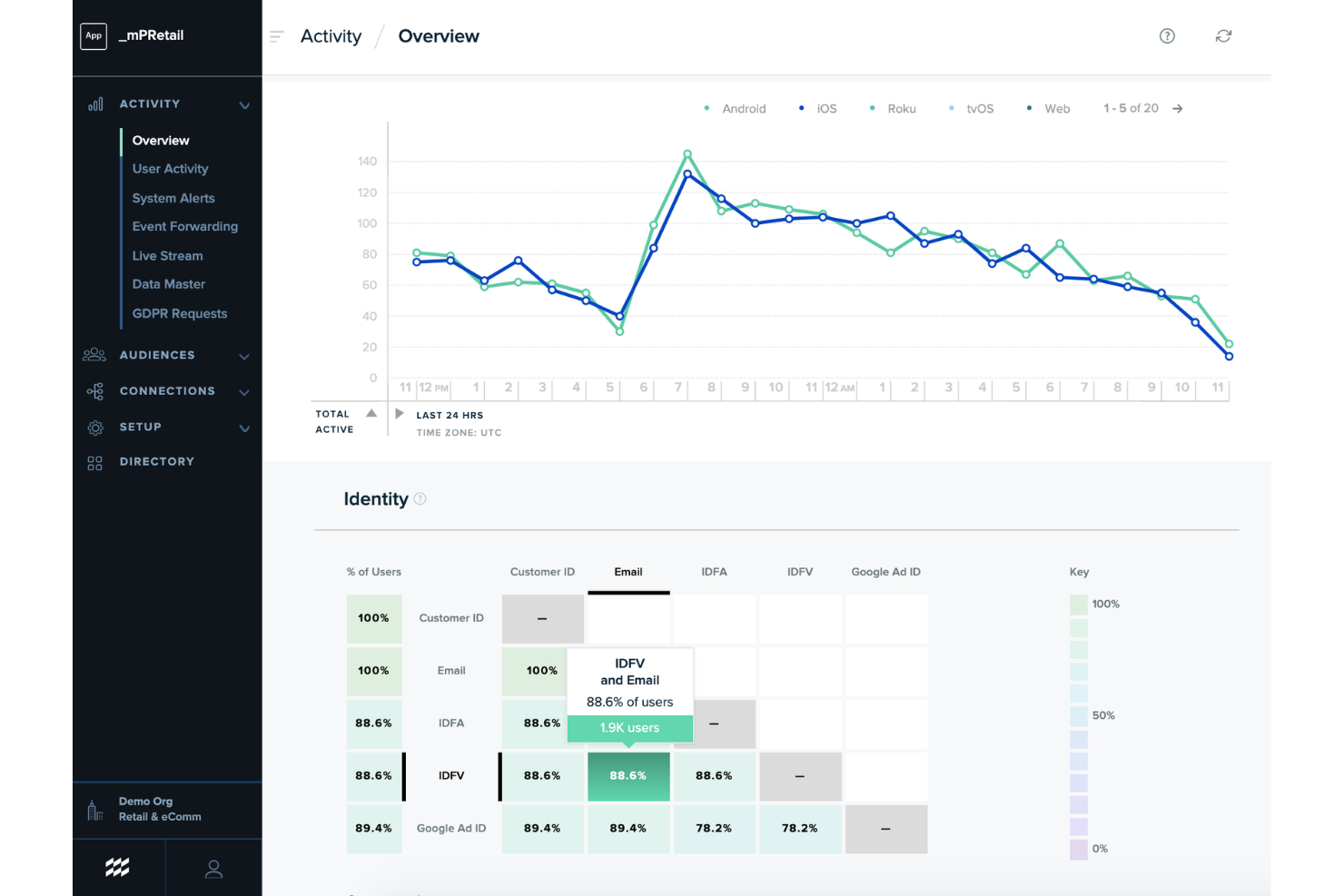
Se il tuo team ha bisogno di unificare i dati dei clienti provenienti da app mobili, mParticle è progettato per un'integrazione dei dati mobile-first. Questa piattaforma si rivolge a product manager e marketer di brand consumer che desiderano connettere, pulire e attivare dati da dispositivi mobili, web e dispositivi connessi. mParticle si distingue dalle altre alternative a Segment offrendo un supporto SDK avanzato per le piattaforme mobili e controlli di qualità dei dati in tempo reale pensati per business incentrati sulle app.
Perché mParticle è una buona alternativa a Segment
Per i team che danno priorità all'integrazione dei dati mobile-first, mParticle offre funzionalità che vanno oltre quanto forniscono la maggior parte delle alternative a Segment. Ho scelto mParticle perché mette a disposizione SDK per iOS, Android e altre piattaforme mobili, rendendo facile raccogliere e unificare i dati delle app. Gli strumenti di controllo della qualità dei dati in tempo reale della piattaforma ti aiutano a filtrare, validare e trasformare i dati degli eventi mobile prima che raggiungano i sistemi a valle. Se la tua azienda si basa fortemente sulle app mobili, la focalizzazione di mParticle su pipeline di dati mobile-centrate lo rende una soluzione molto adatta.
Funzionalità principali di mParticle
Altre funzionalità di mParticle che possono interessare i team data e marketing includono:
- Audience Builder: Consente di creare e gestire segmenti di pubblico dinamici utilizzando dati in tempo reale.
- Controlli per la privacy dei dati: Offrono strumenti di gestione del consenso e data governance a livello granulare per la conformità.
- Event Forwarding: Invia i dati raccolti a una vasta gamma di strumenti di analisi e marketing senza esportazioni manuali.
- Risoluzione dell'identità utente: Collega i profili utente tra dispositivi e canali per mantenere una visione unificata del cliente.
Integrazioni di mParticle
Le integrazioni includono Amplitude, Mixpanel, Braze, Google Analytics, Facebook, Salesforce, Snowflake, Amazon Redshift, Shopify e molte altre.
Pros and Cons
Pros:
- Gli SDK mobili supportano iOS, Android e altro ancora
- Invio degli eventi in tempo reale a più destinazioni
- Gestione integrata del consenso per la conformità alla privacy
Cons:
- Sono necessarie risorse di ingegneria per la configurazione iniziale
- Nessuno strumento integrato di gestione delle campagne


Se la tua azienda ha bisogno di gestire una segmentazione del pubblico complessa su larga scala, ActionIQ è pensato per te. Questa piattaforma è progettata per i team aziendali che desiderano unificare i dati dei clienti e orchestrare esperienze personalizzate attraverso i vari canali. ActionIQ si distingue tra le alternative a Segment per la sua capacità di gestire enormi volumi di dati e supportare strategie di segmentazione avanzate.
Perché ActionIQ è una valida alternativa a Segment
Per le organizzazioni che devono segmentare e attivare il pubblico su scala aziendale, ActionIQ offre funzionalità che vanno oltre la maggior parte delle alternative a Segment. Ho scelto ActionIQ perché supporta la creazione di audience complesse con un'interfaccia flessibile e senza codice e un'elaborazione dei dati in tempo reale. La sua piattaforma di dati clienti centralizza le informazioni provenienti da più fonti, facilitando la creazione di segmenti altamente mirati e l'orchestrazione di campagne su diversi canali. Se il tuo team gestisce grandi set di dati e necessita di una segmentazione avanzata, ActionIQ è progettato per rispondere a queste esigenze.
Funzionalità principali di ActionIQ
Altre funzionalità di ActionIQ che potrebbero interessare i team aziendali comprendono:
- Orchestrazione dei percorsi: ti consente di progettare e automatizzare viaggi dei clienti su più fasi e canali.
- Strumenti di governance dei dati: offre controlli per la gestione dell'accesso, delle autorizzazioni e della conformità dei dati.
- Analisi predittiva: utilizza modelli di machine learning per prevedere il comportamento dei clienti e segmentare i pubblici.
- Aggiornamenti in tempo reale delle audience: aggiorna automaticamente i segmenti di pubblico quando nuovi dati vengono inseriti nella piattaforma.
Integrazioni di ActionIQ
Le integrazioni includono Salesforce, Adobe Analytics, Snowflake, Google BigQuery, Amazon S3 e altre ancora.
Pros and Cons
Pros:
- Gestisce efficientemente la segmentazione del pubblico su larga scala
- Interfaccia no-code per la creazione di segmenti complessi
- Elaborazione dei dati in tempo reale per insight sempre aggiornati
Cons:
- Le funzionalità avanzate possono richiedere supporto durante l'onboarding
- Documentazione pubblica limitata rispetto ai concorrenti

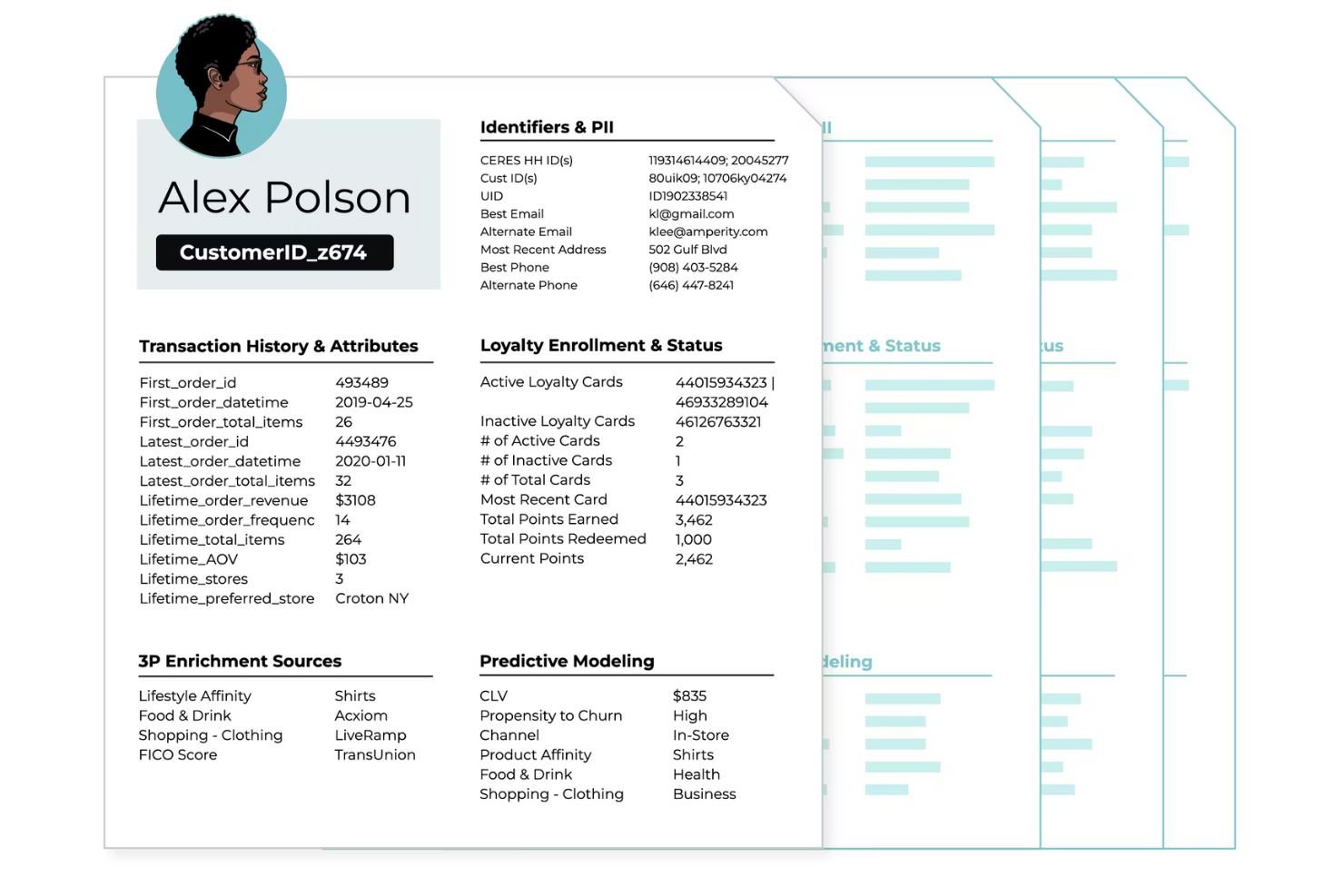
Quando la risoluzione dell'identità del cliente è la tua massima priorità, Amperity offre un approccio specializzato. Questa piattaforma è progettata per brand enterprise e team dati che devono unificare dati cliente frammentati in un unico profilo accurato. Amperity si distingue dalle altre alternative a Segment utilizzando una risoluzione identitaria alimentata dall'intelligenza artificiale per collegare dati provenienti da diverse fonti e offrire una vera visione a 360 gradi del cliente.
Perché Amperity è una valida alternativa a Segment
Se il tuo team ha difficoltà con dati cliente frammentati, Amperity è progettata per risolvere questo problema tramite la risoluzione unificata dell'identità. Ho scelto Amperity perché utilizza il machine learning per abbinare e unire i record dei clienti provenienti da più fonti, creando un profilo cliente unico e accurato. Il suo motore brevettato di risoluzione dell'identità perfeziona continuamente i profili con l'arrivo di nuovi dati, aiutandoti a mantenere informazioni cliente sempre aggiornate e affidabili. Per le organizzazioni che necessitano di una vera visione a 360 gradi dei propri clienti, Amperity offre funzionalità che vanno oltre ciò che la maggior parte delle alternative a Segment propone.
Caratteristiche principali di Amperity
Altre funzionalità di Amperity che potrebbero interessare i team orientati ai dati includono:
- Segmentazione automatica: consente di creare e gestire segmenti di pubblico attraverso un'interfaccia visiva senza codice.
- Monitoraggio della Qualità dei Dati: verifica continuamente anomalie e incoerenze nei dati tra diverse fonti.
- Acquisizione automatica dei dati: importa e aggiorna dati dei clienti da più sistemi secondo una pianificazione programmata.
- Gestione del Consenso: traccia e gestisce le preferenze di consenso dei clienti per la conformità alle normative sulla privacy.
Integrazioni Amperity
Le integrazioni includono ActiveCampaign, Acxiom, Adobe Analytics, AdRoll, Airtable, Amazon S3, Amplitude e altre ancora.
Pros and Cons
Pros:
- Risoluzione identitaria con IA per profili unificati
- Strumento visivo per la creazione di segmenti di pubblico
- Acquisizione automatica dei dati da più fonti
Cons:
- Richiede una notevole preparazione dati iniziale
- Le opzioni di esportazione dei segmenti possono essere restrittive


Simon AI offre un approccio unico per i team che desiderano automatizzare e personalizzare le campagne clienti tramite l'IA. Questa piattaforma è particolarmente rilevante per marketer e responsabili CRM di brand consumer che vogliono orchestrare percorsi complessi e multicanale senza un pesante setup manuale. Ciò che distingue Simon AI dalle altre alternative a Segment è la sua attenzione alla progettazione e ottimizzazione delle campagne guidate dall'IA, aiutandoti a offrire esperienze mirate su larga scala.
Perché Simon AI è una valida alternativa a Segment
Se cerchi alternative a Segment che diano priorità all'orchestrazione delle campagne alimentate dall'IA, Simon AI offre un vantaggio distintivo. Ho scelto Simon AI perché utilizza il machine learning per automatizzare il targeting delle campagne, la tempistica e la selezione del canale, riducendo lo sforzo manuale dei team marketing. Il journey builder della piattaforma ti consente di progettare e lanciare campagne multistep e cross-canale che si adattano in tempo reale ai comportamenti dei clienti. Per i team focalizzati sulle esperienze personalizzate su larga scala, gli strumenti di orchestrazione guidati dall'IA di Simon AI rappresentano un approccio moderno.
Caratteristiche principali di Simon AI
Altre funzionalità di Simon AI che possono interessare i team marketing e CRM includono:
- Profili cliente unificati: Combina i dati provenienti da più fonti per creare una visione unica e attuabile di ogni cliente.
- Segmentazione del pubblico: Ti permette di costruire e gestire segmenti dinamici basati su comportamenti e attributi in tempo reale.
- Motore A/B Testing: Ti consente di testare diverse varianti della campagna e ottimizzare la comunicazione.
- Integrazioni per l'arricchimento dei dati: Si collega con fornitori di dati di terze parti per arricchire i profili dei clienti con attributi aggiuntivi.
Integrazioni di Simon AI
Le integrazioni includono Snowflake, Braze, Attentive, The Trade Desk, Amazon Redshift, Salesforce, Zendesk, TikTok, Shopify e altro ancora.
Pros and Cons
Pros:
- Orchestrazione guidata da IA per campagne multicanale
- Visual journey builder per la progettazione delle campagne
- Supporta test A/B e multivariati avanzati
Cons:
- Non include un sistema integrato di ticketing per l'assistenza clienti
- È necessario disporre di dati strutturati per prestazioni ottimali

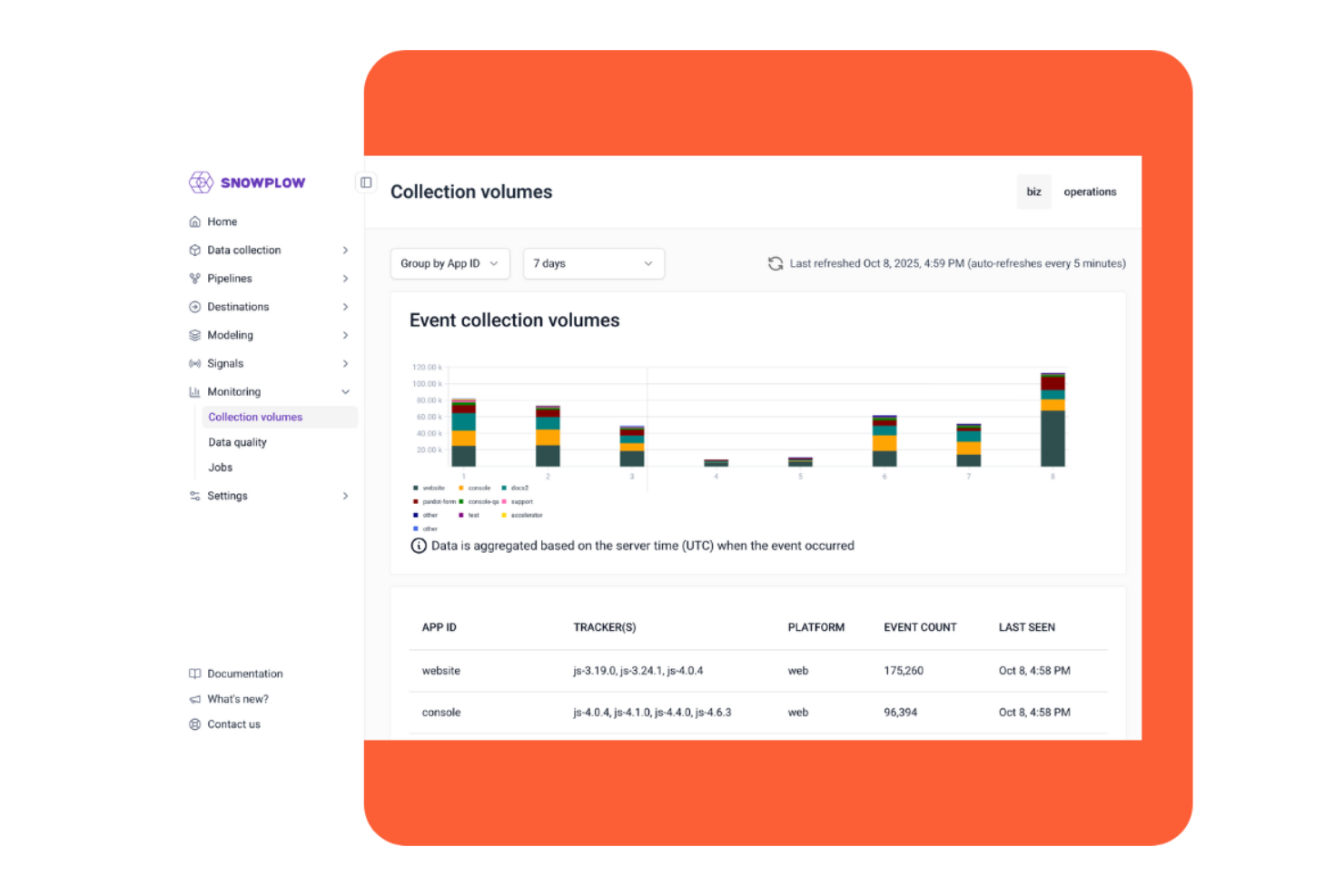
Snowplow si distingue per i team che necessitano di un controllo dettagliato sulla raccolta e la modellazione dei dati degli eventi. Questa piattaforma è particolarmente adatta a data engineer e responsabili analytics in organizzazioni con esigenze di tracciamento complesse o pipeline dati personalizzate. A differenza di molte alternative a Segment, Snowplow consente di definire, tracciare e strutturare ogni evento per adattarsi alla logica aziendale e alle esigenze di analisi specifiche.
Perché Snowplow è una valida alternativa a Segment
Per i team che desiderano il pieno controllo sul tracciamento degli eventi, Snowplow offre un livello di personalizzazione difficile da eguagliare. Ho scelto Snowplow perché permette di definire i propri schemi di eventi e raccogliere punti dati altamente specifici, invece di affidarsi a modelli preimpostati. La piattaforma supporta anche la raccolta e l'elaborazione dei dati in tempo reale, così da poter costruire flussi di analytics su misura per il proprio business. Se hai bisogno di tracciare comportamenti unici dei clienti o creare modelli di dati personalizzati, il tracking flessibile di Snowplow si distingue tra le alternative a Segment.
Funzionalità principali di Snowplow
Altre funzionalità di Snowplow che potrebbero interessare ai data team includono:
- Collector open source: consente di implementare e gestire la propria infrastruttura di raccolta dati degli eventi.
- Integrazioni con data warehouse: supporta connessioni dirette a piattaforme come Snowflake, BigQuery e Redshift.
- Monitoraggio della qualità dei dati: controlla costantemente i dati degli eventi per rilevare errori e incongruenze negli schemi.
- Strumenti per la conformità a GDPR e CCPA: fornisce funzionalità integrate per gestire privacy dei dati e requisiti normativi.
Integrazioni di Snowplow
Le integrazioni includono Databricks, Snowflake, Google BigQuery, Amazon S3, Delta Lake, Kafka, AWS Bedrock, GCP Vertex AI, LangChain e altri.
Pros and Cons
Pros:
- Collector open source per controllo totale sull'implementazione
- Supporta la definizione di schemi eventi personalizzati
- Pipeline dati in tempo reale per analytics immediati
Cons:
- Nessuna interfaccia visiva per la mappatura degli eventi
- Mancano funzionalità di segmentazione del pubblico integrate
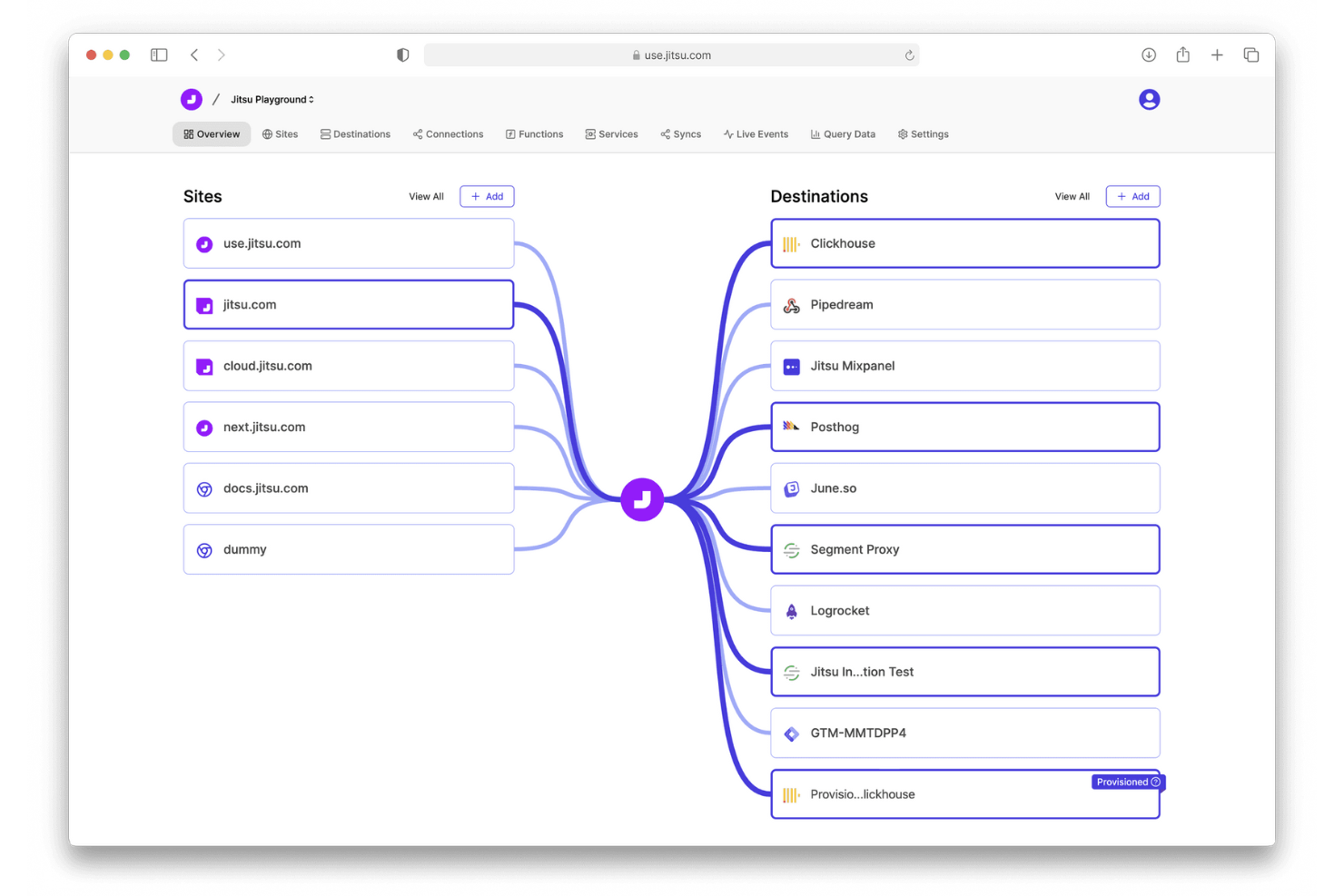
Jitsu si distingue per i team che desiderano il pieno controllo sulla raccolta dei dati sugli eventi utilizzando una tecnologia open source. È una soluzione ideale per ingegneri dei dati e team di analisi che hanno bisogno di ospitare autonomamente, personalizzare o verificare ogni parte del proprio pipeline di eventi. Con Jitsu, puoi raccogliere, instradare e trasformare i dati sugli eventi senza dover fare affidamento su sistemi proprietari opachi, comuni in altre alternative a Segment.
Perché Jitsu è una buona alternativa a Segment
Per i team che cercano trasparenza e flessibilità nella raccolta degli eventi, Jitsu è un'ottima scelta. Ho scelto Jitsu perché è open source, quindi puoi ospitarlo in autonomia e ispezionare ogni parte della tua pipeline dei dati. Il suo event router permette di raccogliere, trasformare e inviare dati a più destinazioni senza essere vincolati a un fornitore. Se hai bisogno di personalizzare o verificare la configurazione del tracciamento degli eventi, Jitsu offre un livello di controllo che la maggior parte delle alternative a Segment non possiede.
Funzionalità chiave di Jitsu
Altre funzionalità di Jitsu che possono interessare i team dati includono:
- Streaming dati in tempo reale: Invia i dati degli eventi alle destinazioni man mano che vengono raccolti, senza ritardi.
- Supporto all'evoluzione degli schemi: Si adatta automaticamente ai cambiamenti nella struttura degli eventi nel tempo.
- Strumenti di debug integrati: Permette di ispezionare e risolvere i problemi dei flussi di eventi direttamente dall'interfaccia.
- Template di destinazione: Fornisce configurazioni preimpostate per data warehouse e strumenti di analisi comuni.
Integrazioni Jitsu
Le integrazioni includono BigQuery, ClickHouse, MongoDB, MySQL, PostgreSQL, Redshift, Snowflake, Amplitude, Mixpanel e altro ancora.
Pros and Cons
Pros:
- Codice open-source che garantisce completa trasparenza
- Opzione self-hosting per il pieno controllo dei dati
- Streaming di eventi in tempo reale verso più destinazioni
Cons:
- Nessuna funzionalità integrata di segmentazione dell'audience
- Manca il supporto nativo per SDK mobili

Se stai cercando un'alternativa a Segment che ti permetta di avere il controllo sulla tua infrastruttura dati, vale la pena prendere in considerazione Tracardi. Questa piattaforma open source è progettata per team tecnici e organizzazioni che desiderano creare, gestire e automatizzare pipeline di dati auto-ospitate. Tracardi si distingue per la sua flessibilità nell'elaborazione degli eventi e per la capacità di mantenere i dati sensibili dei clienti completamente sotto il tuo controllo.
Perché Tracardi è una buona alternativa a Segment
A differenza della maggior parte delle alternative a Segment, Tracardi è sviluppato specificamente per i team che desiderano ospitare autonomamente e controllare completamente le proprie pipeline di dati. Ho scelto Tracardi perché consente di progettare flussi di eventi personalizzati e automatizzare l'elaborazione dei dati con un generatore visivo di flussi di lavoro. La piattaforma supporta l'arricchimento avanzato degli eventi e il routing dei dati in tempo reale, così puoi adattare la pipeline alle tue esigenze precise. Se la tua organizzazione deve mantenere i dati sensibili in sede o rispettare rigorosi standard di conformità, Tracardi offre la flessibilità e il controllo che le soluzioni basate sul cloud non possono garantire.
Funzionalità principali di Tracardi
Alcune altre funzionalità di Tracardi che potrebbero interessare i team tecnici includono:
- Architettura basata su plugin: consente di estendere le funzionalità aggiungendo o sviluppando plugin personalizzati.
- Gestione dei profili utente: monitora e gestisce profili utente dettagliati per flussi di dati personalizzati.
- Progettazione API-first: fornisce un'API per l'integrazione con sistemi esterni e applicazioni personalizzate.
- Monitoraggio delle origini degli eventi: monitora le origini degli eventi in ingresso e offre visibilità sull'acquisizione dei dati.
Integrazioni di Tracardi
Al momento non sono elencate integrazioni native.
Pros and Cons
Pros:
- Completamente open source, senza vincoli con il fornitore
- Generatore visivo di flussi di lavoro per pipeline personalizzate
- Supporta la distribuzione in sede per la conformità
Cons:
- Richiede il ridimensionamento manuale e la gestione dell'infrastruttura
- Meno funzionalità integrate di analisi e reportistica
Altre alternative a Segment
Ecco alcune alternative aggiuntive a Segment che non sono state incluse nella mia selezione, ma che vale comunque la pena valutare:
- RedPoint Global
Ideale per l'orchestrazione dei dati omnicanale
- Data 360
Ottimale con integrazione all'ecosistema Salesforce
- Oracle Unity Data Platform
Il migliore per la risoluzione dell'identità su scala aziendale


Come valuto le alternative a Segment
Valuto ogni strumento su due livelli: se gestisce l'infrastruttura fondamentale dei dati e ciò che lo distingue per i team che migrano gli stack, gestiscono la scalabilità o rafforzano la governance dei dati.
Funzionalità fondamentali (requisiti essenziali per questo elenco)
Quando seleziono gli strumenti per il mio elenco, assegno a ciascuno un punteggio su una scala da 0 (non offre la funzionalità) a 5 (eccelle in quest'area) per ogni funzionalità fondamentale elencata di seguito. Quindi, calcolo il punteggio totale dello strumento sotto forma di percentuale. Ogni strumento deve raggiungere un punteggio totale minimo del 65% per essere preso in considerazione.
- Raccolta dati da più origini: considero quanti SDK e connettori di origine offre ciascuna piattaforma, dai tag web e mobile lato client all'acquisizione lato server e dalle applicazioni cloud.
- Catalogo delle integrazioni di destinazione: l'ampiezza delle destinazioni preconfigurate è importante, soprattutto la copertura degli strumenti CX come Braze, Salesforce e Amplitude, oltre alle piattaforme pubblicitarie e ai magazzini dati.
- Risoluzione dell'identità: valuto come ciascuno strumento collega i visitatori anonimi ai profili noti, inclusa l'unificazione tra dispositivi e la possibilità di configurare regole o grafi delle identità.
- Segmentazione e attivazione del pubblico: in questo caso verifico la creazione di pubblici comportamentali in tempo reale e la frequenza di sincronizzazione, ad esempio l'attivazione di un elenco di soppressione nel momento stesso in cui un cliente effettua una conversione.
- Governance dei dati e consenso: ogni piattaforma dovrebbe offrire l'applicazione dello schema, controlli sui dati personali identificabili e flussi di lavoro per la gestione del consenso a supporto dei requisiti del GDPR e del CCPA a livello di dati.
- Supporto per magazzini dati ed ETL inverso: verifico se lo strumento trasmette gli eventi a magazzini dati come Snowflake o BigQuery e se può attivare i dati modellati nel magazzino dati negli strumenti a valle.
Una volta ottenuto un elenco di strumenti che soddisfano questi criteri, considero ciò che distingue ciascuna piattaforma.
Fattori distintivi (ciò che distingue i fornitori)
Ecco come confronto e metto in contrapposizione i diversi fornitori:
Funzionalità distintive
L'architettura nativa del magazzino dati è un importante elemento di differenziazione che cerco. Piattaforme come RudderStack e Hightouch consentono al magazzino dati di rimanere l'unica fonte di verità, eliminando le copie di dati ridondanti e mantenendo il pieno controllo nelle mani del team di analisi. Valuto anche se una piattaforma offre un generatore visivo dei piani di tracciamento, poiché consente ai team delle operazioni di marketing di definire e sottoporre a versionamento gli schemi degli eventi senza dover aprire richieste al team di ingegneria. Anche la trasparenza dei prezzi è importante: verifico se la fatturazione cresce in modo prevedibile in base agli MTU o agli eventi, così i team possono prevedere i costi all'aumentare del volume dei dati.
Oltre le funzionalità
Le certificazioni di conformità come SOC 2 di tipo II e l'idoneità HIPAA hanno un peso concreto quando il team gestisce dati sensibili dei clienti, quindi verifico fin dall'inizio il livello di sicurezza di ciascun fornitore. Anche l'implementazione e il tempo necessario per ottenere valore sono fattori che valuto attentamente. Alcune piattaforme offrono API compatibili con Segment o strumenti di migrazione che accorciano notevolmente il passaggio. Considero inoltre la flessibilità di distribuzione: i team dei settori regolamentati hanno spesso bisogno di opzioni come l'hosting con tenant dedicato o la residenza regionale dei dati, e non tutte le alternative alle CDP supportano queste configurazioni.
Perché cercare un’alternativa a Segment?
Sebbene Segment sia una buona scelta, ci sono diversi motivi per cui alcuni utenti cercano soluzioni alternative. Potresti cercare un’alternativa a Segment perché…
- Hai bisogno di un controllo completo sull’archiviazione e sulla privacy dei dati
- Vuoi una distribuzione autogestita o open source
- Devi affrontare costi elevati con l’aumento dei volumi di dati
- Richiedi pipeline di dati più flessibili o personalizzate
- Hai bisogno di supporto per requisiti rigorosi di conformità
- Vuoi evitare la dipendenza da un fornitore
Se ti riconosci in una di queste situazioni, sei nel posto giusto. Il mio elenco contiene diverse alternative a Segment più adatte ai team che affrontano queste difficoltà con Segment e cercano soluzioni alternative.
Principali funzionalità di Segment
Ecco alcune delle principali funzionalità di Segment, per aiutarti a mettere a confronto ciò che offrono le soluzioni alternative:
- Raccolta centralizzata dei dati dei clienti da più fonti
- Monitoraggio ed elaborazione degli eventi in tempo reale
- Risoluzione delle identità e profili unificati dei clienti
- Instradamento dei dati verso centinaia di strumenti downstream
- Controlli integrati per la gestione della privacy e del consenso
- Segmentazione del pubblico e attivazione
- Generatore visivo di flussi di lavoro per pipeline di dati
- Supporto per la distribuzione e la scalabilità basate sul cloud
- Ampia libreria di integrazioni native
- API e SDK intuitivi per gli sviluppatori, per casi d'uso personalizzati