

10 Best Segment Alternatives for Customer Data in 2026

Segment Alternatives Shortlist


A strong Segment alternative gives your team flexible data integration, reliable event tracking, and control over customer profiles without vendor lock-in. If you’re searching for Segment alternatives, you likely need an all-in-one platform that connects multiple data sources, supports customer data management, and helps track user behavior to improve user experience. These tools are used by engineering teams and marketers to power marketing automation and optimize marketing campaigns, while scaling with your customer experience goals. This list will help you compare leading options, understand their unique strengths, and choose the right customer data platform for your business.
What Is Segment?
Segment is a SaaS customer data platform (CDP) that collects, unifies, and routes customer data from multiple sources to marketing, analytics, and data warehousing tools. It acts as a customer data infrastructure and analytics platform, helping businesses create a single view of the customer across web, mobile, and server environments. Segment is widely used by teams to manage data pipelines, ensure data quality, and support data activation for personalized customer experiences across channels.
Twilio Segment Alternatives Comparison Table
This comparison table summarizes pricing details for my top Twilio Segment alternative selections:
| Tool | Best For | Trial Info | Price | ||
|---|---|---|---|---|---|
| 1 | Best for predictive audience targeting | Free plan available | Pricing upon request | Website | |
| 2 | Best for real-time data governance | Free demo available | Pricing upon request | Website | |
| 3 | Best for engineering-driven data teams | Free plan + free demo available | From $220/month | Website | |
| 4 | Best with mobile-first data integration | Free demo available | Pricing upon request | Website | |
| 5 | Best for enterprise-scale audience Segmentation | Free demo available | Pricing upon request | Website | |
| 6 | Best with unified customer identity resolution | Free demo available | Pricing upon request | Website | |
| 7 | Best for AI-powered campaign orchestration | Free demo available | Pricing upon request | Website | |
| 8 | Best with customizable event tracking | Free demo available | Pricing upon request | Website | |
| 9 | Best with open-source event collection | Free trial + free plan available | From $99/month | Website | |
| 10 | Best for self-hosted data pipelines | Free plan available | Pricing upon request | Website |
Why Trust Our Software Recommendations
Our team has been testing and reviewing software since 2012. As CX leaders ourselves, we know how difficult—and important—it is to choose the right software.
For this guide, we evaluated tools using hands-on testing and independent research, scoring tools using our selection criteria.
Our reviews reflect our human editorial judgment, not a sales pitch.
Segment Alternatives Reviews
Below are my detailed summaries of the Segment alternatives that made it onto my shortlist. My reviews offer a detailed look at the features, integrations, and best use cases of each platform to help you find the best one for you.

Best for predictive audience targeting
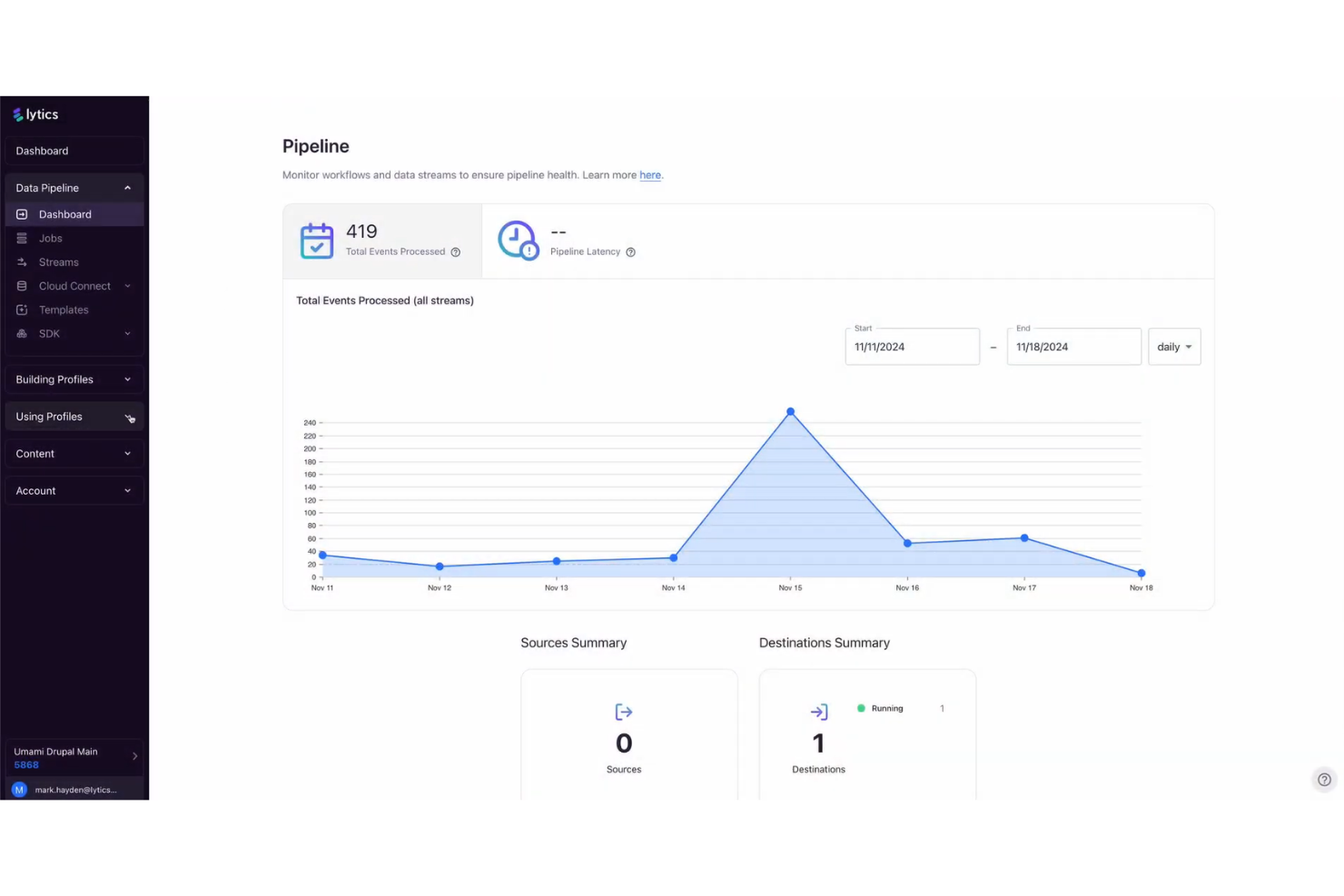
For teams focused on advanced audience targeting, Contentstack brings predictive analytics to the forefront. This platform is built for marketers and data teams who want to use behavioral data and machine learning to anticipate customer actions. Contentstack stands out among Segment alternatives by offering predictive audience scoring and dynamic Segmentation that adapts as customer behavior changes.
Why Contentstack Is a Good Segment Alternative
Contentstack takes a different approach from other Segment alternatives by focusing on predictive audience targeting. I picked Contentstack because it uses machine learning models to score audiences based on their likelihood to convert or engage, letting you prioritize outreach more strategically. The platform’s behavioral data engine continuously updates Segments as customer actions change, so your targeting stays relevant in real time. For teams that want to move beyond static Segments, Contentstack offers predictive capabilities that help you anticipate and act on customer intent.
Contentstack Key Features
Some other features in Contentstack that may interest marketing and data teams include:
- Content Affinity Engine: Analyzes user interactions to identify individual content preferences.
- Journey Orchestration: Coordinates personalized messaging across multiple channels based on customer behavior.
- Real-Time Data Enrichment: Updates customer profiles instantly as new data is collected.
- Audience Export Tools: Sends audience Segments directly to connected marketing platforms for activation.
Contentstack Integrations
Integrations include Zapier, Amazon S3, Shopify, BigCommerce, SAP Hybrids, Dynamic Yield, YouTube, and more.
Pros and Cons
Pros:
- Content affinity modeling for personalization
- Real-time profile updates from behavioral data
- Predictive scoring for audience prioritization
Cons:
- Reporting dashboards lack deep customization options
- Fewer prebuilt connectors than some competitors

Tealium
Best for real-time data governance
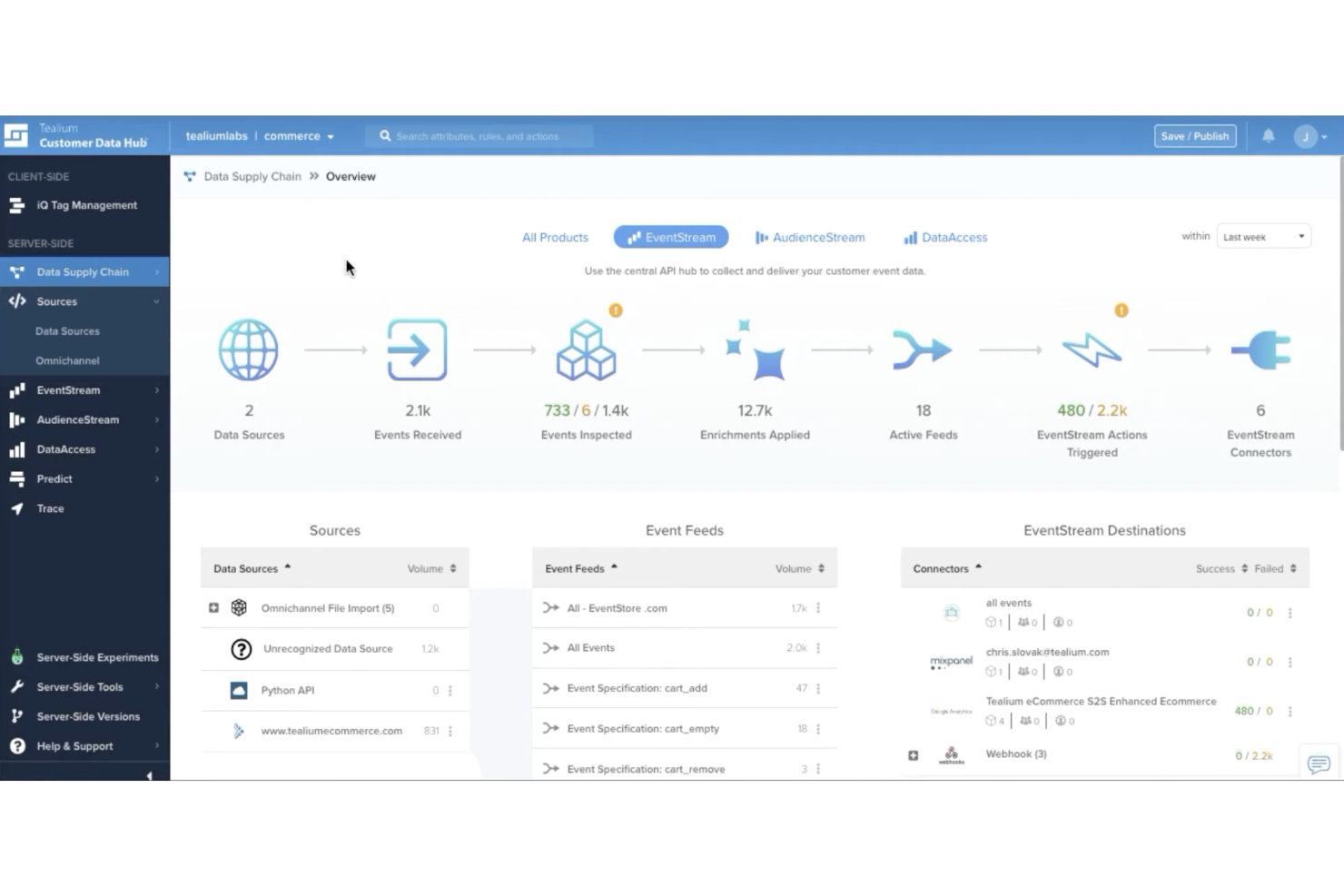
Tealium is designed for organizations that need strict control over customer data in real time. This platform is especially useful for privacy-focused teams in regulated industries or enterprises managing complex data flows. With Tealium, you can enforce data governance policies instantly as data moves across your stack, which sets it apart from many other Segment alternatives.
Why Tealium Is a Good Segment Alternative
If you need to manage customer data with strict governance in real time, Tealium is a strong choice. I picked Tealium because it offers real-time data validation and policy enforcement, which helps teams stay compliant as data flows through multiple systems. Its consent management tools let you control data collection and sharing based on user preferences and regulatory requirements. For organizations where data privacy and governance are top priorities, Tealium delivers capabilities that go beyond what most Segment alternatives provide.
Tealium Key Features
Some other features in Tealium that may interest data and privacy teams include:
- Tag Management System: Lets you manage and deploy marketing and analytics tags across your digital properties from a single interface.
- AudienceStream CDP: Enables you to build and activate unified customer profiles for personalized experiences.
- Mobile SDKs: Provides libraries for collecting and managing data from mobile apps on iOS and Android.
- Server-Side Event Tracking: Captures and processes customer events directly from your servers, bypassing browser limitations.
Tealium Integrations
Integrations include Databricks, Amazon, Braze, Snowflake, Adobe, Quantum Metric, and more.
Pros and Cons
Pros:
- Tag management supports complex enterprise deployments
- Built-in consent management for privacy compliance
- Real-time data governance across all channels
Cons:
- Some integrations require additional configuration steps
- Limited support for open-source data destinations
Best for engineering-driven data teams
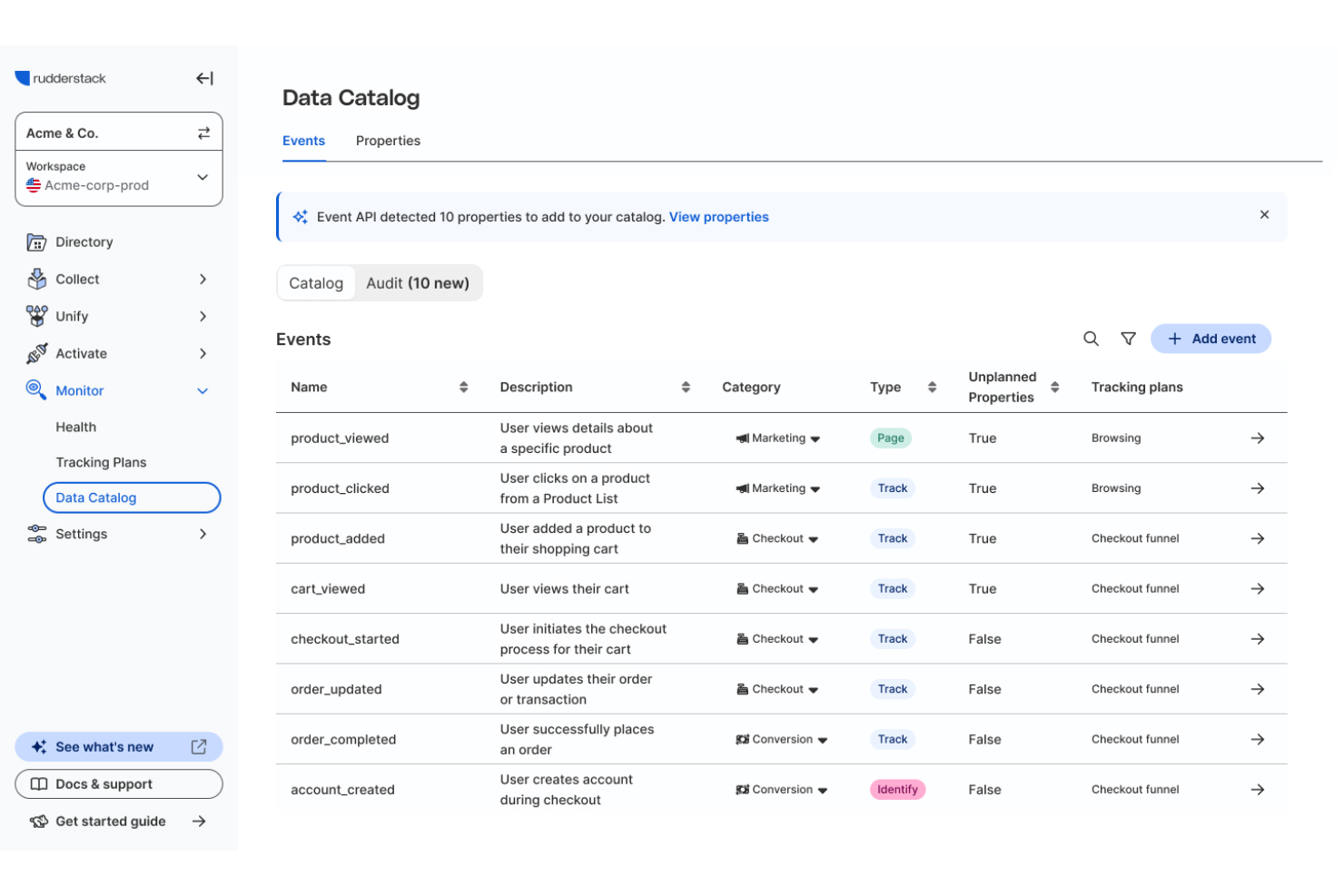
RudderStack is designed for teams that want full control over their customer data pipelines and prefer an engineering-first approach. It appeals to businesses with in-house technical expertise that need to customize data routing, event tracking, and data transformation. If you’re looking for open-source flexibility and strong developer tools, RudderStack stands out among Segment alternatives by supporting better data-driven decision-making.
Why RudderStack Is a Good Segment Alternative
RudderStack stands out for teams that want to build and manage their own data pipelines with engineering precision. I picked it as a Segment alternative because it offers open-source architecture and strong developer tooling, which lets you customize event tracking and data routing to fit your stack. Features like warehouse-first data processing and support for advanced transformations give technical teams more flexibility than most out-of-the-box solutions. If your business values hands-on control and customization, RudderStack is a strong fit.
RudderStack Key Features
Some other features in RudderStack that may interest technical teams include:
- Reverse ETL: Syncs data from your warehouse back into operational tools for real-time activation.
- Event Replay: Lets you resend historical event data to new or existing destinations without re-instrumenting.
- Identity Resolution: Unifies user profiles across devices and sessions using customizable identity rules.
- Privacy Controls: Offers built-in tools for data governance, consent management, and compliance with privacy regulations.
RudderStack Integrations
Integrations include Snowflake, Braze, Amplitude, Databricks, Salesforce, Mixpanel, Zendesk, and more.
Pros and Cons
Pros:
- Flexible event transformation capabilities
- Strong developer documentation and SDK support
- Open-source architecture for full data control
Cons:
- Advanced features may need custom coding
- Requires engineering resources for setup

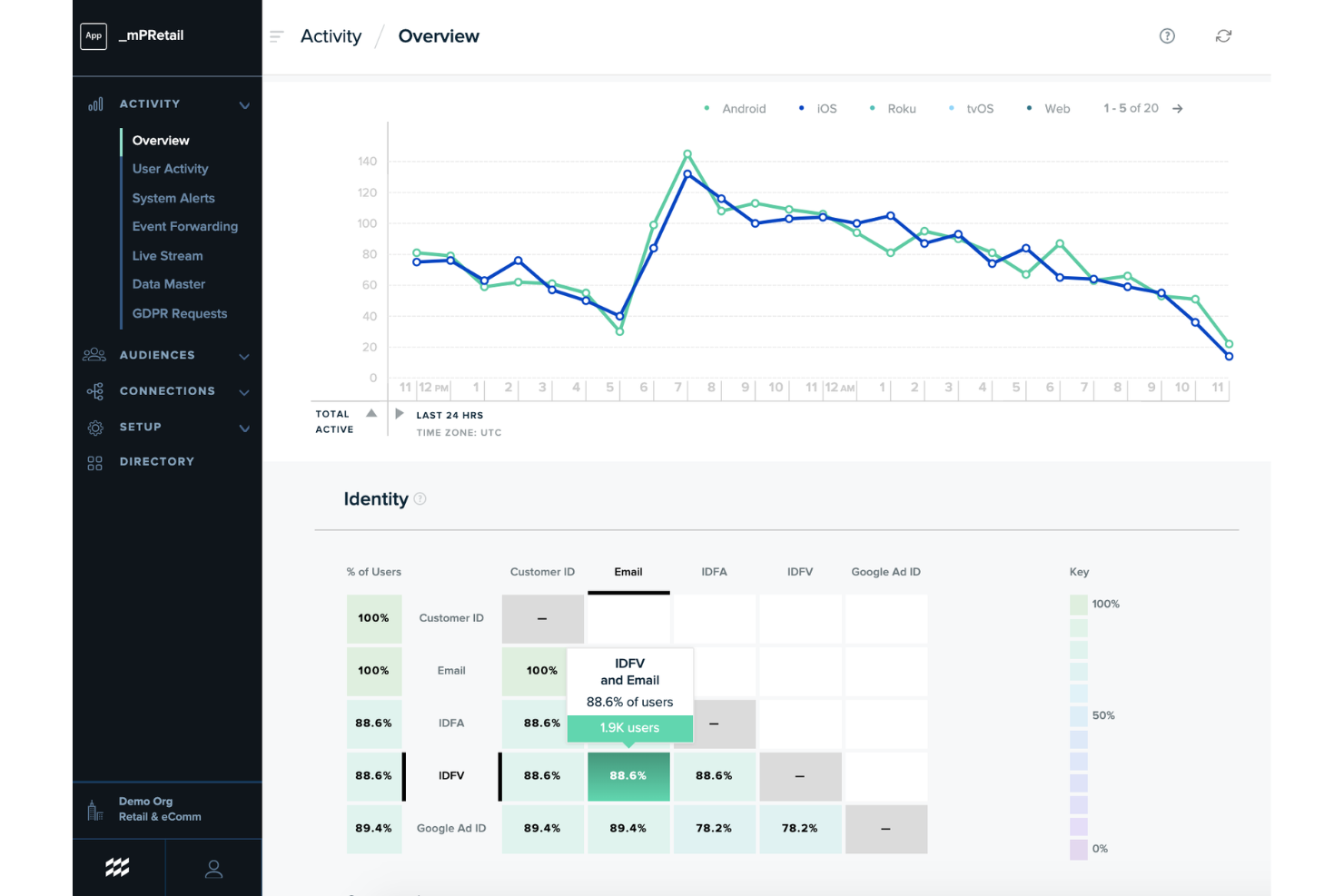
If your team needs to unify customer data from mobile apps, mParticle is built for mobile-first data integration. This platform appeals to product managers and marketers at consumer brands who want to connect, clean, and activate data from mobile, web, and connected devices. mParticle stands out from other Segment alternatives by offering deep SDK support for mobile platforms and real-time data quality controls tailored for app-centric businesses.
Why mParticle Is a Good Segment Alternative
For teams prioritizing mobile-first data integration, mParticle offers capabilities that go beyond what most Segment alternatives provide. I picked mParticle because it delivers SDKs for iOS, Android, and other mobile platforms, making it easy to collect and unify app data. The platform’s real-time data quality tools help you filter, validate, and transform mobile event data before it reaches downstream systems. If your business relies heavily on mobile apps, mParticle’s focus on mobile-centric data pipelines makes it a strong fit.
mParticle Key Features
Some other features in mParticle that may interest data and marketing teams include:
- Audience Builder: Lets you create and manage dynamic audience Segments using real-time data.
- Data Privacy Controls: Offers granular consent management and data governance tools for compliance.
- Event Forwarding: Sends collected data to a wide range of analytics and marketing tools without manual exports.
- User Identity Resolution: Matches user profiles across devices and channels to maintain a unified customer view.
mParticle Integrations
Integrations include Amplitude, Mixpanel, Braze, Google Analytics, Facebook, Salesforce, Snowflake, Amazon Redshift, Shopify, and more.
Pros and Cons
Pros:
- Built-in consent management for privacy compliance
- Real-time event forwarding to multiple destinations
- Mobile SDKs support iOS, Android, and more
Cons:
- No built-in campaign management tools
- Requires engineering resources for initial setup

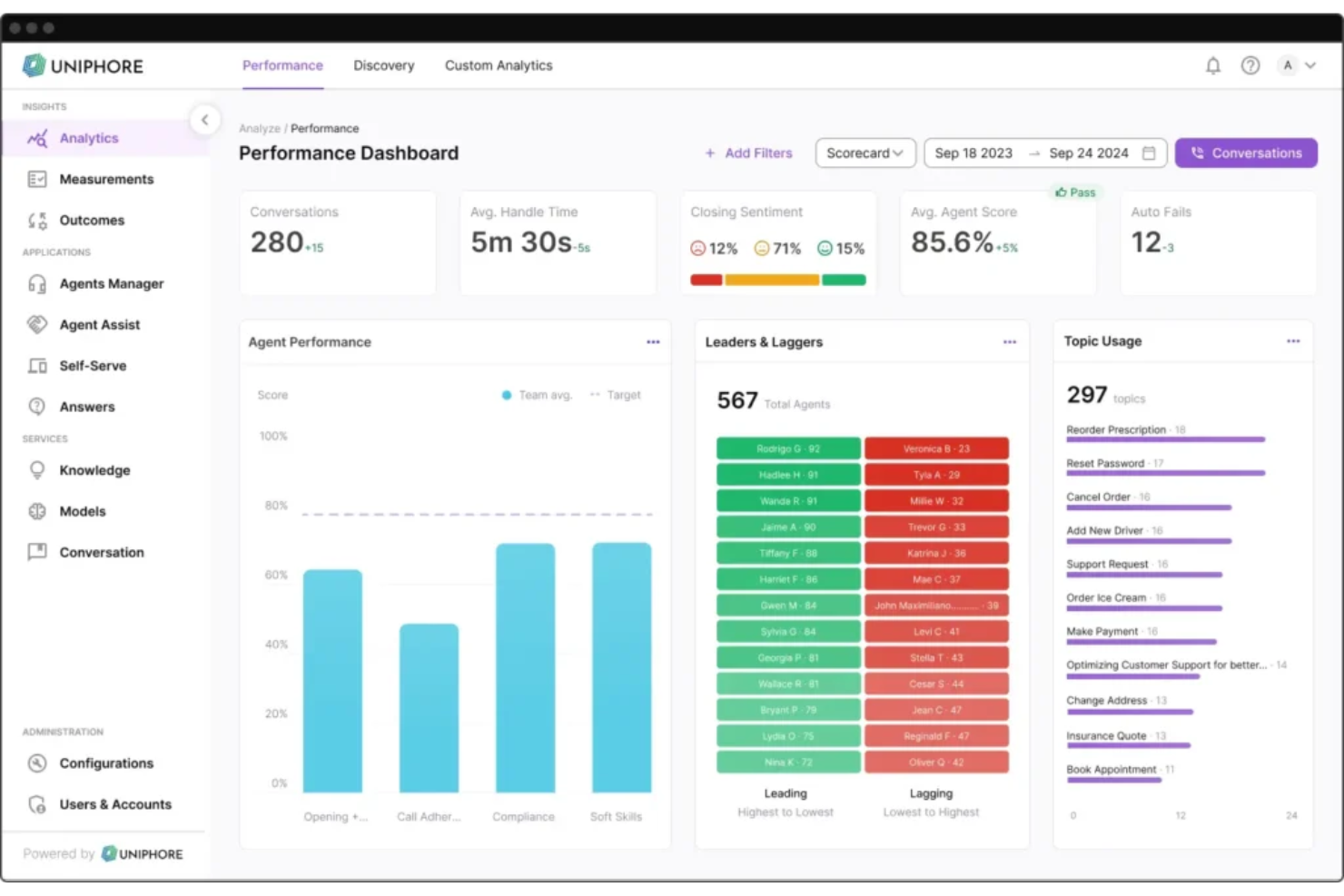
If your business needs to manage complex audience Segmentation at scale, ActionIQ is built for you. This platform is designed for enterprise teams that want to unify customer data and orchestrate personalized experiences across channels. ActionIQ stands out among Segment alternatives for its ability to handle massive data volumes and support advanced Segmentation strategies.
Why ActionIQ Is a Good Segment Alternative
For organizations that need to segment and activate audiences at an enterprise scale, ActionIQ offers capabilities that go beyond most Segment alternatives. I picked ActionIQ because it supports complex audience building with a flexible, no-code interface and real-time data processing. Its customer data platform centralizes information from multiple sources, making it easier to create highly targeted Segments and orchestrate campaigns across channels. If your team manages large datasets and needs advanced Segmentation, ActionIQ is built to handle those demands.
ActionIQ Key Features
Some other features in ActionIQ that may interest enterprise teams include:
- Journey Orchestration: Lets you design and automate multi-step customer journeys across channels.
- Data Governance Tools: Provides controls for managing data access, permissions, and compliance.
- Predictive Analytics: Uses machine learning models to forecast customer behavior and Segment audiences.
- Real-Time Audience Updates: Automatically refreshes audience Segments as new data flows into the platform.
ActionIQ Integrations
Integrations include Salesforce, Adobe Analytics, Snowflake, Google BigQuery, Amazon S3, and more.
Pros and Cons
Pros:
- Real-time data processing for up-to-date insights
- No-code interface for building complex Segments
- Handles large-scale audience Segmentation efficiently
Cons:
- Limited public documentation compared to competitors
- Advanced features may require onboarding support
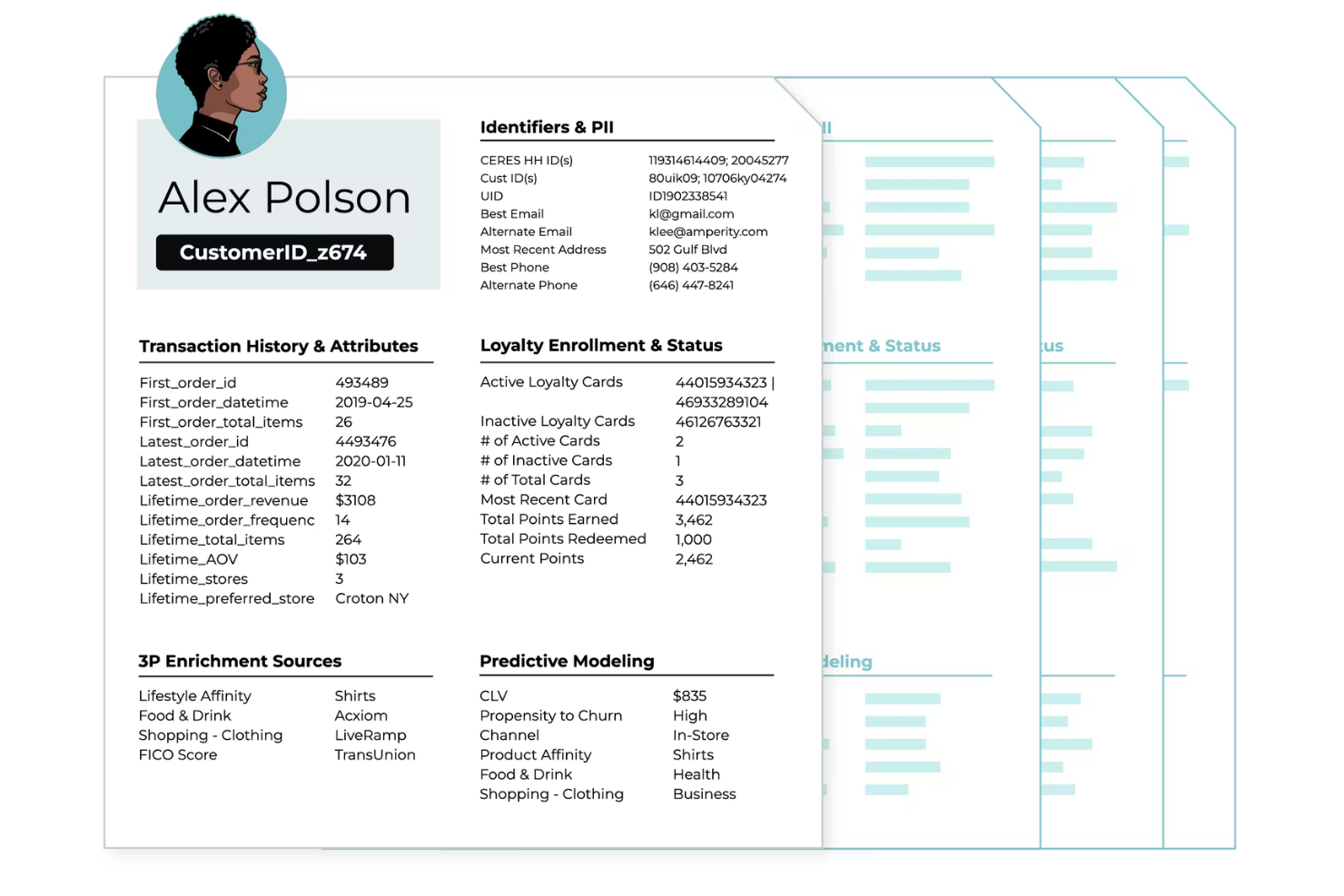
When customer identity resolution is your top priority, Amperity offers a specialized approach. This platform is designed for enterprise brands and data teams that need to unify fragmented customer data into a single, accurate profile. Amperity stands out from other Segment alternatives by using AI-powered identity resolution to connect data across sources and deliver a true 360-degree customer view.
Why Amperity Is a Good Segment Alternative
If your team struggles with fragmented customer data, Amperity is built to solve that challenge through unified identity resolution. I picked Amperity because it uses machine learning to match and merge customer records from multiple sources, creating a single, accurate customer profile. Its patented identity resolution engine continuously refines profiles as new data arrives, helping you maintain up-to-date and reliable customer information. For organizations that need a true 360-degree view of their customers, Amperity offers capabilities that go beyond what most Segment alternatives provide.
Amperity Key Features
Some other features in Amperity that may interest data-driven teams include:
- Segmentation Builder: Lets you create and manage audience Segments using a visual, no-code interface.
- Data Quality Monitoring: Continuously checks for data anomalies and inconsistencies across sources.
- Automated Data Ingestion: Imports and updates customer data from multiple systems on a scheduled basis.
- Consent Management: Tracks and manages customer consent preferences for compliance with privacy regulations.
Amperity Integrations
Integrations include ActiveCampaign, Acxiom, Adobe Analytics, AdRoll, Airtable, Amazon S3, Amplitude, and more.
Pros and Cons
Pros:
- Automated data ingestion from multiple sources
- Visual Segmentation builder for audience creation
- AI-powered identity resolution for unified profiles
Cons:
- Segment export options can be restrictive
- Requires significant data preparation upfront

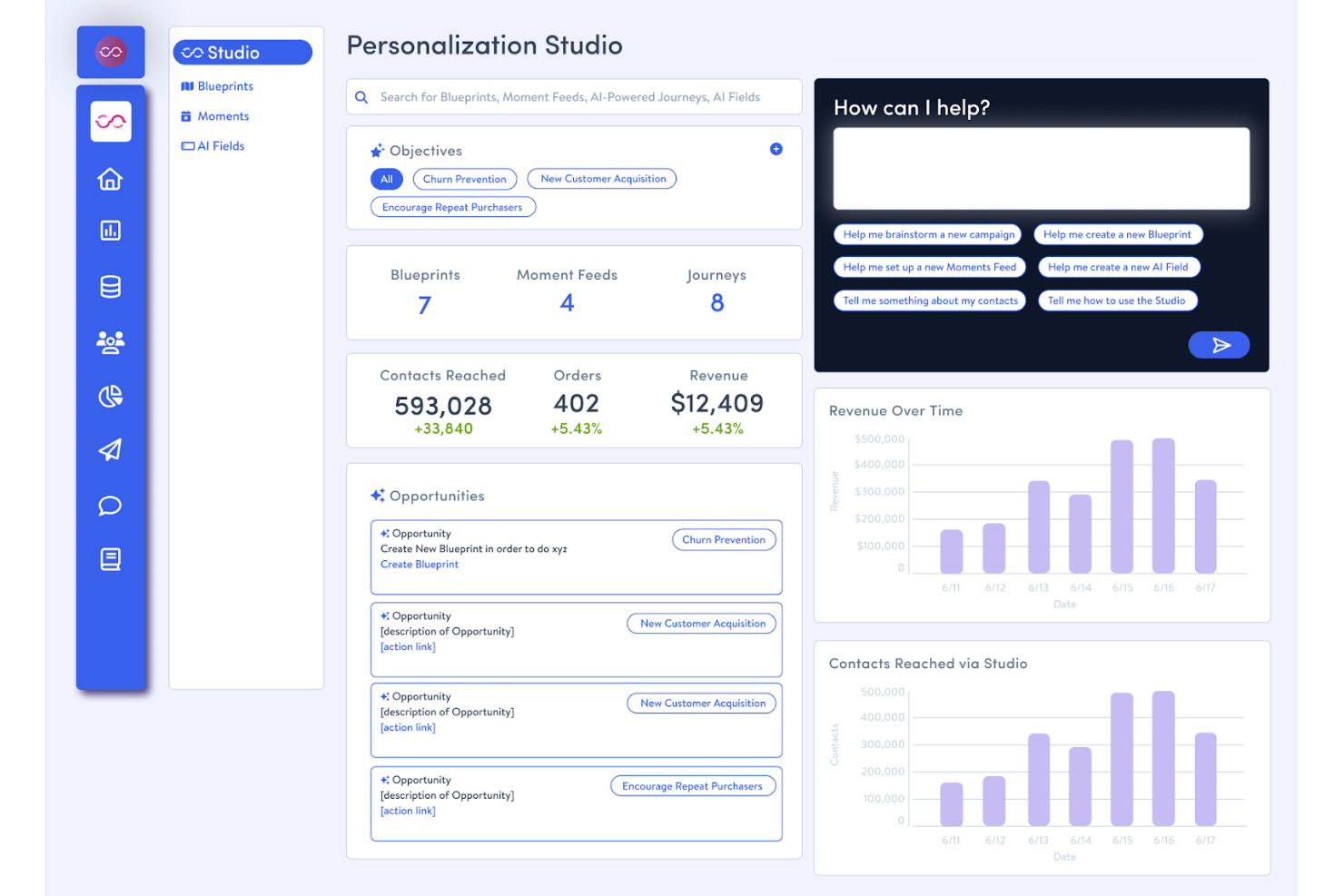
Simon AI offers a unique approach for teams looking to automate and personalize customer campaigns using AI. This platform is especially relevant for marketers and CRM leads at consumer brands who want to orchestrate complex, multi-channel journeys without heavy manual setup. What sets Simon AI apart from other Segment alternatives is its focus on AI-driven campaign design and optimization, helping you deliver targeted experiences at scale.
Why Simon AI Is a Good Segment Alternative
If you’re searching for Segment alternatives that prioritize AI-powered campaign orchestration, Simon AI brings a distinct advantage. I picked Simon AI because it uses machine learning to automate campaign targeting, timing, and channel selection, reducing manual effort for marketing teams. The platform’s journey builder lets you design and launch multi-step, cross-channel campaigns that adapt in real time based on customer behavior. For teams focused on delivering personalized experiences at scale, Simon AI’s AI-driven orchestration tools offer a modern approach.
Simon AI Key Features
Some other features in Simon AI that may interest marketing and CRM teams include:
- Unified Customer Profiles: Combines data from multiple sources to create a single, actionable view of each customer.
- Audience Segmentation: Lets you build and manage dynamic Segments based on real-time behaviors and attributes.
- A/B Testing Engine: Enables you to test different campaign variants and optimize messaging.
- Data Enrichment Integrations: Connects with third-party data providers to enhance customer profiles with additional attributes.
Simon AI Integrations
Integrations include Snowflake, Braze, Attentive, The Trade Desk, Amazon Redshift, Salesforce, Zendesk, TikTok, Shopify, and more.
Pros and Cons
Pros:
- Supports advanced A/B and multivariate testing
- Visual journey builder for campaign design
- AI-driven orchestration for multi-channel campaigns
Cons:
- Requires structured data for optimal performance
- No built-in customer support ticketing
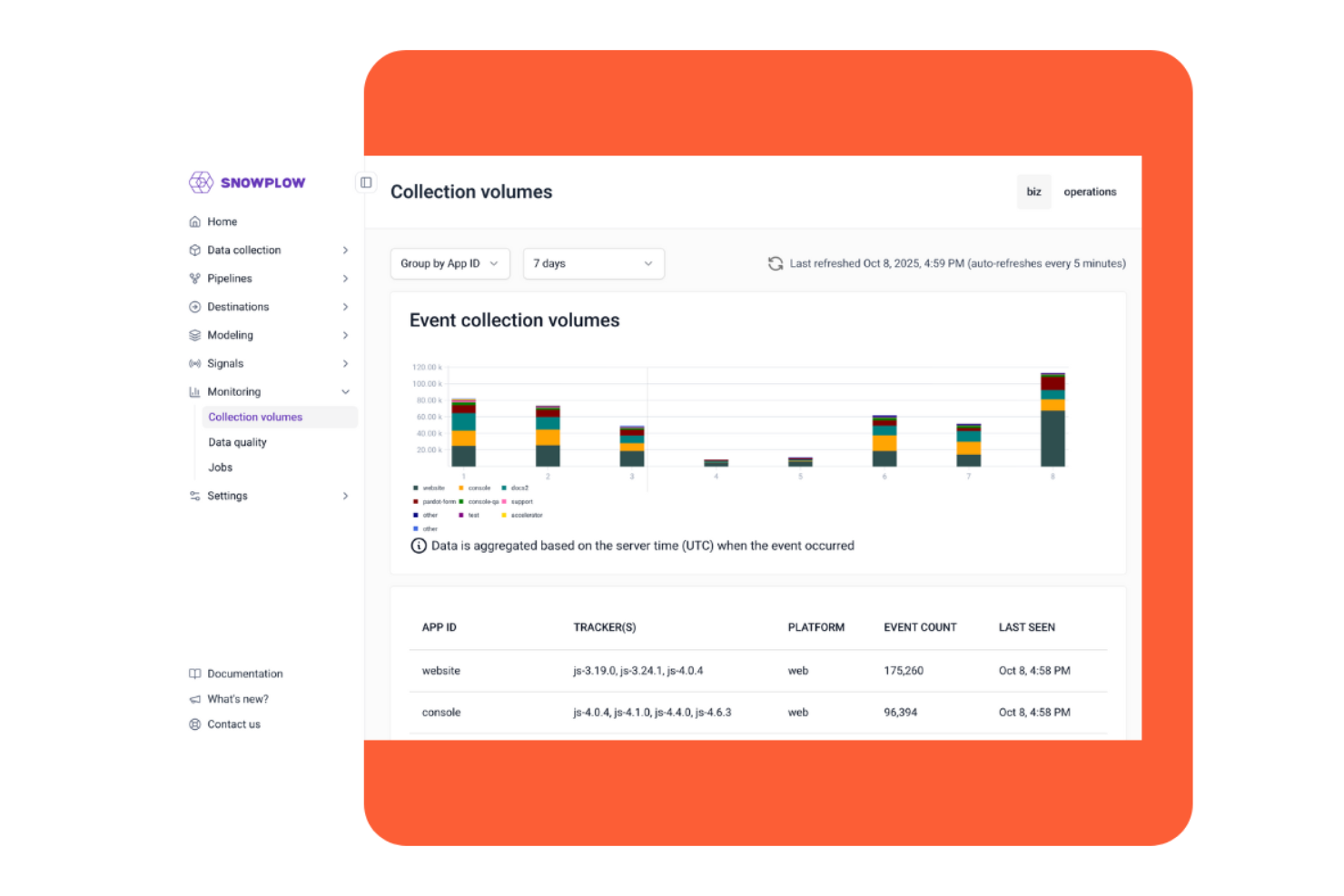
Snowplow stands out for teams that need granular control over event data collection and modeling. This platform is a strong fit for data engineers and analytics leads in organizations with complex tracking requirements or custom data pipelines. Unlike many Segment alternatives, Snowplow lets you define, track, and structure every event to match your unique business logic and analytics needs.
Why Snowplow Is a Good Segment Alternative
For teams that want full control over their event tracking, Snowplow offers a level of customization that’s hard to match. I picked Snowplow because it lets you define your own event schemas and capture highly specific data points, rather than relying on pre-set templates. The platform also supports real-time data collection and processing, so you can build analytics workflows tailored to your business. If you need to track unique customer behaviors or create custom data models, Snowplow’s flexible event tracking stands out among Segment alternatives.
Snowplow Key Features
Some other features in Snowplow that may appeal to data teams include:
- Open-Source Collector: Lets you deploy and manage your own event data collection infrastructure.
- Data Warehouse Integrations: Supports direct connections to platforms like Snowflake, BigQuery, and Redshift.
- Data Quality Monitoring: Continuously checks event data for errors and schema mismatches.
- GDPR and CCPA Compliance Tools: Provides built-in features to help manage data privacy and regulatory requirements.
Snowplow Integrations
Integrations include Databricks, Snowflake, Google BigQuery, Amazon S3, Delta Lake, Kafka, AWS Bedrock, GCP Vertex AI, LangChain, and more.
Pros and Cons
Pros:
- Real-time data pipeline for immediate analytics
- Supports custom event schema definitions
- Open-source collector for full deployment control
Cons:
- Lacks built-in audience Segmentation features
- No visual interface for event mapping
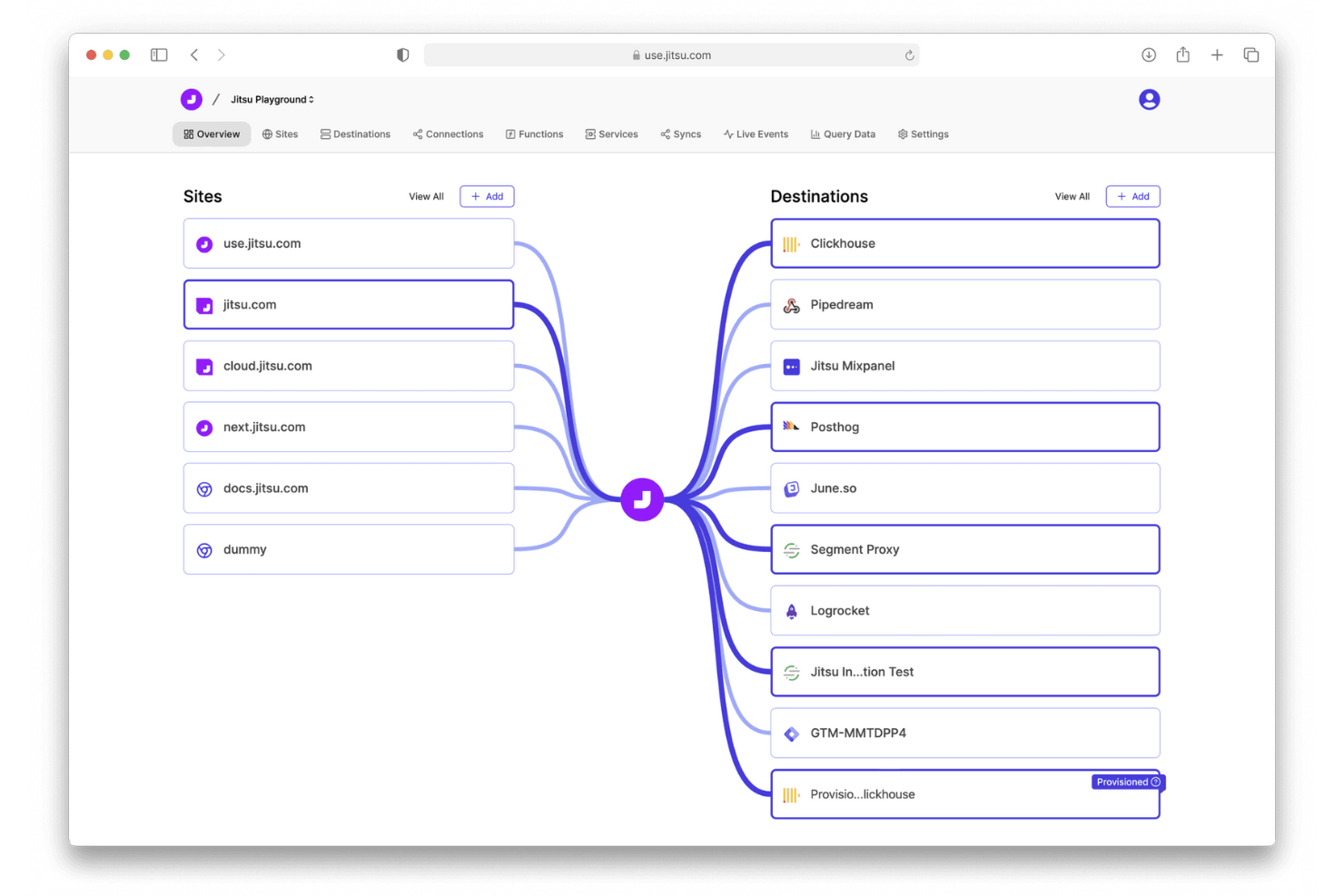
Jitsu stands out for teams that want full control over event data collection using open-source technology. It’s a strong fit for data engineers and analytics teams who need to self-host, customize, or audit every part of their event pipeline. With Jitsu, you can collect, route, and transform event data without relying on proprietary black boxes common in other Segment alternatives.
Why Jitsu Is a Good Segment Alternative
For teams that want transparency and flexibility in their event collection, Jitsu is a strong option. I picked Jitsu because it’s open source, so you can self-host and inspect every part of your data pipeline. Its event router lets you collect, transform, and send data to multiple destinations without vendor lock-in. If you need to customize or audit your event tracking setup, Jitsu gives you a level of control that most Segment alternatives don’t offer.
Jitsu Key Features
Some other features in Jitsu that may interest data teams include:
- Real-Time Data Streaming: Sends event data to destinations as it’s collected, without delay.
- Schema Evolution Support: Automatically adapts to changes in event structure over time.
- Built-In Debugging Tools: Lets you inspect and troubleshoot event flows directly in the interface.
- Destination Templates: Provides pre-built configurations for common data warehouses and analytics tools.
Jitsu Integrations
Integrations include BigQuery, ClickHouse, MongoDB, MySQL, PostgreSQL, Redshift, Snowflake, Amplitude, Mixpanel, and more.
Pros and Cons
Pros:
- Real-time event streaming to multiple destinations
- Self-hosting option for complete data control
- Open-source codebase allows full transparency
Cons:
- Lacks native support for mobile SDKs
- No built-in audience Segmentation features
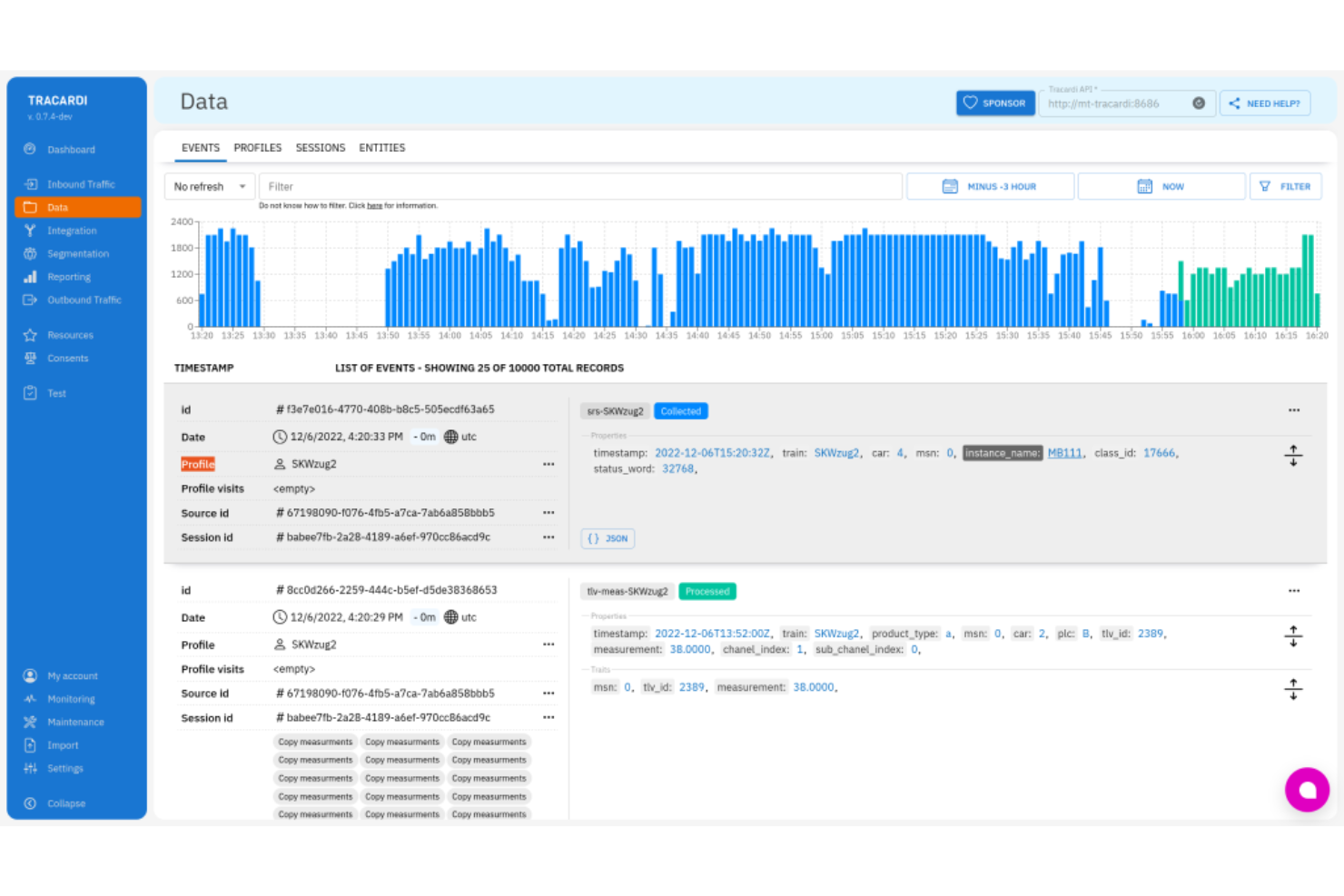
If you’re looking for a Segment alternative that puts you in charge of your own data infrastructure, Tracardi is worth a look. This open-source platform is designed for technical teams and organizations that want to build, manage, and automate self-hosted data pipelines. Tracardi stands out for its flexibility in event processing and its ability to keep sensitive customer data fully under your control.
Why Tracardi Is a Good Segment Alternative
Unlike most Segment alternatives, Tracardi is built specifically for teams that want to self-host and fully control their data pipelines. I picked Tracardi because it lets you design custom event flows and automate data processing with a visual workflow builder. The platform supports advanced event enrichment and real-time data routing, so you can tailor your pipeline to your exact requirements. If your organization needs to keep sensitive data on-premises or meet strict compliance standards, Tracardi gives you the flexibility and control that cloud-based solutions can’t match.
Tracardi Key Features
Some other features in Tracardi that may interest technical teams include:
- Plugin-Based Architecture: Lets you extend functionality by adding or developing custom plugins.
- User Profile Management: Tracks and manages detailed user profiles for personalized data flows.
- API-First Design: Provides an API for integrating with external systems and custom applications.
- Event Source Monitoring: Monitors incoming event sources and provides visibility into data ingestion.
Tracardi Integrations
Native integrations are not currently listed.
Pros and Cons
Pros:
- Supports on-premises deployment for compliance
- Visual workflow builder for custom pipelines
- Fully open-source with no vendor lock-in
Cons:
- Fewer analytics and reporting features built-in
- Requires manual scaling and infrastructure management
Other Segment Alternatives
Here are some additional Segment alternatives that didn’t make it onto my shortlist, but are still worth checking out:
- Datadog
With monitoring customer data pipelines
- BlueConic
For unified customer profiles
- Leadspace
For B2B account enrichment
- Adobe Real-Time CDP
For real-time audience Segmentation
- Zeta
For AI-driven personalization
- RedPoint Global
For omnichannel data orchestration
- Apache Unomi
For open-source data privacy controls
- Data 360
With Salesforce ecosystem integration
- Oracle Unity Data Platform
With enterprise-scale identity resolution
- Datastreams
For GDPR-compliant data processing


How I Evaluate Segment Alternatives
I evaluate every tool across two layers: whether it handles the core data plumbing, and what sets it apart for teams migrating stacks, managing scale, or tightening data governance.
Core Functionality (Table Stakes For This List)
When I'm selecting tools for my list, I rank each one on a scale from 0 (does not offer the functionality) to 5 (excels in this area) for each core functionality listed below. Then, I calculate the tool's total score into a percentage. Each tool needs to achieve a minimum total score of 65% to be considered for inclusion.
- Multi-Source Data Collection: I look at how many SDKs and source connectors each platform offers, from client-side web and mobile tags to server-side and cloud app ingestion.
- Downstream Integrations Catalog: The breadth of pre-built destinations matters, especially coverage across CX tools like Braze, Salesforce, and Amplitude alongside ad platforms and warehouses.
- Identity Resolution: I evaluate how each tool stitches anonymous visitors to known profiles, including cross-device merging and whether you can configure identity rules or graphs.
- Audience Segmentation & Activation: Real-time behavioral audience building and sync cadence are what I check here, such as triggering a suppression list the moment a customer converts.
- Data Governance & Consent: Each platform should give you schema enforcement, PII controls, and consent management workflows that support GDPR and CCPA requirements at the data layer.
- Warehouse & Reverse ETL Support: I check whether the tool streams events to warehouses like Snowflake or BigQuery and can activate warehouse-modeled data back into downstream tools.
Once I have a list of tools that meet this criteria, I consider what sets each platform apart.
Differentiating Factors (What Sets Vendors Apart)
Here's how I compare and contrast different vendors:
Standout Features
Warehouse-native architecture is a big differentiator I look for. Platforms like RudderStack and Hightouch let your warehouse stay the single source of truth, which removes redundant data copies and keeps your analytics team in full control. I also evaluate whether a platform offers a visual tracking plan builder, since it lets marketing ops teams define and version event schemas without filing engineering tickets. Pricing transparency matters too—I check whether billing scales predictably by MTUs or events so teams can forecast costs as data volume grows.
Beyond Features
Compliance certifications like SOC 2 Type II and HIPAA eligibility carry real weight when your team handles sensitive customer data, so I check each vendor's security posture early. Implementation and time-to-value is another factor I evaluate closely. Some platforms offer Segment-compatible APIs or migration tooling that dramatically shortens the switchover. I also consider deployment flexibility—teams in regulated industries often need options like single-tenant hosting or regional data residency, and not every CDP alternative supports those configurations.
Why Look for a Segment Alternative?
While Segment is a good choice, there are a number of reasons why some users seek out alternative solutions. You might be looking for a Segment alternative because…
- Needing full control over data storage and privacy
- Wanting a self-hosted or open-source deployment
- Facing high costs as data volumes increase
- Requiring more flexible or custom data pipelines
- Needing support for strict compliance requirements
- Wanting to avoid vendor lock-in
If any of these sound like you, you’ve come to the right place. My list contains several Segment alternatives that are better suited for teams facing these challenges with Segment and looking for alternative solutions.
Segment Key Features
Here are some of the key features of Segment, to help you contrast and compare what alternative solutions offer:
- Centralized customer data collection from multiple sources
- Real-time event tracking and processing
- Identity resolution and unified customer profiles
- Data routing to hundreds of downstream tools
- Built-in privacy and consent management controls
- Audience Segmentation and activation
- Visual workflow builder for data pipelines
- Support for cloud-based deployment and scaling
- Extensive library of native integrations
- Developer-friendly APIs and SDKs for custom use cases