

10 Mejores Plataformas de Datos de Clientes de 2026

10 Mejores plataformas de datos de clientes: Selección destacada
- 8. Zeta Global


Las plataformas de datos de clientes te ayudan a centralizar la información de los clientes para que tus equipos puedan ofrecer experiencias más personalizadas y conectadas. Pero, con tantas herramientas que se autodenominan CDP, es difícil saber cuáles realmente unifican tus datos y los hacen accionables.
En este artículo te comparto mis selecciones favoritas de plataformas de datos de clientes para ayudarte a segmentar audiencias, activar información en tiempo real y coordinar la experiencia del cliente entre equipos y canales. Ya sea que gestiones solicitudes de servicio, lances campañas o personalices recorridos de usuario, estas herramientas te ofrecerán la base de datos para hacer que cada interacción cuente.
Por qué confiar en nuestras recomendaciones de software
Nuestro equipo lleva probando y evaluando software desde 2012. Como líderes de CX, sabemos lo difícil —y lo importante— que es elegir el software adecuado.
Para esta guía, evaluamos las herramientas mediante pruebas prácticas e investigación independiente, puntuando las herramientas según nuestros criterios de selección.
Nuestras reseñas reflejan nuestro criterio editorial humano, no un discurso de ventas.
Tabla comparativa de las mejores plataformas de datos de clientes
Esta tabla comparativa resume los detalles básicos de cada una de mis mejores opciones de plataformas de datos de clientes. Puedes ver detalles de precios y la disponibilidad de pruebas gratuitas o demos una al lado de la otra para ayudarte a encontrar el mejor software según tu presupuesto y necesidades empresariales.
| Tool | Best For | Trial Info | Price | ||
|---|---|---|---|---|---|
| 1 | Mejor CDP sin código y altamente personalizable | Prueba gratuita de 30 días disponible | Desde $35/usuario/mes (facturado anualmente) | Website | |
| 2 | Ideal para la activación de datos de clientes | Demo gratuita + plan gratuito disponible | Desde $45/mes | Website | |
| 3 | Ideal para comprender la salud de las carteras de clientes | Demostración gratuita disponible | Precio bajo solicitud | Website | |
| 4 | Ideal para recopilar y distribuir datos analíticos de usuarios | Plan gratuito disponible | Desde $120/mes | Website | |
| 5 | La mejor para captar comentarios de clientes | Demostración gratuita disponible | Precios a consultar | Website | |
| 6 | Ideal para capturar datos de clientes omnicanal | Demo gratuita disponible | Precio bajo consulta | Website | |
| 7 | Ideal para startups que buscan flexibilidad en la optimización de recorridos del cliente | Demo gratuita disponible | Precios bajo consulta | Website | |
| 8 | Demostración gratuita disponible | Precios a consultar | Website | ||
| 9 | Ideal para perfiles de clientes unificados | Demostración gratuita disponible | Precio a consultar | Website | |
| 10 | Ideal para recopilar datos de clientes B2B y B2C en tiempo real | Demo gratuita disponible | Precio a consultar | Website |
Reseñas de las 20 mejores plataformas de datos de clientes
Estas son mis principales elecciones de plataformas de datos de clientes (CDP) disponibles actualmente, junto a una breve descripción de para qué es mejor cada una de ellas:

Mejor CDP sin código y altamente personalizable
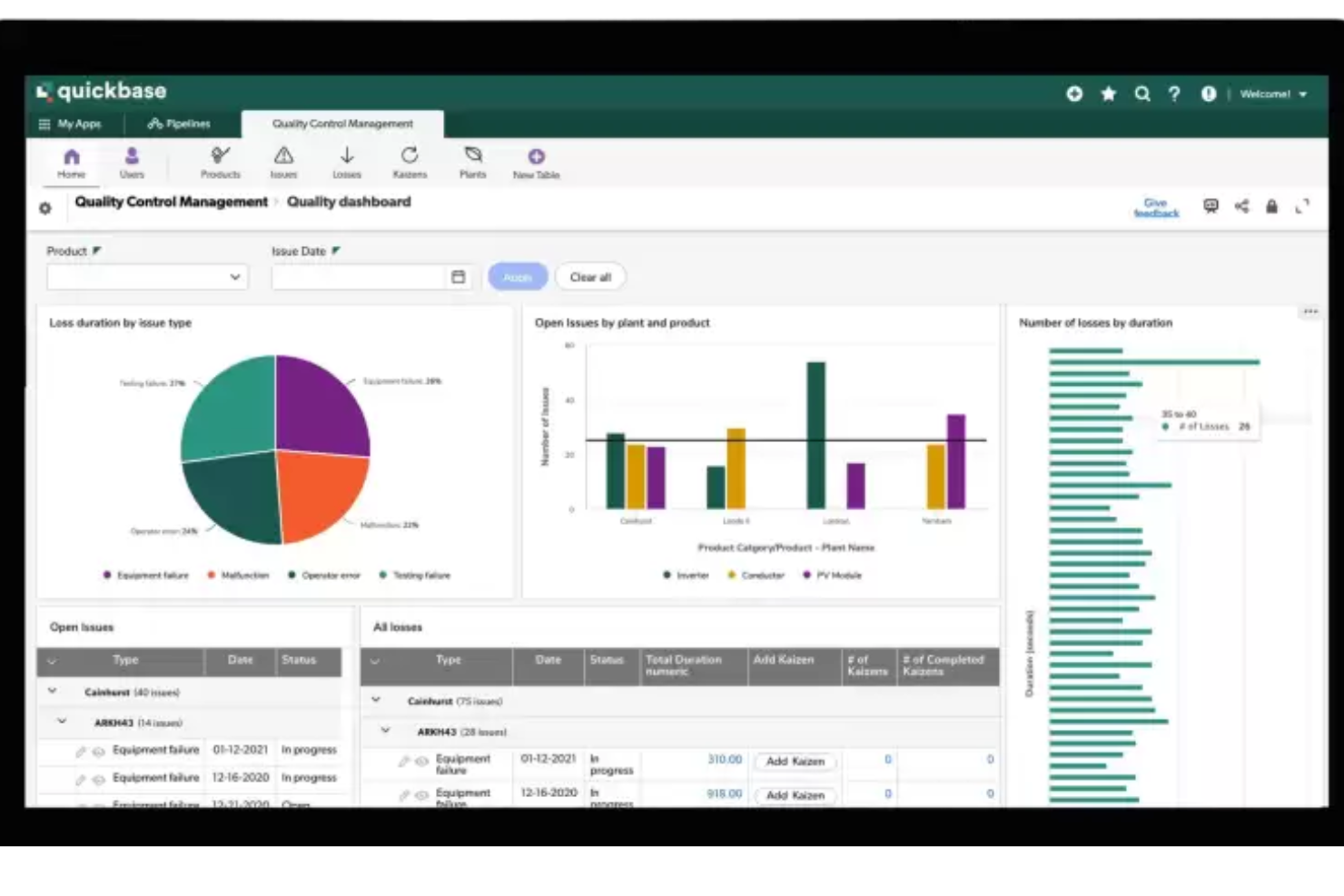
Quickbase ofrece un entorno de bajo código que te permite crear aplicaciones personalizadas, asegurando la integración de datos en todas tus operaciones sin requerir experiencia técnica avanzada. Al aprovechar Quickbase, puedes mejorar la eficiencia del flujo de trabajo y obtener información en tiempo real, lo que lo convierte en una herramienta invaluable para cualquier organización que busque optimizar procesos y aprovechar los datos de clientes para un crecimiento estratégico.
Por qué elegí Quickbase
Elegí Quickbase por su capacidad inigualable para servir como una plataforma de datos de clientes sin código y altamente personalizable, perfecta para quienes desean diseñar aplicaciones a medida sin necesidad de habilidades técnicas avanzadas. El constructor visual intuitivo te permite crear flujos de trabajo y aplicaciones personalizadas, simplificando procesos en diversas industrias. Además, Quickbase ofrece herramientas de automatización que simplifican tareas complejas, dándote más tiempo para enfocarte en iniciativas estratégicas. Con sus capacidades de integración, puedes unificar datos de múltiples fuentes, mejorando tu capacidad para tomar decisiones informadas e impulsar el crecimiento del negocio.
Funciones clave de Quickbase
Además de sus capacidades de personalización sin código, Quickbase ofrece una variedad de funciones que aumentan su funcionalidad como plataforma de datos de clientes.
- Notificaciones por correo electrónico integradas: Mantente informado con alertas automáticas sobre eventos críticos, asegurando que tu equipo siempre esté al día con los últimos acontecimientos.
- Biblioteca de APIs RESTful: Utiliza un conjunto completo de APIs para automatizar tareas e integrar Quickbase con otros sistemas, aumentando la flexibilidad de tus flujos de trabajo.
- Más de 40 conectores integrados: Conéctate sin problemas con servicios en la nube populares como Salesforce y Slack, facilitando el flujo de datos entre las herramientas de tu organización.
- Acceso móvil: Accede rápidamente a tus aplicaciones desde cualquier lugar con una app móvil dedicada, permitiéndote gestionar flujos de trabajo en movimiento.
Integraciones de Quickbase
Las integraciones incluyen Salesforce, Slack, Google Drive, Dropbox, DocuSign, QuickBooks Online, Box, Zendesk, ServiceNow y Snowflake.
Pros and Cons
Pros:
- La sólida gestión de roles de usuario controla eficazmente la visibilidad de los datos
- La interfaz de arrastrar y soltar simplifica el desarrollo de aplicaciones
- Quickbase ofrece un entorno de bajo código versátil para personalización
Cons:
- Pueden surgir desafíos de integración, requiriendo conocimientos avanzados de API
- Las limitaciones en la funcionalidad móvil pueden dificultar el acceso en movimiento

Klaviyo
Ideal para la activación de datos de clientes
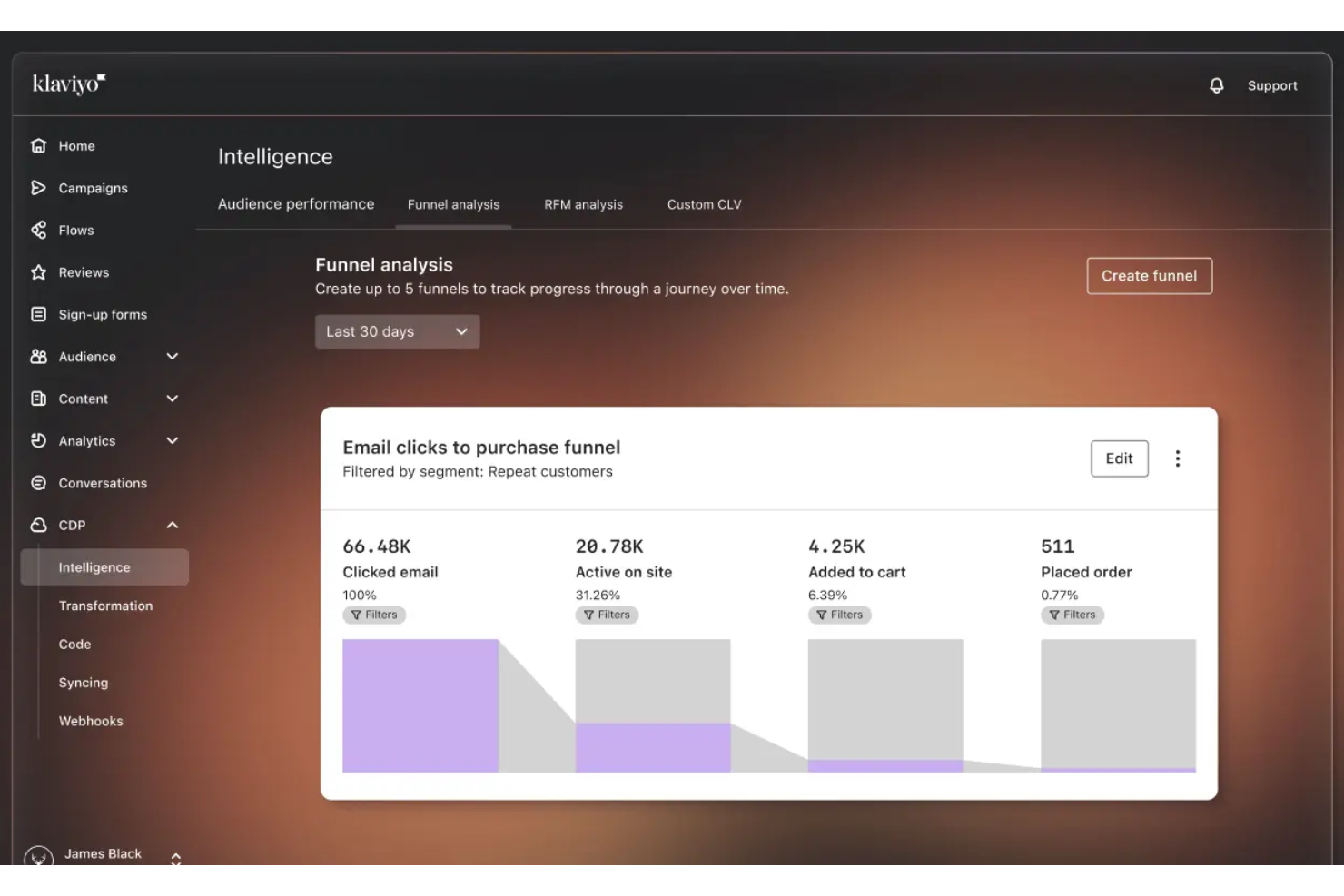
La Plataforma de Datos de Klaviyo coloca la información de tus clientes en el centro de tu estrategia de interacción, para que puedas utilizarla en marketing, servicio y análisis sin la necesidad de conectar varios sistemas. Reúne datos de muchas partes de tu conjunto tecnológico, te ayuda a crear perfiles de cliente detallados y activa esos perfiles en campañas que se comunican directamente con la forma en que las personas se comportan e interactúan con tu marca—ideal si tu equipo busca aprovechar más los datos de los clientes que simples listas e informes.
Por qué elegí Klaviyo
Me encanta la capacidad de Klaviyo para unificar y activar los datos de clientes sin inconvenientes. Su función de segmentación en tiempo real basada en comportamientos te permite dirigirte a audiencias específicas con precisión, mejorando tus esfuerzos de marketing. Además, las analíticas predictivas impulsadas por IA de la plataforma proporcionan valiosos conocimientos sobre el comportamiento de los clientes, ayudando a anticipar necesidades y adaptar estrategias de marketing en consecuencia. Con más de 350 integraciones, Klaviyo garantiza que la conectividad de tus datos se mantenga robusta y versátil.
Funciones clave de Klaviyo
Además de sus potentes capacidades de segmentación y analíticas predictivas, Klaviyo ofrece varias otras funciones:
- Marketing omnicanal: Klaviyo permite realizar marketing por correo electrónico, SMS y redes sociales, permitiéndote llegar a tus clientes dondequiera que estén.
- Agentes de marketing impulsados por IA: Utiliza herramientas de IA integradas para generar contenido de campañas, sugerir segmentos y optimizar estrategias según los patrones de tus propios datos.
- Editor de campañas y correos electrónicos con arrastrar y soltar: Crea y personaliza campañas de correo electrónico y SMS con un editor visual intuitivo.
- Flujos y desencadenantes automatizados: Permite el envío automático de correos electrónicos en función de acciones específicas del cliente, aumentando el compromiso.
Integraciones de Klaviyo
Las integraciones incluyen Shopify, WooCommerce, BigCommerce, Magento, Salesforce, Stripe, Facebook, Instagram, Google Ads y Mailchimp.
Pros and Cons
Pros:
- Admite marketing omnicanal, incluyendo correo electrónico, SMS y redes sociales.
- Proporciona insights potenciados por IA para estrategias de marketing personalizadas.
- Ofrece integración de datos integral para perfiles de clientes unificados.
Cons:
- El precio puede aumentar rápidamente a medida que crecen las listas de contactos.
- Algunos usuarios desean más opciones de personalización.

Velaris
Ideal para comprender la salud de las carteras de clientes
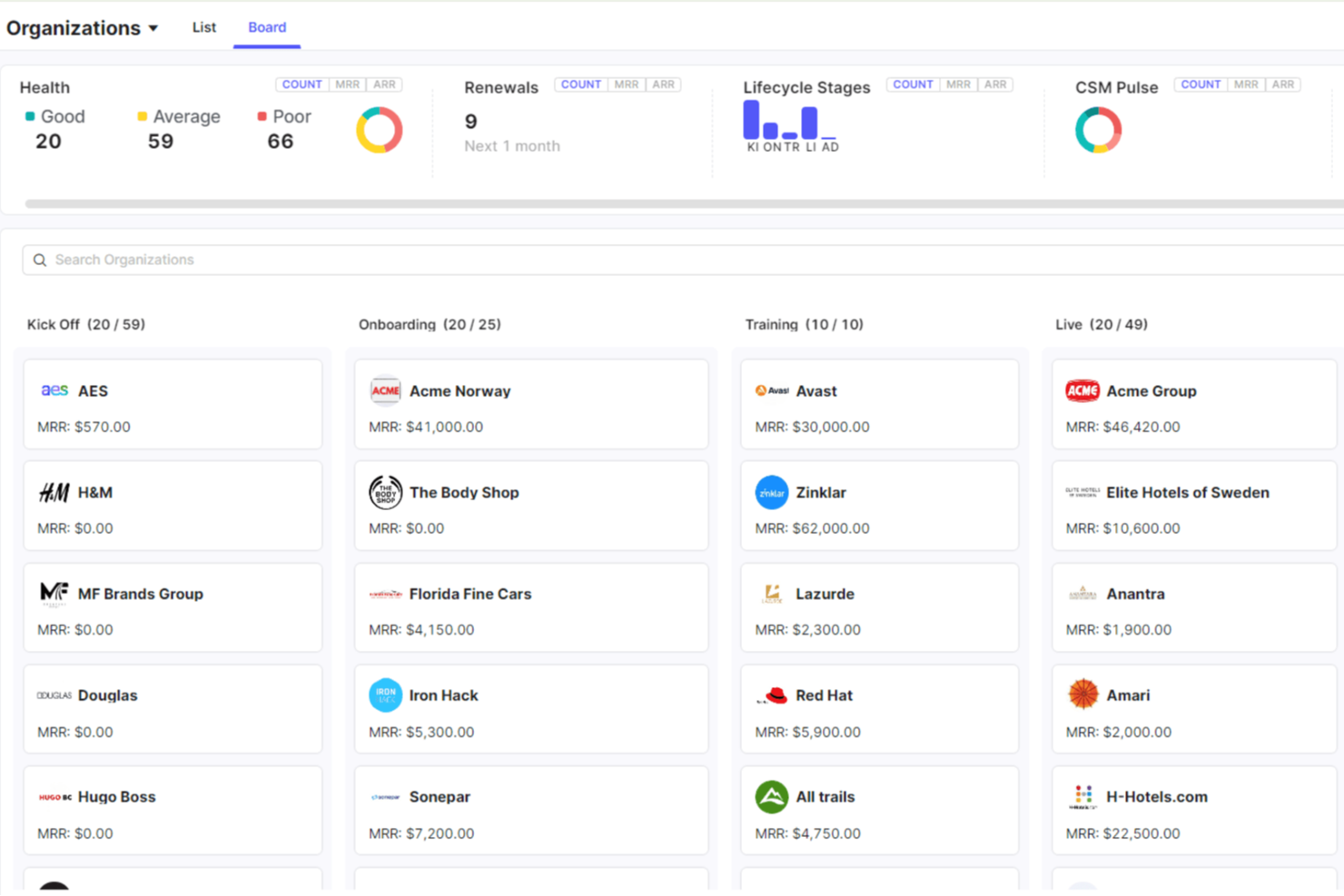
Velaris está diseñado para empresas que buscan mejorar el compromiso del cliente y optimizar las operaciones. Se integra perfectamente en tus procesos, ofreciendo soluciones personalizadas para equipos como éxito del cliente, ventas y marketing. Al automatizar tareas rutinarias y utilizar análisis predictivos, Velaris te ayuda a centrarte en interacciones significativas, predecir bajas de clientes y crear recorridos personalizados para ellos.
Por Qué Elegí Velaris
Elegí Velaris porque sobresale en brindar información sobre la salud de las carteras de clientes, un aspecto crucial para cualquier empresa que busque optimizar los esfuerzos de éxito del cliente. El constructor de puntuaciones de salud de Velaris te permite crear métricas personalizadas utilizando datos en tiempo real, como la actividad de usuario y el volumen de tickets de soporte, lo cual puede anticipar riesgos de baja y descubrir oportunidades de expansión. Su monitoreo multinivel de salud ofrece perspectivas tanto amplias como detalladas, asegurando que puedas evaluar la salud del cliente a diversos niveles. Además, las capacidades de automatización de la plataforma optimizan los flujos de trabajo enviando alertas y desencadenando acciones según los cambios en las puntuaciones de salud, permitiéndote gestionar proactivamente las relaciones con los clientes.
Funciones Clave de Velaris
Además de su capacidad para proporcionar información sobre la salud de las carteras de clientes, Velaris ofrece una gama de funciones que realzan su funcionalidad como plataforma de datos del cliente.
- Vista General de Cuentas: Ofrece una visión clara de todas las cuentas de clientes, ayudándote a identificar rápidamente riesgos y oportunidades de interacción.
- Puntuaciones de Salud Personalizables: Permite ajustar las métricas para predecir eficazmente la salud y riesgo de baja de los clientes.
- Generación de Informes: Posibilita la creación de informes compartibles sobre distintos tipos de datos, asegurando procesos de toma de decisiones informados.
- Alertas en Tiempo Real: Notifica inmediatamente a tu equipo sobre riesgos potenciales, facilitando una gestión proactiva de las relaciones con los clientes.
Integraciones de Velaris
Las integraciones incluyen Hubspot, Intercom y más de 70 conexiones nativas adicionales, con opciones para soluciones personalizadas a través de opciones de integración técnica flexibles.
Pros and Cons
Pros:
- Buena agregación de datos de clientes
- Eficaces funciones de automatización para optimizar flujos de trabajo
- Análisis impulsados por IA para obtener mejores conocimientos
Cons:
- Podría ofrecer más integraciones
- Los nuevos usuarios pueden afrontar una curva de aprendizaje al comenzar

Segment
Ideal para recopilar y distribuir datos analíticos de usuarios
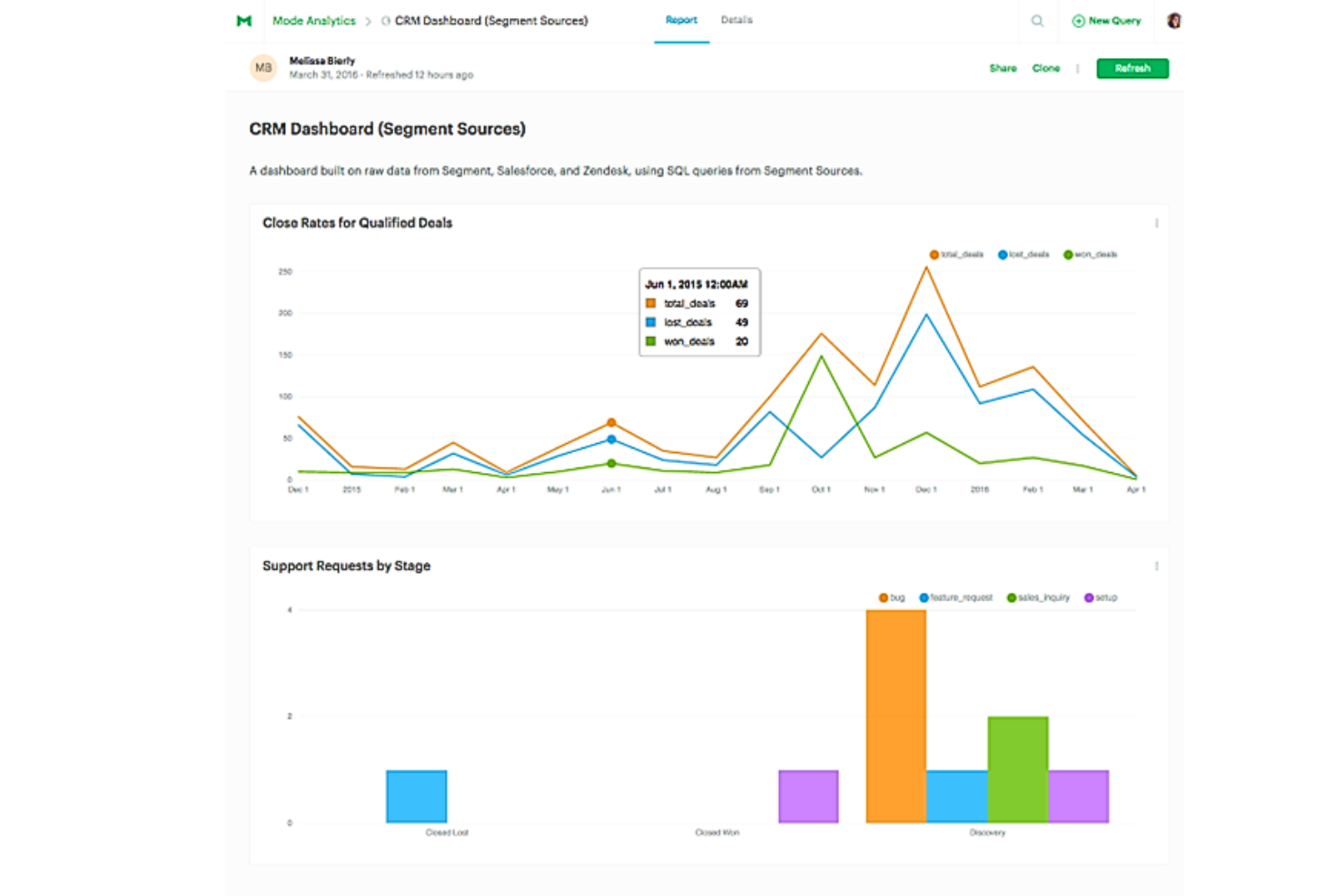
Para quienes buscan una plataforma de datos de clientes que integre y active datos en tiempo real, Segment ofrece una solución diseñada para satisfacer las necesidades de diversas industrias, como el comercio minorista, la atención sanitaria y los servicios financieros. Al proporcionar una única API para la integración de datos y herramientas para gestionar los perfiles de los clientes, Segment permite a su equipo mejorar el compromiso del cliente y tomar decisiones informadas sin comprometer la calidad de los datos ni la privacidad del usuario. Con sus extensas integraciones y un enfoque en experiencias personalizadas, Segment es una opción ideal para organizaciones que desean optimizar la gestión de datos de sus clientes y mejorar las interacciones en general.
Por qué elegí Segment
Elegí Segment por su capacidad sin igual para recopilar datos analíticos de usuarios y distribuirlos a aplicaciones de almacenamiento de datos, respondiendo a una necesidad crítica para las empresas que desean aprovechar al máximo sus datos. Con su función única Connections, Segment integra datos de aplicaciones web y móviles a través de una sola API, transformándolos y cargándolos en almacenes de datos, lo que simplifica la gestión de datos para su equipo. La función Unify consolida datos de clientes en varios canales, asegurando que sus equipos de marketing y producto tengan acceso a perfiles de clientes integrales y sincronizados. Además, la capacidad de Reverse ETL permite trasladar datos desde los almacenes hacia las aplicaciones, lo que facilita un flujo dinámico de información que puede mejorar los procesos de toma de decisiones en toda la organización.
Características clave de Segment
Además de sus excepcionales capacidades de ingestión y distribución de datos, Segment ofrece un conjunto de funciones diseñadas para potenciar su experiencia con la plataforma de datos de clientes.
- Twilio Engage: Facilita el marketing personalizado mediante la creación dinámica de audiencias y la organización de recorridos de cliente.
- Protocols: Garantiza la calidad de los datos y protege la privacidad del usuario al ofrecer herramientas para la gobernanza y cumplimiento de datos.
- Privacidad y Seguridad: Ofrece recursos para la protección de datos y cumplimiento con normativas como GDPR, asegurando que el manejo de sus datos cumpla con los estándares globales.
- Integraciones: Proporciona una amplia gama de integraciones con plataformas de publicidad, análisis, CRM y otras, lo que facilita a su equipo conectar Segment con las herramientas existentes.
Integraciones de Segment
Las integraciones incluyen Amplitude, Mixpanel, Google Analytics, HubSpot, Mailchimp, Salesforce, Marketo, Facebook Ads, Zendesk y Slack.
Pros and Cons
Pros:
- Gestiona correctamente información PII y cumple con GDPR y CCPA
- Fácil deduplicación para agilizar actualizaciones de datos en tiempo real
- Permite crear flujos de eventos entre aplicaciones e integraciones
Cons:
- Recuperar datos de usuario con bibliotecas frontend puede ser complicado
- Tiene dificultades con grandes volúmenes de datos y la carga total en una sola sincronización

Medallia
La mejor para captar comentarios de clientes
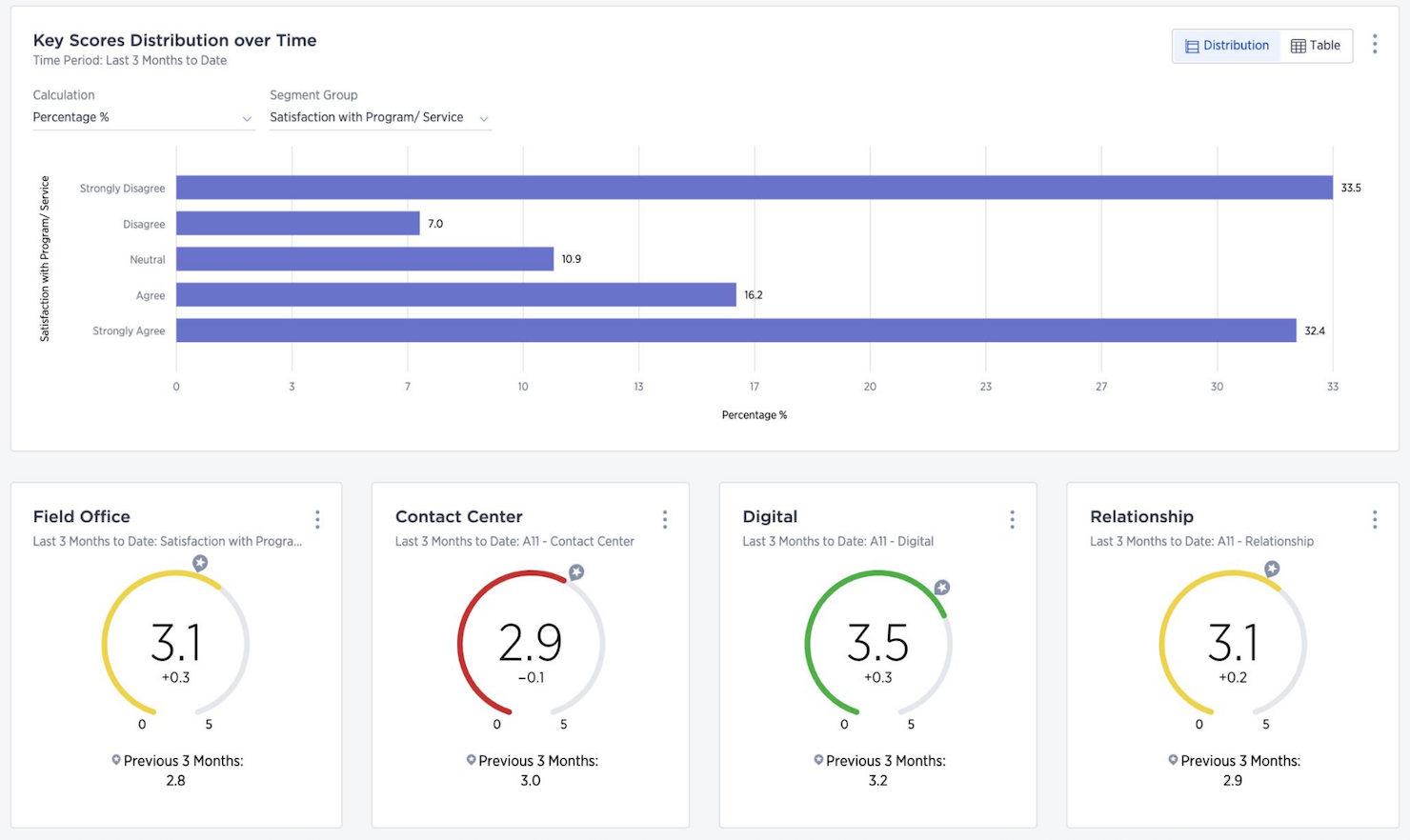
Para quienes buscan una CDP que sobresale en transformar comentarios en insights accionables, Medallia es una solución ideal. Adaptada para sectores que van desde el cuidado de la salud hasta el comercio minorista, te permite a ti y a tu equipo mejorar las experiencias de clientes y empleados a través de sus análisis potenciados por IA e integraciones. Al capturar valiosos insights de diversas interacciones, Medallia te permite optimizar operaciones y fomentar mejoras significativas, posicionándose como una de las mejores opciones para aprovechar los datos de los clientes y aumentar el compromiso y la satisfacción.
Por qué elegí Medallia
Elegí Medallia por su capacidad excepcional para captar comentarios de los clientes, una característica fundamental para cualquier plataforma de datos de clientes. Gracias a sus avanzadas capacidades de recopilación de retroalimentación, Medallia te permite desplegar encuestas personalizadas en múltiples canales, incluyendo correo electrónico y aplicaciones de mensajería, asegurando que obtengas insights dondequiera que estén tus clientes. La función de muestreo inteligente de la plataforma ayuda a gestionar la recopilación de comentarios, reduciendo el sesgo y mejorando la precisión de tus datos. Además, el análisis de texto y sentimientos impulsado por IA de Medallia te proporciona insights accionables, permitiendo que tu equipo responda proactivamente a las necesidades de los clientes y mejore la satisfacción.
Características clave de Medallia
Además de sus fortalezas en la recopilación de comentarios de clientes, Medallia ofrece una variedad de funciones que mejoran sus capacidades como plataforma de datos de clientes.
- Centros de contacto impulsados por IA: Esta función utiliza análisis avanzados para mejorar las interacciones con los clientes y predecir tendencias, permitiendo que tu equipo anticipe y satisfaga las necesidades de los clientes de manera eficaz.
- Medallia Experience Cloud: Proporciona sólidas capacidades de integración para grandes empresas, permitiéndote automatizar la recopilación de feedback y mejorar la experiencia general del cliente a través de diversas plataformas.
- Perfiles de Experiencia Total (TX): Crea una línea de tiempo completa de las interacciones con el cliente, lo que ayuda a ofrecer servicios personalizados y desarrollar estrategias efectivas multicanal.
- Análisis de causa raíz: Ofrece inteligencia accionable al identificar problemas subyacentes en las experiencias de los clientes, haciendo posible que tu equipo aborde los problemas de forma proactiva y mejore la satisfacción.
Integraciones de Medallia
Las integraciones incluyen Genesys, Amazon, Salesforce, Zendesk, Microsoft Dynamics, ServiceNow, SAP, Oracle, Adobe Experience Cloud y Twilio.
Pros and Cons
Pros:
- Amplia cobertura de canales para la captura de comentarios
- Controles granulares de muestreo y cuotas
- Modelo robusto de gobernanza y permisos
Cons:
- La configuración y el diseño del esquema requieren planificación
- Complejo de gestionar entre unidades de negocio

Sitecore
Ideal para capturar datos de clientes omnicanal
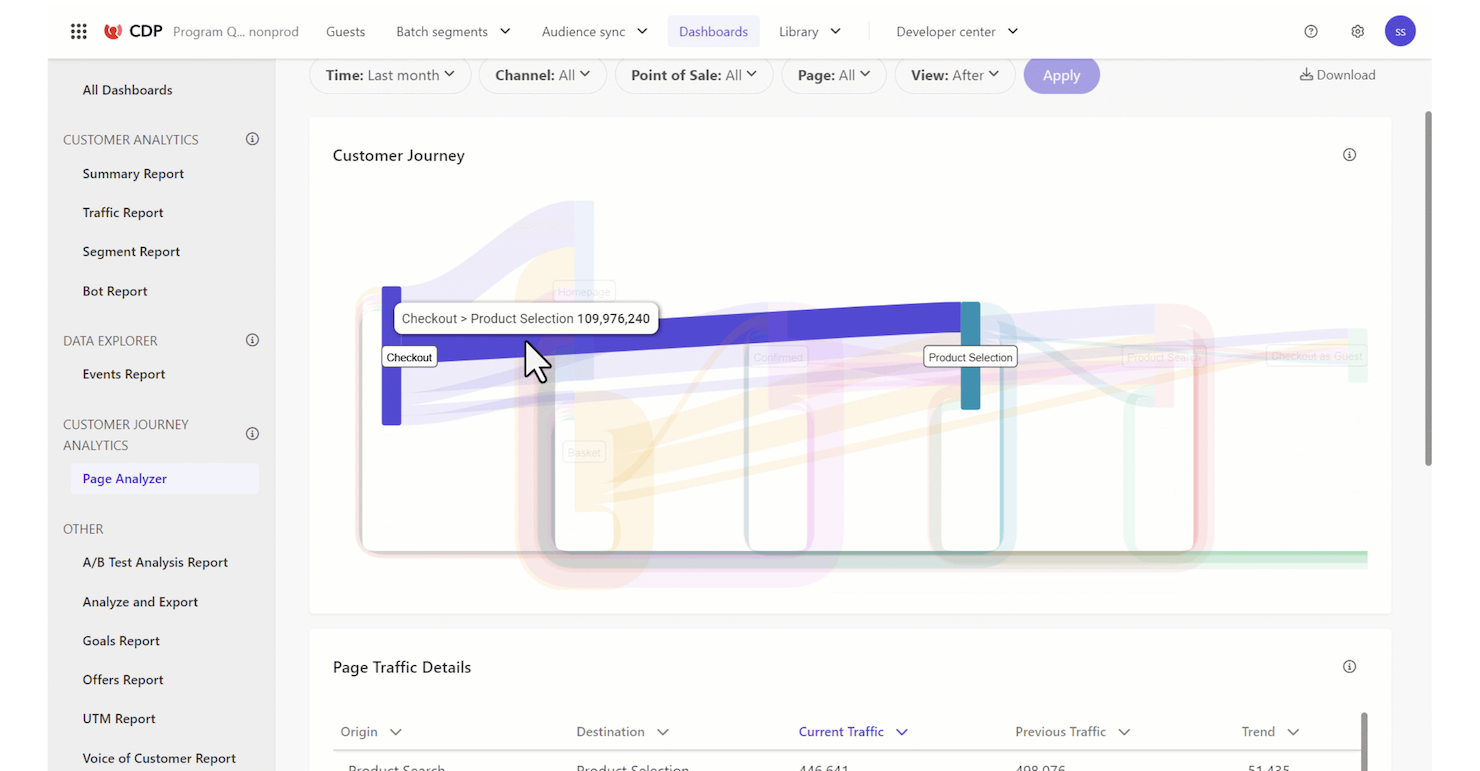
La Plataforma de Datos del Cliente de Sitecore ofrece una solución única que aprovecha el poder de la personalización impulsada por IA y amplias capacidades de integración. Esta plataforma es ideal para ecommerce, negocios impulsados por contenido, minoristas omnicanal y sectores como finanzas y salud que requieren interacciones personalizadas con el cliente. Al proporcionar una visión unificada del cliente y activación de datos en tiempo real, Sitecore te ayuda a superar desafíos como los silos de datos y preocupaciones de privacidad, permitiendo que tu equipo brinde experiencias personalizadas que resuenen con tu audiencia.
Por qué elegí Sitecore
Elegí Sitecore porque sobresale en capturar, unificar y activar datos de clientes omnicanal, lo cual es crucial para impulsar experiencias excepcionales del cliente. La capacidad de la plataforma para integrar datos de diversas fuentes, como web, aplicaciones, correo electrónico y dispositivos IoT, proporciona una visión integral de las interacciones del cliente. Valoro cómo la recopilación de datos en tiempo real y las avanzadas capacidades de segmentación de Sitecore empoderan a tu equipo para crear estrategias de marketing personalizadas. Al ofrecer conocimientos accionables y facilitar una conectividad fluida con otros servicios, Sitecore afronta los retos de la gestión de datos, permitiéndote optimizar el compromiso del cliente de manera efectiva.
Características clave de Sitecore
Además de sus sólidas capacidades para capturar y activar datos de clientes, Sitecore ofrece varias características clave que mejoran su funcionalidad como Plataforma de Datos del Cliente.
- Personalización a escala: Sitecore utiliza IA para ofrecer interacciones personalizadas con los clientes basadas en preferencias y comportamientos individuales.
- Gestión robusta de datos: La plataforma asegura la precisión de los datos mediante la limpieza automática, permitiendo que tu equipo confíe en información actualizada.
- Seguridad y cumplimiento: Sitecore prioriza la seguridad de los datos y te ayuda a cumplir con regulaciones de privacidad internacionales, como el GDPR.
- Amplio soporte de ecosistema: Se integra bien con otros productos de Sitecore, mejorando la personalización sin requerir integraciones adicionales.
Integraciones de Sitecore
Las integraciones nativas incluyen Sitecore Personalize, XM Cloud, Salesforce CRM, Salesforce Marketing Cloud y Amazon S3.
Pros and Cons
Pros:
- Escala a grandes volúmenes de eventos
- Opciones de consolidación de identidad flexibles
- Segmentación por lotes para conjuntos de datos grandes
Cons:
- La estrategia de etiquetado debe ser rigurosa
- Las exportaciones a data lake aumentan la carga operativa

Totango
Ideal para startups que buscan flexibilidad en la optimización de recorridos del cliente
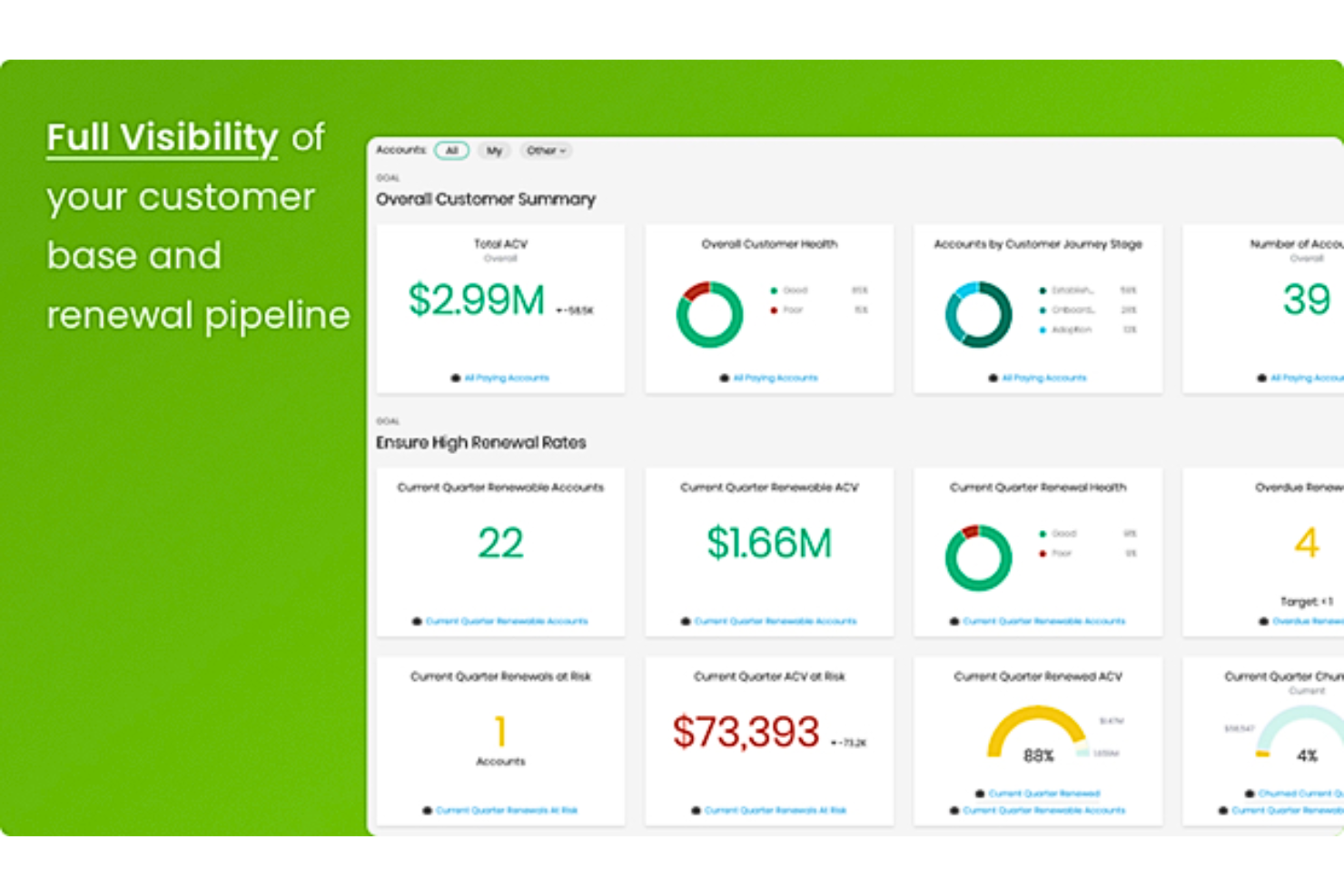
Totango ofrece un enfoque innovador para mejorar el crecimiento y la retención de clientes. Combina un software de gestión de clientes con inteligencia de ingresos predictiva y una sólida Metodología de Valor, lo que lo convierte en una opción ideal para empresas enfocadas en el crecimiento liderado por el cliente. Con conocimientos impulsados por IA y flujos de trabajo personalizables, Totango ayuda a tu equipo a maximizar el ROI del cliente y adaptarse a las necesidades comerciales en evolución, abordando el desafío de alinear los esfuerzos de ventas y posventa para lograr resultados compartidos.
Por qué elegí Totango
Elegí Totango por su capacidad única para atender a startups que buscan flexibilidad en la optimización de los recorridos de clientes. El motor Unison Customer Intelligence de la plataforma utiliza IA para predecir la pérdida de clientes analizando datos de interacción, proporcionando ideas personalizadas que son cruciales para las startups que buscan mejorar la retención de clientes. Además, la plataforma Catalyst Customer Growth ofrece flujos de trabajo automatizados y paneles personalizables, permitiendo campañas personalizadas y una adaptación fluida a las necesidades cambiantes del negocio. Estas funciones ayudan colectivamente a tu equipo a prevenir la pérdida de clientes y a impulsar el crecimiento de ingresos, haciendo que Totango sea una opción atractiva para quienes están enfocados en el éxito del cliente.
Funciones clave de Totango
Además de su flexibilidad para startups, Totango ofrece una variedad de funciones diseñadas para mejorar la gestión de datos de clientes.
- SuccessBLOCs: Esta función ofrece plantillas y técnicas personalizadas para impulsar estrategias eficaces de éxito del cliente, asegurando que tu equipo pueda implementar buenas prácticas rápidamente.
- Puntaje Multifactorial de Salud: Evaluando diversos factores, esta función permite valorar la salud del cliente de manera integral, ayudando a identificar áreas que requieren atención.
- Segmentación de Clientes: Esta herramienta permite agrupar a los clientes para estrategias de marketing y compromiso más dirigidas, facilitando la personalización de tus interacciones.
- Planes de Éxito por Resultados: Colabora con los clientes para establecer objetivos de éxito compartidos, asegurando alineación y claridad en tus relaciones con ellos.
Integraciones de Totango
Entre las integraciones se encuentran Slack, Salesforce, MS Outlook, Zendesk, Gmail, Hubspot, Amazon S3, Chorus, Dropbox, Gong, Jira, monday, Pendo y más.
Pros and Cons
Pros:
- Seguimiento y análisis del puntaje de salud del cliente
- Mapeo de recorridos fácil y configurable
- La función Successplays ayuda a los equipos de CX a estandarizar la experiencia del usuario
Cons:
- Registrar actualizaciones en los puntos de contacto requiere muchos clics
- La agregación del uso del producto a veces genera cuentas en blanco




Para quienes buscan elevar sus estrategias de compromiso con el cliente, Salesforce Data Cloud ofrece una vista unificada de las interacciones de los clientes al integrar múltiples fuentes de datos. Esta plataforma está diseñada para organizaciones que priorizan enfoques centrados en el cliente, proporcionando modelos de datos específicos para la industria y capacidades avanzadas de IA para personalizar las experiencias y aumentar el compromiso. Al abordar desafíos complejos de datos, se convierte en una herramienta esencial para optimizar tus operaciones de marketing, ventas y servicio.
Por Qué Elegí Salesforce Data Cloud
Elegí Salesforce Data Cloud por su excepcional capacidad para crear perfiles unificados de clientes, una necesidad imprescindible para las empresas que buscan una visión integral de sus clientes. La plataforma destaca en la integración de datos provenientes de múltiples fuentes en tiempo real, asegurando que tu equipo pueda tomar decisiones informadas rápidamente. Con sus capacidades avanzadas de segmentación, puedes personalizar las interacciones con los clientes según atributos como el historial de compras y el nivel de interacción. Además, su integración con IA para análisis predictivos mejora tu capacidad de anticipar las necesidades del cliente y personalizar las experiencias, lo que la convierte en una herramienta invaluable para optimizar las estrategias de compromiso con el cliente.
Principales Características de Salesforce Data Cloud
Además de sus sólidas capacidades para crear perfiles unificados de clientes, Salesforce Data Cloud ofrece una variedad de funcionalidades diseñadas para mejorar tu experiencia de gestión de datos.
- Conectores Zero-Copy: Permiten el acceso en tiempo real a almacenes de datos externos sin duplicar información, garantizando la seguridad y reduciendo la latencia.
- Búsqueda Vectorial: Soporta aplicaciones avanzadas de IA al recuperar registros basados en el significado, mejorando la obtención de insights contextualmente relevantes.
- Data Cloud Sandboxes: Proporcionan entornos seguros para pruebas sin afectar los datos de producción, facilitando la colaboración entre equipos.
- Política y Gobierno de Datos: Garantiza el acceso controlado y el cumplimiento normativo mediante políticas integradas y registros de auditoría.
Integraciones de Salesforce Data Cloud
Las integraciones incluyen servicios de Amazon, Google Analytics, LinkedIn, Salesforce CRM, Salesforce Marketing Cloud, Salesforce Service Cloud, servicios de SAP, Snowflake, Tableau, TikTok, WordPress y Zendesk.
Pros and Cons
Pros:
- Estrecha alineación con los flujos de trabajo de Salesforce
- Reglas de identidad y fusiones flexibles
- Perfiles en tiempo real para acciones oportunas
Cons:
- La lógica de consultas puede ser compleja
- La implementación requiere administradores capacitados

Ideal para recopilar datos de clientes B2B y B2C en tiempo real

Para quienes buscan una solución sofisticada para unificar datos de clientes y mejorar el marketing personalizado, Adobe Real-Time CDP ofrece una plataforma atractiva. Al integrar datos de toda tu empresa, permite crear perfiles de clientes accionables en tiempo real, fomentando un compromiso más enriquecido con el cliente. Esta plataforma resulta especialmente interesante para los especialistas en marketing y negocios que desean ofrecer experiencias personalizadas mientras mantienen un sólido control de gobernanza y privacidad de datos.
Por qué elegí Adobe Real-Time CDP
Elegí Adobe Real-Time CDP por su capacidad para unificar datos de clientes B2B y B2C en tiempo real, lo cual es crucial para empresas que necesitan activación instantánea de audiencias. La plataforma destaca con funciones como perfiles unificados de cliente, que centralizan datos de fuentes online y offline, permitiendo obtener insights accionables y estrategias de marketing personalizadas. Sus capacidades de gestión de audiencias permiten segmentación y enriquecimiento en tiempo real, asegurando que tus esfuerzos de marketing sean siempre relevantes y oportunos. Además, el enfoque de Adobe Real-Time CDP en el marketing sin cookies garantiza que puedas mantener una interacción efectiva con el cliente sin depender de cookies de terceros, abordando preocupaciones de privacidad y los cambios en el entorno digital.
Características clave de Adobe Real-Time CDP
Además de sus capacidades de recopilación de datos en tiempo real, Adobe Real-Time CDP ofrece varias otras funcionalidades valiosas para empresas que buscan optimizar sus estrategias de datos de clientes.
- Gobernanza de datos: Esta función proporciona a tu equipo las herramientas necesarias para gestionar el cumplimiento y la privacidad, asegurando que los datos de clientes sean manejados responsablemente y de acuerdo con las regulaciones.
- Colaboración: Adobe Real-Time CDP incluye una aplicación de colaboración de datos que conecta anunciantes y editores, permitiéndoles identificar audiencias de alto valor mientras mantienen la privacidad de los datos.
- Conexiones: Optimiza la recopilación y distribución de datos hacia Adobe Experience Platform y otras herramientas, mejorando el rendimiento del sitio y las experiencias de marketing al asegurar que los datos fluyan sin problemas entre los sistemas.
- Asistente de IA: Un asistente de IA integrado ayuda a simplificar los flujos de trabajo y mejorar la productividad, facilitando que tu equipo gestione y active los datos de clientes de manera eficiente.
Integraciones de Adobe Real-Time CDP
Las integraciones incluyen Adobe Journey Optimizer, Adobe Customer Journey Analytics, Adobe Experience Platform, Facebook, Google y otros productos de Adobe.
Pros and Cons
Pros:
- Función de búsqueda eficaz para analizar los datos de clientes
- Ofrece integración de datos en tiempo real para mejorar la toma de decisiones
- Facilita el cumplimiento de privacidad con sólidas herramientas de gobernanza de datos
Cons:
- Carece de una barra de herramientas intuitiva
- Requiere integración con productos de Adobe para obtener toda su funcionalidad
Otras opciones
Aquí tienes algunas otras plataformas de datos de clientes que no entraron en mi selección, pero que aún vale la pena considerar:
- Tealium AudienceStream CDP
Ideal para optimizar la infraestructura de datos y desarrollar vistas unificadas del cliente
- Emarsys
Mejor para la automatización del marketing multicanal automatizada
- Treasure Data
Ideal para CX conectada mediante datos de usuario unificados
- Optimove
Lo mejor para estrategias de marketing personalizadas
- Zeta
Mejor para procesamiento de datos escalable y arquitectura sin esquemas
- mParticle
Mejor para la orquestación del recorrido y la inteligencia predictiva del cliente
- Rudderstack
La mejor CDP nativa de almacén para todo el ciclo de activación de datos
- Pimcore CDP
Mejor CDP de código abierto para automatizar la integración, unificación y modelado de datos
- Customer.io
Mejor CDP con constructor visual de flujos de trabajo


Cómo evalúo las plataformas de datos de clientes
Cuando una CDP no puede resolver identidades o enviar segmentos aguas abajo en tiempo real, no entra en la lista; luego, evalúo diferenciadores como la integración con almacenes de datos y la modelización predictiva.
Funcionalidades clave (requisitos imprescindibles para esta lista)
Cuando selecciono herramientas para mi lista, califico cada una en una escala del 0 (no ofrece la funcionalidad) al 5 (sobresale en esta área) para cada funcionalidad clave enumerada a continuación. Luego, calculo la puntuación total de la herramienta en porcentaje. Cada herramienta necesita lograr una puntuación mínima total del 75% para ser considerada para inclusión.
- Ingesta e integración de datos: Reviso si la plataforma puede recopilar datos de las fuentes que los equipos de CX realmente utilizan—analítica web, SDKs móviles, sistemas CRM, bases de datos transaccionales y eventos offline como interacciones en tienda.
- Resolución de identidad: Unir un inicio de sesión de correo electrónico conocido con sesiones anteriores de navegación anónima es esencial, por lo que evalúo cómo cada herramienta maneja la coincidencia de identidad entre dispositivos y canales.
- Perfiles unificados de clientes: Cada plataforma debe consolidar eventos de comportamiento, historial de compras y atributos demográficos en un único registro consultable que se actualiza a medida que ingresan nuevos datos.
- Segmentación de audiencias: Busco un creador visual de segmentos donde los equipos de CX puedan crear audiencias dinámicas—como clientes que han navegado una categoría de productos tres veces pero nunca han comprado—sin escribir SQL o solicitar tickets de ingeniería.
- Activación en tiempo real: Los segmentos deben llegar a destinos aguas abajo como plataformas de correo electrónico, redes publicitarias y motores de personalización, así que evalúo la amplitud de los conectores y si las sincronizaciones ocurren en tiempo real o sólo mediante trabajos por lotes programados.
- Gobernanza de datos y consentimiento: El cumplimiento de privacidad determina cómo se construye y activa cada perfil, por lo que analizo los flujos de recolección de consentimiento, controles de acceso a PII y soporte para normativas como GDPR y CCPA.
Una vez que tengo una lista de herramientas que cumplen con estos criterios, considero qué diferencia a cada plataforma.
Factores diferenciadores (qué distingue a cada proveedor)
Así es como comparo y diferencio a los distintos proveedores:
Características destacadas
La puntuación predictiva—como los modelos de riesgo de abandono o valor de vida del cliente—ahorra a los equipos de CX depender de cuellos de botella en ciencia de datos para priorizar el contacto. También evalúo si una plataforma ofrece orquestación de recorridos de forma nativa, ya que activar un flujo de retención en el momento en que cae la interacción de un cliente de alto valor es mucho más útil que exportar una lista estática. La integración cero copia con almacenes de datos también es importante; plataformas como Hightouch y Census permiten a los equipos activar datos directamente desde Snowflake o BigQuery sin duplicarlos en otro silo más.
Más allá de las características
La transparencia del modelo de precios es una de las primeras cosas que reviso—la facturación basada en perfiles, eventos o usuarios mensuales activos (MTU) escala de manera muy diferente cuando se procesan millones de interacciones al mes. También evalúo la profundidad de integración, específicamente si una CDP se conecta de forma nativa con el stack de CX que ya usas (soportes de ayuda, plataformas de email, herramientas analíticas) o requiere desarrollos personalizados. La postura de cumplimiento es igual de importante; busco certificación SOC 2 Tipo II, opciones de residencia de datos regional y gestión nativa de consentimiento en vez de soluciones agregadas.
Cómo elegir la CDP adecuada
Es fácil quedar atrapado en largas listas de características y estructuras de precios complejas al elegir la CDP adecuada. Para ayudarte a mantener el foco mientras avanzas en tu proceso único de selección de software, aquí tienes una lista de factores a considerar:
| Factor | Qué considerar |
|---|---|
| Escalabilidad | Asegúrate de que la plataforma pueda crecer junto con tu negocio. Busca soluciones que puedan manejar un mayor volumen de datos y usuarios sin comprometer el rendimiento. |
| Integraciones | Verifica la compatibilidad con tus herramientas actuales. Una plataforma que se integre fácilmente con CRM, marketing y herramientas de análisis le ahorrará tiempo y esfuerzo a tu equipo. |
| Personalización | Busca opciones de personalización que te permitan adaptar la plataforma a tus necesidades específicas. Esto incluye paneles personalizados y características de reporte. |
| Facilidad de uso | Elige una plataforma con una interfaz intuitiva. Tu equipo se beneficiará de una curva de aprendizaje más corta, reduciendo el tiempo necesario para volverse competente. |
| Presupuesto | Ten en cuenta tus limitaciones financieras. Evalúa el costo total de propiedad, incluyendo posibles tarifas adicionales por soporte o funciones premium, para permanecer dentro del presupuesto. |
| Medidas de seguridad | Da prioridad a plataformas con medidas de seguridad robustas. Asegúrate de que cumplan con regulaciones de protección de datos, como el GDPR, para proteger la información de tus clientes. |
Tendencias en plataformas de datos de clientes
En mi investigación, revisé innumerables actualizaciones de productos, notas de prensa y registros de versiones de distintos proveedores de plataformas de datos de clientes. Estas son algunas de las tendencias emergentes a las que les estoy prestando atención:
- Procesamiento de datos en tiempo real: Las empresas desean obtener información inmediata, y las plataformas están evolucionando para procesar datos en tiempo real. Esta tendencia ayuda a los equipos a tomar decisiones más rápidas, con algunos proveedores que ofrecen paneles en vivo y análisis instantáneos para satisfacer esta demanda.
- Información del cliente impulsada por IA: Las plataformas están incorporando la inteligencia artificial y el aprendizaje automático para predecir el comportamiento del cliente y personalizar las experiencias. Esta tendencia está proporcionando a las empresas una ventaja competitiva al adaptar las interacciones de manera más eficaz.
- Mejoras en la privacidad de los datos: Las plataformas están reforzando sus funciones de seguridad. Los proveedores están añadiendo herramientas para mejorar el cumplimiento de normativas como el RGPD, lo que garantiza el manejo responsable de los datos de los clientes.
- Integración omnicanal: Las plataformas se centran en unificar los datos de los clientes a través de diversos canales. Esta tendencia ayuda a las empresas a crear una experiencia de cliente coherente al integrar datos de redes sociales, correo electrónico y las interacciones en tienda.
- Soluciones centradas en grandes empresas: Ofrece soluciones de plataformas de datos de clientes adaptadas para grandes organizaciones, diseñadas para mejorar el rendimiento de las campañas y crear experiencias de cliente impactantes mediante la unificación eficaz de grandes cantidades de datos.
¿Qué es una plataforma de datos de clientes?
Una plataforma de datos de clientes es un software que recopila y unifica datos de múltiples fuentes para crear una vista centralizada y en tiempo real de cada cliente. Permite a los equipos analizar comportamientos, personalizar interacciones y coordinar experiencias a través de distintos canales.
Características de las plataformas de datos de clientes
Al seleccionar plataformas de datos de clientes, presta atención a las siguientes características clave:
- Perfiles de clientes unificados: Reúne datos de múltiples fuentes para crear una vista única y completa de cada cliente. Esto ayuda a evitar esos momentos embarazosos en los que marketing envía correos de “Feliz cumpleaños” a la persona equivocada.
- Procesamiento de datos en tiempo real: Recopila, analiza y actualiza instantáneamente la información de los clientes. Con información al instante, puedes responder a las acciones de los clientes tan rápido como ocurren, sin quedarte atrás.
- Capacidades de integración de datos: Conecta de forma fluida tus distintos sistemas—CRMs, cuentas de redes sociales, análisis web y más—para que todos tus datos de clientes trabajen juntos y no pierdas ningún conocimiento clave.
- Herramientas de segmentación: Divide a tu audiencia en grupos altamente segmentados utilizando características o comportamientos específicos. Esto significa que tus mensajes pueden ser personalizados y relevantes, no solo envíos genéricos de “Estimado cliente”.
- Privacidad y seguridad de los datos: Protege todos esos datos sensibles de los clientes con funciones de seguridad integradas y soporte para el cumplimiento normativo. Nadie quiere ser el motivo por el que la empresa termine en las noticias de la noche.
- Activación multicanal: Usa tus datos unificados para lanzar campañas por correo electrónico, SMS, anuncios y más desde un solo lugar. Así ejecutar estrategias de marketing complejas se vuelve mucho más sencillo.
- Resolución de identidad: Reconoce con precisión las identidades de los clientes, incluso si usan varios dispositivos o direcciones de correo electrónico, para que no tengas que adivinar quién es quién en tu base de datos.
- Paneles de análisis e informes: Comprende tu montaña de datos de clientes con informes y visualizaciones fáciles de entender. Así siempre contarás con la información necesaria para tomar decisiones inteligentes.
Características comunes de IA en las plataformas de datos de clientes
Más allá de las características estándar mencionadas anteriormente, muchas de estas soluciones están incorporando IA con funciones como:
- Análisis predictivo: Utiliza IA para prever el comportamiento del cliente, como quién tiene más probabilidades de comprar, abandonar o interactuar con tu marca. Esto te ayuda a priorizar los esfuerzos de marketing y destinar tu presupuesto donde más importa.
- Segmentación automática de clientes: Deja que la IA encuentre patrones y segmentos ocultos en tus datos que podrías pasar por alto. Así lograrás una segmentación más inteligente sin tener que dividir datos manualmente durante horas.
- Motores de personalización: Ofrece contenidos y recomendaciones de productos altamente personalizados según el comportamiento en tiempo real del cliente, gracias a una IA que aprende qué le importa a cada persona.
- Mapeo del recorrido del cliente: La IA rastrea y optimiza cada paso del recorrido del cliente, asegurando que el mensaje correcto llegue a la persona adecuada en el momento adecuado; como un propio servicio de conserjería digital.
- Análisis de sentimiento: Detecta e interpreta automáticamente cómo se sienten los clientes acerca de tu marca analizando sus mensajes, reseñas o publicaciones en redes sociales. Así puedes identificar a tus seguidores—y abordar problemas—antes de que la situación se agrave.
Beneficios de las plataformas de datos de clientes
Implementar plataformas de datos de clientes proporciona varios beneficios para tu equipo y tu negocio. Aquí tienes algunos a los que puedes aspirar:
- Información mejorada del cliente: Los análisis impulsados por IA ofrecen una comprensión más profunda del comportamiento del cliente, permitiendo interacciones más personalizadas.
- Toma de decisiones mejorada: El procesamiento de datos en tiempo real permite que tu equipo tome decisiones informadas rápidamente, reaccionando a las necesidades de los clientes a medida que surgen.
- Experiencia de cliente consistente: La integración omnicanal asegura que los clientes reciban una experiencia uniforme en todos los puntos de contacto.
- Gestión eficiente de datos: Datos de clientes unificados, combinando información de múltiples fuentes, reduciendo duplicados y errores.
- Esfuerzos de marketing dirigidos: La segmentación de clientes ayuda a crear estrategias de marketing que resuenan con grupos específicos de audiencia.
- Cumplimiento normativo: Las funciones de privacidad de datos aseguran que tu empresa cumpla con regulaciones como GDPR, protegiendo la confianza del cliente.
- Optimización de recursos: Flujos de trabajo y herramientas para ahorrar tiempo y recursos, permitiendo que tu equipo se enfoque en estrategias más avanzadas para el éxito del cliente.
Costos y precios de las plataformas de datos de clientes
Seleccionar plataformas de datos de clientes requiere comprender los diferentes modelos y planes de precios disponibles. Los costos varían según las funciones, el tamaño del equipo, los complementos y más. La siguiente tabla resume los planes más comunes, sus precios promedio y las características típicas que incluyen las soluciones de CDP:
Tabla comparativa de planes para plataformas de datos de clientes
| Tipo de plan | Precio promedio | Características comunes |
|---|---|---|
| Plan gratuito | $0 | Colección básica de datos, análisis limitados y acceso a soporte de la comunidad. |
| Plan personal | $10-$30/usuario/mes | Segmentación avanzada de datos, paneles personalizables y soporte por correo electrónico. |
| Plan de negocios | $50-$100/usuario/mes | Análisis en tiempo real, análisis impulsados por IA e integración con herramientas CRM. |
| Plan empresarial | $150-$300/usuario/mes | Integración omnicanal completa, administrador de cuenta dedicado y funciones de seguridad mejoradas. |
La gente también pregunta
Aquí tienes algunas preguntas frecuentes relevantes sobre las plataformas de datos de clientes que explican cómo funcionan con un poco más de detalle:
¿Cómo funcionan las plataformas de datos de clientes?
Una plataforma de datos de clientes (CDP) centraliza y asimila datos de clientes desde diversas fuentes y puntos de contacto de marketing para crear perfiles unificados de los clientes. Estos perfiles abarcan datos demográficos como edad, género, ubicación, etc. También incluyen datos psicográficos como comportamiento, preferencias, estilos de vida, hábitos de navegación en línea, interacciones con la marca y más.
Las CDP enriquecen la consolidación de datos y aseguran la adecuada depuración de los mismos para obtener perfiles de clientes precisos. Con una CDP, puedes liderar la toma de decisiones basada en datos e iniciativas de marketing personalizadas. El mejor software de CDP también incluye funciones que ayudan a las empresas a gestionar las complejidades de la gestión de datos contemporánea y el cumplimiento de normativas de privacidad.
Las CDP actúan como una única fuente de verdad para tus datos de clientes. Una cultura de alfabetización de datos CX puede llevar a interacciones más personalizadas y mayor satisfacción del cliente.
¿Cuál es la diferencia entre una CDP y un CRM?
Una CDP recopila y unifica datos de clientes de todas las fuentes para construir perfiles completos para segmentación y personalización. Un CRM registra interacciones uno a uno con clientes potenciales o actuales, principalmente para los equipos de ventas y servicio. Utiliza una CDP para obtener una visión completa de cada cliente, mientras que un CRM ayuda a tu equipo a gestionar relaciones directas y actividades de ventas.
¿Qué es la resolución de identidad y cómo funciona?
La resolución de identidad vincula puntos de datos de clientes—como correos electrónicos, números de teléfono y comportamientos—a un único perfil unificado. Una CDP logra esto al hacer coincidir registros de distintas fuentes y actualizar perfiles a medida que llegan nuevos datos. Este proceso te ayuda a evitar duplicados y a ofrecer experiencias consistentes y personalizadas a cada cliente.
Así es cómo funciona:
- Recopilación de datos: Una CDP reúne datos de clientes de distintos canales de marketing y soporte.
- Correspondencia y eliminación de duplicados: Una CDP utiliza algoritmos que examinan los identificadores para determinar si son exclusivos de una sola persona.
- Unificación de identidad: Una vez descubiertas las coincidencias, una CDP une los elementos de datos para crear un perfil de cliente completo.
- Actualización continua: Una CDP actualiza los perfiles de consumidores en tiempo real para reflejar cambios en preferencias, comportamientos o información de contacto.
- Personalización: Los profesionales del marketing pueden dirigirse a perfiles ideales de clientes con contenidos, ofertas y experiencias altamente personalizadas.
¿Cómo integro una plataforma de datos de clientes con mi stack tecnológico actual?
La mayoría de las CDP te permiten integrarlas con tus herramientas actuales usando APIs, conectores preconstruidos o plataformas de intermediación. Comienza verificando si tu CDP ofrece integraciones directas con tu CRM, correo electrónico, herramientas de análisis y publicidad. Si no es así, consulta si ofrece acceso API abierto o soporte para plataformas de integración como Zapier. Cuanto más fluida sea la integración, más fácil será unificar canales, optimizar flujos de trabajo y mantener tus datos precisos y actualizados.
¿Cómo utilizan las plataformas de datos de clientes la IA y el aprendizaje automático?
Las CDP utilizan inteligencia artificial y aprendizaje automático para predecir el comportamiento de los clientes, encontrar patrones y automatizar la segmentación. Estas herramientas pueden ayudarte a puntuar clientes potenciales, sugerir las mejores acciones siguientes o identificar cuándo un cliente podría abandonar. Obtendrás perspectivas más inteligentes, mejor segmentación y campañas más efectivas.
¿Cómo garantizan las plataformas de datos de clientes la protección y privacidad de los datos?
Las CDP protegen tus datos con cifrado, control de acceso basado en roles y herramientas de cumplimiento para normativas como GDPR o CCPA. Te permiten definir controles de permisos, auditar el uso de datos y gestionar las preferencias de consentimiento. Revisa siempre las certificaciones de seguridad de datos de tu proveedor y analiza cómo manejan información sensible antes de comprar.
¿Cuáles son los retos comunes al implementar una CDP?
Entre los retos más comunes están los datos desordenados o aislados, los objetivos poco claros y obtener la aceptación de distintos equipos. Puedes enfrentar obstáculos de integración o encontrar dificultades para mapear con precisión las identidades de los clientes en diversas fuentes. Ten presente que es necesario invertir tiempo en limpiar los datos, definir reglas de gobernanza y colaborar estrechamente con los equipos de TI y del negocio. La comunicación clara y una implementación por fases facilitan mucho la adopción.
¿Cómo puede una CDP ayudar en la segmentación y personalización del cliente?
Una CDP te ayuda a segmentar clientes combinando datos de todos tus canales en perfiles unificados. Puedes agrupar automáticamente a los clientes según comportamientos, datos demográficos, compras previas o niveles de interacción. Eso facilita enviar ofertas u mensajes personalizados por email, anuncios o tu sitio web. Una mejor segmentación implica una experiencia de cliente mejorada y mayores tasas de conversión.
Otras reseñas de software de datos de clientes
Antes de cambiar de pestaña, puedes consultar estos otros tipos de software si te interesa gestionar los recorridos de los clientes y garantizar experiencias memorables para ellos:
- Software de Gestión de Relaciones con Clientes (CRM)
- Software de Analítica de Clientes con Big Data
- Software Gratuito de Base de Datos de Clientes
- Software de Analítica del Recorrido del Cliente
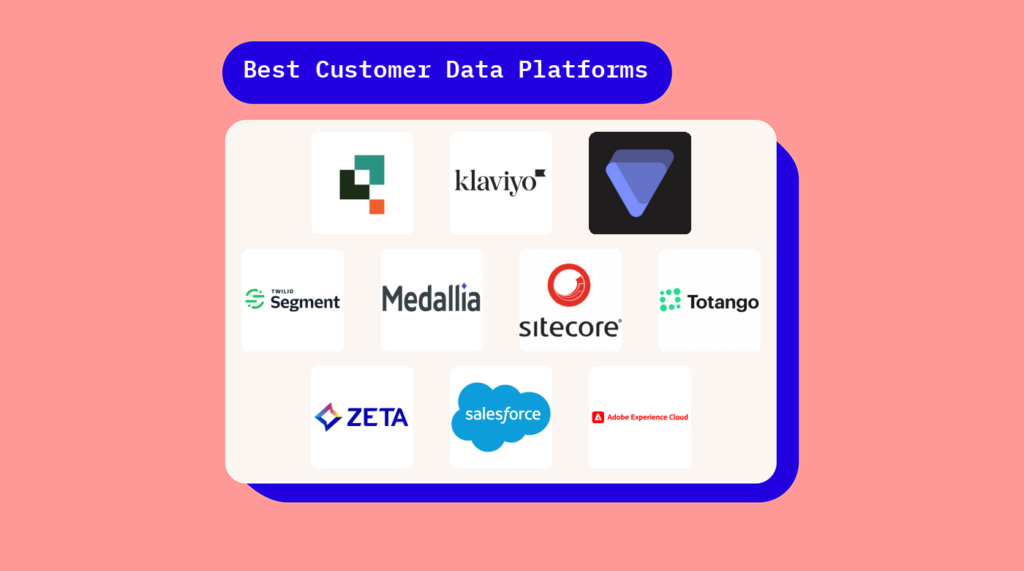
Las Plataformas de Datos de Clientes Unifican Tus Insights de Marketing
Elegir la plataforma de datos de clientes adecuada para tu empresa puede ser una tarea abrumadora. Sin embargo, puede ayudarte a centralizar y unificar los datos de los visitantes de numerosas fuentes y crear perfiles completos de clientes. Esto permite personalizar aún más las experiencias de los usuarios y mejorar el compromiso, la satisfacción, la lealtad y la retención de los clientes.
Puedes suscribirte al boletín informativo de The CX Lead para mantenerte al día con las tendencias y conocimientos más recientes sobre experiencia de cliente de los principales expertos del sector.