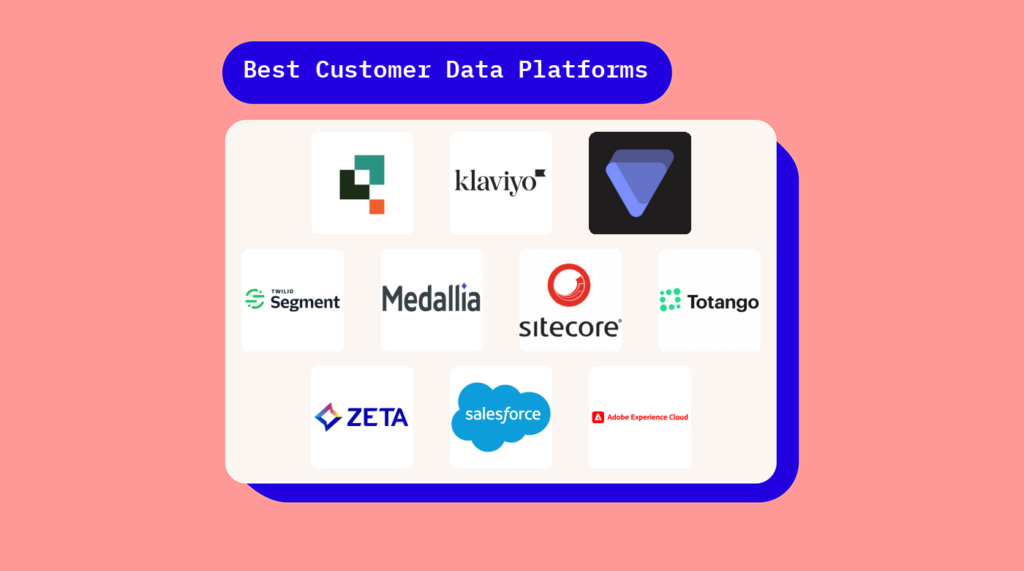

Kundendatenplattformen helfen Ihnen, Kundeninformationen zu zentralisieren, damit Ihre Teams personalisiertere und besser vernetzte Erlebnisse bieten können. Doch bei so vielen Tools, die sich selbst als CDPs bezeichnen, ist es schwierig zu wissen, welche Ihre Daten tatsächlich vereinheitlichen und nutzbar machen.
In diesem Artikel teile ich meine besten Empfehlungen für die besten Kundendatenplattformen, mit denen Sie Zielgruppen segmentieren, Erkenntnisse in Echtzeit aktivieren und das Kundenerlebnis über Teams und Kanäle hinweg koordinieren können. Ganz gleich, ob Sie Serviceanfragen verwalten, Kampagnen starten oder Nutzerpfade personalisieren – diese Tools bieten die Datengrundlage, um jede Kundeninteraktion optimal zu nutzen.
Warum Sie unseren Software-Empfehlungen vertrauen können
6,700+
Reviews
20
Industry experts
16+
Evaluation factors
14
Years
Unser Team testet und bewertet Software seit 2012. Als CX-Führungskräfte selbst wissen wir, wie schwierig – und wichtig – es ist, die richtige Software auszuwählen.
Für diesen Leitfaden haben wir Tools mithilfe von praktischen Tests und unabhängiger Recherche bewertet und dabei unsere Bewertungskriterien angewendet.
Unsere Bewertungen spiegeln unser menschliches redaktionelles Urteilsvermögen wider, keine Verkaufsstrategie.
 Gui DrusinaCreative Director
 Tim FisherVP of AI
Vergleichstabelle: Kundendatenplattformen
Diese Vergleichstabelle fasst grundlegende Informationen zu jeder meiner empfohlenen Kundendatenplattformen zusammen.
| Tool | Best For | Trial Info | Price | ||
|---|---|---|---|---|---|
| 1 | Beste No-Code und hochgradig anpassbare CDP | 30-tägige kostenlose Testphase | Ab $35/Nutzer/Monat (jährlich abgerechnet, mindestens 20 Nutzer) | Website | |
| 2 | Am besten geeignet für die Aktivierung von Kundendaten | Kostenloser Plan + kostenlose Demo verfügbar | Ab $20/Monat | Website | |
| 3 | Am besten geeignet, um die Gesundheit von Kundenportfolios zu verstehen | Kostenlose Demo verfügbar | Preise auf Anfrage | Website | |
| 4 | Am besten geeignet zum Erfassen und Verteilen von Nutzeranalysedaten | Kostenlose Demo verfügbar | Preise auf Anfrage | Website | |
| 5 | Am besten für die Erfassung von Kundenfeedback geeignet | Kostenlose Demo verfügbar | Preis auf Anfrage | Website | |
| 6 | Am besten geeignet zum Erfassen von Omnichannel-Kundendaten | Kostenlose Demo verfügbar | Preise auf Anfrage | Website | |
| 7 | Idéal pour les startups recherchant de la flexibilité dans l'optimisation des parcours clients | Démo gratuite disponible | Tarification sur demande | Website | |
| 8 | Kostenlose Demo verfügbar | Preis auf Anfrage | Website | ||
| 9 | Am besten geeignet für einheitliche Kundenprofile | Kostenlose Demo verfügbar | Preise auf Anfrage | Website | |
| 10 | Am besten geeignet für das Sammeln von B2B- und B2C-Kundendaten in Echtzeit | Kostenlose Demo verfügbar | Preis auf Anfrage | Website |


Übersicht über die 20 besten Kundendatenplattformen
Hier sind meine besten Empfehlungen für die derzeit verfügbaren Kundendatenplattformen (CDPs), jeweils mit einer kurzen Beschreibung des jeweiligen Einsatzschwerpunkts:
 Beste No-Code und hochgradig anpassbare CDP
- 30-tägige kostenlose Testphase
- Ab $35/Nutzer/Monat (jährlich abgerechnet, mindestens 20 Nutzer)
Visit WebsiteCustomer Rating:4.4/5
QuickBase bietet anpassbare Datenbanklösungen zur Optimierung von Vertriebsprozessen und Teamzusammenarbeit – mit No-Code-Anwendungsentwicklung und Echtzeit-Einblicken. Quickbase bietet eine Low-Code-Umgebung, mit der Sie maßgeschneiderte Anwendungen erstellen können, um die Integration von Daten in Ihren Geschäftsabläufen zu gewährleisten, ohne dass umfangreiche technische Kenntnisse erforderlich sind. Durch den Einsatz von Quickbase können Sie die Effizienz Ihrer Arbeitsabläufe steigern und erhalten Echtzeit-Einblicke, was es zu einem unschätzbaren Werkzeug für jede Organisation macht, die ihre Prozesse optimieren und Kundendaten für strategisches Wachstum nutzen möchte.
Warum ich Quickbase ausgewählt habe
Ich habe Quickbase wegen seiner unübertroffenen Fähigkeit ausgewählt, als No-Code- und hochgradig anpassbare Customer-Data-Plattform zu dienen – ideal für alle, die maßgeschneiderte Anwendungen gestalten möchten, ohne umfassende technische Kenntnisse zu benötigen. Der intuitive visuelle Builder ermöglicht es Ihnen, individuelle Workflows und Anwendungen zu erstellen und so Prozesse in verschiedenen Branchen zu optimieren. Außerdem bietet Quickbase Automatisierungswerkzeuge, mit denen sich komplexe Aufgaben vereinfachen lassen, sodass Sie mehr Zeit für strategische Initiativen gewinnen. Durch die Integrationsmöglichkeiten können Sie Daten aus verschiedenen Quellen zusammenführen und so Ihre Entscheidungsgrundlage verbessern und das Unternehmenswachstum vorantreiben.
Quickbase Hauptfunktionen
Neben den No-Code-Anpassungsmöglichkeiten bietet Quickbase eine Reihe von Funktionen, die seine Einsatzfähigkeit als Customer-Data-Plattform erweitern.
- Integrierte E-Mail-Benachrichtigungen: Bleiben Sie durch automatisierte Hinweise auf kritische Ereignisse informiert und stellen Sie sicher, dass Ihr Team stets auf dem neuesten Stand ist.
- RESTful APIs-Bibliothek: Verwenden Sie ein umfassendes Set an APIs, um Aufgaben zu automatisieren und Quickbase in andere Systeme einzubinden, was die Flexibilität Ihrer Arbeitsabläufe erhöht.
- Über 40 integrierte Konnektoren: Verbinden Sie sich nahtlos mit beliebten Cloud-Diensten wie Salesforce und Slack und ermöglichen Sie so einen reibungslosen Datenfluss zwischen den Tools Ihres Unternehmens.
- Mobiler Zugriff: Greifen Sie mit einer speziellen mobilen App schnell auf Ihre Anwendungen zu und verwalten Sie Arbeitsabläufe von überall aus.
Quickbase-Integrationen
Zu den Integrationen gehören Salesforce, Slack, Google Drive, Dropbox, DocuSign, QuickBooks Online, Box, Zendesk, ServiceNow und Snowflake.
Pros and Cons
Pros:
- Starke Benutzerrollenverwaltung regelt die Datenzugriffsrechte effektiv
- Drag-and-Drop-Oberfläche vereinfacht die Anwendungsentwicklung
- Quickbase bietet eine vielseitige Low-Code-Umgebung zur Anpassung
Cons:
- Bei den Integrationen können Herausforderungen auftreten, die fortgeschrittene API-Kenntnisse erfordern
- Einschränkungen in der mobilen Funktionalität können den Zugriff unterwegs erschweren
Learn more about Quickbase: Am besten geeignet für die Aktivierung von Kundendaten
- Kostenloser Plan + kostenlose Demo verfügbar
- Ab $20/Monat
Visit WebsiteCustomer Rating:4.6/5
Die Customer Data Platform von Klaviyo liefert Einblicke in eine Vielzahl von Kennzahlen, einschließlich der Funnel-Performance. Die Datenplattform von Klaviyo stellt Ihre Kundendaten in den Mittelpunkt Ihrer Engagement-Strategie, sodass Sie diese Informationen für Marketing, Service und Analysen nutzen können, ohne verschiedene Systeme miteinander verknüpfen zu müssen. Sie führt Daten aus vielen Bereichen Ihres Technologie-Stacks zusammen, hilft Ihnen, detaillierte Kundenprofile zu erstellen, und aktiviert diese Profile in Kampagnen, die direkt auf das Verhalten und die Interaktionen der Menschen mit Ihrer Marke eingehen—ideal, wenn Ihr Team mehr aus Ihren Kundendaten herausholen möchte als nur einfache Listen und Berichte.
Warum ich Klaviyo gewählt habe
Ich schätze Klaviyos Fähigkeit, Kundendaten nahtlos zu vereinheitlichen und zu aktivieren. Die Segmentierungsfunktion in Echtzeit nach Verhalten erlaubt es Ihnen, bestimmte Zielgruppen präzise anzusprechen und so Ihre Marketingmaßnahmen zu optimieren. Darüber hinaus liefern die KI-gestützten, prädiktiven Analysen der Plattform wertvolle Einsichten in das Kundenverhalten, sodass Sie Bedürfnisse antizipieren und Marketingstrategien entsprechend anpassen können. Mit über 350 Integrationen sorgt Klaviyo dafür, dass Ihre Datenverbindungen stets stabil und vielseitig bleiben.
Klaviyo Hauptfunktionen
Neben seiner leistungsstarken Segmentierung und prädiktiven Analysefähigkeiten bietet Klaviyo zahlreiche weitere Funktionen:
- Omnichannel-Marketing: Klaviyo unterstützt Marketing über E-Mail, SMS und soziale Medien, sodass Sie Kunden überall erreichen, wo sie sind.
- KI-gestützte Marketing-Agenten: Nutzt integrierte KI-Tools, um Kampagneninhalte zu erstellen, Segmente vorzuschlagen und Strategien basierend auf Mustern in Ihren eigenen Daten zu optimieren.
- Drag-and-Drop-E-Mail- und Kampagnen-Builder: Erstellen und gestalten Sie E-Mail- und SMS-Kampagnen mit einem intuitiven visuellen Editor.
- Automatisierte Abläufe & Auslöser: Ermöglicht den automatischen Versand von E-Mails basierend auf bestimmten Kundenaktionen, um das Engagement zu steigern.
Klaviyo Integrationen
Zu den Integrationen gehören Shopify, WooCommerce, BigCommerce, Magento, Salesforce, Stripe, Facebook, Instagram, Google Ads und Mailchimp.
Pros and Cons
Pros:
- Unterstützt Omnichannel-Marketing, einschließlich E-Mail, SMS und Social Media.
- Lieferte KI-gesteuerte Erkenntnisse für personalisierte Marketingstrategien.
- Bietet umfassende Datenintegration für einheitliche Kundenprofile.
Cons:
- Die Preise können mit wachsender Kontaktliste schnell steigen.
- Einige Nutzer wünschen sich mehr Anpassungsmöglichkeiten.
Learn more about Klaviyo: Am besten geeignet, um die Gesundheit von Kundenportfolios zu verstehen
- Kostenlose Demo verfügbar
- Preise auf Anfrage
Visit WebsiteCustomer Rating:4.6/5
Velaris bietet eine zentrale Datenbank für Kundendaten, einschließlich Analysen zur Kundengesundheit und -stimmung Velaris ist für Unternehmen konzipiert, die ihre Kundenbindung verbessern und ihre Geschäftsabläufe optimieren möchten. Es lässt sich nahtlos in Ihre Prozesse integrieren und bietet maßgeschneiderte Lösungen für Teams wie Customer Success, Vertrieb und Marketing. Durch die Automatisierung von Routineaufgaben und den Einsatz von prädiktiver Analytik hilft Velaris dabei, sich auf bedeutungsvolle Interaktionen zu konzentrieren, Abwanderungsrisiken vorherzusagen und personalisierte Kundenreisen zu gestalten.
Warum ich Velaris ausgewählt habe
Ich habe Velaris ausgewählt, weil es hervorragende Einblicke in den Zustand von Kundenportfolios bietet – ein entscheidender Aspekt für jedes Unternehmen, das seine Customer-Success-Aktivitäten optimieren möchte. Der Health Score Builder von Velaris ermöglicht es, individuelle Gesundheitswerte mit Echtzeit-Metriken wie Nutzeraktivität und Support-Ticket-Volumen zu erstellen, die Abwanderungsrisiken prognostizieren und Wachstumspotenziale aufdecken können. Das mehrstufige Gesundheitsmonitoring liefert sowohl umfassende als auch detaillierte Einblicke, sodass Sie die Kundengesundheit auf verschiedenen Ebenen bewerten können. Darüber hinaus optimieren die Automatisierungsfunktionen der Plattform Arbeitsabläufe, indem sie Warnmeldungen versenden und Aktionen aufgrund von Änderungen im Gesundheitswert auslösen – so können Sie Kundenbeziehungen proaktiv managen.
Wichtige Funktionen von Velaris
Neben der Möglichkeit, Einblicke in den Zustand von Kundenportfolios zu bieten, verfügt Velaris über eine Reihe von Funktionen, die seine Leistungsfähigkeit als Kundendatenplattform steigern.
- Kontoübersicht: Bietet einen klaren Überblick über alle Kundenkonten und hilft dabei, Risiken und Chancen für Engagement schnell zu erkennen.
- Individuell anpassbare Gesundheitswerte: Ermöglicht es, Metriken zu definieren, um die Kundengesundheit sowie Abwanderungsrisiken effektiv vorherzusagen.
- Berichtserstellung: Erlaubt die Erstellung von teilbaren Berichten über verschiedene Datentypen, um fundierte Entscheidungsfindung zu unterstützen.
- Echtzeit-Benachrichtigungen: Informiert Ihr Team sofort über potenzielle Risiken, um ein proaktives Kundenbeziehungsmanagement zu ermöglichen.
Velaris-Integrationen
Die Integrationen umfassen Hubspot, Intercom und über 70 weitere native Verbindungen, mit Optionen für maßgeschneiderte Lösungen dank flexibler technischer Integrationsmöglichkeiten.
Pros and Cons
Pros:
- Gute Zusammenführung von Kundendaten
- Effektive Automatisierungsfunktionen zur Optimierung von Arbeitsabläufen
- KI-gestützte Analysen für bessere Einblicke
Cons:
- Könnte mehr Integrationen anbieten
- Neue Nutzer könnten anfangs eine gewisse Lernkurve erleben
Learn more about Velaris: Am besten geeignet zum Erfassen und Verteilen von Nutzeranalysedaten
- Kostenlose Demo verfügbar
- Preise auf Anfrage
Visit WebsiteCustomer Rating:4.5/5
Segment hat Sources eingeführt, damit Entwickler Kundendaten in ihre Data Warehouses integrieren können. Für alle, die nach einer Customer Data Platform suchen, die Daten in Echtzeit integriert und aktiviert, bietet Segment eine Lösung, die den Bedürfnissen verschiedener Branchen wie Einzelhandel, Gesundheitswesen und Finanzdienstleistungen gerecht wird. Durch die Bereitstellung einer einzigen API für die Datenintegration und Tools zur Verwaltung von Kundenprofilen ermöglicht Segment Ihrem Team, das Kundenengagement zu verbessern und fundierte Entscheidungen zu treffen, ohne die Datenqualität oder den Schutz der Nutzerdaten zu beeinträchtigen. Dank umfangreicher Integrationen und dem Fokus auf personalisierte Erlebnisse ist Segment die ideale Wahl für Unternehmen, die ihr Kundendatenmanagement optimieren und die Interaktion insgesamt verbessern möchten.
Warum ich Segment ausgewählt habe
Ich habe Segment aufgrund seiner unvergleichlichen Fähigkeit gewählt, Nutzungsanalysedaten aufzunehmen und an Data-Warehouse-Anwendungen zu verteilen – ein wesentlicher Punkt für Unternehmen, die ihr Datenpotenzial voll ausschöpfen möchten. Mit der einzigartigen Connections-Funktion integriert Segment Web- und mobile App-Daten über eine einzige API, transformiert und lädt sie in Data Warehouses. Dies vereinfacht das Datenmanagement für Ihr Team erheblich. Die Unify-Funktion konsolidiert Kundendaten aus verschiedenen Kanälen, sodass Ihre Marketing- und Produktteams Zugriff auf umfassende, synchronisierte Kundenprofile erhalten. Außerdem ermöglicht Reverse ETL den Datenfluss von Data Warehouses zurück in Anwendungen, sodass Insights dynamisch verteilt werden und Entscheidungsprozesse im gesamten Unternehmen verbessert werden.
Segment Hauptfunktionen
Neben den exzellenten Möglichkeiten für Datenerfassung und -verteilung bietet Segment eine Reihe weiterer Funktionen, die das Erlebnis mit der Customer Data Platform optimieren.
- Twilio Engage: Ermöglicht personalisiertes Marketing durch dynamische Zielgruppenbildung und orchestrierte Customer Journeys.
- Protocols: Sichert Datenqualität und schützt die Privatsphäre von Nutzern durch Tools für Daten-Governance und Compliance.
- Privacy & Security: Bietet Ressourcen für Datenschutz und Einhaltung von Vorschriften wie der DSGVO, sodass Ihr Umgang mit Daten globalen Standards entspricht.
- Integrationen: Stellt eine Vielzahl an Schnittstellen zu Plattformen in den Bereichen Werbung, Analytics, CRM und mehr bereit, wodurch Ihr Team Segment einfach mit bestehenden Tools verbinden kann.
Segment Integrationen
Zu den Integrationen zählen Amplitude, Mixpanel, Google Analytics, HubSpot, Mailchimp, Salesforce, Marketo, Facebook Ads, Zendesk und Slack.
Pros and Cons
Pros:
- Verarbeitet PII-Informationen sowie DSGVO- und CCPA-Compliance zuverlässig
- Einfache Deduplizierung zur Optimierung von Echtzeitdaten-Updates
- Ermöglicht das Erstellen von Event-Pipelines über Apps und Integrationen hinweg
Cons:
- Das Abrufen von Nutzerdaten mit Frontend-Bibliotheken gestaltet sich schwierig
- Bei sehr großen Datenmengen und Ladevorgängen in einem Sync treten Probleme auf
Learn more about Segment: Am besten für die Erfassung von Kundenfeedback geeignet
- Kostenlose Demo verfügbar
- Preis auf Anfrage
Visit WebsiteCustomer Rating:4.6/5
Medallia stellt rollenbasierte Dashboards und Warnmeldungen bereit, um bessere Entscheidungen zu ermöglichen Für alle, die eine CDP suchen, die sich durch die Umwandlung von Feedback in umsetzbare Erkenntnisse auszeichnet, ist Medallia eine ideale Lösung. Die Plattform wurde für Branchen von Gesundheitswesen bis Einzelhandel entwickelt und ermöglicht es Ihnen und Ihrem Team, mithilfe KI-gestützter Analysen und Integrationen die Kunden- und Mitarbeitererfahrungen zu verbessern. Durch die Erfassung wertvoller Erkenntnisse aus vielfältigen Interaktionen ermöglicht Medallia Ihnen, Abläufe zu optimieren und sinnvolle Verbesserungen voranzutreiben. Damit ist die Plattform eine erstklassige Wahl für die Nutzung von Kundendaten zur Steigerung von Engagement und Zufriedenheit.
Warum ich Medallia ausgewählt habe
Ich habe Medallia aufgrund seiner herausragenden Fähigkeit zur Erfassung von Kundenfeedback ausgewählt, einer entscheidenden Funktion für jede Kundendatenplattform. Mit seinen fortschrittlichen Möglichkeiten zur Feedback-Erfassung ermöglicht Medallia Ihnen, personalisierte Umfragen über mehrere Kanäle hinweg zu versenden, darunter E-Mail und Messaging-Apps, sodass Sie Erkenntnisse unabhängig davon erfassen können, wo sich Ihre Kunden befinden. Die intelligente Stichprobenfunktion der Plattform unterstützt die Verwaltung der Feedback-Erfassung, verringert Verzerrungen und verbessert die Genauigkeit Ihrer Daten. Darüber hinaus liefert die KI-gestützte Text- und Stimmungsanalyse von Medallia umsetzbare Erkenntnisse, sodass Ihr Team proaktiv auf Kundenbedürfnisse reagieren und die Zufriedenheit steigern kann.
Wichtige Funktionen von Medallia
Neben seinen Stärken bei der Erfassung von Kundenfeedback bietet Medallia eine Reihe von Funktionen, die seine Möglichkeiten als Kundendatenplattform erweitern.
- KI-gestützte Contactcenter: Diese Funktion nutzt fortschrittliche Analysen, um Kundeninteraktionen zu verbessern und Trends vorherzusagen, sodass Ihr Team Kundenbedürfnisse effektiv vorwegnehmen und erfüllen kann.
- Medallia Experience Cloud: Bietet leistungsfähige Integrationsmöglichkeiten für Großunternehmen und ermöglicht es Ihnen, die Feedback-Erfassung zu automatisieren und die gesamte Kundenerfahrung über verschiedene Plattformen hinweg zu verbessern.
- Profile für die Gesamterfahrung (TX): Erstellt eine umfassende Zeitleiste der Kundeninteraktionen, die Ihnen dabei hilft, personalisierte Dienstleistungen bereitzustellen und effektive Omnichannel-Strategien zu entwickeln.
- Ursachenanalyse: Liefert umsetzbare Erkenntnisse, indem sie grundlegende Probleme in Kundenerfahrungen identifiziert. Dadurch kann Ihr Team Probleme proaktiv angehen und die Zufriedenheit verbessern.
Integrationen von Medallia
Zu den Integrationen gehören Genesys, Amazon, Salesforce, Zendesk, Microsoft Dynamics, ServiceNow, SAP, Oracle, Adobe Experience Cloud und Twilio.
Pros and Cons
Pros:
- Breite Kanalabdeckung für die Feedback-Erfassung
- Granulare Stichproben- und Quotensteuerung
- Leistungsfähiges Governance- und Berechtigungsmodell
Cons:
- Einrichtung und Schemadesign erfordern Planung
- Komplexe Verwaltung über verschiedene Geschäftsbereiche hinweg
 Am besten geeignet zum Erfassen von Omnichannel-Kundendaten
- Kostenlose Demo verfügbar
- Preise auf Anfrage
Visit WebsiteCustomer Rating:4.7/5
Das Dashboard für Customer Journey Analytics von Sitecore CDP ermöglicht Ihnen, das Nutzerverhalten und die Seitenperformance auf Ihren Kanälen zu verstehen Die Customer Data Platform von Sitecore bietet eine einzigartige Lösung, die die Kraft KI-gesteuerter Personalisierung und umfangreicher Integrationsmöglichkeiten nutzt. Diese Plattform ist ideal für E-Commerce, content-getriebene Unternehmen, Omnichannel-Händler sowie Branchen wie Finanzwesen und Gesundheitswesen, in denen maßgeschneiderte Kundeninteraktionen erforderlich sind. Durch die Bereitstellung einer einheitlichen Kundenansicht und der Aktivierung von Echtzeitdaten hilft Sitecore Ihnen, Herausforderungen wie Datensilos und Datenschutzbedenken zu überwinden und ermöglicht Ihrem Team, personalisierte Erlebnisse zu liefern, die bei Ihrer Zielgruppe Anklang finden.
Warum ich Sitecore gewählt habe
Ich habe mich für Sitecore entschieden, weil die Plattform bei der Erfassung, Vereinheitlichung und Aktivierung von Omnichannel-Kundendaten herausragt – ein entscheidender Faktor für außergewöhnliche Kundenerlebnisse. Die Fähigkeit, Daten aus unterschiedlichen Quellen wie Web, App, E-Mail und IoT-Geräten zu integrieren, verschafft einen umfassenden Einblick in alle Kundeninteraktionen. Besonders schätze ich, wie Sitecore durch Echtzeit-Datensammlung und fortschrittliche Segmentierung Ihr Team in die Lage versetzt, personalisierte Marketingstrategien zu entwickeln. Durch umsetzbare Einblicke und nahtlose Anbindung an andere Dienste begegnet Sitecore den Herausforderungen des Datenmanagements und ermöglicht Ihnen, die Kundenbindung gezielt zu optimieren.
Wichtige Funktionen von Sitecore
Zusätzlich zu den starken Fähigkeiten bei der Erfassung und Aktivierung von Kundendaten bietet Sitecore mehrere wichtige Funktionen, die seine Rolle als Customer Data Platform weiter stärken.
- Personalisierung in großem Maßstab: Sitecore nutzt KI zur Bereitstellung maßgeschneiderter Kundeninteraktionen auf Basis individueller Präferenzen und Verhaltensweisen.
- Robustes Datenmanagement: Die Plattform gewährleistet Datenintegrität durch automatische Bereinigung, sodass Ihr Team sich auf aktuelle Informationen verlassen kann.
- Sicherheit und Compliance: Sitecore legt großen Wert auf Datensicherheit und unterstützt Sie bei der Einhaltung internationaler Datenschutzbestimmungen wie der DSGVO.
- Umfangreiche Ökosystem-Unterstützung: Sitecore integriert sich hervorragend mit anderen Sitecore-Produkten und erweitert so die Möglichkeiten der Personalisierung, ohne zusätzliche Integrationen zu erfordern.
Sitecore-Integrationen
Zu den nativen Integrationen gehören Sitecore Personalize, XM Cloud, Salesforce CRM, Salesforce Marketing Cloud und Amazon S3.
Pros and Cons
Pros:
- Skalierbar auf große Event-Volumina
- Flexible Optionen für Identitätszusammenführung
- Batch-Segmentierung für große Datensätze
Cons:
- Tagging-Strategie muss sehr konsequent umgesetzt werden
- Exporte in den Data Lake erhöhen den betrieblichen Aufwand
Learn more about Sitecore: Idéal pour les startups recherchant de la flexibilité dans l'optimisation des parcours clients
- Démo gratuite disponible
- Tarification sur demande
Visit WebsiteCustomer Rating:4.3/5
Totango propose un tableau de bord exécutif offrant une vue d'ensemble complète des indicateurs de succès client. Totango propose une approche innovante pour améliorer la croissance et la fidélisation client. Elle combine un logiciel de gestion de la relation client avec une intelligence prédictive des revenus et une méthodologie de valeur robuste, ce qui en fait une solution idéale pour les entreprises axées sur la croissance pilotée par le client. Grâce à des analyses alimentées par l'IA et des flux de travail personnalisables, Totango aide votre équipe à maximiser le retour sur investissement client et à s'adapter à l'évolution des besoins de l'entreprise, répondant ainsi au défi d'aligner les efforts de vente et d'après-vente pour atteindre des objectifs communs.
Pourquoi j'ai choisi Totango
J'ai choisi Totango pour sa capacité unique à répondre aux besoins des startups recherchant de la flexibilité pour optimiser les parcours clients. Le moteur Unison Customer Intelligence utilise l'intelligence artificielle pour prédire l'attrition client en analysant les données d'engagement et en fournissant des insights personnalisés cruciaux pour les startups souhaitant améliorer la fidélisation. De plus, la plateforme Catalyst Customer Growth propose des flux de travail automatisés et des tableaux de bord personnalisables, permettant de créer des campagnes sur mesure et de s'adapter facilement à l'évolution des besoins métiers. Ces fonctionnalités permettent à votre équipe de prévenir le churn et de stimuler la croissance du chiffre d'affaires, faisant de Totango un choix pertinent pour ceux qui se concentrent sur la réussite client.
Principales fonctionnalités de Totango
En plus de sa flexibilité pour les startups, Totango offre une gamme de fonctionnalités destinées à améliorer la gestion des données client.
- SuccessBLOCs : Cette fonctionnalité fournit des modèles adaptés et des tactiques pour mettre en place des stratégies de réussite client efficaces, garantissant à votre équipe de pouvoir appliquer rapidement les meilleures pratiques.
- Score de santé multidimensionnel : En évaluant plusieurs facteurs, cette option vous permet d'analyser en profondeur la santé client et d'identifier les domaines nécessitant une attention particulière.
- Segmentation client : Cet outil vous permet de regrouper les clients afin de cibler vos campagnes marketing et vos stratégies d'engagement, facilitant la personnalisation de vos interactions.
- Plans de réussite axés sur les résultats : Collaborez avec vos clients pour établir des objectifs partagés de réussite, assurant ainsi l'alignement et la clarté dans vos relations clients.
Intégrations de Totango
Les intégrations incluent Slack, Salesforce, MS Outlook, Zendesk, Gmail, Hubspot, Amazon S3, Chorus, Dropbox, Gong, Jira, monday, Pendo, et bien d'autres.
Pros and Cons
Pros:
- Suivi et analyse du score de santé client
- Cartographie du parcours simple et configurable
- Fonctionnalité Successplays aidant les équipes CX à standardiser l'expérience utilisateur
Cons:
- La mise à jour des points de contact requiert de nombreux clics
- L'agrégation de l'utilisation produit crée parfois des comptes vides
Learn more about Totango:
 Learn more about Zeta Global:
 Am besten geeignet für einheitliche Kundenprofile
- Kostenlose Demo verfügbar
- Preise auf Anfrage

Bietet eine 360-Grad-Kundensicht über Vertrieb und Service hinweg Für alle, die ihre Kundenbindungsstrategien auf ein neues Level heben möchten, bietet Salesforce Data Cloud eine einheitliche Sicht auf Kundeninteraktionen durch die Integration mehrerer Datenquellen. Diese Plattform ist speziell für Unternehmen konzipiert, die kundenzentrierte Ansätze priorisieren, indem sie branchenspezifische Datenmodelle und fortschrittliche KI-Funktionen zur Personalisierung von Erlebnissen und zur Steigerung der Kundenbindung bereitstellt. Indem sie komplexe Datenprobleme löst, wird sie zu einem unverzichtbaren Werkzeug zur Optimierung Ihrer Marketing-, Vertriebs- und Serviceprozesse.
Warum ich Salesforce Data Cloud gewählt habe
Ich habe mich für Salesforce Data Cloud entschieden, weil sie außergewöhnliche Fähigkeiten bei der Erstellung einheitlicher Kundenprofile bietet – ein Muss für Unternehmen, die einen umfassenden Überblick über ihre Kunden suchen. Die Plattform besticht durch die Integration von Daten aus verschiedenen Quellen in Echtzeit, was Ihrem Team ermöglicht, schnell fundierte Entscheidungen zu treffen. Mit fortschrittlichen Segmentierungsfunktionen können Sie Kundeninteraktionen anhand von Attributen wie Kaufhistorie und Engagement individuell gestalten. Durch die Integration von KI für prädiktive Analysen wird Ihre Fähigkeit, Kundenbedürfnisse vorherzusehen und Erlebnisse zu personalisieren, weiter verstärkt. Dadurch wird die Lösung zu einem unschätzbaren Werkzeug zur Optimierung von Kundenbindungsstrategien.
Wichtige Funktionen von Salesforce Data Cloud
Neben ihren leistungsstarken Funktionen für einheitliche Kundenprofile bietet Salesforce Data Cloud eine Vielzahl von Features, die Ihr Datenmanagement-Erlebnis verbessern.
- Zero-Copy-Connectors: Ermöglichen den Echtzeitzugriff auf externe Data Warehouses ohne Datenkopien, wodurch Sicherheit gewährleistet und Latenzen reduziert werden.
- Vektorbasierte Suche: Unterstützt fortschrittliche KI-Anwendungen, indem Datensätze anhand ihrer Bedeutung abgerufen werden und kontextuelle relevante Einblicke verbessert werden.
- Data Cloud Sandboxes: Bieten sichere Umgebungen zum Testen, ohne Produktionsdaten zu beeinflussen, und fördern die Zusammenarbeit zwischen Teams.
- Richtlinien- und Daten-Governance: Sichert kontrollierten Zugriff und die Einhaltung von Vorschriften durch integrierte Richtlinien und Prüfpfade.
Salesforce Data Cloud Integrationen
Integrationen umfassen Amazon-Dienste, Google Analytics, LinkedIn, Salesforce CRM, Salesforce Marketing Cloud, Salesforce Service Cloud, SAP-Dienste, Snowflake, Tableau, TikTok, WordPress und Zendesk.
Pros and Cons
Pros:
- Nahtlose Integration in Salesforce-Workflows
- Flexible Identitätsregeln und Zusammenführungen
- Echtzeit-Profile für rasches Handeln
Cons:
- Abfrage-Logik kann komplex werden
- Implementierung erfordert erfahrene Administratoren
Learn more about Salesforce Data Cloud: Am besten geeignet für das Sammeln von B2B- und B2C-Kundendaten in Echtzeit
- Kostenlose Demo verfügbar
- Preis auf Anfrage

Adobe Real-Time CDP trennt alle Verhaltens- und Kundendaten im Single-View-Dashboard, sowohl aus bestehenden Adobe-Cloud-Lösungen als auch aus nicht-nativen Adobe-Datenquellen. Für diejenigen, die eine anspruchsvolle Lösung suchen, um Kundendaten zu vereinheitlichen und personalisiertes Marketing zu fördern, bietet Adobe Real-Time CDP eine überzeugende Plattform. Durch die Integration von Daten aus dem gesamten Unternehmen ermöglicht sie die Erstellung von umsetzbaren Kundenprofilen in Echtzeit und fördert eine verbesserte Kundenbindung. Diese Plattform ist besonders attraktiv für Marketer und Unternehmen, die personalisierte Erlebnisse bereitstellen möchten, während sie gleichzeitig strenge Datenschutz- und Governance-Richtlinien einhalten.
Warum ich Adobe Real-Time CDP gewählt habe
Ich habe mich für Adobe Real-Time CDP entschieden, da es die Fähigkeit besitzt, B2B- und B2C-Kundendaten in Echtzeit zu vereinheitlichen – ein entscheidender Vorteil für Unternehmen, die sofortige Zielgruppenaktivierung benötigen. Die Plattform überzeugt durch Features wie vereinheitlichte Kundenprofile, die Daten aus Online- und Offline-Quellen zentralisieren, wodurch umsetzbare Erkenntnisse und personalisierte Marketingstrategien ermöglicht werden. Ihre Audience-Management-Funktionen bieten eine Anreicherung und Segmentierung in Echtzeit, sodass Ihre Marketingaktivitäten stets relevant und zeitnah sind. Darüber hinaus stellt der Fokus von Adobe Real-Time CDP auf cookieloses Marketing sicher, dass Sie eine effektive Kundeninteraktion ohne Drittanbieter-Cookies aufrechterhalten können, wodurch Datenschutzbedenken und sich verändernde digitale Umgebungen adressiert werden.
Hauptfunktionen von Adobe Real-Time CDP
Neben der Fähigkeit zur Echtzeiterfassung von Daten bietet Adobe Real-Time CDP zahlreiche weitere wertvolle Funktionen für Unternehmen, die ihre Kundendatenstrategien optimieren möchten.
- Daten-Governance: Diese Funktion stattet Ihr Team mit Werkzeugen aus, um Compliance und Datenschutz zu steuern, sodass Kundendaten verantwortungsbewusst und gemäß den Vorschriften behandelt werden.
- Zusammenarbeit: Adobe Real-Time CDP verfügt über eine Anwendung zur Datenzusammenarbeit, die Werbetreibende und Publisher miteinander verbindet, sodass sie hochwertige Zielgruppen identifizieren können, ohne den Datenschutz zu gefährden.
- Verbindungen: Optimieren Sie die Datensammlung und -verteilung zur Adobe Experience Platform und anderen Tools, verbessern Sie die Webseitenleistung und Marketing-Erlebnisse, indem ein nahtloser Datenfluss zwischen den Systemen gewährleistet wird.
- KI-Assistent: Ein integrierter KI-Assistent hilft, Workflows zu vereinfachen und die Produktivität zu steigern, sodass Ihr Team Kundendaten effizient verwalten und aktivieren kann.
Integrationen von Adobe Real-Time CDP
Integrationen umfassen Adobe Journey Optimizer, Adobe Customer Journey Analytics, Adobe Experience Platform, Facebook, Google und weitere Adobe-Produkte.
Pros and Cons
Pros:
- Effektive Suchfunktion zur Durchsuchung von Kundendaten
- Bietet Echtzeit-Datenintegration für bessere Entscheidungsfindung
- Erleichtert die Einhaltung von Datenschutzvorgaben mit leistungsstarken Daten-Governance-Tools
Cons:
- Verfügt nicht über eine intuitive Symbolleiste
- Benötigt zur vollständigen Nutzung die Integration mit Adobe-Produkten
Learn more about Adobe Real-Time CDP:
Weitere Optionen
Hier sind einige weitere Kundendatenplattformen, die es nicht in meine Auswahl geschafft haben, aber dennoch einen Blick wert sind:
- 11Tealium AudienceStream CDPAm besten geeignet zur Optimierung der Dateninfrastruktur für die Entwicklung einheitlicher Kundenansichten
- 12Emarsys Am besten geeignet für automatisierte, kanalübergreifende Marketing-Automatisierung
- 13Treasure DataAm besten für vernetzte CX durch vereinte Nutzerdaten
- 14OptimoveAm besten geeignet für personalisierte Marketingstrategien
- 15Zeta Am besten geeignet für skalierbare Datenverarbeitung und schemalose Architektur
- 16mParticle Am besten geeignet für Journey Orchestration und prädiktive Kundenintelligenz
- 17RudderstackBeste Warehouse-native CDP für den gesamten Data-Activation-Zyklus
- 18Pimcore CDPBeste Open-Source-CDP für die Automatisierung von Datenintegration, -vereinheitlichung und -modellierung
- 19Customer.ioBeste CDP mit visuellem Workflow-Builder
- 20ActionIQIdeal, um fragmentierte Kundendaten in einheitliche Kundenansichten zu verwandeln und Nutzerreisen im großen Maßstab zu steuern
- 21LeadspaceBestes KI-gestütztes B2B-CDP-Tool mit Abdeckung von Drittanbieterdaten zur Visualisierung, Analyse und Optimierung von Daten und Bewertungsmodellen auf Abruf
- 22AmperityAm besten geeignet für die Erstellung umfassender Kundenprofile mithilfe von First-Party-Daten.
- 23LyticsBeste CDP mit Cloud-Datenlager-Integrationen und nativen generativen KI-Funktionen
Wie ich Customer Data Platforms bewerte
Wenn eine CDP keine Identitäten auflösen oder Segmente in Echtzeit weiterleiten kann, fällt sie aus der Auswahl heraus – danach bewerte ich Unterscheidungsmerkmale wie Data-Warehouse-Integration und prädiktive Modellierung.
Kernfunktionen (Grundvoraussetzung für diese Liste)
Bei der Auswahl der Tools bewerte ich jede Lösung auf einer Skala von 0 (bietet die Funktion überhaupt nicht) bis 5 (überzeugt in diesem Bereich) hinsichtlich jeder der unten genannten Kernfunktionen. Anschließend rechne ich die Gesamtpunktzahl als prozentualen Wert um. Jedes Tool muss mindestens eine Gesamtpunktzahl von 75 % erreichen, um in die engere Auswahl zu kommen.
- Datenaufnahme & Integration: Ich prüfe, ob eine Plattform Daten aus den Quellen beziehen kann, auf die CX-Teams tatsächlich angewiesen sind – Webanalyse, Mobile SDKs, CRM-Systeme, Transaktionsdatenbanken und Offline-Ereignisse wie Interaktionen im Ladengeschäft.
- Identitätsauflösung: Eine bekannte E-Mail-Anmeldung mit vorherigen anonymen Sitzungen zu verbinden, ist Grundvoraussetzung. Deshalb bewerte ich, wie jedes Tool Geräteübergreifende und kanalübergreifende Identitätszuordnung behandelt.
- Vereinheitlichte Kundenprofile: Jede Plattform sollte Verhaltensereignisse, Kaufhistorie und demografische Merkmale in einem einzigen abfragbaren Datensatz bündeln, der sich bei neu einlaufenden Daten aktualisiert.
- Audience-Segmentierung: Ich achte auf einen visuellen Segment-Builder, mit dem CX-Teams dynamische Zielgruppen erstellen können – etwa Kunden, die eine Produktkategorie dreimal angesehen, aber nie gekauft haben – und das ohne SQL-Programmierung oder Engineering-Tickets.
- Echtzeit-Aktivierung: Segmente müssen Zielsysteme wie E-Mail-Plattformen, Werbenetzwerke und Personalisierungs-Engines erreichen. Ich bewerte daher sowohl die Breite der Konnektoren als auch, ob die Synchronisierung in Echtzeit oder nur durch geplante Batch-Jobs erfolgt.
- Daten-Governance & Einwilligung: Datenschutz-Konformität prägt, wie jedes Profil erstellt und aktiviert wird. Ich überprüfe Workflows zur Einholung von Einwilligungen, PII-Zugriffsbeschränkungen und Unterstützung von Vorschriften wie DSGVO und CCPA.
Wenn Tools diese Kriterien erfüllen, prüfe ich, was jede Plattform besonders macht.
Unterscheidende Faktoren (Was Anbieter voneinander abhebt)
So vergleiche und unterscheide ich die verschiedenen Anbieter:
Herausragende Funktionen
Prädiktive Scoring-Modelle – etwa zum Abwanderungsrisiko oder Customer Lifetime Value – ersparen CX-Teams Abhängigkeit von den Backlogs der Datenwissenschaft, um die Ansprache zu priorisieren. Ich prüfe auch, ob eine Plattform native Journey-Orchestrierung bietet, denn ein Retention-Flow, der genau dann ausgelöst wird, wenn das Engagement eines wertvollen Kunden nachlässt, ist viel hilfreicher als das Exportieren einer statischen Liste. Auch Zero-Copy-Warehouse-Integration ist relevant; Plattformen wie Hightouch und Census ermöglichen es Teams, Daten direkt aus Snowflake oder BigQuery zu aktivieren, ohne sie in ein weiteres Datensilo zu kopieren.
Über die Funktionen hinaus
Transparenz beim Preismodell ist eines der ersten Dinge, die ich prüfe – profil-, ereignis- und MTU-basierte Abrechnung skalieren ganz unterschiedlich, wenn man monatlich Millionen von Interaktionen erfasst. Außerdem schaue ich auf die Integrations-Tiefe: Verbindet sich eine CDP nativ mit dem CX-Ökosystem, das bereits genutzt wird (Helpdesks, E-Mail-Plattformen, Analysetools), oder sind individuelle Integrationen nötig? Die Compliance-Strategie ist ebenso entscheidend; ich achte auf SOC 2 Typ II-Zertifizierung, regionale Datenspeicherungsmöglichkeiten und integriertes Consent Management anstelle von nachträglichen Workarounds.
So wählen Sie die richtige CDP aus
Bei der Auswahl der richtigen CDP kann man sich leicht in langen Funktionslisten und komplexen Preisstrukturen verlieren. Damit Sie sich während Ihres individuellen Auswahlprozesses auf das Wesentliche konzentrieren können, finden Sie hier eine Checkliste mit den wichtigsten Faktoren:
| Faktor | Worauf Sie achten sollten |
|---|---|
| FaktorSkalierbarkeit | Worauf Sie achten solltenStellen Sie sicher, dass die Plattform mit Ihrem Unternehmen wachsen kann. Suchen Sie nach Lösungen, die ein höheres Datenvolumen und eine größere Nutzerlast bewältigen können, ohne die Leistung zu beeinträchtigen. |
| FaktorIntegrationen | Worauf Sie achten solltenPrüfen Sie die Kompatibilität mit Ihren bestehenden Tools. Eine Plattform, die sich problemlos in CRM-, Marketing- und Analysetools integrieren lässt, spart Ihrem Team Zeit und Aufwand. |
| FaktorAnpassbarkeit | Worauf Sie achten solltenAchten Sie auf Anpassungsoptionen, mit denen Sie die Plattform auf Ihre spezifischen Anforderungen zuschneiden können. Dazu gehören personalisierte Dashboards und Berichtsfunktionen. |
| FaktorBenutzerfreundlichkeit | Worauf Sie achten solltenWählen Sie eine Plattform mit einer intuitiven Benutzeroberfläche. Ihr Team profitiert von einer kürzeren Lernkurve und benötigt dadurch weniger Zeit, um sich mit der Plattform vertraut zu machen. |
| FaktorBudget | Worauf Sie achten solltenBerücksichtigen Sie Ihre finanziellen Grenzen. Bewerten Sie die Gesamtbetriebskosten einschließlich zusätzlicher Gebühren für Support oder Premiumfunktionen, damit Sie Ihr Budget einhalten. |
| FaktorSicherheitsvorkehrungen | Worauf Sie achten solltenPriorisieren Sie Plattformen mit robusten Sicherheitsmaßnahmen. Stellen Sie sicher, dass sie Datenschutzbestimmungen wie die DSGVO einhalten, um Ihre Kundeninformationen zu schützen. |
Trends bei Kundendatenplattformen
Für meine Recherche habe ich unzählige Produktaktualisierungen, Pressemitteilungen und Änderungsprotokolle verschiedener Anbieter von Kundendatenplattformen ausgewertet. Hier sind einige der aufkommenden Trends, die ich im Auge behalte:
- Datenverarbeitung in Echtzeit: Unternehmen wünschen sich sofortige Erkenntnisse, und Plattformen entwickeln sich weiter, um Daten in Echtzeit zu verarbeiten. Dieser Trend hilft Teams, schnellere Entscheidungen zu treffen. Einige Anbieter stellen dafür Live-Dashboards und sofortige Analysen bereit.
- KI-gestützte Kundenerkenntnisse: Plattformen integrieren künstliche Intelligenz und maschinelles Lernen, um das Kundenverhalten vorherzusagen und Erlebnisse zu personalisieren. Dieser Trend verschafft Unternehmen einen Wettbewerbsvorteil, da Interaktionen gezielter gestaltet werden können.
- Verbesserungen beim Datenschutz: Plattformen erweitern ihre Sicherheitsfunktionen. Anbieter fügen Tools hinzu, die eine bessere Einhaltung von Vorschriften wie der DSGVO ermöglichen und sicherstellen, dass Kundendaten verantwortungsvoll verarbeitet werden.
- Omnichannel-Integration: Plattformen konzentrieren sich darauf, Kundendaten aus verschiedenen Kanälen zu vereinheitlichen. Dieser Trend hilft Unternehmen, ein konsistentes Kundenerlebnis zu schaffen, indem Daten aus sozialen Medien, E-Mails und Interaktionen im Geschäft integriert werden.
- Lösungen für Unternehmen: Bietet Lösungen für Kundendatenplattformen, die auf größere Unternehmen zugeschnitten sind und darauf ausgelegt sind, die Kampagnenleistung zu steigern und durch die effektive Vereinheitlichung riesiger Datenmengen wirkungsvolle Kundenerlebnisse zu schaffen.
Was ist eine Kundendatenplattform?
Eine Kundendatenplattform ist eine Software, die Daten aus mehreren Quellen sammelt und vereinheitlicht, um eine zentralisierte Echtzeitansicht jedes Kunden zu erstellen. Sie ermöglicht Teams, Verhalten zu analysieren, Interaktionen zu personalisieren und Erlebnisse kanalübergreifend zu koordinieren.
Funktionen von Kundendatenplattformen
Achten Sie bei der Auswahl von Kundendatenplattformen auf die folgenden wichtigen Funktionen:
- Vereinheitlichte Kundenprofile: Führen Sie Daten aus mehreren Quellen zusammen, um eine einzige, umfassende Ansicht jedes Kunden zu erstellen. So vermeiden Sie peinliche Momente, in denen das Marketing Geburtstags-E-Mails an die falsche Person sendet.
- Datenverarbeitung in Echtzeit: Sammeln, analysieren und aktualisieren Sie Kundeninformationen sofort. Mit unmittelbaren Erkenntnissen können Sie genauso schnell auf Kundenaktionen reagieren, wie diese stattfinden – kein Hinterherhinken mehr.
- Möglichkeiten zur Datenintegration: Verbinden Sie sich nahtlos mit Ihren verschiedenen Systemen – CRMs, Konten in sozialen Medien, Webanalysen und mehr –, damit all Ihre Kundendaten reibungslos zusammenspielen und keine Erkenntnis verloren geht.
- Segmentierungswerkzeuge: Teilen Sie Ihre Zielgruppe anhand bestimmter Merkmale oder Verhaltensweisen in äußerst zielgerichtete Gruppen auf. So können Ihre Nachrichten individuell und relevant gestaltet werden, statt als allgemeine Nachricht an „Werte Kundin, werter Kunde“ versendet zu werden.
- Datenschutz und Datensicherheit: Schützen Sie all diese sensiblen Kundendaten mit integrierten Sicherheitsfunktionen und Unterstützung bei der Einhaltung von Vorschriften. Niemand möchte der Grund dafür sein, dass das Unternehmen in den Abendnachrichten landet.
- Kanalübergreifende Aktivierung: Nutzen Sie Ihre vereinheitlichten Daten, um Kampagnen über E-Mail, SMS, Anzeigen und mehr von einer einzigen Stelle aus zu starten. Dadurch wird die Umsetzung komplexer Marketingstrategien deutlich einfacher.
- Identitätsabgleich: Führen Sie Kundenidentitäten präzise zusammen – selbst wenn mehrere Geräte oder E-Mail-Adressen verwendet werden –, damit Sie in Ihrer Datenbank nicht raten müssen, wer wer ist.
- Analyse- und Berichtsdashboards: Verschaffen Sie sich mit leicht verständlichen Berichten und Visualisierungen einen Überblick über Ihre riesigen Mengen an Kundendaten. So verfügen Sie stets über die Informationen, die Sie für kluge Entscheidungen benötigen.
Häufige KI-Funktionen von Kundendatenplattformen
Über die oben aufgeführten Standardfunktionen von Kundendatenplattformen hinaus integrieren viele dieser Lösungen KI-Funktionen wie:
- Prädiktive Analysen: Nutzen Sie KI, um das Kundenverhalten vorherzusagen, etwa wer wahrscheinlich kauft, abwandert oder mit Ihrer Marke interagiert. So können Sie Ihre Marketingmaßnahmen priorisieren und Ihr Budget dort einsetzen, wo es am meisten bewirkt.
- Automatisierte Kundensegmentierung: Lassen Sie die KI verborgene Muster und Segmente in Ihren Daten erkennen, die Ihnen möglicherweise entgehen. Das ermöglicht eine intelligentere Zielgruppenansprache, ohne Daten stundenlang manuell aufteilen und analysieren zu müssen.
- Personalisierungsfunktionen: Stellen Sie dank einer KI, die lernt, was jeder Person wichtig ist, hochgradig individualisierte Inhalte und Produktempfehlungen bereit, die auf dem Kundenverhalten in Echtzeit basieren.
- Abbildung der Kundenreise: Die KI verfolgt und optimiert jeden Schritt der Kundenreise und stellt sicher, dass die richtige Nachricht zur richtigen Zeit die richtige Person erreicht – wie ein eigener digitaler Concierge-Service.
- Stimmungsanalyse: Erkennen und interpretieren Sie automatisch, wie Kunden über Ihre Marke denken, indem Sie ihre Nachrichten, Bewertungen oder Beiträge in sozialen Medien analysieren. So können Sie Fans erkennen und Probleme angehen, bevor die Situation außer Kontrolle gerät.
Vorteile von Kundendatenplattformen
Die Implementierung von Kundendatenplattformen bietet Ihrem Team und Ihrem Unternehmen mehrere Vorteile. Auf einige davon können Sie sich freuen:
- Verbesserte Kundeneinblicke: KI-gestützte Analysen ermöglichen ein tieferes Verständnis des Kundenverhaltens und damit personalisiertere Interaktionen.
- Verbesserte Entscheidungsfindung: Die Datenverarbeitung in Echtzeit ermöglicht es Ihrem Team, schnell fundierte Entscheidungen zu treffen und auf Kundenbedürfnisse zu reagieren, sobald diese entstehen.
- Konsistentes Kundenerlebnis: Die Omnichannel-Integration stellt sicher, dass Kunden über alle Kontaktpunkte hinweg ein einheitliches Erlebnis erhalten.
- Effizientes Datenmanagement: Vereinheitlichte Kundendaten, die Informationen aus mehreren Quellen zusammenführen und Duplikate sowie Fehler reduzieren.
- Zielgerichtete Marketingmaßnahmen: Die Kundensegmentierung hilft dabei, Marketingstrategien zu entwickeln, die bei bestimmten Zielgruppen Anklang finden.
- Einhaltung gesetzlicher Vorschriften: Datenschutzfunktionen stellen sicher, dass Ihr Unternehmen Vorschriften wie der DSGVO entspricht und das Vertrauen der Kunden schützt.
- Ressourcenoptimierung: Arbeitsabläufe und Werkzeuge sparen Zeit und Ressourcen, sodass sich Ihr Team auf übergeordnete Strategien für den Kundenerfolg konzentrieren kann.
Kosten und Preisgestaltung von Kundendatenplattformen
Die Auswahl von Kundendatenplattformen erfordert ein Verständnis der verschiedenen verfügbaren Preismodelle und Tarife. Die Kosten variieren je nach Funktionen, Teamgröße, Zusatzoptionen und weiteren Faktoren. Die folgende Tabelle fasst gängige Tarife, ihre durchschnittlichen Preise und die typischerweise in CDP-Lösungen enthaltenen Funktionen zusammen:
Vergleichstabelle für Tarife von Kundendatenplattformen
| Tarifart | Durchschnittlicher Preis | Übliche Funktionen |
|---|---|---|
| TarifartKostenloser Tarif | Durchschnittlicher Preis$0 | Übliche FunktionenGrundlegende Datenerfassung, eingeschränkte Analysen und Zugang zum Community-Support. |
| TarifartPersönlicher Tarif | Durchschnittlicher Preis$10-$30/Benutzer/Monat | Übliche FunktionenErweiterte Datensegmentierung, anpassbare Dashboards und E-Mail-Support. |
| TarifartGeschäftstarif | Durchschnittlicher Preis$50-$100/Benutzer/Monat | Übliche FunktionenAnalysen in Echtzeit, KI-gestützte Einblicke und Integration mit CRM-Werkzeugen. |
| TarifartUnternehmenstarif | Durchschnittlicher Preis$150-$300/Benutzer/Monat | Übliche FunktionenVollständige Omnichannel-Integration, persönlicher Kundenbetreuer und erweiterte Sicherheitsfunktionen. |
Das fragen andere auch
Hier finden Sie einige relevante FAQs zu Kundendatenplattformen, die etwas genauer erklären, wie sie funktionieren:
Wie funktionieren Kundendatenplattformen?
Eine Kundendatenplattform (CDP) zentralisiert und integriert Kundendaten aus verschiedenen Quellen und Marketing-Kontaktpunkten, um einheitliche Kundenprofile zu erstellen. Diese Profile umfassen demografische Daten wie Alter, Geschlecht, Standort usw. Außerdem enthalten sie psychografische Daten wie Verhalten, Präferenzen, Lebensstil, Online-Browsing-Gewohnheiten, Interaktionen mit der Marke und mehr.
CDPs optimieren die Datenkonsolidierung und gewährleisten eine ordnungsgemäße Datenbereinigung für eine präzise Erstellung von Kundenprofilen. Mit CDPs können Sie datengestützte Entscheidungen und personalisierte Marketinginitiativen vorantreiben. Die beste CDP-Software bietet außerdem Funktionen, die Unternehmen dabei unterstützen, die Komplexität des modernen Datenmanagements und der Einhaltung von Datenschutzbestimmungen zu bewältigen.
CDPs dienen als zentrale, verlässliche Quelle für Ihre Kundendaten. Eine Kultur der Datenkompetenz im Bereich CX kann zu personalisierteren Interaktionen und höherer Kundenzufriedenheit führen.
Was ist der Unterschied zwischen einer CDP und einem CRM?
Eine CDP sammelt und vereinheitlicht Kundendaten aus allen Quellen, um vollständige Kundenprofile für Segmentierung und Personalisierung zu erstellen. Ein CRM erfasst Einzelinteraktionen mit Interessenten oder Kunden, hauptsächlich für Vertriebs- und Serviceteams. Verwenden Sie eine CDP, um einen vollständigen Überblick über jeden Kunden zu erhalten, während ein CRM Ihrem Team hilft, direkte Beziehungen und Vertriebsaktivitäten zu verwalten.
Was ist Identitätsauflösung und wie funktioniert sie?
Bei der Identitätsauflösung werden Kundendatenpunkte – etwa E-Mail-Adressen, Telefonnummern und Verhaltensdaten – kanalübergreifend zu einem einheitlichen Profil verknüpft. Eine CDP erledigt dies, indem sie Datensätze aus verschiedenen Quellen abgleicht und Profile aktualisiert, sobald neue Daten eingehen. Dieser Prozess hilft Ihnen, Duplikate zu vermeiden und jedem Kunden konsistente, personalisierte Erlebnisse zu bieten.
So funktioniert es:
- Datenerfassung: Eine CDP sammelt Kundendaten aus verschiedenen Marketing- und Supportkanälen.
- Abgleich und Deduplizierung: Eine CDP verwendet Algorithmen, die Identifikatoren prüfen, um festzustellen, ob sie nur einer einzigen Person zugeordnet sind.
- Verknüpfung von Identitäten: Sobald Übereinstimmungen erkannt wurden, führt eine CDP die Datenelemente zusammen, um ein umfassendes Kundenprofil zu erstellen.
- Kontinuierliche Aktualisierung: Eine CDP aktualisiert Verbraucherprofile in Echtzeit, um Änderungen bei Präferenzen, Verhalten oder Kontaktinformationen abzubilden.
- Personalisierung: Marketingfachleute können ideale Kundenprofile mit hochgradig personalisierten Inhalten, Angeboten und Erlebnissen ansprechen.
Wie integriere ich eine Kundendatenplattform in meinen bestehenden Technologie-Stack?
Die meisten CDPs lassen sich mithilfe von APIs, vorgefertigten Konnektoren oder Middleware-Plattformen in Ihre aktuellen Tools integrieren. Prüfen Sie zunächst, ob Ihre CDP direkte Integrationen für Ihr CRM, Ihre E-Mail-, Analyse- und Werbetools anbietet. Falls nicht, erkundigen Sie sich nach dem Zugriff auf eine offene API oder nach der Unterstützung von Integrationsplattformen wie Zapier. Je reibungsloser die Integration, desto einfacher ist es, Kanäle zu vereinheitlichen, Ihre Arbeitsabläufe zu optimieren und Ihre Daten korrekt und aktuell zu halten.
Wie nutzen Kundendatenplattformen KI und maschinelles Lernen?
CDPs nutzen KI und maschinelles Lernen, um Kundenverhalten vorherzusagen, Muster zu erkennen und die Segmentierung zu automatisieren. Diese Tools können Ihnen dabei helfen, Leads zu bewerten, die nächstbesten Maßnahmen vorzuschlagen oder zu erkennen, wann Kunden möglicherweise abwandern. Sie erhalten intelligentere Erkenntnisse, können schneller zielgerichtet vorgehen und effektivere Kampagnen durchführen.
Wie gewährleisten Kundendatenplattformen Datenschutz und Privatsphäre?
CDPs schützen Ihre Daten durch Verschlüsselung, rollenbasierten Zugriff und Funktionen zur Einhaltung von Vorschriften wie der DSGVO oder dem CCPA. Sie ermöglichen es Ihnen, Berechtigungen festzulegen, die Datennutzung zu prüfen und Einwilligungspräferenzen zu verwalten. Prüfen Sie vor dem Kauf stets die Datensicherheitszertifizierungen Ihres Anbieters und informieren Sie sich darüber, wie er mit sensiblen Informationen umgeht.
Welche häufigen Herausforderungen gibt es bei der Implementierung einer CDP?
Zu den häufigsten Herausforderungen gehören unübersichtliche oder isolierte Daten, unklare Ziele und die Zustimmung verschiedener Teams. Möglicherweise stoßen Sie auf Integrationsprobleme oder haben Schwierigkeiten, Kundenidentitäten über verschiedene Quellen hinweg genau zuzuordnen. Stellen Sie sich darauf ein, Zeit in die Datenbereinigung, die Definition von Regeln für die Daten-Governance und die enge Zusammenarbeit mit IT- und Geschäftsverantwortlichen zu investieren. Klare Kommunikation und eine schrittweise Einführung können die Akzeptanz deutlich erleichtern.
Wie kann eine CDP bei der Kundensegmentierung und Personalisierung helfen?
Eine CDP hilft Ihnen, Kunden zu segmentieren, indem sie Daten aus all Ihren Kanälen in einheitlichen Profilen zusammenführt. Sie können Kunden automatisch nach Verhalten, demografischen Merkmalen, früheren Käufen oder ihrem Engagement gruppieren. Dadurch wird es einfacher, gezielte Angebote oder personalisierte Nachrichten per E-Mail, über Anzeigen oder auf Ihrer Website zu versenden. Eine bessere Segmentierung bedeutet, dass Sie das Kundenerlebnis verbessern und höhere Konversionsraten erzielen.
Weitere Bewertungen von Kundendatensoftware
Bevor Sie die Registerkarten wechseln, können Sie sich diese anderen Softwaretypen ansehen, wenn Sie an der Verwaltung von Kundenreisen und der Sicherstellung unvergesslicher Kundenerlebnisse interessiert sind:
- Software für Kundenbeziehungsmanagement (CRM)
- Software für Big-Data-Kundenanalysen
- Kostenlose Software für Kundendatenbanken
- Software für Kundenreiseanalysen