

Las 10 mejores herramientas de análisis de sentimiento con IA reseñadas en 2026

Lista de las mejores herramientas de análisis de sentimiento con IA


Las mejores herramientas de análisis de sentimiento con IA ayudan a los equipos de experiencia del cliente, marketing y producto a comprender cómo se sienten los clientes, no solo lo que dicen. Estas herramientas convierten las reseñas, los tickets y las conversaciones en información estructurada que revela cambios de ánimo, identifica puntos de fricción y orienta decisiones más inteligentes a lo largo del recorrido del cliente.
He utilizado mi experiencia liderando en la intersección de la tecnología y la innovación en IA para probar y analizar docenas de plataformas de análisis de sentimiento con IA. Cada herramienta se evaluó según su facilidad de uso, precisión, integraciones, profundidad de los informes y valor empresarial en situaciones reales. Esta guía desglosa las opciones con mejor rendimiento, qué las distingue y cómo elegir la más adecuada para tus fuentes de datos, el tamaño de tu equipo y tus objetivos.
Por qué confiar en nuestras recomendaciones de software
Nuestro equipo lleva probando y evaluando software desde 2012. Como líderes de CX, sabemos lo difícil —y lo importante— que es elegir el software adecuado.
Para esta guía, evaluamos las herramientas mediante pruebas prácticas e investigación independiente, puntuando las herramientas según nuestros criterios de selección.
Nuestras reseñas reflejan nuestro criterio editorial humano, no un discurso de ventas.
Tabla comparativa de herramientas de análisis de sentimiento con IA
Esta tabla comparativa resume los detalles de precios de mi selección de las mejores herramientas de análisis de sentimiento con IA:
| Tool | Best For | Trial Info | Price | ||
|---|---|---|---|---|---|
| 1 | Ideal para flujos de trabajo de soporte al cliente | Demostración gratuita disponible | Desde $45/mes (facturado anualmente) | Website | |
| 2 | Mejor para retroalimentación en tiempo real | Plan gratuito + Demostración gratuita disponible | Desde $19.99/mes (facturado anualmente) | Website | |
| 3 | Ideal para la clasificación de documentos | Demostración gratuita disponible | Precio a consultar | Website | |
| 4 | Ideal para IA conversacional | Demostración gratuita disponible | Precio a consultar | Website | |
| 5 | Mejor para análisis multilingüe | Prueba gratuita disponible | Precios bajo solicitud | Website | |
| 6 | Mejor para centros de llamadas | Demostración gratuita disponible | Precios a consultar | Website | |
| 7 | Ideal para necesidades de cumplimiento | Prueba gratuita disponible | Precio bajo solicitud | Website | |
| 8 | Mejor para perspectivas ESG | Prueba gratuita disponible | Precios bajo solicitud | Website | |
| 9 | Mejor para el análisis de reseñas | Demo gratuita disponible | Desde $8/mes | Website | |
| 10 | Lo mejor para la retroalimentación de los clientes | Prueba gratuita de 30 días | Desde €190/mes (facturado anualmente) | Website |

Reseñas de las mejores herramientas de análisis de sentimiento con IA
A continuación se incluyen mis resúmenes detallados de las mejores herramientas de análisis de sentimiento con IA que llegaron a mi lista. Mis reseñas ofrecen un análisis detallado de las funciones principales, ventajas y desventajas, integraciones y casos de uso ideales de cada herramienta para ayudarte a encontrar la mejor opción para ti.

Ideal para flujos de trabajo de soporte al cliente
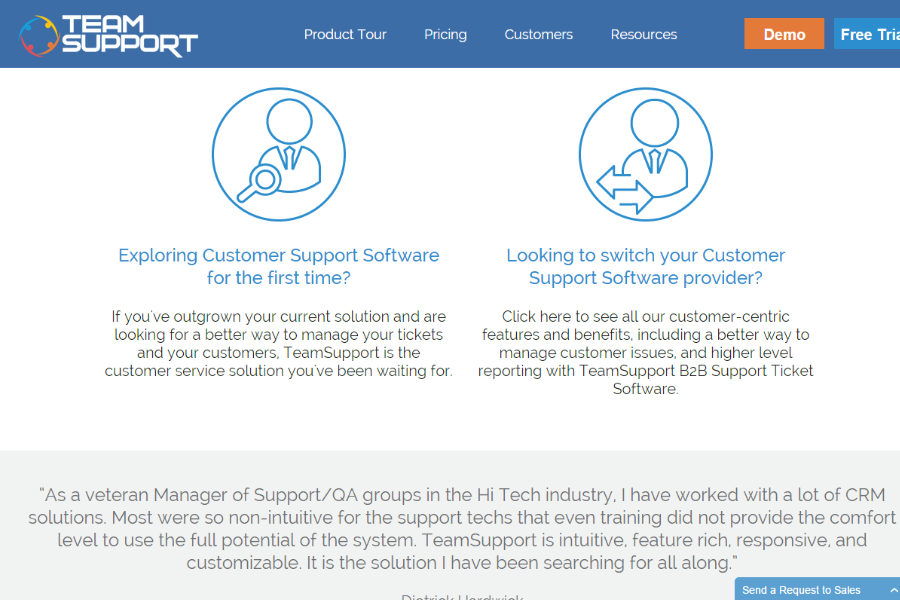
Cuando se trata de comprender el pulso emocional de las interacciones con tus clientes, TeamSupport ofrece un análisis de sentimiento impulsado por IA que podría ser la solución que tu equipo necesita. Diseñado para empresas que priorizan la excelencia en el servicio al cliente, proporciona información sobre las emociones de los usuarios, ayudando a los equipos de soporte a responder de manera más efectiva. Esta herramienta es ideal para industrias donde entender el sentimiento del cliente es crucial, como el comercio minorista o el soporte tecnológico, ya que aborda el desafío de medir la satisfacción del cliente en tiempo real.
Por qué elegí TeamSupport
Elegí TeamSupport por su capacidad de integrar el análisis de sentimiento de manera fluida en los flujos de trabajo de soporte al cliente. Con funciones como el monitoreo del sentimiento en tiempo real, tu equipo puede evaluar rápidamente el tono emocional de las interacciones y tomar decisiones informadas al instante. La herramienta también ofrece una función automatizada de resumen de chats, proporcionando actualizaciones rápidas que ayudan a resolver problemas en curso con mayor rapidez. Estas capacidades son esenciales para los equipos que buscan mejorar la satisfacción del cliente y los tiempos de respuesta.
Características clave de TeamSupport
Además de su destacado monitoreo del sentimiento en tiempo real, TeamSupport proporciona otras funciones valiosas para mejorar la eficiencia de tu equipo:
- Resúmenes automatizados de chats: Esta función genera resúmenes concisos de las interacciones con los clientes, ayudando a los agentes a comprender rápidamente los problemas en curso.
- Recomendaciones de mejora: Analiza las acciones sobre los tickets para ofrecer sugerencias que permitan mejorar el soporte futuro, optimizando tanto el desempeño del equipo como la satisfacción del cliente.
- Soluciones sugeridas: Ofrece soluciones relevantes basadas en interacciones previas, permitiendo a los agentes abordar problemas comunes de manera más efectiva.
- Panel intuitivo: Consolida los análisis de clientes y flujos de trabajo en una plataforma única y fácil de navegar, agilizando el proceso de soporte.
Integraciones de TeamSupport
Las integraciones incluyen Salesforce, Microsoft Dynamics, Zendesk, Slack, Jira, HubSpot, Freshdesk, Zoho CRM, Google Analytics y Mailchimp.
Pros and Cons
Pros:
- Automatización de tickets impulsada por IA
- Información de sentimiento en tiempo real
- Centro de autoservicio para clientes personalizable
Cons:
- La base de conocimientos carece de opciones de configuración
- Funcionalidad limitada en la aplicación móvil

Qualaroo
Mejor para retroalimentación en tiempo real
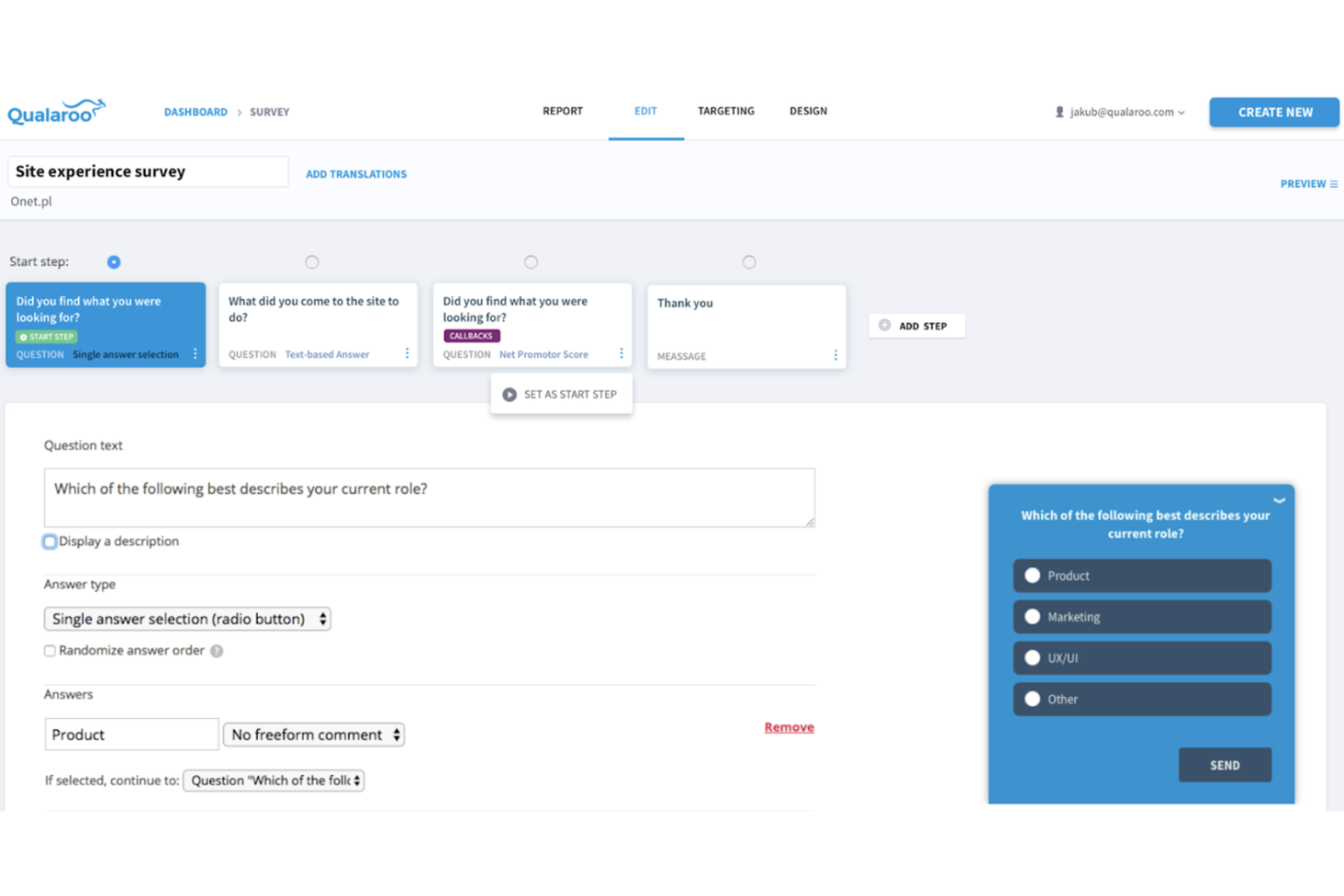
Qualaroo es una herramienta de retroalimentación en tiempo real utilizada principalmente por empresas para recopilar información sobre los clientes y mejorar la experiencia del usuario. Ayuda a los equipos a analizar el sentimiento del cliente y tomar decisiones informadas basadas en datos en tiempo real.
Por qué elegí Qualaroo: Destaca por integrar el análisis de sentimientos con IA de IBM Watson, lo que permite a tu equipo evaluar automáticamente las respuestas emocionales en los comentarios de los usuarios. Funciones como la ramificación de preguntas y la segmentación avanzada aseguran obtener información precisa. Las capacidades de retroalimentación en tiempo real lo hacen ideal para empresas que necesitan percepciones inmediatas de los clientes. En mi experiencia, estas características apoyan directamente el enfoque de la herramienta en mejorar la retroalimentación en tiempo real.
Funciones destacadas e integraciones:
Funciones incluyen análisis de sentimientos impulsado por IA, ramificación de preguntas para encuestas dirigidas y segmentación avanzada de usuarios para llegar a audiencias específicas. La herramienta también ofrece empujones móviles dentro de la aplicación para recopilar comentarios directamente dentro de las apps. Hay pruebas A/B disponibles para comparar diferentes enfoques de encuestas.
Integraciones incluyen HubSpot, Salesforce, Marketo, Slack, Zapier, Google Analytics, WordPress, Shopify, Segment y Mailchimp.
Pros and Cons
Pros:
- Recopilación de retroalimentación en tiempo real
- Opciones avanzadas de segmentación
- Capacidades de encuestas dentro de la aplicación
Cons:
- Capacidades limitadas sin conexión
- Requiere curva de aprendizaje para las funciones avanzadas

OpenText
Ideal para la clasificación de documentos
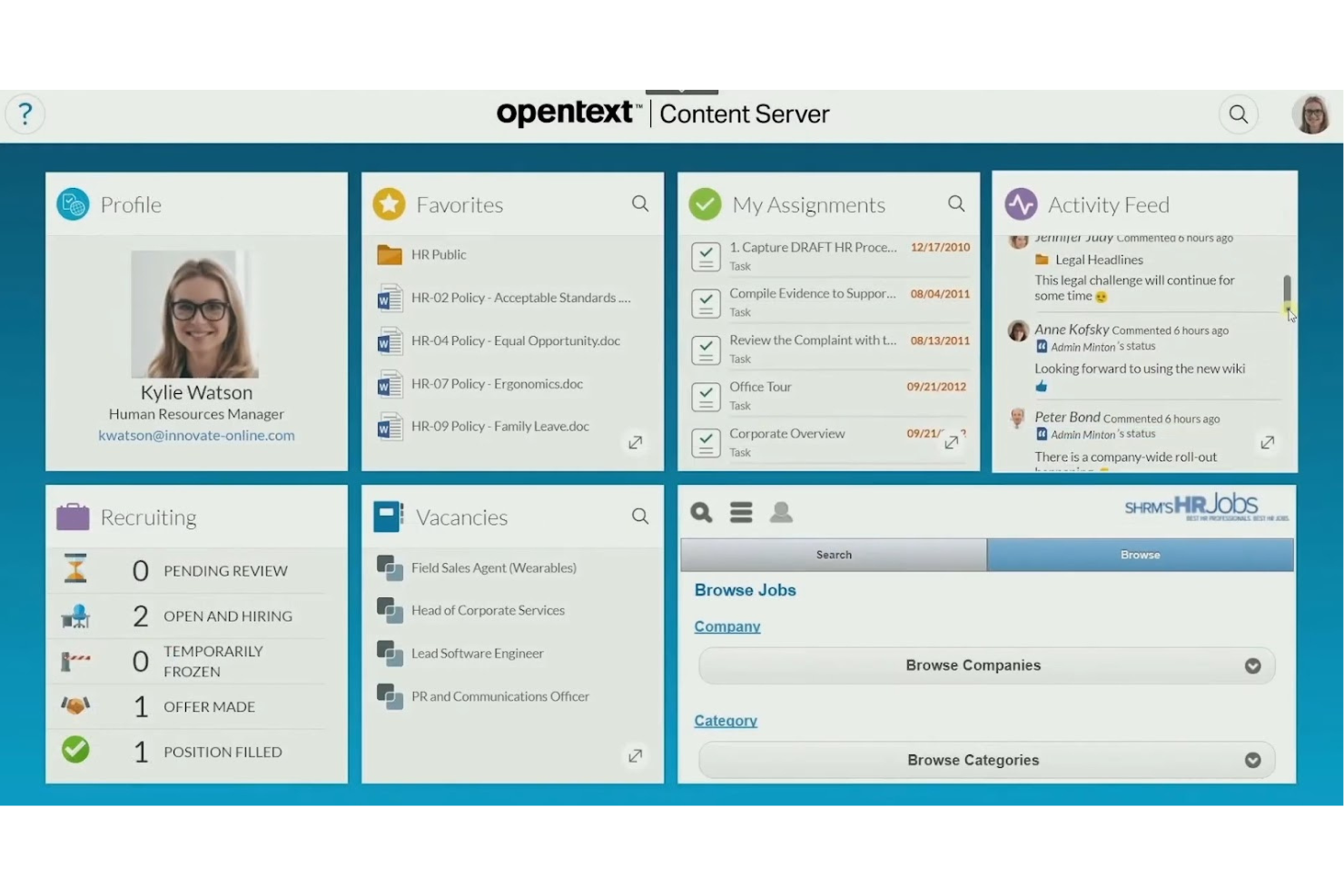
OpenText ofrece una herramienta de análisis de sentimiento que se especializa en la clasificación inteligente de documentos, dirigida principalmente a grandes empresas que necesitan gestionar grandes volúmenes de datos no estructurados. Su función principal es automatizar la clasificación y organización de documentos, facilitando que tu equipo acceda y procese la información de manera eficiente.
Por qué elegí OpenText: Se centra en la clasificación de documentos, utilizando IA y análisis de texto para categorizar eficientemente los documentos. Con sólidas capacidades de análisis, garantiza que cada texto se clasifique correctamente para el cumplimiento normativo y la organización.
Características destacadas e integraciones:
Características incluyen la extracción de metadatos que ayuda a tu equipo a capturar y organizar los detalles importantes de los documentos. La clasificación basada en el contenido asegura que los documentos se categoricen en función de su contenido, mejorando la precisión en la recuperación. La herramienta también ofrece etiquetado automático de documentos, lo que simplifica la organización de grandes volúmenes de información.
Integraciones incluyen Microsoft Office, SAP, Salesforce, Oracle, IBM, Google Workspace, Box, Dropbox, Amazon Web Services y Microsoft SharePoint.
Pros and Cons
Pros:
- Apoya el cumplimiento normativo
- Gestiona grandes volúmenes de datos
- Mejora la precisión en la recuperación de documentos
Cons:
- Requiere gestión continua
- Curva de aprendizaje elevada para nuevos usuarios

Yogi
Ideal para IA conversacional
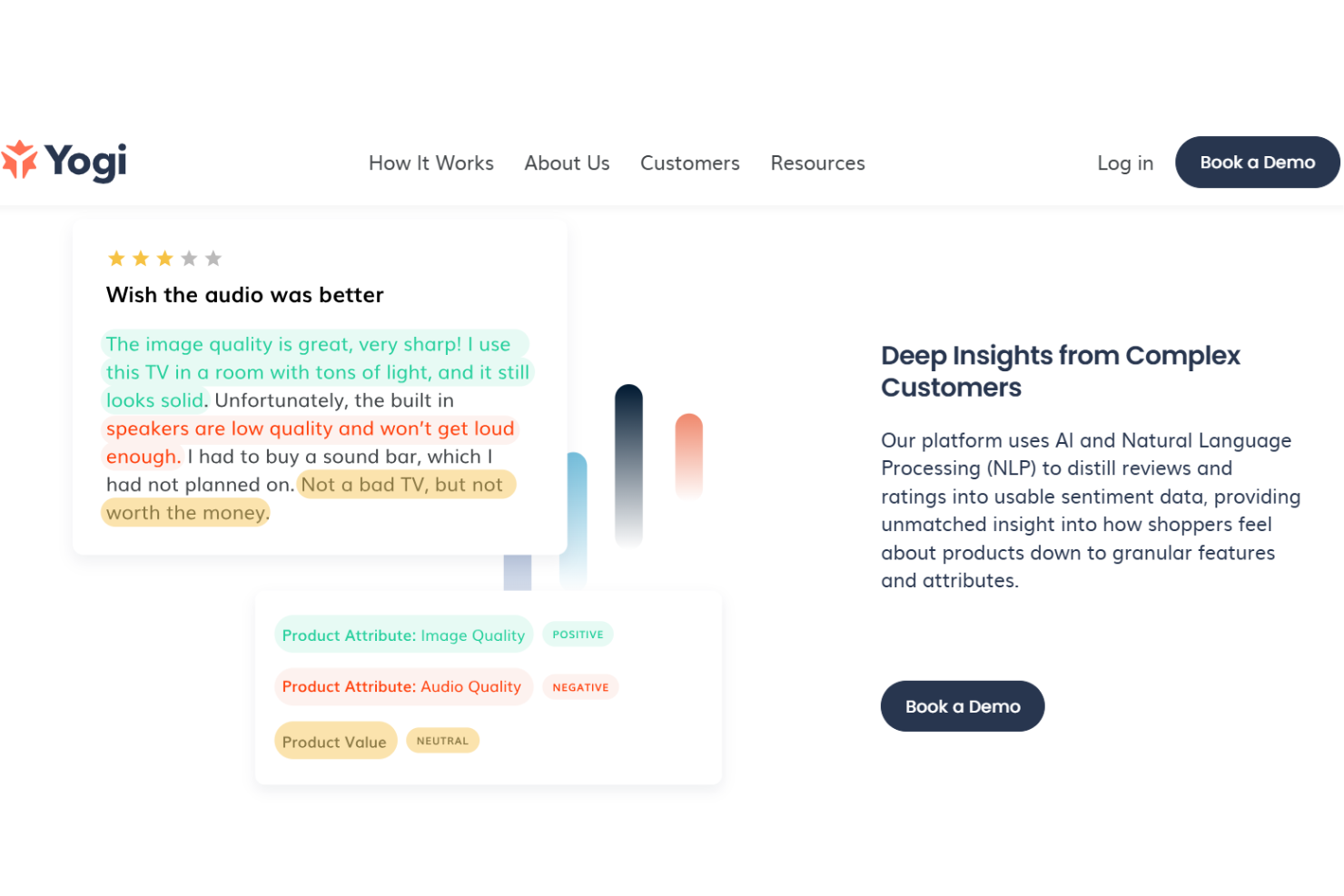
Yogi es una herramienta de IA conversacional diseñada para ayudar a las empresas a mejorar las interacciones con los clientes mediante el procesamiento de lenguaje natural. Sus principales usuarios son los equipos de atención al cliente y las empresas que buscan optimizar sus estrategias de compromiso con los clientes.
Por qué elegí Yogi: Ofrece capacidades únicas de IA conversacional, lo que permite a su equipo automatizar y personalizar las interacciones con los clientes. El procesamiento de lenguaje natural de la herramienta ayuda a comprender y responder eficazmente a las consultas de los clientes. Los análisis en tiempo real brindan información sobre las interacciones con los clientes, apoyando mejoras estratégicas. En mi experiencia, estas características la hacen ideal para empresas centradas en el compromiso conversacional.
Funciones y conexiones destacadas:
Funciones incluyen análisis en tiempo real que ofrecen información sobre las interacciones con los clientes, ayudando a su equipo a tomar decisiones informadas. Las capacidades de procesamiento de lenguaje natural de la herramienta mejoran la calidad de las respuestas automatizadas. Además, sus opciones de personalización permiten adaptar las interacciones según las necesidades específicas de su empresa.
Integraciones incluyen Slack, Microsoft Teams, Salesforce, Zendesk, HubSpot, Google Workspace, Zoom, Intercom, Asana y Trello.
Pros and Cons
Pros:
- Procesamiento de lenguaje natural efectivo
- Opciones de personalización disponibles
- Apoya mejoras estratégicas en el compromiso con los clientes
Cons:
- Requiere gestión continua
- Limitado al uso de IA conversacional

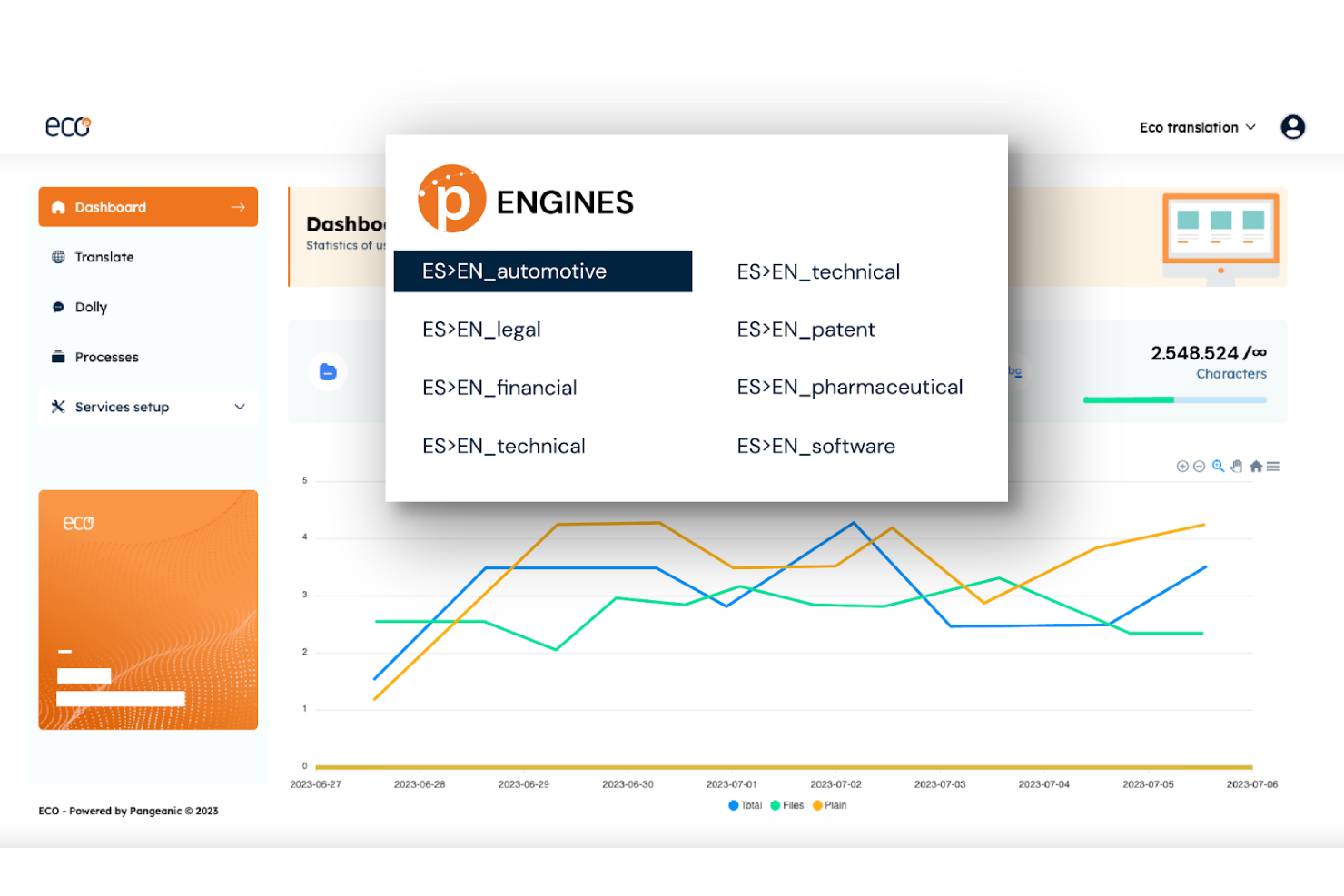
Pangeanic ofrece una herramienta personalizable de análisis de sentimiento con IA dirigida a empresas que necesitan extraer opiniones de diversas fuentes de texto como redes sociales y reseñas. Sus principales usuarios son compañías interesadas en comprender el sentimiento de los clientes en varios idiomas.
Por qué elegí Pangeanic: Ofrece un enfoque híbrido, combinando métodos basados en léxico y aprendizaje automático para analizar el sentimiento de manera eficaz. La API de la herramienta permite un análisis inmediato, lo que resulta útil para necesidades en tiempo real. Las capacidades de procesamiento por lotes la hacen adecuada para gestionar grandes conjuntos de datos de forma eficiente. En mi experiencia, estas características se alinean con su fortaleza en el análisis multilingüe.
Características destacadas e integraciones:
Características incluye la detección de emociones para comprender emociones específicas expresadas en el texto. El procesamiento por lotes ayuda a tu equipo a manejar grandes volúmenes de datos rápidamente. La integración vía API permite un análisis en tiempo real sin interrupciones, lo que facilita la toma de decisiones oportuna.
Integraciones incluyen conexiones con plataformas populares como Twitter, Facebook, LinkedIn, Instagram, YouTube, Reddit y Tumblr.
Pros and Cons
Pros:
- Alta precisión en la detección de sentimientos
- Adaptable a diferentes idiomas
- Procesamiento por lotes eficiente
Cons:
- Complejidad en el análisis de sentimientos
- Desafíos de sensibilidad al contexto

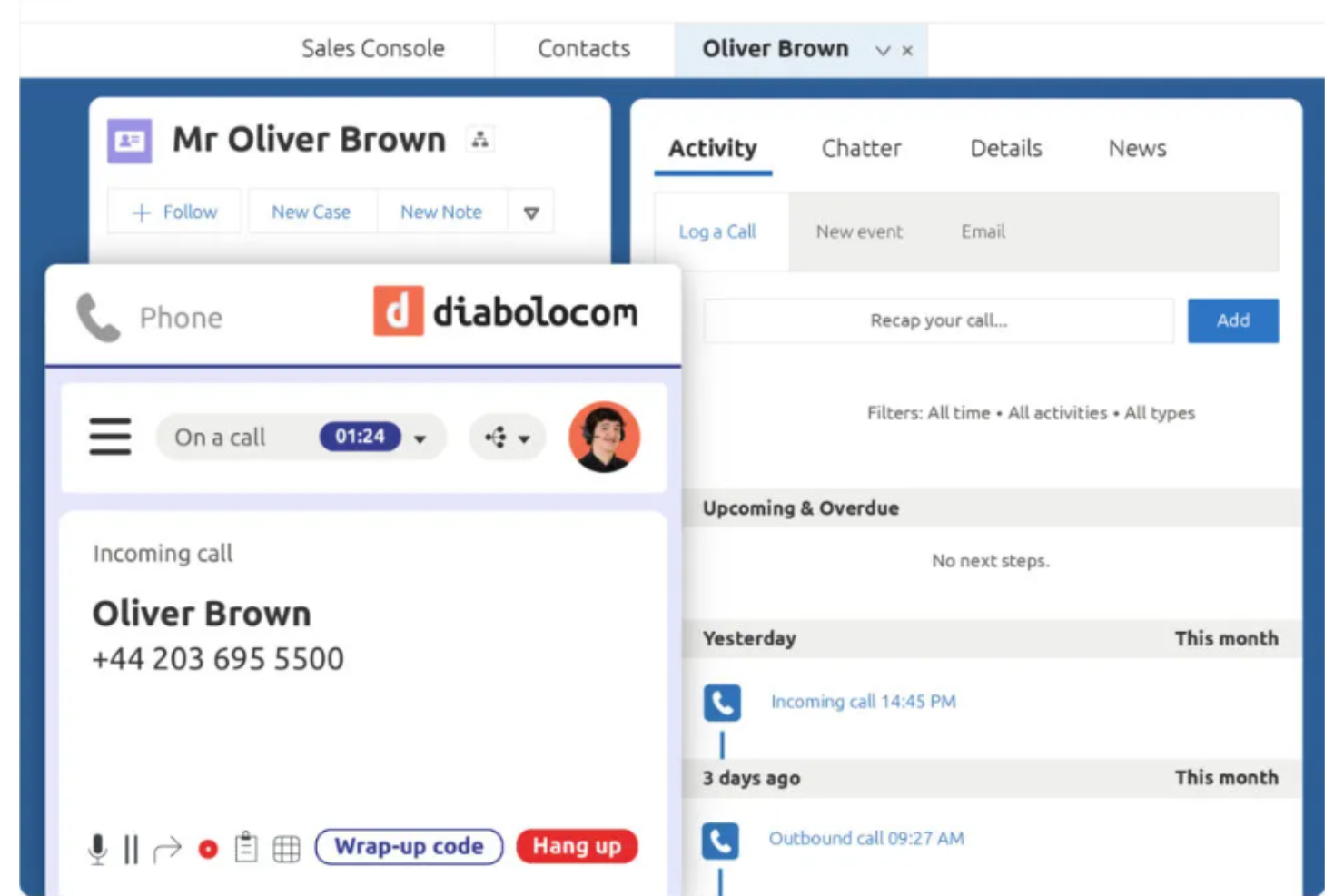
Diabolocom es una herramienta de análisis de sentimientos diseñada para centros de llamadas, que ayuda a las empresas a analizar las interacciones con los clientes para mejorar la calidad del servicio. Sus principales usuarios son gerentes y equipos de centros de llamadas que necesitan evaluar el sentimiento del cliente en tiempo real.
Por qué elegí Diabolocom: Está enfocada en centros de llamadas, ofreciendo funciones como el análisis de sentimientos en tiempo real durante las llamadas para mejorar las interacciones con los clientes. La categorización automática de llamadas ayuda a tu equipo a gestionar y priorizar llamadas de manera eficiente. La herramienta también proporciona análisis detallados de llamadas, lo que apoya la evaluación del desempeño y la formación. En mi experiencia, estas funciones son esenciales para optimizar las operaciones del centro de llamadas.
Características destacadas e integraciones:
Características incluyen monitoreo de llamadas en tiempo real para garantizar la calidad y el cumplimiento. La categorización automática de llamadas agiliza la gestión de grandes volúmenes de llamadas. La herramienta ofrece análisis completos de llamadas, brindando información sobre el desempeño del equipo y la satisfacción del cliente.
Integraciones incluyen Salesforce, Microsoft Dynamics, Zendesk, ServiceNow, Oracle, SAP, SugarCRM, Freshdesk, Zoho CRM y HubSpot.
Pros and Cons
Pros:
- Categorización automática de llamadas
- Apoya la evaluación del desempeño
- Mejora la interacción con el cliente
Cons:
- Complejidad en la configuración con alta curva de aprendizaje
- Limitado al uso en centros de llamadas

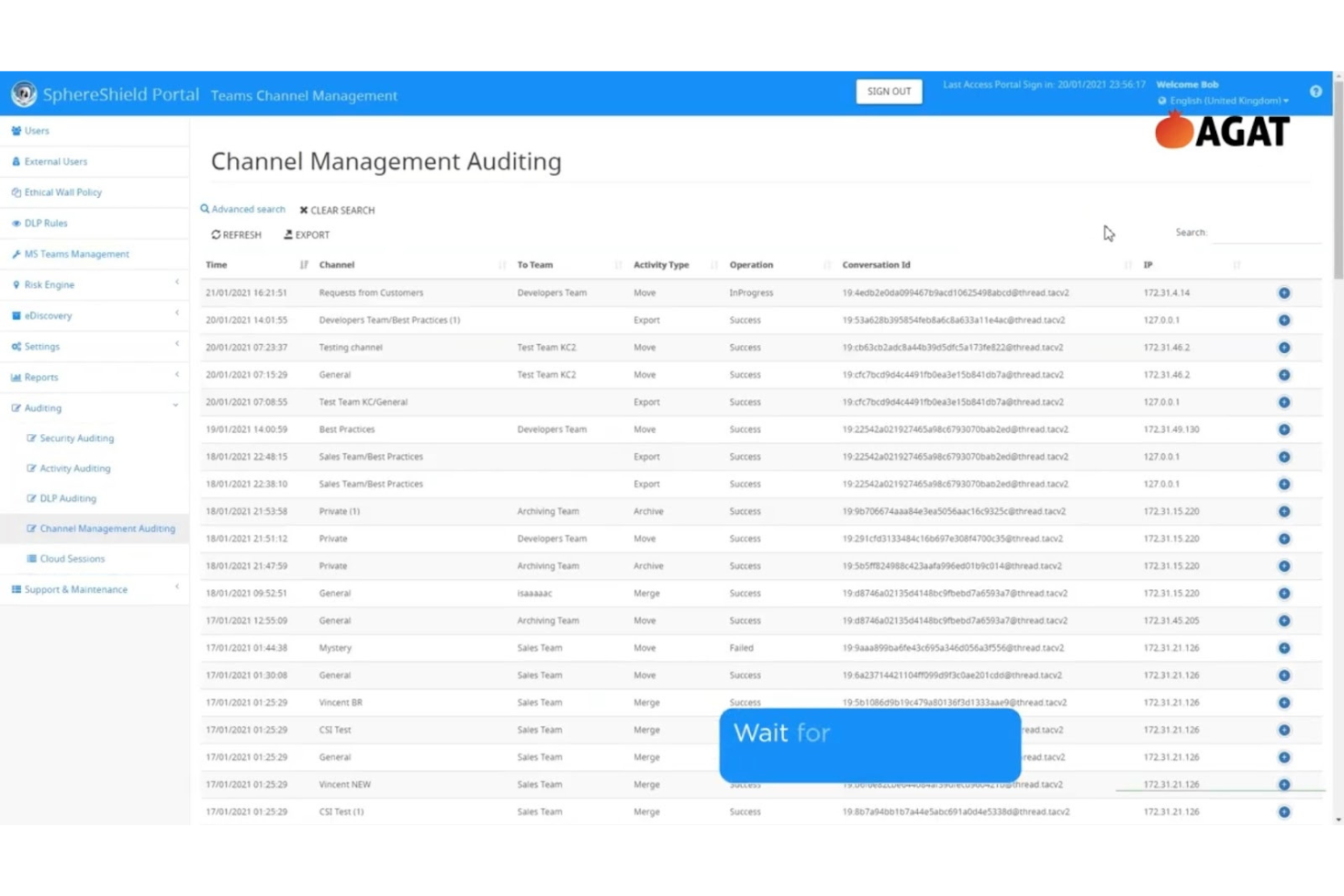
AGAT Software proporciona una herramienta de análisis de sentimiento basada en IA diseñada para mejorar el cumplimiento, la seguridad y la productividad en las comunicaciones unificadas. Sus principales usuarios son organizaciones que utilizan plataformas como Teams, Skype, Webex, Zoom, Slack y SharePoint, centrándose en la prevención de pérdida de datos en tiempo real y el análisis de cumplimiento.
Por qué elegí AGAT Software: Destaca en cubrir necesidades de cumplimiento con funciones como la prevención de pérdida de datos (DLP) en tiempo real y la gestión de muros éticos. Sus capacidades avanzadas de búsqueda permiten a tu equipo recuperar datos archivados. La herramienta admite la inspección de contenidos en tiempo real, garantizando que las comunicaciones cumplan los estándares de cumplimiento. En mi experiencia, estas funciones son cruciales para organizaciones que priorizan la seguridad y el cumplimiento.
Funciones destacadas e integraciones:
Funciones incluyen políticas de comunicación flexibles que ayudan a tu equipo a gestionar eficazmente el flujo de datos. La inspección de contenido en tiempo real garantiza que todas las comunicaciones se ajusten a las directrices de cumplimiento. Las capacidades avanzadas de búsqueda facilitan encontrar comunicaciones archivadas rápidamente.
Integraciones incluyen Microsoft Teams, Cisco Webex, Zoom, Slack y SharePoint.
Pros and Cons
Pros:
- Protección de datos en tiempo real
- Funcionalidad de búsqueda avanzada
- Soporta múltiples plataformas de comunicación
Cons:
- Complejidad en la configuración inicial con una curva de aprendizaje elevada para nuevos usuarios
- No es ideal para equipos pequeños

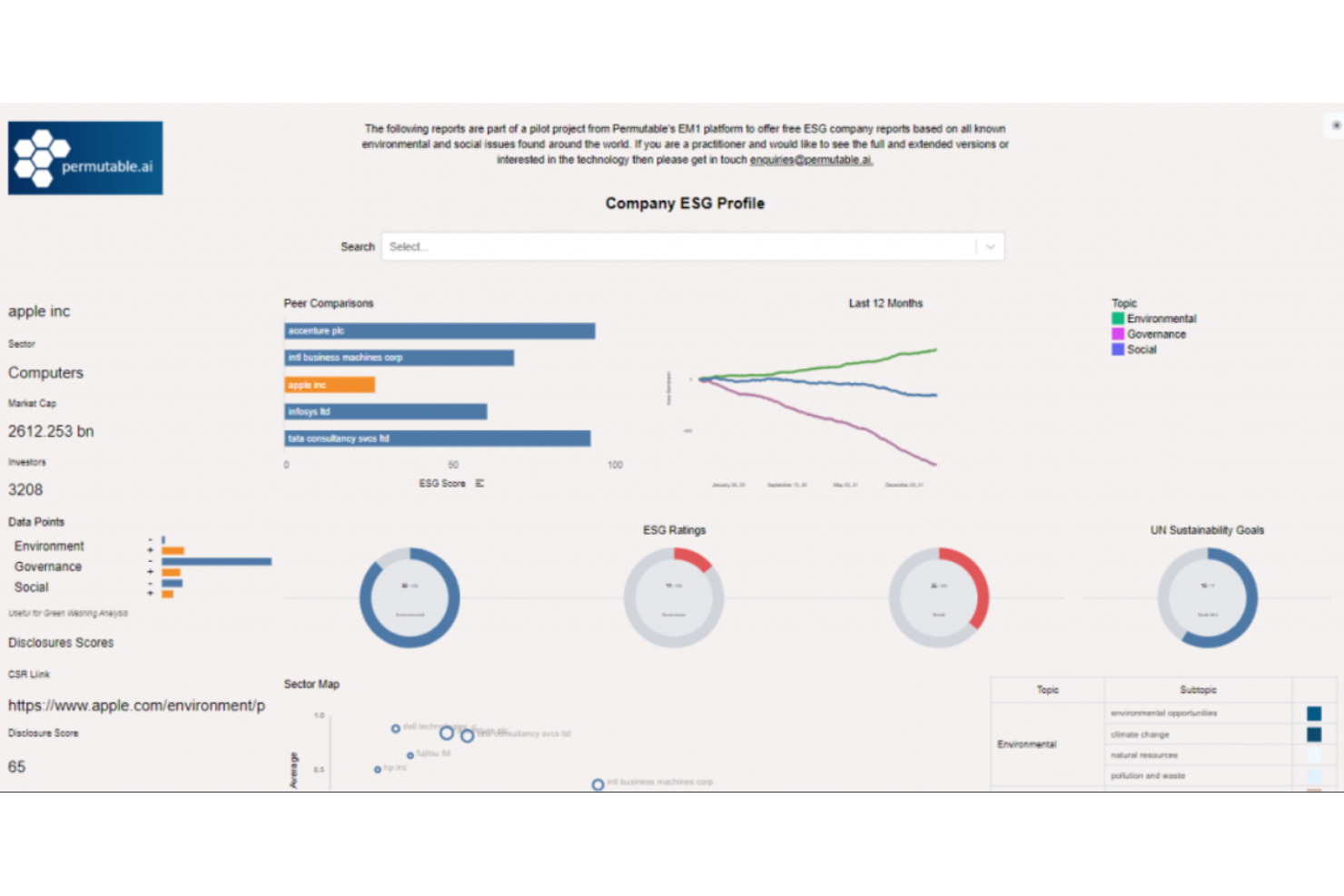
Permutable AI ofrece una herramienta de análisis de sentimiento basada en IA diseñada para organizaciones que se centran en perspectivas ambientales, sociales y de gobernanza (ESG). Sus principales usuarios son empresas y analistas que buscan comprender y gestionar datos relacionados con ESG de manera efectiva.
Por qué elegí Permutable AI: Ofrece perspectivas especializadas en ESG, ayudando a tu equipo a rastrear y analizar datos de sostenibilidad. Las capacidades de aprendizaje automático de la herramienta permiten un análisis de sentimiento detallado a través de varias fuentes. El monitoreo en tiempo real de los datos ESG respalda la toma de decisiones oportuna. En mi experiencia, estas características la hacen ideal para organizaciones que priorizan los factores ESG.
Características destacadas e integraciones:
Características incluyen monitoreo en tiempo real de métricas ESG para mantener informado a tu equipo sobre tendencias de sostenibilidad. Los modelos de aprendizaje automático proporcionan un análisis de sentimiento detallado para obtener perspectivas más precisas. La herramienta también ofrece paneles personalizables, permitiéndote adaptar las vistas de datos a tus necesidades específicas.
Integraciones incluyen la popular biblioteca de gráficos TradingView, lo que permite una integración total del sistema y canalizaciones empresariales de datos.
Pros and Cons
Pros:
- Fuerte enfoque en perspectivas ESG
- Análisis de sentimiento detallado
- Adecuado para equipos enfocados en sostenibilidad
Cons:
- Requiere personalización para obtener mejores resultados
- Complejidad al configurar paneles

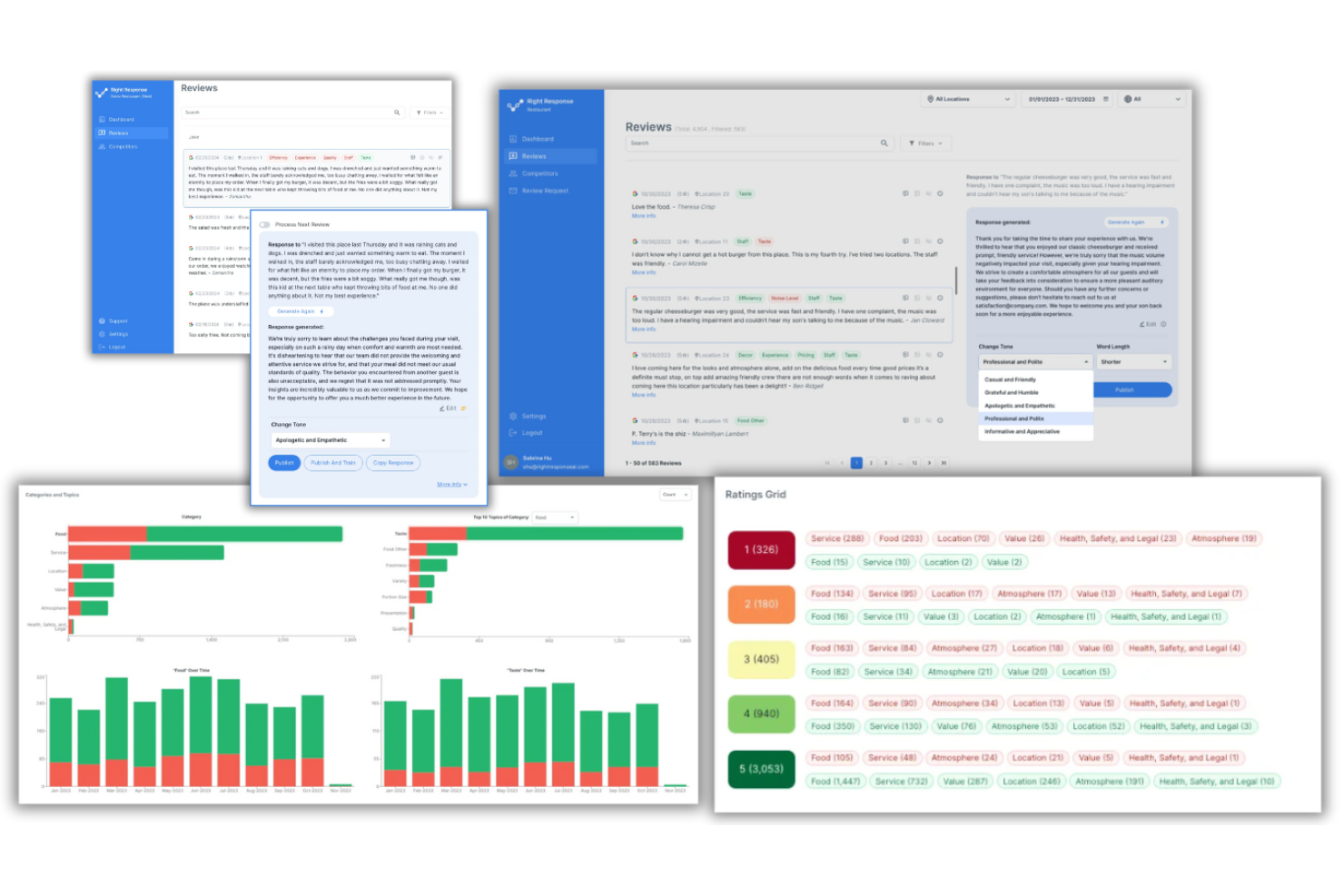
RightResponse AI es una herramienta de análisis de sentimientos diseñada para empresas que se centran en comprender y responder a los comentarios de los clientes. Sus principales usuarios incluyen equipos de atención al cliente y analistas de negocios que la utilizan para mejorar la satisfacción del cliente y la toma de decisiones estratégicas.
Por qué elegí RightResponse AI: Destaca en el análisis de reseñas, ofreciendo funciones como el Respondedor Inteligente de Reseñas, que personaliza respuestas utilizando IA. La función de Análisis de Reseñas ayuda a tu equipo a entender las preferencias de los clientes al analizar opiniones de más de 100 plataformas. El Rastreador de Posición en Google Maps es útil para monitorear el ranking de tu negocio, convirtiéndolo en una herramienta valiosa para obtener información basada en la ubicación. En mi experiencia, estas características se alinean bien con su enfoque en el análisis de opiniones.
Características e integraciones:
Características incluyen el análisis de reseñas de competidores, que proporciona información sobre la retroalimentación de los clientes de la competencia. El solicitante de reseñas automatiza solicitudes personalizadas de reseñas para aumentar la participación. Además, el análisis de sentimientos basado en aspectos mediante aprendizaje automático categoriza y analiza las reseñas de manera efectiva.
Las integraciones incluyen Google My Business, Yelp, TripAdvisor, Facebook, Trustpilot, Amazon, Booking.com, Expedia, OpenTable y Zomato.
Pros and Cons
Pros:
- Información detallada sobre la competencia
- Respuestas personalizadas a reseñas
- Identificación eficaz de tendencias
Cons:
- Soporte de idiomas limitado
- Requiere tiempo de configuración inicial
- Complejidad en la navegación de funciones
- No apto para pequeñas empresas
- Algunas funciones requieren entrada manual

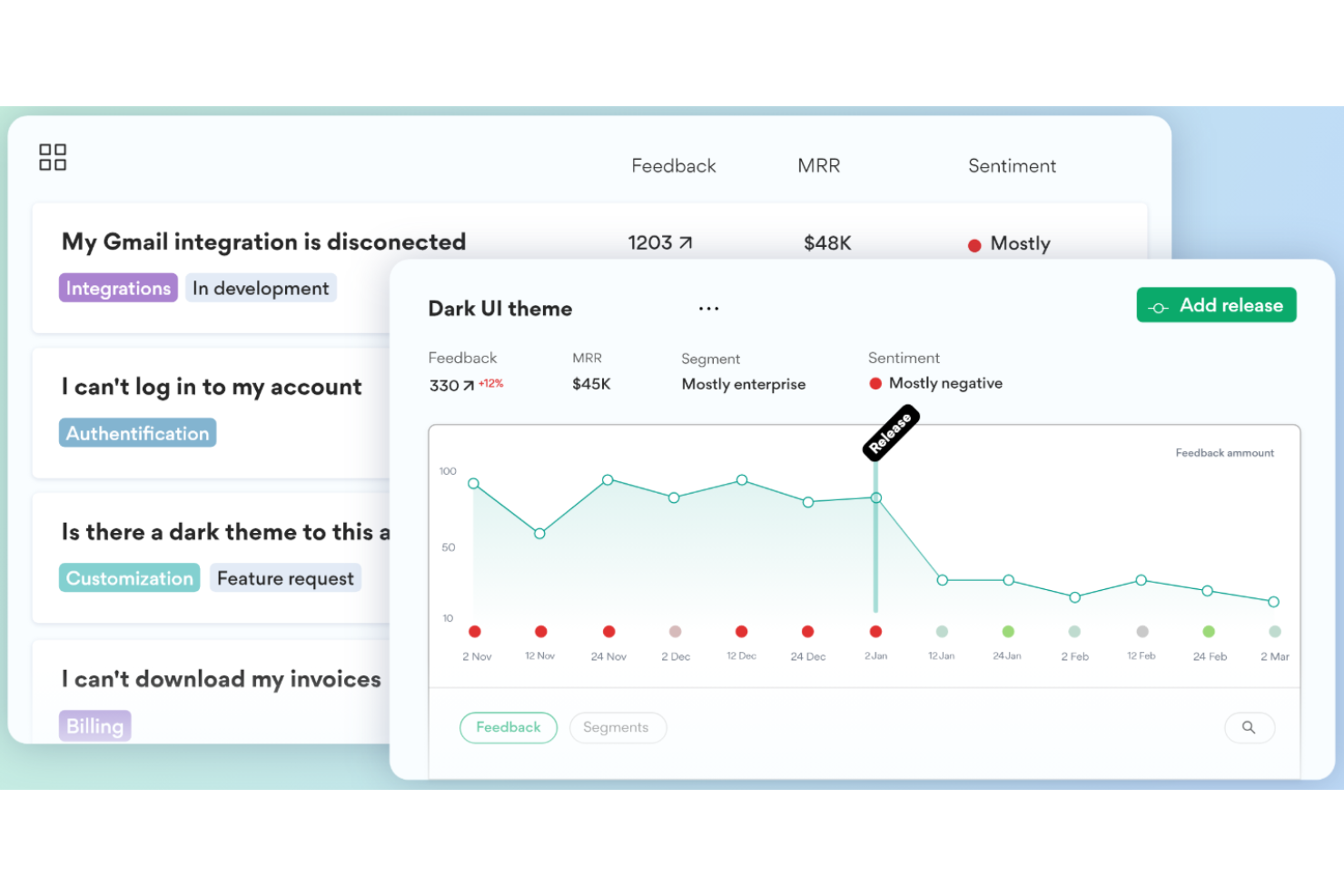
ClientZen es una herramienta de análisis de sentimientos diseñada para empresas que buscan comprender y mejorar la retroalimentación de los clientes. Sus principales usuarios son equipos de atención al cliente y analistas de negocios que tienen como objetivo aumentar la satisfacción del cliente mediante información detallada sobre los sentimientos.
Por qué elegí ClientZen: Está especializada en analizar comentarios de clientes, incluidas reseñas en línea y comentarios negativos, con características como categorización y puntuación de sentimientos. La herramienta ofrece información en tiempo real, permitiendo que tu equipo reaccione rápidamente a las necesidades de los clientes. Los informes personalizables te permiten adaptar los análisis a objetivos comerciales específicos. En mi experiencia, estas funciones están muy alineadas con su enfoque en la retroalimentación de los clientes.
Funciones destacadas e integraciones:
Funciones incluyen análisis de retroalimentación en tiempo real, ayudando a tu equipo a mantenerse actualizado sobre los sentimientos de los clientes. La categorización de comentarios ayuda a organizar las respuestas para obtener mejores perspectivas. Los informes personalizables permiten alinear los datos con tus objetivos empresariales.
Integraciones incluyen Salesforce, Zendesk, HubSpot, Slack, Microsoft Teams, Trello, Asana, Google Sheets, Intercom y Monday.com.
Pros and Cons
Pros:
- Información en tiempo real sobre sentimientos
- Opciones de informes personalizables
- Admite múltiples canales de comentarios
Cons:
- Limitado al análisis de comentarios
- Requiere gestión de datos continua
Otras herramientas de análisis de sentimiento con IA
Estas son algunas opciones adicionales de herramientas de análisis de sentimiento con IA que no llegaron a mi lista, pero que aun así vale la pena consultar:
- Comments Analytics
Ideal para el análisis de comentarios
- Hiver
La mejor para insights de clientes impulsados por IA
- Brand24
Mejor para el monitoreo de redes sociales


Cómo evalúo las herramientas de análisis de sentimiento con IA
Cada herramienta aquí debe ir más allá de la coincidencia de palabras clave y la polaridad básica; busco IA que realmente revele por qué los clientes se sienten como lo hacen, no solo si los comentarios se inclinan hacia lo positivo o negativo. Divido mi evaluación en funcionalidades básicas que toda herramienta debe cumplir para entrar en la lista y factores diferenciadores que separan una opción de otra.
Funcionalidad básica (requisitos indispensables para esta lista)
Cuando selecciono herramientas para mi lista, califico cada una en una escala de 0 (no ofrece la funcionalidad) a 5 (sobresale en esta área) para cada funcionalidad principal enumerada a continuación. Luego, calculo la puntuación total de la herramienta en porcentaje. Cada herramienta debe lograr una puntuación mínima total del 65% para poder ser incluida.
- Clasificación de sentimiento impulsada por IA: Evalúo si la herramienta va más allá del simple etiquetado de polaridad; debe detectar emoción, intensidad o contexto como el sarcasmo en respuestas abiertas de encuestas.
- Ingesta de retroalimentación multicanal: Las herramientas deben recopilar de los canales que los equipos de CX realmente utilizan, como tickets de soporte, transcripciones de chat en vivo, reseñas de aplicaciones y menciones en redes sociales.
- Detección de temas y tópicos: Busco agrupación automática de temas enlazada al sentimiento, para que puedas ver que 'facturación' generó puntajes negativos el mes pasado sin tener que crear etiquetas manuales.
- Análisis y alertas en tiempo real: La herramienta debe señalar cambios emergentes en el sentimiento a medida que ocurren, como alertar a un líder de soporte cuando la percepción negativa en el chat aumenta durante un lanzamiento de producto.
- Informes y tableros de CX: Compruebo que existan tableros que conecten los datos de sentimiento con métricas de CX como tendencias de CSAT o NPS, con vistas detalladas útiles tanto para analistas como para ejecutivos.
- Integraciones con el stack de CX: La plataforma debe conectarse de forma nativa con las herramientas en las que ya confían los equipos de CX, como Zendesk, Salesforce, Intercom o plataformas de encuestas como Qualtrics.
Una vez que tengo una lista de herramientas que cumplen con los criterios, considero qué distingue a cada plataforma.
Factores diferenciadores (lo que distingue a los proveedores)
Así es como comparo y contrasto diferentes proveedores:
Funciones destacadas
La síntesis generativa con IA es un gran diferenciador; busco herramientas capaces de convertir miles de respuestas abiertas en una narrativa útil que un líder de CX pueda compartir en una reunión con partes interesadas. Las señales predictivas de baja también destacan, especialmente para equipos de éxito del cliente que desean señalar cuentas en riesgo antes de una renovación. Para operaciones globales de CX, la precisión del sentimiento multilingüe es importante, ya que capas de traducción deficientes producen puntuaciones erróneas. También evalúo el entrenamiento de modelos personalizados para equipos con terminología especializada.
Más allá de las funciones
La transparencia del modelo es importante; verifico si una herramienta permite ver por qué un ticket o reseña fue calificado de determinada manera, para que tu equipo pueda confiar y actuar sobre los datos. La seguridad de los datos es otro factor que valoro, especialmente si el proveedor es claro en no usar tus comentarios de clientes para entrenar modelos de IA compartidos. También evalúo el tiempo hasta el valor: las herramientas con taxonomías de CX preconstruidas y una incorporación guiada permiten obtener insights utilizables en días, mientras que otras pueden requerir meses de configuración antes de ser fiables.
Cómo elegir una herramienta de análisis de sentimiento con IA
Es fácil perderse entre largas listas de funciones y estructuras de precios complejas. Para ayudarte a mantener la concentración mientras completas tu proceso único de selección de software, aquí tienes una lista de factores que debes tener en cuenta:
| Factor | Qué debes considerar |
| Escalabilidad | Asegúrate de que la herramienta pueda crecer con tu equipo y gestionar volúmenes de datos cada vez mayores. Busca opciones que ofrezcan planes de precios escalables y compatibilidad con grandes conjuntos de datos. |
| Integraciones | Comprueba si la herramienta se integra con tus plataformas actuales, como el CRM o las herramientas de redes sociales. Una integración fluida garantiza un flujo de datos uniforme y mejores perspectivas. |
| Personalización | Comprueba si la herramienta te permite adaptar los paneles y los informes para satisfacer tus necesidades y preferencias específicas. |
| Facilidad de uso | Busca una interfaz intuitiva que requiera una formación mínima para tu equipo. Un diseño fácil de usar puede impulsar la adopción y la eficiencia. |
| Presupuesto | Evalúa si el precio se ajusta a tu presupuesto. Ten en cuenta las funciones incluidas y si el coste justifica el valor que aportan a tus operaciones. |
| Medidas de seguridad | Asegúrate de que la herramienta cumpla las normativas de protección de datos y ofrezca funciones de seguridad sólidas para proteger la información confidencial. |
| Asistencia | Analiza el nivel de asistencia al cliente disponible, incluidos los tiempos de respuesta y el acceso a recursos como tutoriales y preguntas frecuentes. |
| Análisis en tiempo real | Determina si la herramienta ofrece información en tiempo real, algo esencial para tomar decisiones oportunas y responder a los comentarios de los clientes. |
Tendencias en las herramientas de análisis de sentimiento con IA
Durante mi investigación, recopilé innumerables actualizaciones de productos, comunicados de prensa y registros de lanzamientos de distintos proveedores de herramientas de análisis de sentimiento con IA. Estas son algunas de las tendencias emergentes que estoy siguiendo de cerca:
- Detección de emociones: Las herramientas ahora van más allá del simple análisis de sentimientos positivos o negativos para detectar emociones específicas como alegría, ira y tristeza. Esto añade profundidad al análisis y ayuda a las empresas a comprender los sentimientos de los clientes con mayor precisión. Proveedores como Pangeanic han incorporado la detección de emociones a sus ofertas.
- Compatibilidad multilingüe: A medida que se expanden los mercados globales, las herramientas de análisis de sentimientos admiten cada vez más idiomas. Esta tendencia ayuda a las empresas a comprender los sentimientos de los clientes en distintas regiones sin barreras lingüísticas. Muchas herramientas ya ofrecen esta función como estándar.
- Análisis contextual: Comprender el contexto de un sentimiento se está volviendo fundamental. Las herramientas se centran en analizar el contexto en el que se utilizan las palabras para proporcionar puntuaciones de sentimientos más precisas. Esto resulta especialmente útil en sectores donde los matices del lenguaje son importantes.
- Análisis visual de sentimientos: El análisis de imágenes y vídeos para detectar sentimientos está ganando popularidad. Esta tendencia permite a las empresas obtener información del contenido visual compartido en las plataformas de redes sociales. Algunos proveedores están empezando a ofrecer esta función para satisfacer la demanda de análisis de datos visuales.
- Información en tiempo real: Las empresas quieren actuar basándose en los datos de sentimientos a medida que se generan. Las herramientas que ofrecen análisis de sentimientos en tiempo real son cada vez más populares, ya que permiten a las empresas responder rápidamente a los comentarios y las tendencias de los clientes. Esta tendencia es fundamental para las marcas que buscan mantenerse a la vanguardia en mercados dinámicos.
¿Qué es una herramienta de análisis de sentimientos basada en IA?
Una herramienta de análisis de sentimientos basada en IA utiliza el procesamiento del lenguaje natural y el análisis de texto para detectar emociones e intenciones en los comentarios de los clientes. Ayuda a los equipos a interpretar opiniones en reseñas, chats y redes sociales para descubrir tendencias, mejorar la satisfacción y tomar decisiones de CX más rápidas y respaldadas por datos.
Funciones de las herramientas de análisis de sentimientos basadas en IA
Al seleccionar una herramienta de análisis de sentimientos basada en IA, presta atención a las siguientes funciones clave:
- Detección de emociones: Identifica emociones específicas como la alegría o la ira, proporcionando información más detallada sobre los sentimientos de los clientes.
- Compatibilidad multilingüe: Analiza los sentimientos en varios idiomas, algo útil para las empresas con una audiencia global.
- Información en tiempo real: Ofrece análisis inmediato de sentimientos, lo que permite responder rápidamente a los comentarios de los clientes.
- Análisis contextual: Comprende el contexto en el que se utilizan las palabras, lo que genera puntuaciones de sentimientos más precisas.
- Análisis visual de sentimientos: Analiza imágenes y vídeos para detectar sentimientos, ampliando la información más allá de los datos de texto.
- Paneles personalizables: Permiten a los usuarios adaptar las vistas de datos para satisfacer necesidades empresariales específicas.
- Análisis avanzado de tendencias: Detecta temas y tendencias emergentes, ayudando a las empresas a mantenerse a la vanguardia en sus mercados.
- Acceso a la API para integraciones: Permite una integración fluida con los sistemas existentes para agilizar el flujo de datos.
- Generación automatizada de informes: Proporciona informes oportunos, ahorrando tiempo y esfuerzo a los usuarios en el análisis de datos.
- Puntuación de sentimientos: Clasifica el texto como positivo, negativo o neutro, facilitando una evaluación rápida.
Beneficios de las herramientas de análisis de sentimientos basadas en IA
La implementación de una herramienta de análisis de sentimientos basada en IA ofrece varios beneficios para tu equipo y tu empresa. Estos son algunos de los que puedes esperar:
- Mejor comprensión de los clientes: La detección de emociones y la puntuación de sentimientos te ayudan a comprender con mayor precisión las emociones y opiniones de los clientes.
- Toma de decisiones más rápida: La información en tiempo real permite a tu equipo responder rápidamente a los comentarios y las tendencias de los clientes.
- Alcance global: La compatibilidad multilingüe permite analizar distintos idiomas, ampliando la comprensión global de tu empresa.
- Mejora de la reputación de la marca: El análisis de tendencias y la información contextual te ayudan a gestionar y proteger eficazmente la imagen de tu marca.
- Gestión eficiente de datos: La generación automatizada de informes ahorra tiempo y permite a tu equipo centrarse en acciones estratégicas.
- Información personalizada: Los paneles personalizables te permiten centrarte en las métricas más importantes para los objetivos de tu empresa.
- Información visual: El análisis visual de sentimientos amplía tu comprensión al incluir imágenes y vídeos, no solo texto.
Costes y precios de las herramientas de análisis de sentimientos basadas en IA
Para seleccionar una herramienta de análisis de sentimientos basada en IA es necesario comprender los distintos modelos y planes de precios disponibles. Los costes varían según las funciones, el tamaño del equipo, los complementos y otros factores. La siguiente tabla resume los planes habituales, sus precios medios y las funciones que suelen incluir las soluciones de herramientas de análisis de sentimientos basadas en IA:
Tabla comparativa de planes para herramientas de análisis de sentimientos mediante IA
| Tipo de plan | Precio promedio | Características comunes |
| Plan gratuito | $0 | Análisis básico de sentimientos, procesamiento limitado de datos y soporte mínimo. |
| Plan personal | $10-$50/ usuario/mes | Puntuación de sentimientos, detección de emociones, soporte multilingüe e informes básicos. |
| Plan empresarial | $50-$100/ usuario/mes | Información en tiempo real, análisis avanzado de tendencias, paneles personalizables y acceso a la API. |
| Plan corporativo | $100-$300/usuario/mes | Integración completa de datos, análisis visual de sentimientos, soporte especializado y personalización total. |
Preguntas frecuentes sobre las herramientas de análisis de sentimientos mediante IA
Estas son algunas respuestas a preguntas frecuentes sobre las herramientas de análisis de sentimientos mediante IA:
¿Cómo se utiliza la IA en el análisis de sentimientos?
Una herramienta de análisis de sentimientos mediante IA utiliza el procesamiento del lenguaje natural y el análisis de texto para detectar emociones e intenciones en los comentarios de los clientes. Ayuda a los equipos a interpretar opiniones presentes en reseñas, chats y redes sociales para descubrir tendencias, mejorar la satisfacción y tomar decisiones de CX más rápidas y basadas en datos. La IA en el análisis de sentimientos se utiliza para procesar y analizar los comentarios de los clientes procedentes de diversas fuentes, como las redes sociales y las reseñas. Ayuda a las empresas a comprender las emociones y los sentimientos de los clientes, lo que les permite mejorar sus servicios y abordar las quejas de manera más eficaz. La IA puede identificar patrones y tendencias en los datos de sentimientos, proporcionando información valiosa.
¿El análisis de sentimientos es supervisado o no supervisado?
El análisis de sentimientos puede ser tanto supervisado como no supervisado. En el análisis de sentimientos supervisado, los algoritmos se entrenan con datos etiquetados para reconocer patrones de sentimientos. El análisis de sentimientos no supervisado no utiliza datos etiquetados y se basa en técnicas como la agrupación para identificar sentimientos. Las empresas pueden elegir cualquiera de los dos enfoques según sus datos y necesidades de análisis.
¿Cómo funcionan las herramientas de análisis de sentimientos?
Las herramientas de análisis de sentimientos funcionan asignando puntuaciones de sentimientos a las palabras según un léxico. El software analiza los datos de texto en busca de estas palabras y calcula una puntuación de sentimientos para determinar si el texto es positivo, negativo o neutro. Este proceso ayuda a las empresas a evaluar rápidamente los sentimientos de los clientes a partir de grandes conjuntos de datos.
¿Qué precisión tiene el modelo de análisis de sentimientos?
La precisión de los modelos de análisis de sentimientos varía, pero muchos buscan igualar o superar los niveles de precisión humana del 80-85%. La precisión depende de factores como la calidad de los datos de entrenamiento y la complejidad del lenguaje utilizado. El entrenamiento y las actualizaciones continuas del modelo pueden mejorar la precisión con el tiempo.
¿Puede el análisis de sentimientos detectar el sarcasmo?
Detectar el sarcasmo en el análisis de sentimientos es difícil porque a menudo implica contexto y tono, elementos que los algoritmos tienen dificultades para interpretar. Algunos modelos avanzados intentan detectar el sarcasmo mediante el análisis de patrones y contexto, pero la precisión aún puede ser limitada.
¿Cuáles son las limitaciones de las herramientas de análisis de sentimientos?
Las herramientas de análisis de sentimientos pueden tener dificultades con matices como el sarcasmo, el contexto y las diferencias culturales. También pueden requerir grandes conjuntos de datos para lograr precisión y verse limitadas por la calidad de los léxicos utilizados. Comprender estas limitaciones ayuda a establecer expectativas realistas sobre los resultados del análisis.
¿Qué sigue?
Suscríbete a nuestro boletín para recibir las últimas novedades sobre CX, guías prácticas, estrategias y recursos de los principales expertos en el ámbito de CX.