

Las 10 mejores plataformas de interacción con clientes analizadas para 2026

10 Lista de las mejores plataformas de interacción con clientes


Las plataformas de interacción con clientes te ayudan a crear interacciones coherentes y personalizadas durante todo el recorrido del cliente. Las mejores plataformas pueden ayudarte a aumentar la retención, agilizar la comunicación y convertir la interacción en una estrategia proactiva.
Si tu equipo gestiona varios sistemas o si tus clientes se pierden entre los distintos canales, no eres la única persona en esta situación. La interacción no consiste solo en el volumen, sino también en el momento adecuado, el contexto y la capacidad de actuar al instante.
He evaluado las mejores plataformas de interacción con clientes para que puedas encontrar una solución que encaje en tu ecosistema de experiencia del cliente, se adapte a tus necesidades y ayude a tu equipo a fomentar la fidelidad y crear conexiones significativas.
Por qué confiar en nuestras recomendaciones de software
Nuestro equipo lleva probando y evaluando software desde 2012. Como líderes de CX, sabemos lo difícil —y lo importante— que es elegir el software adecuado.
Para esta guía, evaluamos las herramientas mediante pruebas prácticas e investigación independiente, puntuando las herramientas según nuestros criterios de selección.
Nuestras reseñas reflejan nuestro criterio editorial humano, no un discurso de ventas.
Tabla comparativa de las mejores plataformas de interacción con clientes
| Tool | Best For | Trial Info | Price | ||
|---|---|---|---|---|---|
| 1 | Ideal para obtener una vista del cliente de 360 grados | Demostración gratuita disponible | Desde $40/mes (5 usuarios) | Website | |
| 2 | Ideal para la gestión de tickets de clientes y las encuestas de NPS | Prueba gratuita de 14 días + plan gratuito + demostración gratuita disponible | Precios bajo solicitud | Website | |
| 3 | Ideal para obtener información útil sobre la interacción con los clientes | Demostración gratuita disponible | Precios bajo solicitud | Website | |
| 4 | Ideal para aumentar las tasas de activación de usuarios | Prueba gratuita de 14 días + demo gratuita disponible | Desde $174/mes (facturado anualmente) | Website | |
| 5 | Ideal para la segmentación detallada de audiencias | Demostración gratuita disponible | Precios disponibles previa solicitud | Website | |
| 6 | La mejor opción para la distribución global de recompensas | Plan gratuito + demostración gratuita disponible | Uso gratuito + comisión del 3 % por compras con tarjeta de crédito | Website | |
| 7 | Ideal para la interacción de soporte mediante IA | Prueba gratuita de 7 días + plan gratuito disponible | Desde $24.17/mes (facturado anualmente) | Website | |
| 8 | Ideal para una atención al cliente omnicanal unificada | Demostración gratuita disponible | Precios a consultar | Website | |
| 9 | La mejor opción para la gamificación | Prueba gratuita de 14 días disponible | Precios bajo solicitud | Website | |
| 10 | Ideal por su facilidad de uso | Plan gratuito + prueba gratuita de 30 días + demostración gratuita disponible | Precios bajo solicitud | Website |


Análisis de las 20 mejores plataformas de interacción con clientes
Aquí tienes una breve descripción de cada software de interacción con clientes para mostrar el caso de uso más adecuado de cada herramienta, algunas funciones destacadas y capturas de pantalla que ofrecen una vista previa de la interfaz.

Ideal para obtener una vista del cliente de 360 grados
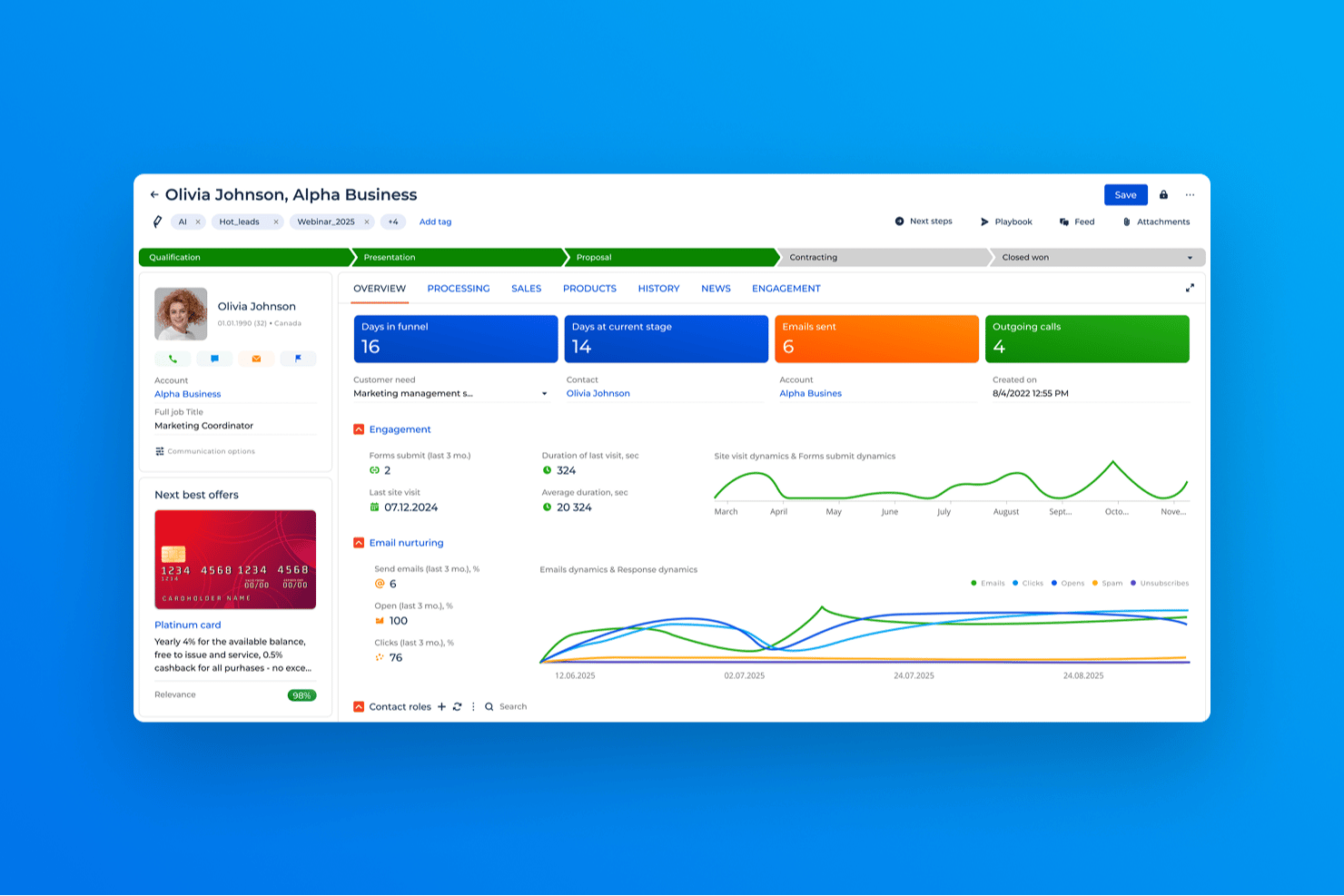
Creatio CRM es una plataforma de interacción con clientes sin código que unifica las operaciones de ventas, marketing y servicio mediante la orquestación omnicanal de recorridos, la automatización impulsada por IA y la gestión centralizada de los datos de clientes a lo largo de todo su ciclo de vida.
¿Para quién es más adecuado Creatio CRM?
Creatio CRM es adecuado para equipos medianos y empresariales de los sectores financiero, telecomunicaciones, comercio minorista y salud que necesitan un CRM unificado y altamente personalizable para ventas, marketing y servicio.
Por qué elegí Creatio CRM
Elegí Creatio CRM como uno de los mejores porque su vista del cliente de 360 grados realmente reúne cada interacción, desde las respuestas a campañas de marketing hasta los casos de servicio abiertos, en un único perfil accionable. Me encanta que los agentes de CRM impulsados por IA muestren recomendaciones sobre la siguiente mejor acción directamente a partir de esos datos unificados. Esto significa que mi equipo puede personalizar las comunicaciones en función del estado en tiempo real de un cliente en cada punto de contacto, no solo de su última compra.
Características principales de Creatio CRM
- Constructor de recorridos con poco código: Diseña y automatiza visualmente recorridos complejos de clientes, sin necesidad de recursos de ingeniería.
- Conectores del mercado de aplicaciones: Amplía las funcionalidades e intégralas con sistemas empresariales populares mediante un amplio mercado de aplicaciones prediseñadas.
- Segmentación avanzada: Crea segmentos dinámicos de audiencia utilizando datos conductuales, demográficos y transaccionales.
- Consola de servicio omnicanal: Gestiona las conversaciones con los clientes por correo electrónico, chat, teléfono y plataformas sociales desde una interfaz unificada.
Integraciones de Creatio CRM
Creatio CRM ofrece integraciones nativas con Microsoft 365, Shopify, WooCommerce, PayPal y más, además de conectarse con Zapier y Make. También dispone de una API abierta para integraciones personalizadas. Los conectores del mercado de aplicaciones amplían la compatibilidad con sistemas ERP, de marketing y de comunicaciones.
Pros and Cons
Pros:
- El constructor de flujos de trabajo sin código acelera la creación de recorridos
- Los agentes de IA muestran la siguiente mejor acción en tiempo real
- El perfil unificado consolida los datos de todos los puntos de contacto
Cons:
- La personalización de informes requiere configuración técnica
- Complejidad de la configuración inicial para implementaciones a escala empresarial
New Product Updates from Creatio CRM

Creatio CRM Adds AI, WhatsApp, Analytics, and Design Updates
Creatio CRM adds expanded AI app development tools, native WhatsApp support, new analytics, and visual design tools. These updates extend app building, customer communication, reporting, and customization workflows. For more information, visit Creatio CRM’s official site.

Ideal para la gestión de tickets de clientes y las encuestas de NPS
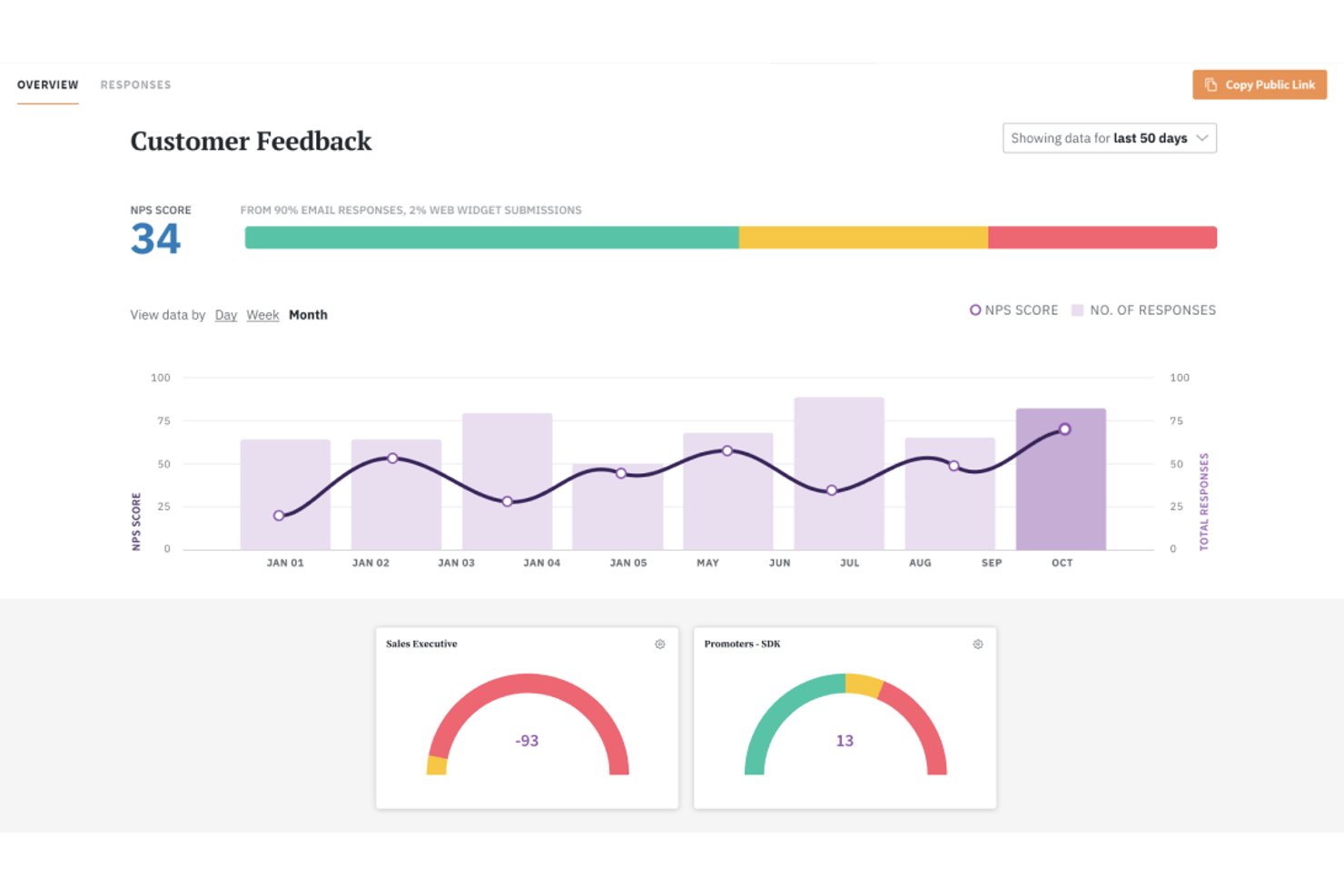
SurveySparrow es una plataforma de gestión de la experiencia conversacional que combina encuestas de NPS, CSAT y CES con recopilación de comentarios omnicanal, análisis basados en IA, gestión de la reputación y gestión de tickets para cerrar el ciclo de comentarios de los clientes.
¿Para quién es más adecuado SurveySparrow?
Equipos de CX y éxito del cliente de empresas medianas que necesitan recopilar, hacer seguimiento y actuar sobre los comentarios de los clientes a gran escala.
Por qué elegí SurveySparrow
Elegí SurveySparrow porque su función de gestión de tickets convierte directamente una puntuación baja de NPS en un ticket de soporte asignable, de modo que una respuesta de un detractor activa un flujo de trabajo de resolución rastreable en lugar de quedarse en una hoja de cálculo. También me gusta que las encuestas recurrentes de NPS se ejecuten automáticamente, lo que permite a mi equipo hacer un seguimiento continuo de las tendencias de fidelidad. La función echoAI añade preguntas de seguimiento durante la conversación para aclarar los comentarios ambiguos antes de que se pierdan.
Funciones principales de SurveySparrow
- Gestión de la reputación: Supervisa y gestiona las reseñas en línea de más de 100 plataformas desde un único panel.
- Diseño de encuestas conversacionales: Crea encuestas con una interfaz similar a un chat diseñada para aumentar las tasas de respuesta.
- Recopilación de comentarios multicanal: Distribuye encuestas por correo electrónico, WhatsApp, SMS, inserción web y modo quiosco.
- Paneles ejecutivos: Accede a análisis en tiempo real y gráficos personalizables para hacer un seguimiento de las tendencias de los comentarios y las métricas clave.
Integraciones de SurveySparrow
SurveySparrow ofrece integraciones nativas con HubSpot, Salesforce, Slack, Google Sheets, Intercom, Zendesk, Freshdesk, Webhooks y Microsoft Teams. También se conecta con Zapier y proporciona una API para integraciones personalizadas.
Pros and Cons
Pros:
- Las encuestas recurrentes de NPS se ejecutan automáticamente
- Convierte las respuestas de las encuestas en tickets de soporte
- Las encuestas con estilo de chat aumentan las tasas de finalización
Cons:
- Mensajería saliente limitada más allá de las encuestas
- La personalización de los informes está restringida en los niveles inferiores

Alchemer
Ideal para obtener información útil sobre la interacción con los clientes
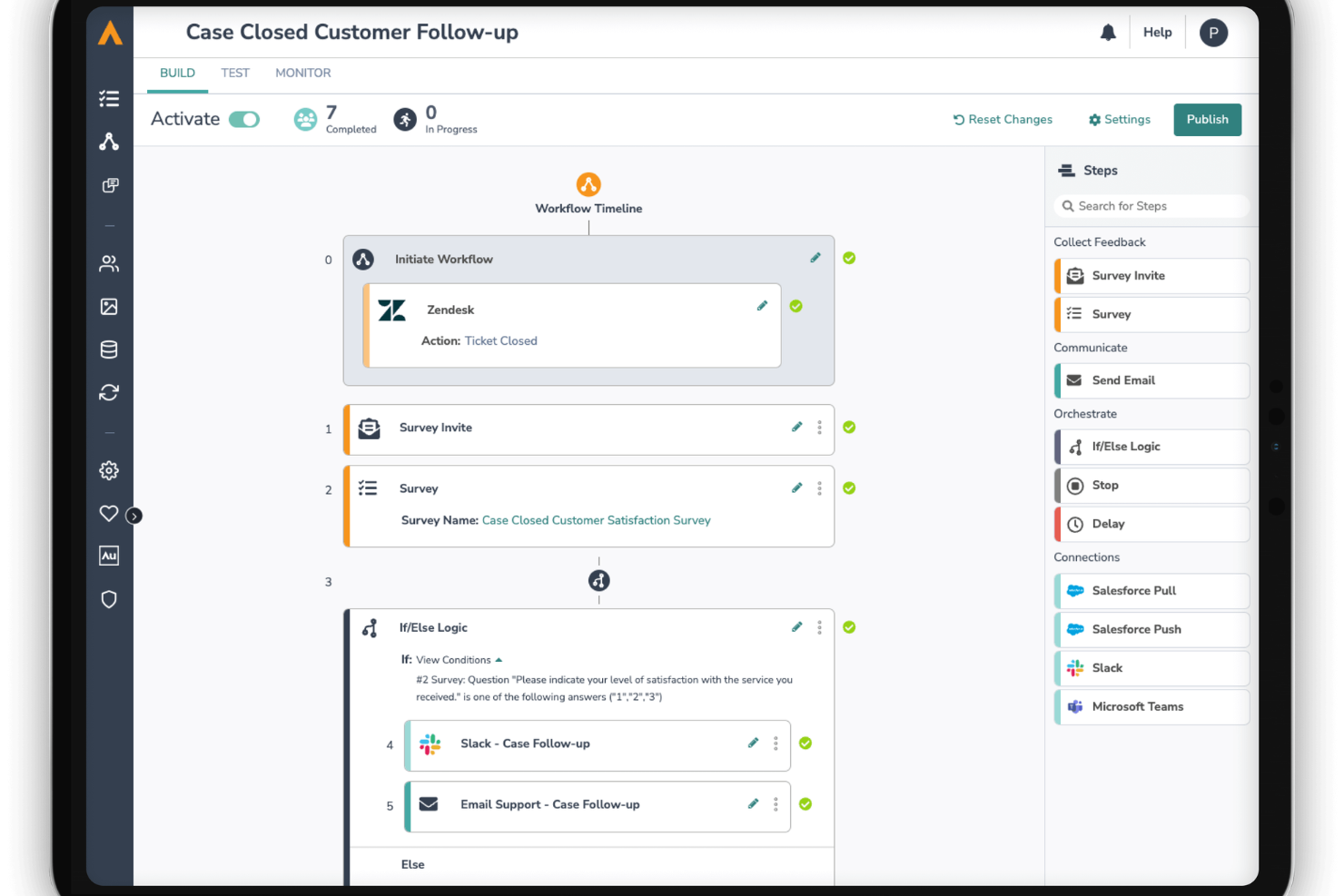
Alchemer es una plataforma de Voz del Cliente que combina la distribución omnicanal de encuestas, la captura de comentarios dentro de la aplicación, el análisis de texto y los flujos de trabajo automatizados para recopilar y utilizar las opiniones de clientes y empleados.
¿Para quién es más adecuado Alchemer?
Alchemer es adecuada para equipos de experiencia del cliente e investigación de organizaciones medianas y grandes que necesitan ejecutar programas estructurados de Voz del Cliente y enviar los comentarios directamente a los flujos de trabajo empresariales existentes.
Por qué elegí Alchemer
He incluido Alchemer entre mis principales opciones porque va más allá de recopilar comentarios y realmente cierra el ciclo de interacción con el cliente. Me gusta cómo Alchemer Digital captura señales en el momento en que los clientes interactúan con tu aplicación o sitio web, mientras que Alchemer Pulse identifica temas relacionados con el sentimiento en las respuestas de texto abierto sin necesidad de etiquetado manual. A partir de ahí, los flujos de trabajo automatizados envían esas opiniones directamente a Salesforce o Slack para que mi equipo pueda actuar antes de que un cliente deje de interactuar.
Características principales de Alchemer
- Generador visual de flujos de trabajo: Interfaz de arrastrar y soltar para automatizar el envío de comentarios y las acciones de seguimiento.
- Controles de acceso basados en roles: Define los permisos de usuario para la creación de encuestas, el acceso a los datos y la administración.
- Más de 400 integraciones de software: Conecta los datos de las encuestas directamente con Salesforce, HubSpot, Tableau y Microsoft Teams.
- Lógica avanzada de ramificación: Adapta las rutas de las preguntas según las respuestas de los encuestados mediante patrones de salto complejos.
Integraciones de Alchemer
Alchemer ofrece más de 400 integraciones nativas, incluidas Salesforce, HubSpot, Microsoft Teams, Tableau, ServiceNow, Zendesk, Jira, Marketo, Slack y Microsoft 365. También hay una API disponible para integraciones personalizadas.
Pros and Cons
Pros:
- Cierra automáticamente el ciclo de comentarios
- El análisis profundo de texto identifica temas relacionados con el sentimiento
- Flujos de trabajo de encuestas y comentarios altamente personalizables
Cons:
- Compatibilidad limitada con canales nativos de mensajería saliente
- No está diseñado para la orquestación de recorridos en tiempo real

Ideal para aumentar las tasas de activación de usuarios
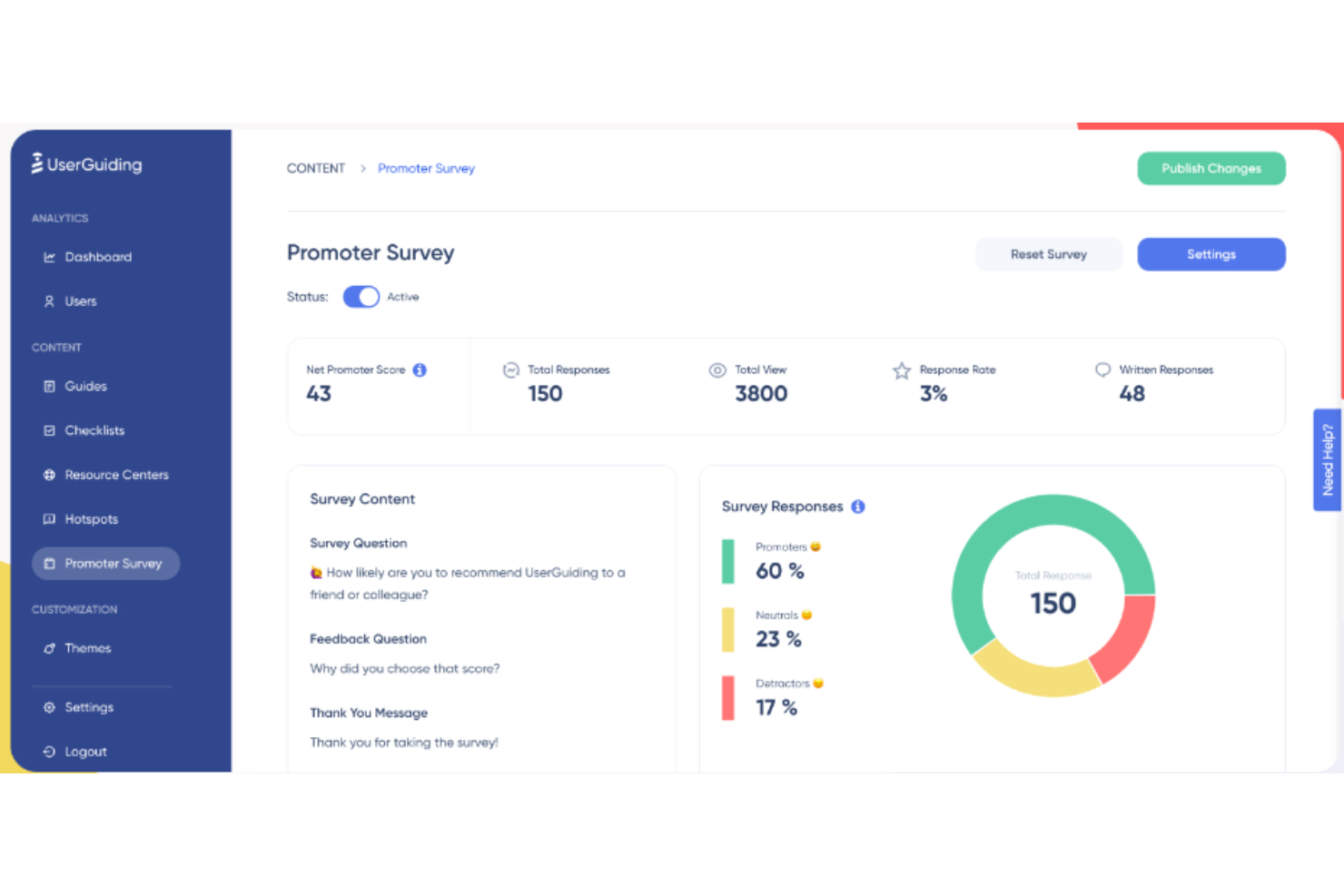
UserGuiding es una plataforma de adopción digital sin código que ofrece flujos de incorporación dentro de la aplicación, información sobre herramientas, listas de comprobación, centros de recursos y encuestas NPS para guiar a los usuarios por tu producto.
¿Para quién es más adecuado UserGuiding?
UserGuiding es adecuado para equipos de productos SaaS y de éxito del cliente en empresas pequeñas y medianas que quieren mejorar la activación de usuarios sin depender de recursos de ingeniería.
Por qué elegí UserGuiding
Elegí UserGuiding como una de las mejores opciones porque su conjunto de herramientas centrado en la activación va más allá de los recorridos básicos por el producto. Utilizo el seguimiento de objetivos y las pruebas A/B conjuntamente para identificar qué flujos de incorporación realmente impulsan a los usuarios a realizar su primera acción clave, no solo cuáles se abren. Las listas de comprobación de incorporación son especialmente eficaces en este aspecto: crean un recorrido estructurado hacia la activación que permite a los usuarios avanzar sin la supervisión constante del equipo de éxito del cliente.
Características principales de UserGuiding
- Centro de recursos: Centraliza guías del producto, preguntas frecuentes y documentación dentro de tu aplicación web para ofrecer asistencia autoservicio.
- Asistente de IA: Utiliza respuestas impulsadas por IA para ayudar a los usuarios a encontrar respuestas y resolver problemas directamente en la aplicación.
- NPS y encuestas dentro de la aplicación: Recopila comentarios de los usuarios y mide su satisfacción mediante herramientas de encuestas integradas.
- Reproducción de sesiones: Graba sesiones de usuarios reales para que los equipos puedan observar sus interacciones y detectar problemas de experiencia.
Integraciones de UserGuiding
UserGuiding ofrece integraciones nativas con HubSpot, Intercom, Mixpanel, Segment y Google Analytics. También hay una API disponible para integraciones personalizadas.
Pros and Cons
Pros:
- Los flujos de incorporación sin código se ponen en marcha sin necesidad de ingeniería
- Las listas de comprobación de activación guían a los usuarios hacia acciones clave
- Las encuestas dentro de la aplicación recopilan comentarios sin herramientas de terceros
Cons:
- Mensajería entre canales limitada más allá de la aplicación
- La profundidad de los análisis no está a la altura de las necesidades empresariales

Netmera
Ideal para la segmentación detallada de audiencias
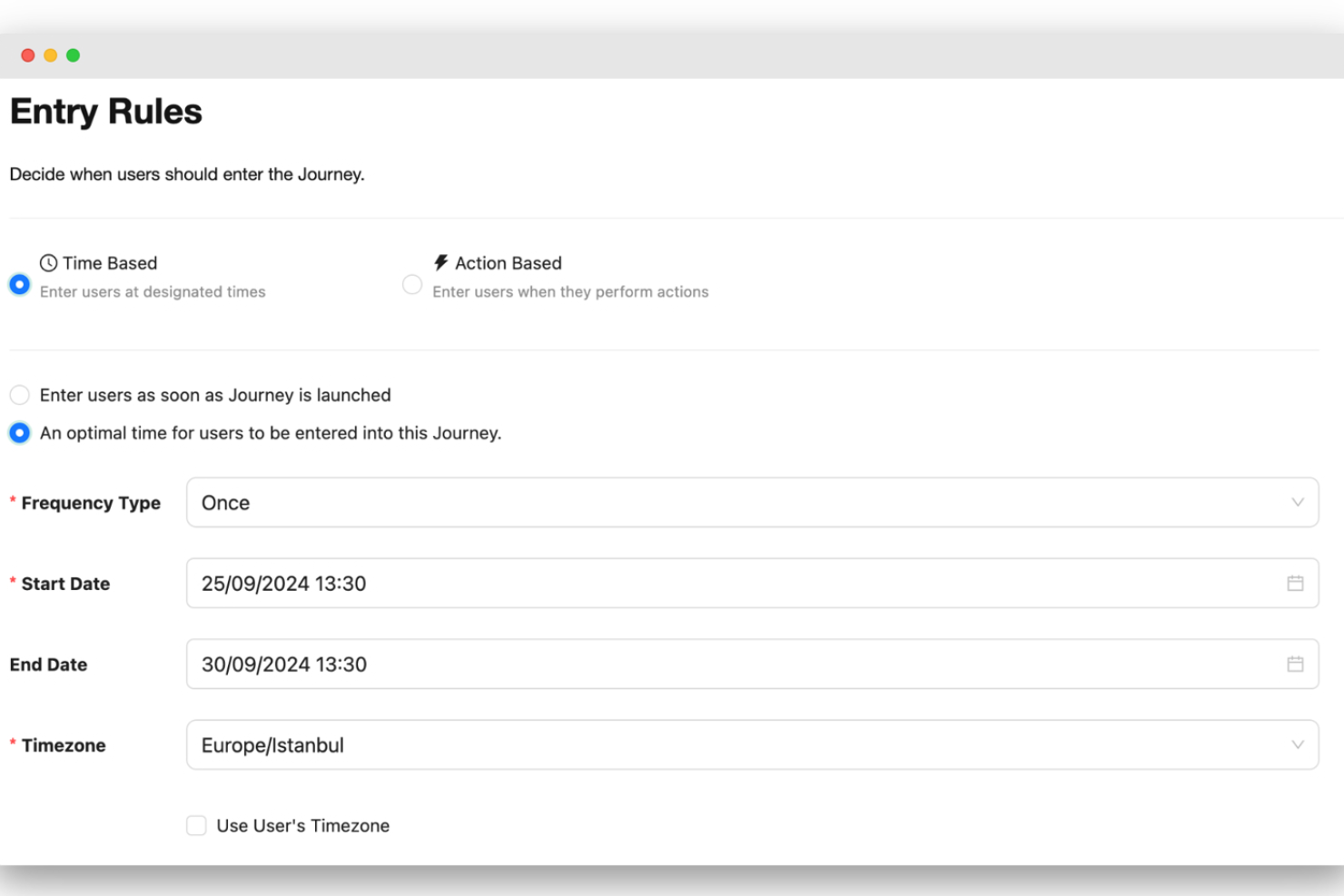
Netmera es una plataforma omnicanal de interacción con clientes que combina una CDP integrada, segmentación basada en IA, mensajería multicanal (notificaciones push, correo electrónico, SMS, WhatsApp, dentro de la aplicación y web) y orquestación de recorridos sin código en una sola interfaz.
¿Para quién es más adecuada Netmera?
Netmera es una opción excelente para equipos empresariales de los sectores bancario, de telecomunicaciones, minorista y de medios que necesitan gestionar interacciones de alto volumen basadas en el comportamiento en dispositivos móviles y la web.
Por qué elegí Netmera
Elegí Netmera como una de las mejores porque la profundidad de su segmentación realmente destaca en un mercado saturado. Me gusta especialmente la captura de datos sin etiquetado, que recopila automáticamente eventos de comportamiento sin necesidad de etiquetado manual, lo que proporciona señales más completas para crear segmentos desde el primer día. Si a esto le sumamos la IA predictiva, que identifica en tiempo real el riesgo de abandono y la intención de compra, puedes llegar al cliente adecuado exactamente en el momento preciso de su recorrido de fidelización.
Características principales de Netmera
- Orquestación de campañas omnicanal: Gestiona campañas de correo electrónico, SMS, notificaciones push móviles, WhatsApp, dentro de la aplicación y web desde una sola interfaz.
- Constructor visual de recorridos: Diseña y automatiza recorridos de clientes de varios pasos con lógica de arrastrar y soltar en todos los canales.
- Paneles de análisis en tiempo real: Supervisa el rendimiento de las campañas, la eficacia de los canales y los resultados de la interacción con los clientes en un solo lugar.
- Controles de privacidad y cumplimiento normativo: Incluye compatibilidad integrada con el RGPD, certificaciones ISO y herramientas detalladas de gestión del consentimiento.
Integraciones de Netmera
Netmera ofrece integraciones nativas con WhatsApp, Mixpanel, SAP Marketing, Twilio y otras plataformas. También hay una API disponible para integraciones personalizadas.
Pros and Cons
Pros:
- Segmentación conductual avanzada con activadores en tiempo real
- CDP integrada con captura de datos sin etiquetado
- Predicción del abandono y optimización del momento de envío basadas en IA
Cons:
- La interfaz de informes puede parecer anticuada
- Documentación de incorporación de autoservicio limitada

La mejor opción para la distribución global de recompensas
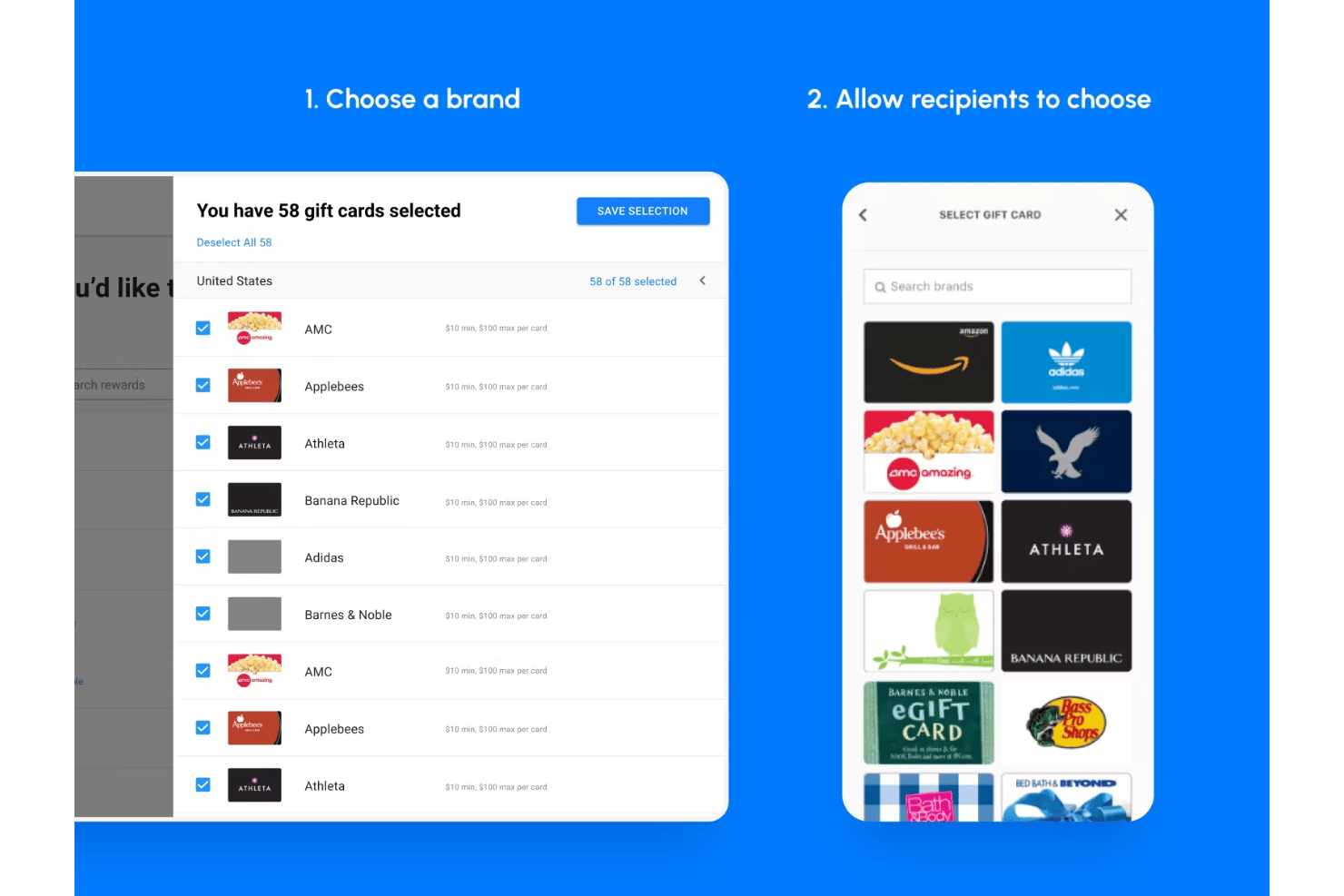
Tremendous es una plataforma global de distribución de recompensas e incentivos que permite a las empresas enviar tarjetas regalo, tarjetas prepagadas y pagos monetarios a clientes, participantes en programas de referidos y encuestados de investigación en más de 200 países.
¿Para quién es mejor Tremendous?
Tremendous es ideal para equipos de marketing e investigación de empresas medianas y grandes que gestionan programas de referidos, fidelización o incentivos de gran volumen en varios países.
Por qué elegí Tremendous
Tremendous ocupa un lugar en mi lista de opciones principales por su alcance: más de 2.500 opciones de recompensa disponibles en más de 200 países, con conversión automática de divisas integrada. Me encanta que los destinatarios puedan elegir su propio formato de pago, ya sea una tarjeta regalo de Amazon, una tarjeta Visa prepagada o una transferencia de PayPal. En la práctica, mi equipo puede gestionar una única campaña global de fidelización sin crear catálogos de recompensas separados para cada región.
Funciones principales de Tremendous
- Envío masivo de recompensas: Sube una hoja de cálculo o utiliza la API para entregar recompensas a cientos o miles de destinatarios a la vez.
- Marca blanca: Personaliza los correos electrónicos de recompensas, las páginas de destino y las comunicaciones con las imágenes y los mensajes de la marca de tu empresa.
- Panel de seguimiento de pedidos: Supervisa el estado y el canje de todas las recompensas con visibilidad en tiempo real del gasto, la entrega y el uso.
- Controles de prevención del fraude: Establece límites de gasto, exige aprobaciones y utiliza comprobaciones automatizadas para ayudar a reducir el riesgo de pagos fraudulentos.
Integraciones de Tremendous
Tremendous ofrece integraciones nativas con Salesforce, HubSpot, Friendbuy, Qualtrics y Zapier, además de proporcionar una API para integraciones personalizadas.
Pros and Cons
Pros:
- Los destinatarios pueden elegir entre más de 2.500 opciones de recompensa
- Gestiona grandes volúmenes de recompensas sin retrasos
- Seguimiento del canje en tiempo real en todas las campañas
Cons:
- No está diseñado para recorridos de interacción continuos
- Capacidades nativas limitadas de segmentación de clientes

Tidio
Ideal para la interacción de soporte mediante IA
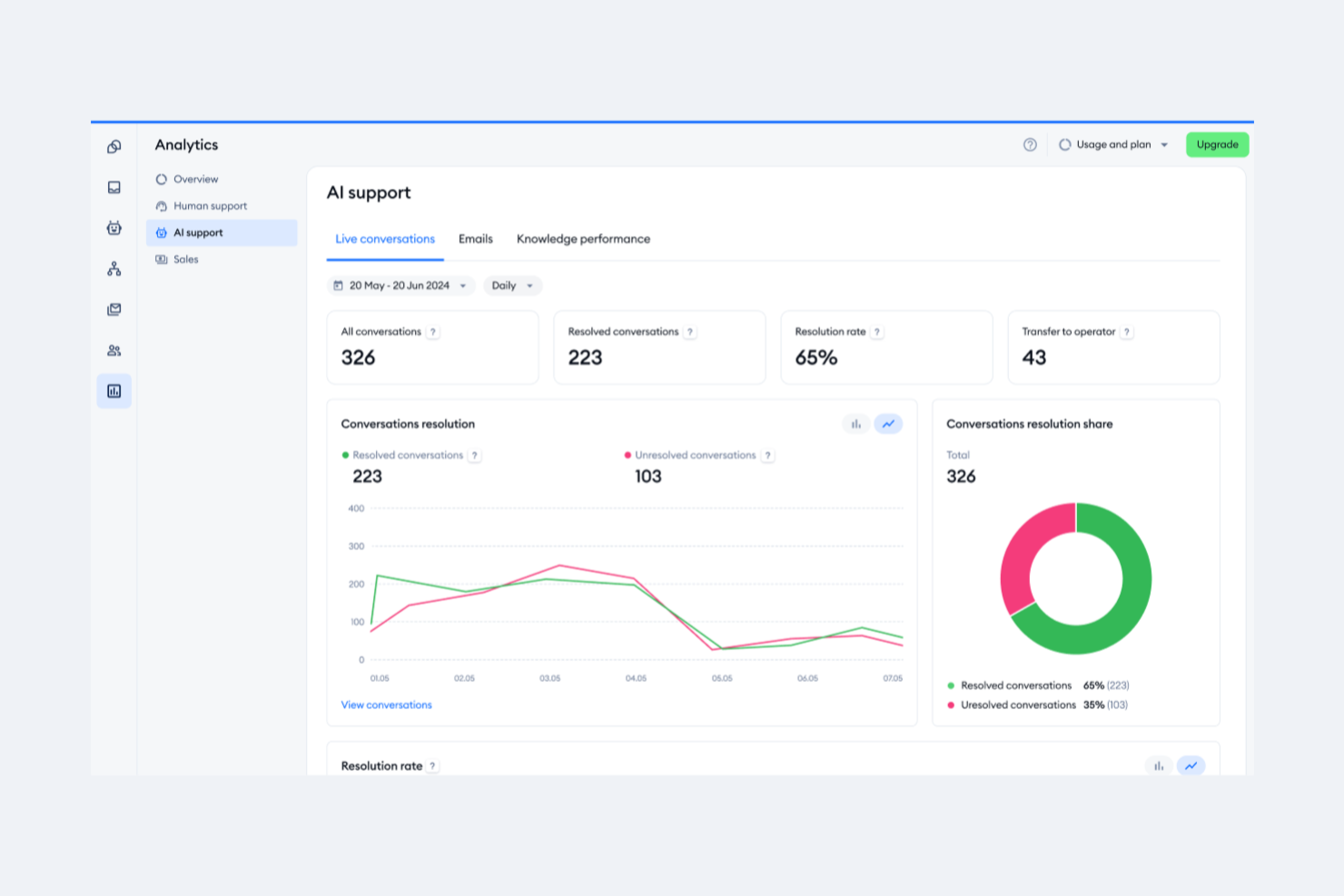
Tidio es una plataforma de atención al cliente que combina chat en directo, gestión de tickets de soporte, automatización sin código y un agente de IA (Lyro) para gestionar y responder a las conversaciones con clientes a través del chat web, el correo electrónico y los canales de mensajería social.
¿Para quién es más adecuado Tidio?
Tidio es una opción excelente para equipos de comercio electrónico de pequeñas y medianas empresas y del mercado intermedio que necesitan automatizar la atención al cliente sin crear un gran equipo de agentes.
Por qué elegí Tidio
He incluido Tidio entre mis principales opciones por Lyro, su agente de IA basado en Claude que resuelve hasta el 67 % de las conversaciones con clientes sin intervención humana. Lo que me gusta es que Lyro obtiene las respuestas directamente del contenido de ayuda existente, por lo que las respuestas mantienen la coherencia con la marca en lugar de inventarse. Cuando Lyro llega al límite de sus conocimientos, transfiere la conversación a un agente en directo de forma fluida, manteniendo la confianza del cliente durante toda la interacción.
Características principales de Tidio
- Bandeja de entrada multicanal unificada: Gestiona las conversaciones de chat web, correo electrónico, Messenger, Instagram y WhatsApp desde un único panel.
- Flujos de automatización visuales: Crea chatbots y flujos automatizados con un editor de arrastrar y soltar para interactuar con los visitantes del sitio.
- Integración con Shopify: Conecta los datos de la tienda para que los agentes puedan consultar pedidos, carritos y datos de clientes directamente desde la interfaz de chat.
- Panel de información de visitantes: Consulta la ubicación del visitante, el tiempo en el sitio y el historial de páginas para orientar las interacciones en directo y automatizadas.
Integraciones de Tidio
Tidio ofrece integraciones nativas con Shopify, WordPress, Wix, BigCommerce, Messenger, Instagram y WhatsApp. Se conecta con Zapier y proporciona una API para integraciones personalizadas.
Pros and Cons
Pros:
- La IA de Lyro resuelve chats sin agentes humanos
- Los activadores del chatbot responden a las acciones de los visitantes en tiempo real
- La bandeja de entrada multicanal unifica las redes sociales y el chat en directo
Cons:
- La profundidad de los análisis es insuficiente para equipos empresariales
- Los límites de conversaciones de la IA de Lyro restringen el uso de gran volumen

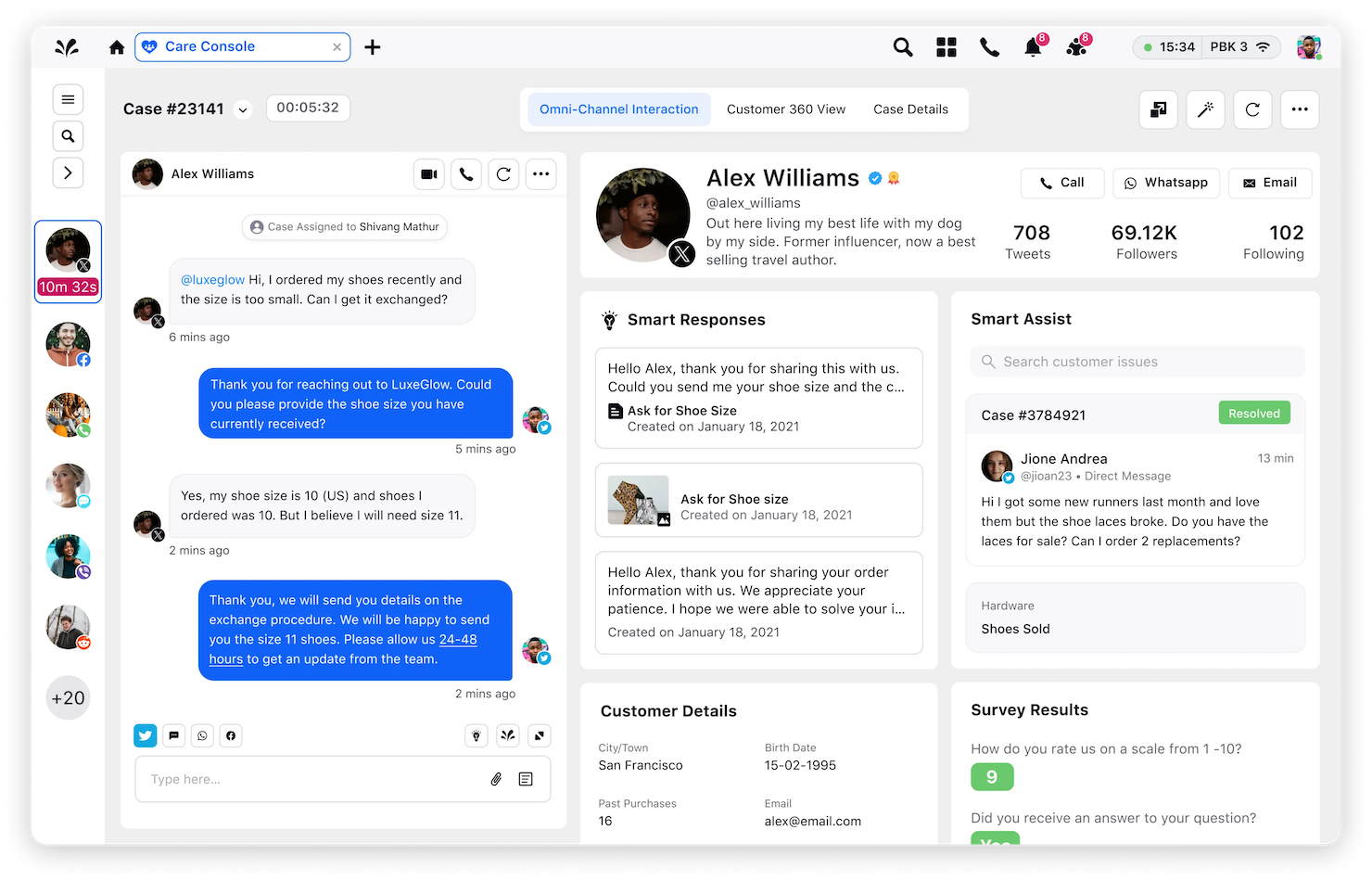
Sprinklr Service ayuda a tus equipos de soporte y marketing a gestionar conversaciones en redes sociales, aplicaciones de mensajería y otros canales. Resuelve el desafío de manejar múltiples puntos de contacto con clientes al reunirlos en una sola bandeja de entrada. Tu equipo puede centralizar las interacciones y ofrecer respuestas coherentes.
Por qué elegí Sprinklr Service: Elegí Sprinklr Service porque sobresale en la atención unificada al cliente. Combina gestión de casos impulsada por IA, un enrutamiento inteligente de conversaciones y análisis de sentimiento en tiempo real, lo que permite priorizar los temas más importantes. Los paneles personalizables permiten hacer seguimiento de los principales indicadores de servicio al cliente y desempeño de los agentes. Los flujos de trabajo automatizados y la base de conocimientos incorporada reducen tareas manuales y mantienen a tu equipo enfocado en las relaciones.
Funciones destacadas e integraciones
Las funciones incluyen una bandeja de entrada omnicanal que recopila mensajes de redes sociales, correo electrónico, voz y aplicaciones de mensajería, enrutamiento de tickets impulsado por IA con análisis de sentimiento, paneles personalizables para informes y herramientas de automatización para crear flujos de trabajo y artículos de conocimiento.
Las integraciones incluyen Salesforce, Zendesk, ServiceNow, Slack, Microsoft Teams, Google Workspace, HubSpot Marketing Hub, HubSpot Sales Hub, Jira y Tableau, y se dispone de una API.
Pros and Cons
Pros:
- Interfaz intuitiva con amplia gama de integraciones
- Analítica en profundidad y conjunto de funciones sólido
- Gestión centralizada de redes sociales, programación intuitiva
Cons:
- Amplio conjunto de funciones que requiere capacitación práctica
- Implementación lenta con un proceso complejo

Braze
La mejor opción para la gamificación
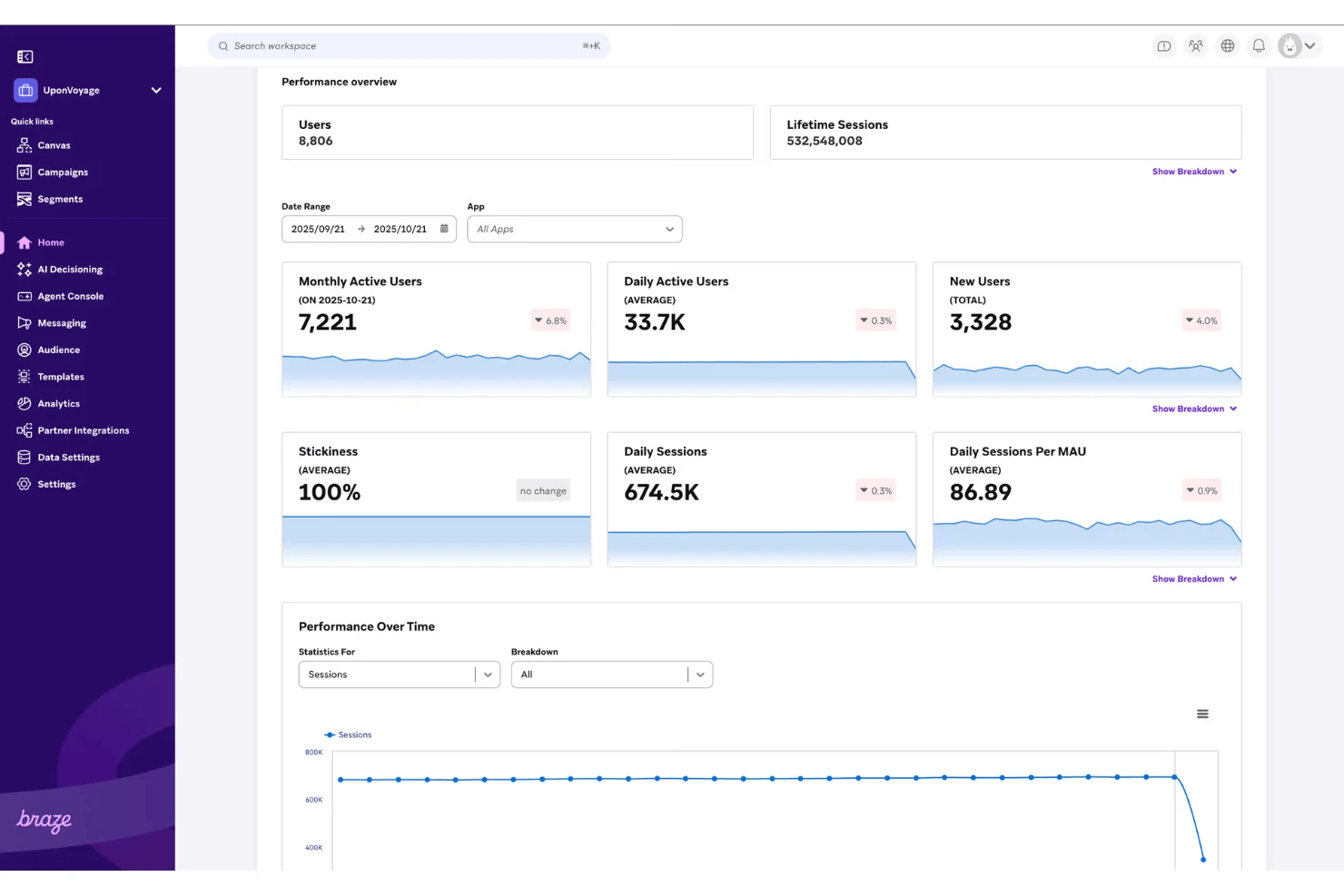
Braze es una plataforma de interacción con clientes que combina mensajería multicanal, orquestación de recorridos, unificación de datos de clientes, personalización basada en IA y análisis en tiempo real en una única solución para marcas B2C.
¿Para quién es más adecuado Braze?
Braze es una opción muy adecuada para marcas B2C del mercado intermedio y empresariales que cuentan con recursos internos de desarrollo y aplican estrategias centradas en dispositivos móviles o de crecimiento impulsado por el producto.
Por qué elegí Braze
He incluido Braze entre mis opciones principales por la manera en que Canvas y la personalización de Liquid trabajan conjuntamente para impulsar mecánicas de gamificación reales. En la práctica, puedo utilizar Canvas para activar secuencias de recompensas después de acciones específicas de los usuarios y, a continuación, entregar esas recompensas mediante tarjetas de contenido o webhooks en tiempo real. Snoonu utilizó exactamente esta configuración para una campaña de ruleta que impulsó un aumento del 39 % en los pedidos repetidos.
Características principales de Braze
- Suite de mensajería omnicanal: Permite gestionar correo electrónico, notificaciones push, SMS, mensajes dentro de la aplicación, WhatsApp y mensajería web desde una única plataforma.
- Capacidades de plataforma de datos de clientes: Crea perfiles unificados de clientes con incorporación de datos en tiempo real y resolución de identidades nativa.
- Orquestación visual de recorridos: El creador de arrastrar y soltar permite a los equipos automatizar recorridos de clientes de varios pasos entre segmentos y canales.
- Herramientas de experimentación y optimización: Permite realizar pruebas multivariables, experimentos de recorridos y seguimiento de la interacción en un único flujo de trabajo.
Integraciones de Braze
Braze ofrece integraciones nativas con Salesforce, Snowflake, Amplitude, Segment, Mixpanel, Looker, Shopify y mParticle. También hay una API disponible para integraciones personalizadas.
Pros and Cons
Pros:
- Mecánicas de gamificación nativas integradas en Canvas
- Los activadores de eventos en tiempo real se ejecutan en milisegundos
- La IA integrada optimiza las horas de envío de los mensajes
Cons:
- Requiere asistencia de desarrolladores para una configuración completa
- Proceso de incorporación exigente para equipos de experiencia del cliente no técnicos

Pendo
Ideal por su facilidad de uso
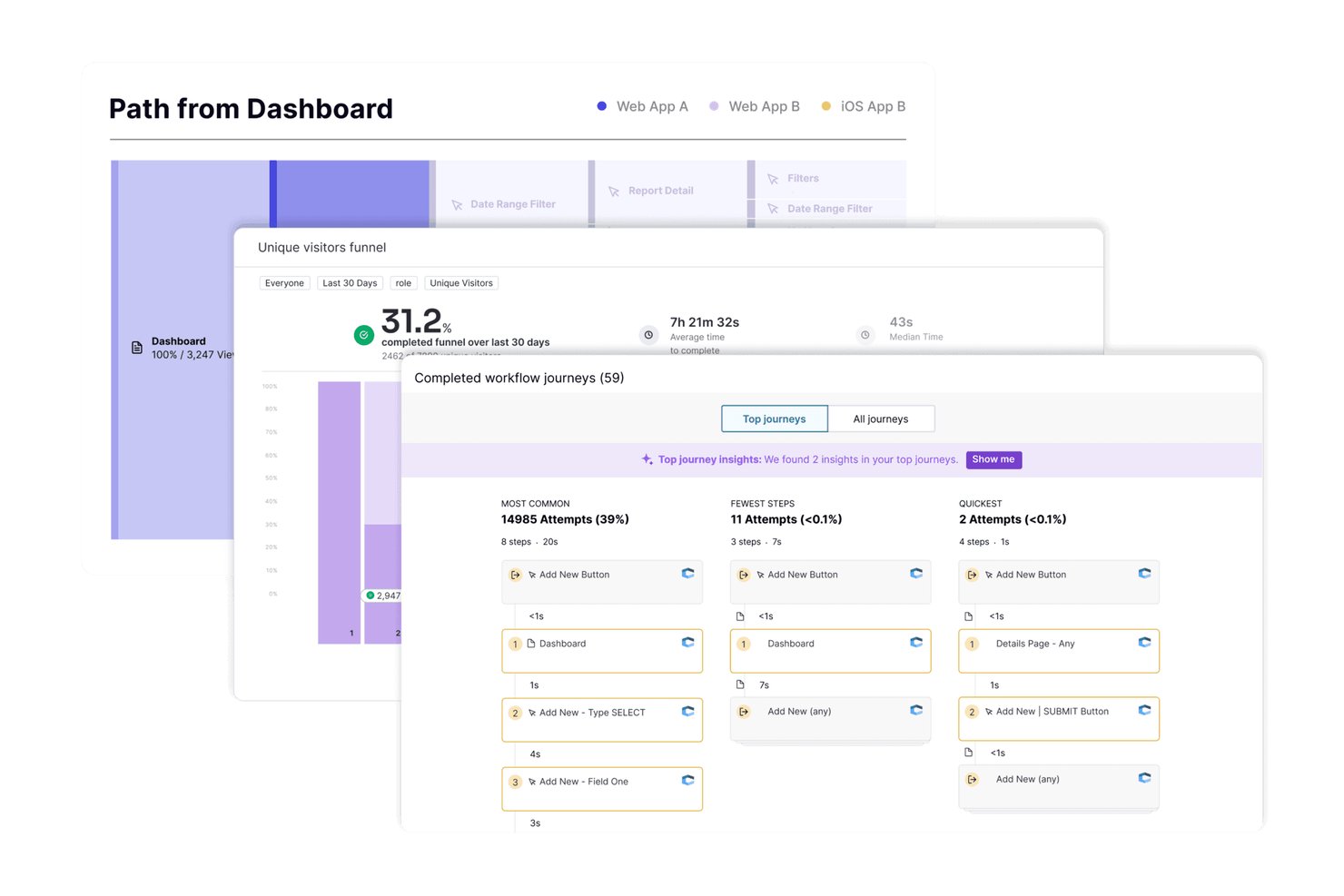
Pendo es una plataforma de experiencia del producto que combina análisis dentro de la aplicación, segmentación conductual, recorridos guiados, mensajería dentro de la aplicación y herramientas de comentarios de los usuarios para impulsar la participación de los clientes directamente dentro de los productos digitales.
¿Para quién es más adecuado Pendo?
Pendo es una excelente opción para los equipos de éxito del cliente y de producto de empresas SaaS que buscan impulsar la participación dentro de la aplicación y la adopción de funcionalidades sin depender de recursos de ingeniería.
Por qué elegí Pendo
Elegí Pendo como una de las mejores opciones porque su creador de guías sin código permite a mi equipo lanzar recorridos guiados dentro de la aplicación, información sobre herramientas y encuestas NPS sin ningún apoyo de ingeniería. He creado flujos de trabajo posteriores a NPS que dirigen automáticamente los comentarios de los detractores hacia secuencias de recuperación y, al mismo tiempo, incentivan a los promotores a recomendar el producto. Los análisis retroactivos de Pendo también me permiten analizar el comportamiento de los usuarios desde el primer día, incluso en el caso de guías creadas después de la instalación inicial.
Características principales de Pendo
- Reproducción de sesiones: Consulta grabaciones de las sesiones de los usuarios para analizar las interacciones y los comportamientos reales de los clientes en tu producto.
- Encuestas de sentimiento: Lanza encuestas NPS, PMF y CSAT dentro de la aplicación para recopilar la opinión de los usuarios en puntos clave de su recorrido.
- Módulo Orchestrate: Crea recorridos de varios pasos dentro de la aplicación con activadores, retrasos y flujos condicionales para lograr una participación más personalizada.
- Integraciones de sincronización de datos: Exporta datos de eventos a almacenes de datos y conecta con sistemas como Salesforce y HubSpot mediante complementos de pago.
Integraciones de Pendo
Pendo ofrece integraciones nativas con Salesforce y HubSpot, así como capacidades de sincronización de datos para Snowflake y Amazon Redshift. Hay una API disponible para integraciones personalizadas.
Pros and Cons
Pros:
- El creador de guías sin código no requiere apoyo de ingeniería
- Los análisis retroactivos capturan el comportamiento desde el primer día
- Los activadores de NPS dentro de la aplicación automatizan las secuencias de seguimiento de los detractores
Cons:
- La orquestación de recorridos entre canales, más allá de la aplicación, es limitada
- La reproducción de sesiones requiere un complemento de pago
Otras opciones
Aquí tienes algunas opciones más que no llegaron a la lista principal.
- MoEngage
La mejor orquestación de recorridos del cliente
- Sprout Social
Ideal para potenciar el compromiso en redes sociales con IA
- Qualtrics Customer Experience
Mejor para encuestas a clientes
- twik
Ideal para la automatización de chats
- Medallia
Ideal para obtener información en tiempo real sobre los comentarios de los clientes
- Annex Cloud
Ideal para fidelización y defensa de marca omnicanal
- Front
Ideal para una comunicación eficiente del equipo
- Zingle
Mejor automatización de flujos de trabajo
- PUG's Picnic
Ideal para la participación y fidelización de clientes gamificada
- Birdeye
Mejor análisis competitivo
- Zendesk
Ideal para la interacción con el cliente impulsada por IA
- Zoho SalesIQ
La mejor para crear una base de conocimientos


Cómo evalúo las plataformas de interacción con el cliente
Las plataformas de interacción con el cliente son la herramienta que utilizan las marcas de comercio electrónico y los equipos SaaS para coordinar mensajes activados por el comportamiento a través de correo electrónico, SMS, notificaciones push y mensajes dentro de la app, todo desde un solo lugar. Evalúo estas herramientas en dos niveles: qué hace que una plataforma merezca estar en esta lista y qué las diferencia entre sí.
Funcionalidad principal (Indispensable para esta lista)
Para las plataformas de interacción con el cliente, la funcionalidad principal que pruebo y evalúo es:
- Mensajería omnicanal: Verifico si la plataforma coordina el correo electrónico, SMS, notificaciones push y mensajes dentro de la app desde un solo lugar en vez de administrar cada canal por separado.
- Unificación de datos del cliente: La creación de perfiles en tiempo real es clave. Busco plataformas que fusionen datos de comportamiento, transaccionales y demográficos en una vista única de usuario.
- Segmentación de audiencias: Los segmentos dinámicos que se actualizan según el comportamiento en vivo son esenciales. Por ejemplo, que el segmento "usuarios que abandonaron el carrito en la última hora" se actualice automáticamente.
- Orquestación de recorridos: Evalúo el creador visual de recorridos, buscando lógica ramificada, flexibilidad de disparadores y pasos entre canales dentro de un mismo flujo automatizado.
- Personalización: Más allá de los campos personalizados como el nombre, busco bloques de contenido dinámico, recomendaciones de productos y optimización del horario de envío basada en los datos del usuario.
- Seguimiento de eventos: La plataforma debe contar con SDKs o APIs que capturen acciones del usuario en tiempo real como uso de funciones, vistas de página o eventos de compra sin requerir mucho esfuerzo de desarrollo.
- Pruebas A/B: Verifico si es posible probar líneas de asunto, variantes de contenido, selección de canales y recorridos con informes integrados de significancia estadística.
- Análisis de campañas: Las métricas de interacción a nivel de campaña, recorrido y canal son el punto de partida. Busco atribución de conversiones y desglose por cohortes.
Una herramienta debe ofrecer la mayoría de estas capacidades para estar en la lista. A partir de ahí, considero qué distingue a cada una.
Características destacadas (Qué diferencia las opciones)
Al seleccionar plataformas de interacción con el cliente, busco capacidades impulsadas por IA como segmentación predictiva y recomendaciones de próxima mejor acción que aporten verdadera inteligencia a las campañas. Las integraciones nativas con almacenes de datos—como la sincronización directa con Snowflake o BigQuery—son relevantes para equipos que quieren activar datos enriquecidos sin mucho trabajo de ingeniería. También considero si la plataforma permite operaciones multi-marca o en múltiples regiones con permisos avanzados para organizaciones complejas.
Qué valoro más allá de las funciones
La complejidad de la implementación es fundamental. Algunas plataformas requieren meses de integración de SDK y trabajo en tuberías de datos, así que evalúo qué esfuerzo de ingeniería realmente necesita tu equipo para ponerse en marcha. También analizo de cerca los modelos de precios, ya que la facturación basada en MAU más los costos por mensaje SMS pueden aumentar rápidamente a escala. La preparación para el cumplimiento también es importante: reviso si cuentan con SOC 2 Tipo II, herramientas GDPR como automatización de DSAR, y opciones de residencia de datos, especialmente para equipos con clientes en la UE.
¿Qué son las plataformas de interacción con clientes?
Las plataformas de interacción con clientes (CEP) son herramientas que favorecen la interacción con los clientes al permitir que las empresas se conecten con ellos a través de varios canales de forma coherente, personalizada y oportuna. Ayudan a unificar la comunicación, automatizar las interacciones y hacer un seguimiento del comportamiento para ofrecer mejores experiencias a los clientes y relaciones más sólidas.
¿Cómo funciona una plataforma de interacción con clientes?
Una plataforma de interacción con clientes conecta los datos de los clientes con los canales que utilizas para comunicarte con ellos. En la práctica, el proceso suele ser el siguiente:
1. Recopilar datos de los clientes → El comportamiento, las transacciones, el historial de asistencia, las preferencias y otras señales entran en la plataforma.
2. Crear perfiles de clientes → La plataforma conecta esas señales para crear una visión más completa de cada cliente.
3. Identificar audiencias o activadores → Los clientes pueden segmentarse por atributos o comportamiento, o iniciar recorridos cuando ocurre algo.
4. Ofrecer interacciones → Los mensajes y las experiencias se ofrecen a través de canales como el correo electrónico, los SMS, las notificaciones push, la mensajería dentro de la aplicación o el chat.
5. Medir la respuesta → La interacción, las conversiones, la retención y otros resultados se incorporan a la plataforma para orientar las interacciones futuras.
Interacción de ventas frente a plataformas de interacción con clientes
La principal diferencia es con quién interactúas y en qué etapa de la relación. Las plataformas de interacción de ventas ayudan principalmente a los equipos de ventas a comunicarse con clientes potenciales y a avanzar las oportunidades hacia una venta, mientras que las plataformas de interacción con clientes gestionan las interacciones a lo largo del ciclo de vida más amplio del cliente.
| Punto de comparación | Plataforma de interacción de ventas | Plataforma de interacción con clientes |
|---|---|---|
| Público principal | Clientes potenciales y contactos interesados | Clientes potenciales y clientes existentes |
| Objetivo principal | Generar respuestas y hacer avanzar las operaciones | Fomentar la interacción, la retención y el valor del cliente |
| Usuarios habituales | SDR, BDR y equipos de ventas | Equipos de marketing, CX, éxito del cliente y ciclo de vida |
| Canales habituales | Correo electrónico, teléfono, LinkedIn, SMS | Correo electrónico, SMS, notificaciones push, dentro de la aplicación, chat, WhatsApp |
| Flujos de trabajo principales | Prospección, secuencias de contacto, seguimientos | Recorridos del cliente, personalización, mensajes del ciclo de vida |
| Métricas habituales | Respuestas, reuniones, oportunidades, cartera de ventas | Interacción, conversión, retención, abandono, CLV |
Existe cierto solapamiento, especialmente en torno al correo electrónico, los SMS, la automatización y la personalización. El factor decisivo suele ser la etapa del ciclo de vida: si tu objetivo principal es convertir clientes potenciales en clientes, busca un software de interacción de ventas; si gestionas la interacción durante la adquisición, la incorporación, la retención y la fidelización, una plataforma de interacción con clientes será la opción más adecuada.
¿Qué plataforma de interacción con clientes se adapta a tu negocio?
La mejor plataforma depende de cómo interactúas con los clientes, no solo de cuántas funciones ofrece. Utiliza tu modelo de negocio y tus principales canales de comunicación para reducir las opciones.
| Caso de uso | Más adecuada para | Canales que priorizar | Qué buscar | Ejemplos de esta lista |
|---|---|---|---|---|
| Comercio electrónico | Minoristas en línea y marcas DTC | Correo electrónico, SMS, notificaciones push | Datos de compra, recorridos para carritos abandonados, recomendaciones de productos, integraciones de fidelización | Annex Cloud, twik, Tremendous, Birdeye |
| Enfoque prioritario en dispositivos móviles | Aplicaciones, mercados y servicios digitales | Notificaciones push, dentro de la aplicación, SMS, WhatsApp | Activadores de comportamiento en tiempo real, recorridos móviles, enlaces profundos, mensajes basados en la ubicación y el contexto | Braze, MoEngage, Netmera, Pendo, UserGuiding |
| Interacción conversacional | Empresas con interacciones de alta atención con los clientes | Chat en directo, WhatsApp, SMS | Mensajería bidireccional, historial de conversaciones, asignación, automatización, transferencia a una persona | Front, Tidio, Zendesk, Zoho SalesIQ, Zingle, Sprinklr Service |
| Todo en uno / mercado medio | Empresas en crecimiento que consolidan herramientas de interacción | Correo electrónico, SMS, chat, web | Automatización multicanal, segmentación, integraciones de CRM, informes | Creatio CRM, SurveySparrow, Alchemer, Sprout Social, Augeo |
| Omnicanal empresarial | Grandes empresas con recorridos de cliente complejos | Correo electrónico, SMS, notificaciones push, WhatsApp, web, aplicación | Orquestación de recorridos, gobernanza, personalización avanzada, escalabilidad, integraciones de datos | Qualtrics Customer Experience, Medallia, PUG's Picnic |
Cómo implementar una plataforma de interacción con clientes
El éxito de la implementación depende de organizar los datos de clientes, los canales y los flujos de trabajo antes de empezar a automatizar los recorridos. Utiliza esta lista de comprobación para planificar la implementación:
| ✓ | Antes de poner en marcha tu plataforma de interacción con clientes… |
|---|---|
| ☐ | Define tus primeros casos de uso. Empieza con algunos recorridos de gran valor, como la incorporación, la recuperación de carritos, las renovaciones o la reactivación. |
| ☐ | Audita tus datos de clientes. Identifica qué datos de CRM, producto, asistencia, comercio electrónico y comportamiento necesita la plataforma, y resuelve las principales carencias o duplicados. |
| ☐ | Conecta tus sistemas principales. Configura las integraciones y confirma que las identidades y los eventos de los clientes se sincronizan correctamente entre las plataformas. |
| ☐ | Establece las reglas y los permisos de los canales. Confirma el consentimiento, las exclusiones, los límites de frecuencia y los requisitos regionales antes de activar el correo electrónico, los SMS, las notificaciones push o WhatsApp. |
| ☐ | Crea y prueba tus recorridos. Comprueba los activadores, la segmentación, la personalización, las transferencias entre canales y las rutas alternativas antes de enviarlos a los clientes. |
| ☐ | Establece tus métricas de referencia. Registra las métricas actuales de conversión, retención, interacción o servicio para poder medir posteriormente el impacto de la plataforma. |
| ☐ | Implementa gradualmente. Empieza con una audiencia o un recorrido limitado, corrige los problemas y amplía la implementación cuando los datos y los flujos de trabajo funcionen según lo previsto. |
Cómo elegir una plataforma de interacción con clientes
Es fácil perderse entre largas listas de funciones y estructuras de precios complejas. Para ayudarte a mantener el foco mientras avanzas en tu proceso único de selección de software, aquí tienes una lista de factores que debes tener en cuenta:
| Factor | Qué tener en cuenta |
|---|---|
| Escalabilidad | Asegúrate de que la plataforma pueda crecer con tu empresa. Comprueba si puede gestionar un aumento de las interacciones con los clientes sin comprometer el rendimiento. |
| Integraciones | Busca una integración fluida con tus sistemas actuales, como el CRM y las herramientas de marketing por correo electrónico, para agilizar los procesos. |
| Personalización | Tu equipo debería poder adaptar la plataforma para ajustarla a tus flujos de trabajo específicos y a tus necesidades de marca. |
| Facilidad de uso | Opta por una interfaz fácil de usar que reduzca el tiempo de formación y aumente la productividad de tu equipo. |
| Presupuesto | Evalúa el coste total, incluidas las tarifas ocultas, para asegurarte de que se ajusta a tu plan financiero. |
| Medidas de seguridad | Verifica que cuente con medidas de seguridad sólidas para proteger los datos confidenciales de los clientes y cumplir con las normativas del sector. |
| Opciones de asistencia | Elige una plataforma que ofrezca un servicio de atención al cliente fiable, incluida asistencia por chat en directo, teléfono o correo electrónico. |
| Análisis | Asegúrate de que proporcione análisis completos para hacer un seguimiento de la interacción y tomar decisiones basadas en datos. |
Tendencias de las plataformas de interacción con clientes en 2026
Las plataformas de interacción con clientes están evolucionando para satisfacer las necesidades cambiantes de las empresas y sus clientes. Estas son algunas tendencias clave que conviene observar en 2026.
- IA capaz de actuar: La IA está yendo más allá de generar respuestas y recomendaciones. Las plataformas de interacción con clientes la utilizan cada vez más para gestionar solicitudes rutinarias, tomar decisiones basadas en el contexto del cliente y completar acciones de varios pasos, con la intervención de personas cuando es necesario
- Conversaciones que continúan entre canales: Los clientes esperan poder pasar del chat al correo electrónico, los SMS, la voz y otros canales sin tener que empezar de nuevo. Las plataformas están mejorando su capacidad para trasladar el historial y el contexto del cliente entre esas interacciones, haciendo que la interacción omnicanal se perciba como una única conversación continua.
- Datos de clientes en tiempo real: El énfasis está pasando de simplemente recopilar datos de clientes a hacerlos utilizables de inmediato. Los perfiles de clientes unificados y actualizados continuamente pueden ayudar a los equipos a responder al comportamiento a medida que ocurre, en lugar de depender de segmentos retrasados y actualizaciones por lotes.
- Interacción bidireccional: La interacción con los clientes depende cada vez menos de las campañas y se vuelve más conversacional. Los clientes esperan cada vez más que las marcas les respondan, pero muchas empresas todavía tienen dificultades para ofrecer interacciones bidireccionales fiables en todos los canales.
- Mayor atención a la gobernanza y la confianza en la IA: A medida que la IA asume más tareas de cara al cliente, la calidad de los datos, la privacidad, los permisos, la explicabilidad y la supervisión cobran mayor importancia. Para los compradores, la pregunta ya no es solo “¿Esta plataforma tiene IA?”, sino cada vez más “¿Podemos confiarle las interacciones y los datos de nuestros clientes?”
Características de una plataforma de interacción con clientes
Al seleccionar una plataforma de interacción con clientes, presta atención a las siguientes características clave:
- Comunicación omnicanal: Conecta con tus clientes dondequiera que estén, ya sea por correo electrónico, chat, redes sociales o SMS. Esta función facilita mantener conversaciones fluidas, independientemente de los canales que prefieran tus clientes.
- Herramientas de personalización: Adapta tus mensajes, ofertas e interacciones en función del comportamiento y las preferencias de cada cliente. La personalización hace que tus comunicaciones parezcan consideradas en lugar de genéricas, convirtiendo un contacto sencillo en una interacción significativa.
- Flujos de trabajo automatizados: Configura activadores y acciones para que las tareas repetitivas, como enviar correos electrónicos de bienvenida o hacer un seguimiento de las compras recientes, se realicen sin tu intervención constante. Esto te ahorra tiempo y mantiene tus comunicaciones oportunas.
- Perfiles de cliente unificados: Accede a una vista de 360 grados de cada cliente con todos sus datos, interacciones e historial en un solo lugar. Esto te ayuda a comprender realmente a tu audiencia y responderle como individuos, no como una entrada más en una hoja de cálculo.
- Segmentación y focalización: Agrupa fácilmente a los clientes según sus datos demográficos, comportamientos o historial. Esto te permite crear campañas que realmente conecten con ellos, en lugar de enviar el mismo mensaje genérico a todo el mundo.
- Análisis e informes en tiempo real: Consulta las estadísticas de interacción actualizadas al minuto para saber qué funciona y qué no. Estos datos te ayudan a tomar decisiones más inteligentes y perfeccionar tu estrategia sin tener que hacer conjeturas.
- Capacidades de integración: Conéctate sin problemas con tus herramientas actuales de CRM, marketing y análisis. La integración evita que tengas que cambiar constantemente de pestaña o duplicar datos: todo funciona de forma coordinada.
- Herramientas de comentarios y encuestas: Recopila directamente a través de tu plataforma las opiniones y experiencias de los clientes. Esta función te permite actuar basándote en comentarios reales, en lugar de suposiciones, y demostrar a tu audiencia que la escuchas.
Funciones habituales de IA de las plataformas de interacción con el cliente
Además de las funciones estándar de las plataformas de interacción con el cliente mencionadas anteriormente, muchas de estas soluciones están incorporando la IA con funciones como las siguientes:
- Análisis predictivo: Utiliza la IA para analizar patrones en los datos de los clientes y anticipar comportamientos o necesidades futuras. Esto te permite ponerte en contacto de forma proactiva con ofertas o asistencia antes incluso de que tus clientes lo soliciten.
- Chatbots basados en IA: Ofrece asistencia al cliente instantánea y disponible las 24 horas, todos los días, respondiendo automáticamente a preguntas y problemas habituales. Estos bots liberan a tu equipo para que pueda ocuparse de interacciones más complejas y garantizan que los clientes reciban siempre respuestas rápidas.
- Procesamiento del lenguaje natural (NLP): Comprende e interpreta automáticamente los mensajes de los clientes, incluso si contienen errores ortográficos o están formulados de manera particular. El NLP te ayuda a responder de forma más inteligente y a crear interacciones más naturales.
- Análisis de sentimientos: Detecta las emociones presentes en los mensajes de los clientes mediante la IA, ya sea que alguien esté satisfecho, frustrado o confundido. Esto te permite priorizar las respuestas o derivar los problemas a una persona cuando sea necesario, demostrando a los clientes que realmente te importan.
- Motores de recomendación de contenido: Sugiere dinámicamente productos, artículos o recursos a los clientes en función de su comportamiento y preferencias. Los orientas hacia lo más relevante, haciendo que su experiencia sea más sencilla y personalizada.
Beneficios de las plataformas de interacción con el cliente
Los beneficios de las plataformas de interacción con el cliente pueden ser importantes para las empresas que buscan mejorar sus interacciones con los clientes. Estos son los principales beneficios que los posibles compradores deberían tener en cuenta:
- Mejora de la experiencia del cliente: Proporciona una comunicación personalizada y coherente en todos los canales, mejorando la satisfacción general del cliente.
- Mayor eficiencia: Automatiza las tareas y los flujos de trabajo repetitivos, lo que permite a tu equipo centrarse en actividades estratégicas.
- Decisiones basadas en datos: Ofrece análisis y datos útiles en tiempo real, lo que permite tomar decisiones fundamentadas y ajustar las estrategias.
- Mejora de la retención de clientes: Construye relaciones más sólidas mediante una interacción focalizada, lo que se traduce en una mayor fidelidad y en tasas de retención más elevadas.
- Escalabilidad: Se adapta a las necesidades de crecimiento de tu empresa, garantizando asistencia e interacción continuas a medida que aumenta tu base de clientes.
El uso de una plataforma de interacción con el cliente puede transformar la forma en que interactúas con tus clientes, haciendo que tu empresa sea más eficiente y esté más centrada en ellos. Estos beneficios ponen de relieve el valor y el impacto de implementar una plataforma de este tipo.
Costes y precios de las plataformas de interacción con el cliente
Las plataformas de interacción con el cliente suelen ofrecer distintos planes de precios para adaptarse a empresas de diversos tamaños y necesidades. Comprender estos planes y sus costes puede ayudarte a tomar una decisión informada. Estas son las opciones de planes más habituales y sus detalles de precios.
| Tipo de plan | Precio medio | Características comunes |
|---|---|---|
| Gratuito | $0 | Herramientas básicas de interacción, canales limitados, análisis mínimos |
| Básico | $50/mes | Funciones principales, comunicación omnicanal, automatización básica |
| Estándar | $150/mes | Automatización avanzada, mapeo del recorrido del cliente, integraciones |
| Profesional | $300/mes | Análisis en tiempo real, información basada en IA, segmentación |
| Empresarial | Precios personalizados | Conjunto completo de funciones, soporte específico, seguridad avanzada |
Preguntas frecuentes
Preguntas habituales sobre las plataformas de interacción con clientes:
¿Qué significa la interacción con los clientes?
¿Por qué es importante la interacción con los clientes?
¿Cuál es la diferencia entre un CRM y una plataforma de interacción con clientes?
¿Se garantiza el cumplimiento normativo en las plataformas de interacción con clientes?
¿Qué debo tener en cuenta al comparar software de interacción con clientes?
¿Cómo debes medir el ROI de una plataforma de interacción con clientes?
Conclusión
La plataforma de interacción con clientes adecuada depende de tu modelo de negocio, el tamaño de tu equipo y los canales que realmente utilizan tus clientes.
- Equipos pequeños: Da prioridad a una configuración sencilla, una automatización directa y un soporte sólido para los pocos canales que utilizas con mayor frecuencia.
- Equipos de empresas medianas: Busca una segmentación más profunda, recorridos multicanal, integraciones e informes que puedan adaptarse al crecimiento del volumen de clientes.
- Equipos empresariales: Céntrate en la escalabilidad, la gobernanza, los datos de clientes unificados, la personalización avanzada y la gestión de recorridos complejos.
- Empresas de comercio electrónico: Da prioridad al correo electrónico y los SMS, los activadores basados en compras, los recorridos para carritos abandonados, las recomendaciones de productos y las herramientas de retención.
- Empresas centradas en dispositivos móviles: Busca una mensajería push y dentro de la aplicación sólida, activadores de comportamiento en tiempo real y funcionalidades para recorridos móviles.
No necesitas la plataforma con la lista de funcionalidades más larga. Elige la que mejor se adapte a la forma en que tus clientes interactúan actualmente y que, al mismo tiempo, te ofrezca suficiente margen para ampliar tus canales y recorridos a medida que crezcan tus necesidades.
Si quieres obtener información sobre otro software que pueda ayudar a que tu empresa crezca, suscríbete al boletín de The CX Lead.