


Freshdesk vs. Intercom: Detailed Comparison and Expert Reviews for 2026


Many teams today want a tool that not only helps you resolve customer issues efficiently but also keeps your users engaged and delighted at every touchpoint — from support emails to in-app chat. In this guide, you’ll get a clear, side-by-side comparison of Freshdesk and Intercom, two popular help desk platforms.
You’ll get a breakdown of how each solution performs in different use cases and what sets them apart, giving you the clarity you need to make a confident decision for your business.
Freshdesk vs. Intercom: An Overview
Freshdesk


Intercom
Why Trust Our Software Reviews
We’ve been testing and reviewing software since 2020. As CX leaders ourselves, we know how critical and difficult it is to make the right decision when selecting software.
We invest in deep research to help our audience make better software purchasing decisions. We’ve tested more than 2,000 tools for different CX use cases and written over 1,000 comprehensive software reviews. Learn how we stay transparent & our software review methodology.
Freshdesk vs. Intercom Pricing Comparison
| Freshdesk | Intercom | |
|---|---|---|
| Free Trial | 14-day free trial available | 14-day free trial + free demo available |
| Pricing | From $19/user/month (billed annually) | Pricing upon request |
Freshdesk vs. Intercom Pricing & Hidden Costs
When you compare Freshdesk and Intercom, the biggest difference in pricing comes down to how predictable your costs are versus how much usage-based spend you’re willing to take on. With Freshdesk, you primarily pay per agent based on a tiered plan, and most core helpdesk features are bundled into that price, though AI features and additional AI sessions can add extra charges if your usage grows.
With Intercom, you pay per seat for access to the platform, but you also pay separately for each AI resolution, along with potential usage-based costs for messaging channels and add-ons—so your total can scale quickly as engagement increases. In other words, with Freshdesk you’re mostly managing seat-based costs with optional AI add-ons, while with Intercom you’re managing both seat costs and ongoing usage fees, which can make budgeting more variable depending on how much your customers interact with AI and messaging tools.
Freshdesk vs. Intercom Feature Comparison
Freshdesk stands out for giving you a central, AI-powered workspace where automation is built in from day one—its AI agents can take action on repetitive requests, while Copilot and Insights help your team respond faster and make smarter decisions. You also get strong ticketing, omnichannel support, and workflow automation designed to streamline queues and improve resolution times.
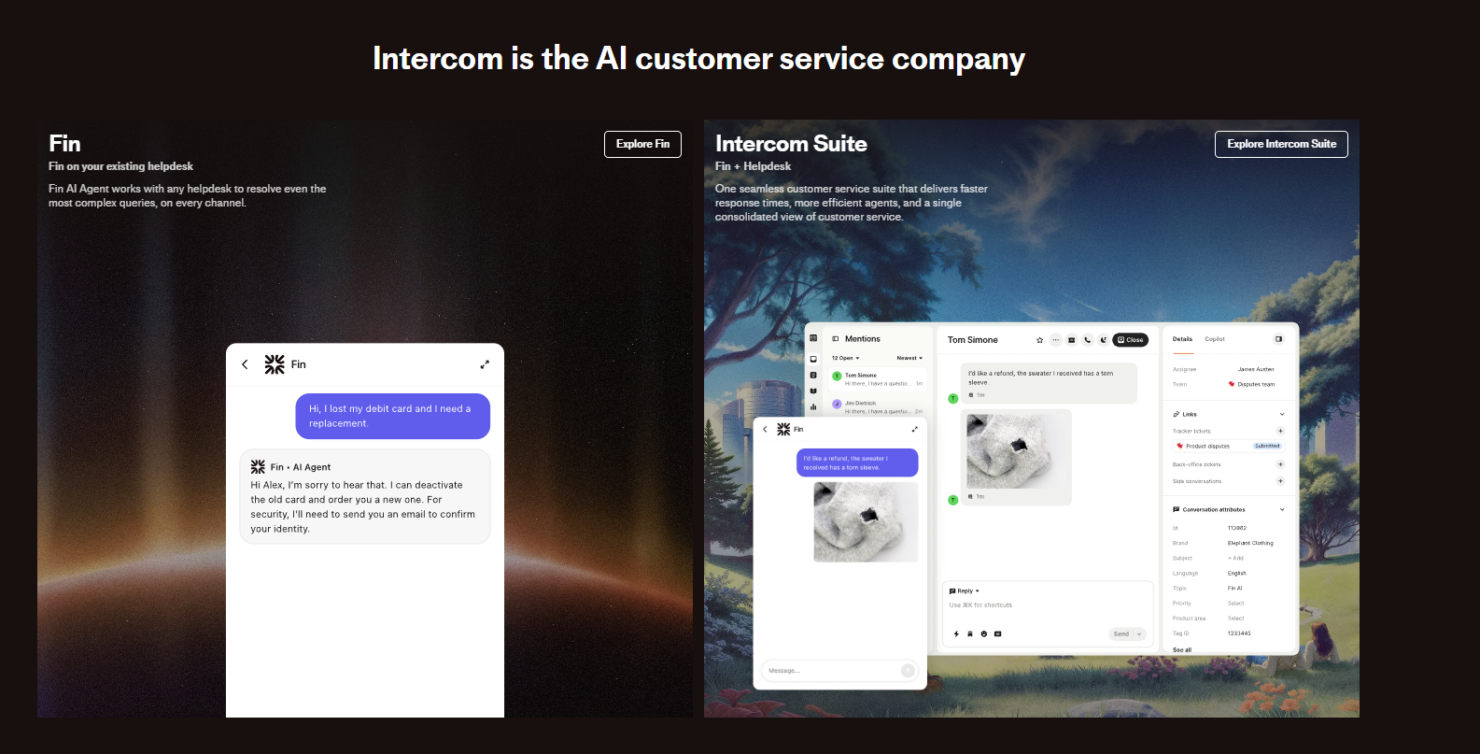
Intercom differentiates itself with Fin, its AI Agent that continuously learns from conversations, paired with a modern, highly configurable helpdesk focused on speed, collaboration, and performance visibility across AI and human support.
You’ll find that both platforms overlap by offering AI-driven agents, agent-assist tools, omnichannel messaging, reporting, knowledge bases, and automation—so in either case, you’re equipping your team with a blend of AI and human support designed to boost productivity and improve customer experience.
| Freshdesk | Intercom | |
|---|---|---|
| API | ||
| Batch Permissions & Access | ||
| Chat | ||
| Contact Management | ||
| Customer Management | ||
| Customer Service | ||
| Dashboard | ||
| Data Export | ||
| Data Import | ||
| Email Integration | ||
| Escalation Management | ||
| External Integrations | ||
| Instant Chat Integration | ||
| Knowledge Base | ||
| Lead Management | ||
| Lead Scoring | ||
| Multi-User | ||
| Notifications | ||
| Self-service Portal | ||
| Workflow Management |
Freshdesk vs. Intercom Integrations
| Integration | Freshdesk | Intercom |
| Slack | ✅ | ✅ |
| Salesforce | ✅ | ✅ |
| HubSpot | ✅ | ✅ |
| Shopify | ✅ | ✅ |
| Microsoft Teams | ✅ | ✅ |
| ✅ | ✅ | |
| Jira | ✅ | ✅ |
| Mailchimp | ✅ | ✅ |
| API | ✅ | ✅ |
| Zapier | ✅ | ✅ |
Both Freshdesk and Intercom offer extensive integration ecosystems, including Slack, Salesforce, HubSpot, Microsoft Teams, Mailchimp, and Shopify through native apps and third-party connectors. With robust APIs and Zapier support, either platform can integrate into most tech stacks without major limitations.
Freshdesk vs. Intercom Security, Compliance & Reliability
| Factor | Freshdesk | Intercom |
| Data Encryption | Uses strong encryption to protect your information both in transit (TLS 1.2 or higher) and at rest (AES-256), safeguarding customer and support data on secure cloud infrastructure. | Encrypts all customer data in transit using modern protocols and at rest with industry-standard AES-256 encryption, ensuring secure handling of information throughout the platform. JWTs are also used to authenticate and protect data updates in Messenger workflows. |
| Regulatory Compliance | Meets key compliance standards such as SOC 2 Type II, ISO 27001, ISO 27701, PCI DSS, GDPR and CCPA, helping you align with major global data protection requirements. | Holds multiple compliance certifications and reports, including SOC 2, ISO 27001, ISO 27018, ISO 27701, GDPR, CCPA, HIPAA, and additional regional privacy frameworks — all available through Intercom’s Trust Center. |
| Uptime Guarantee | Publishes real-time status and incident updates; formal SLA terms vary by plan but are designed to give transparency into service reliability. | Commits to a target uptime SLA for both its AI Agent and core platform (with options to review SLA language in the Intercom Terms), backed by scheduled maintenance notifications and remedies if targets are not met. |
| Access Controls | Offers role-based access control (RBAC), single sign-on (SSO), multi-factor authentication (MFA), and detailed audit logs to manage who can see and act on data. | Provides granular access management, including SAML SSO, 2FA, SCIM provisioning, teammate roles and permissions, IP restrictions, and activity logs, giving you control over workspace access and security posture. |
When you compare Freshdesk and Intercom from a security and reliability standpoint, you’re getting strong protections on both sides. With either platform, your data is encrypted in transit and at rest using industry-standard protocols, and you benefit from globally recognized compliance certifications that help you meet regulatory requirements. You’ll also have access to robust access controls like SSO, multi-factor authentication, and role-based permissions to manage who can see and act on sensitive information.
Ultimately, you’re choosing between two platforms that take enterprise-grade security seriously, with slightly different compliance coverage and administrative controls depending on the level of oversight and governance you need.
Freshdesk vs. Intercom Ease of Use
| Factor | Freshdesk | Intercom |
| User Interface | Features a clean, familiar dashboard with customizable views and widgets. | Offers a modern, chat-focused interface that feels intuitive and sleek. |
| Onboarding | Provides step-by-step guides and in-app tips for quick team ramp-up. | Uses interactive walkthroughs and contextual help to speed up adoption. |
| Setup Process | Simple setup with pre-built templates and easy import tools. | Streamlined setup, but requires more configuration for advanced features. |
| Ongoing Support | 24/7 support via email, chat, and phone, plus a detailed help center. | Responsive chat support and a robust knowledge base for self-service. |
| Customization | Allows deep customization of workflows, fields, and automations. | Enables flexible chat flows and automation, but with fewer ticketing options. |
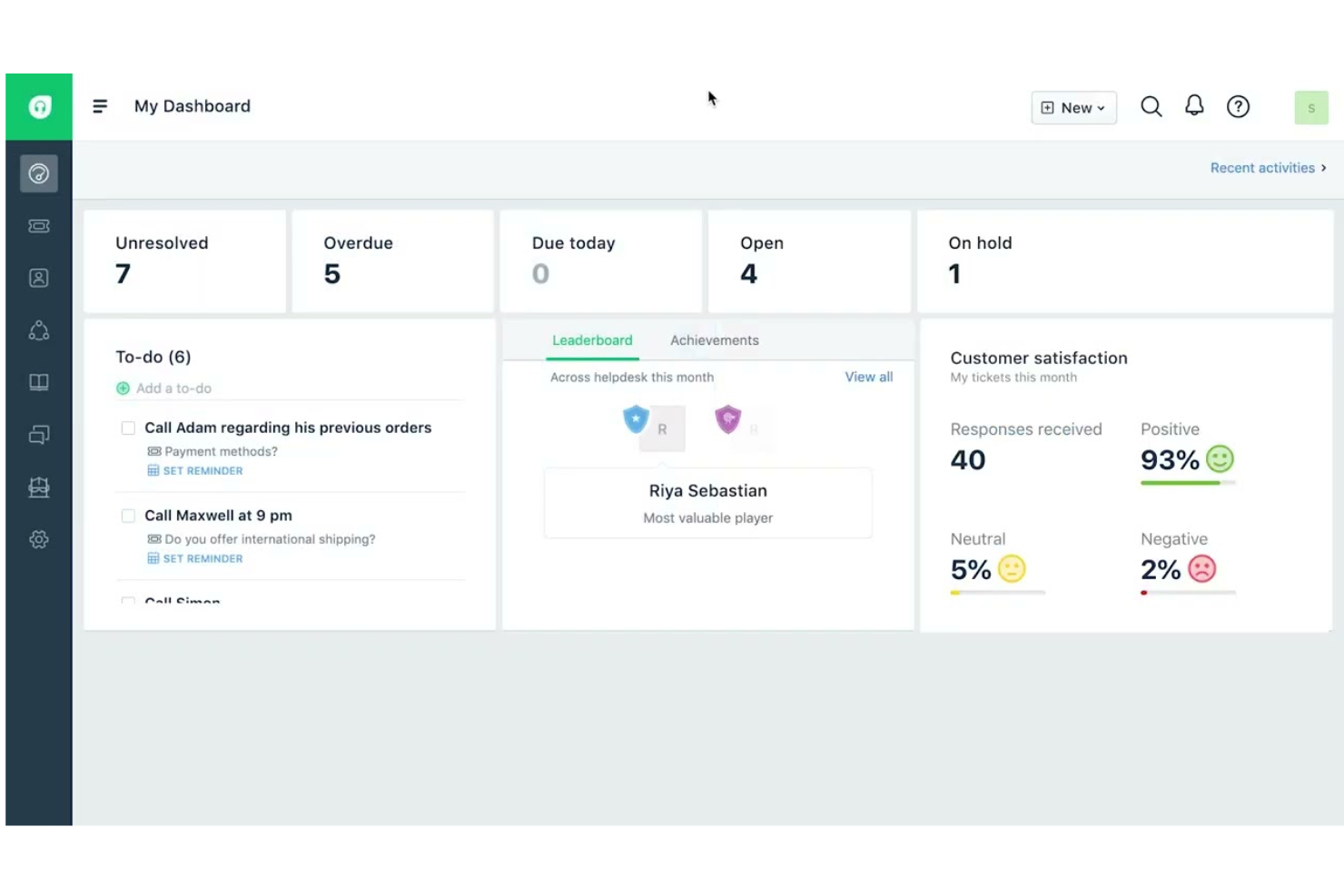
You’ll find both platforms are designed to get you up and running quickly, but they shine in slightly different ways. Freshdesk gives you a clean, structured interface built around ticketing and workflows, making it easy for traditional support teams to navigate, launch quickly, and rely on strong documentation and ongoing support.
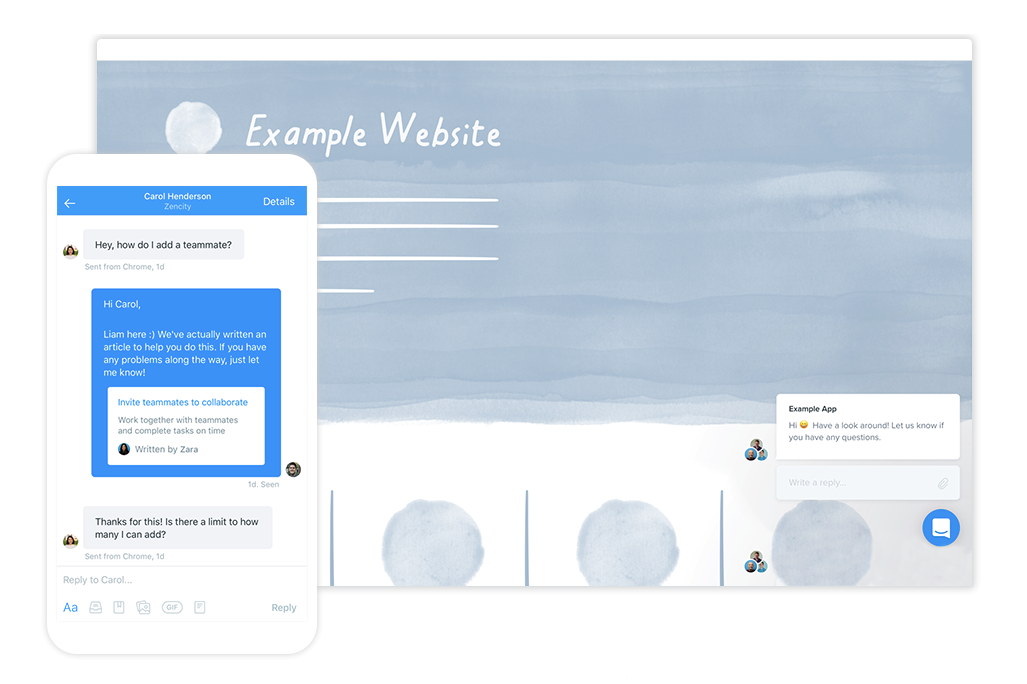
Intercom, on the other hand, delivers a modern, conversation-first experience centered on chat and AI, which can feel especially intuitive if your team prioritizes real-time messaging and automation—though configuring more advanced flows may require extra setup time.
Freshdesk vs Intercom: Pros & Cons
Freshdesk
- Easy-to-use interface with minimal training required.
- AI tools assist agents with suggestions and insights.
- Omnichannel ticketing includes email, chat, phone, and social.
- Most AI features are limited to higher-tier plans.
- Mobile app lacks features available on desktop.
- Reporting dashboards offer limited customization options.
Intercom
- Real-time user activity tracking adds context to support
- Unified inbox manages conversations across multiple channels
- Automation and chatbots handle high volumes without agent input
- Some users report occasional bugs in ticket management
- Reporting features lack depth compared to some competitors
- Pricing increases quickly as usage or team size grows
Best Use Cases for Freshdesk and Intercom
Freshdesk
- Ecommerce Support Teams Freshdesk’s omnichannel ticketing helps manage inquiries from multiple sales channels, marketplaces, and order-related customer requests efficiently.
- SaaS Startups Affordable plans (including a free one), AI tools, and easy setup suit fast-growing, resource-limited teams needing scalable customer support infrastructure.
- Retail Customer Service Phone, chat, and messaging integrations through the Freshworks platform support high-volume customer requests across multiple locations.
- Managed Service Providers (MSPs) MSPs can track client issues, prioritize requests, and automate routing across different technical support teams.
- IT Help Desks Automated ticket routing, SLAs, and knowledge base features streamline internal service requests and improve resolution times.
- Travel and Hospitality Support Teams Hotels, airlines, and travel agencies can manage booking questions, cancellations, and service requests across multiple communication channels.
Intercom
- SaaS Startups Intercom’s automation and onboarding flows help SaaS startups scale support quickly.
- Ecommerce Stores Real-time chat and targeted messaging drive conversions and resolve order issues.
- Product Teams User tracking and in-app messaging support feature adoption and feedback collection.
- Customer Success Automated follow-ups and proactive outreach improve retention and engagement.
- Tech Support Departments Unified inbox and workflow automation streamline technical troubleshooting.
- Online Education In-app chat and knowledge base tools support student engagement and self-service.
Who Should Use Freshdesk, and Who Should Use Intercom?
You should consider Freshdesk if you want a structured, ticketing-first support platform that’s easy to roll out, cost-predictable, and well-suited for teams handling high volumes of email and multi-channel requests with clear workflows and SLAs. It’s a strong fit if your priority is operational efficiency, traditional helpdesk management, and built-in automation without heavily usage-based pricing.
Intercom makes more sense for you if your support strategy is conversation-led and AI-forward—especially if you want a powerful AI agent to handle a large share of customer interactions, combined with a modern messaging experience and deep automation across chat and proactive engagement. In short, Freshdesk fits teams optimizing structured support operations, while Intercom fits teams leaning into AI-driven, real-time customer engagement at scale.
Differences Between Freshdesk and Intercom
| Freshdesk | Intercom | |
|---|---|---|
| AI Tools | Freddy AI Agents include vertical AI agents with prebuilt workflows that can auto-resolve complex, repetitive tasks. | Fin AI Agent is positioned as a continuously improving AI agent designed to resolve a high percentage of conversations across channels. |
| Core Focus | Built around a traditional helpdesk and ticketing workflow to manage support cases. | Focuses on real-time chat and conversation management over tickets. |
| Free Version | Offers a free tier with basic ticketing and support tools. | Does not offer a free plan—pricing starts with paid tiers only. |
| Outbound Messaging | Primarily focused on support resolution, with less emphasis on proactive product messaging. | Strong outbound messaging tools (in-app messages, onboarding flows, proactive alerts) designed to reduce inbound support volume. |
| User Interface | Uses a centralized “Command Center” to unify tickets, AI insights, and customer context in one operational view. | Uses an AI-enhanced Inbox designed for speed, collaboration, and seamless AI-to-human handoffs. |
| Visit FreshdeskOpens new window | Read Intercom ReviewOpens new window |
Similarities Between Freshdesk and Intercom
| API Access | Each platform offers robust APIs, allowing you to build custom workflows and connect with other business systems. |
|---|---|
| Integrations | Each offers a wide range of integrations with popular tools like Slack, Salesforce, HubSpot, and Zapier. |
| Mobile Apps | Both have mobile apps for iOS and Android, so agents can respond to customers and manage tickets on the go. |
| Multi-Channel Support | Both let you manage customer conversations across email, chat, and social channels from a single platform. |
| Reporting & Analytics | Both provide dashboards and analytics to track team performance, customer satisfaction, and support trends. |
| Visit FreshdeskOpens new window Read Intercom ReviewOpens new window | |