

10 Best ActiveCampaign Alternatives in 2026

Best ActiveCampaign Alternatives Shortlist


The best ActiveCampaign alternatives combine flexible multichannel automation, deep audience insights, and easy integration with your existing stack. If you’re searching for customer intelligence platform solutions, you need tools that support contact management, SMS marketing, and personalized engagement across channels. Features like an AI writing assistant and appointment scheduling can further simplify everyday workflows. This guide compares top ActiveCampaign alternatives so you can find a solution that keeps customer data actionable and customer journeys connected.
What Is ActiveCampaign?
ActiveCampaign is a customer intelligence platform that combines email marketing, automation, and CRM tools to help businesses manage and nurture customer relationships. It tracks user behavior, segments audiences, and personalizes communications across multiple channels. Teams use ActiveCampaign to automate workflows, deliver targeted messaging, and connect data from various sources—making it easier to understand and engage customers throughout their lifecycle.
ActiveCampaign Alternatives Comparison Table
This comparison table summarizes pricing details for my top ActiveCampaign alternative selections:
| Tool | Best For | Trial Info | Price | ||
|---|---|---|---|---|---|
| 1 | Best for simplicity in email marketing | 14-day free trial + free demo available | From $10.80/month | Website | |
| 2 | Best for dynamic email personalization | 30-day free trial | From $7/month (billed annually) | Website | |
| 3 | Best for ecommerce CRM and automation | 14-day free trial + free demo available | From $39/month | Website | |
| 4 | Best for visual workflow building | 14-day free trial + free demo available | From $15.58/month (billed annually) | Website | |
| 5 | Best for integrated SMS and email journeys | Free plan + free demo available | From $11.20/month | Website | |
| 6 | Best for advanced cross-channel personalization | Free demo available | Pricing upon request | Website | |
| 7 | Best for ecommerce audience segmentation | Free plan + free demo available | From $20/month (5000 emails) | Website | |
| 8 | Best for unified marketing and sales automation | 14-day free trial and free plan available | From $9/seat/month (billed annually) | Website | |
| 9 | Best for multi-channel journey orchestration | Free demo available | Pricing upon request | Website | |
| 10 | Best for scalable multi-channel messaging | Free plan + free demo available | From $8.08/month | Website |
Why Trust Our Software Reviews
We’ve been testing and reviewing software since 2020. As CX leaders ourselves, we know how critical and difficult it is to make the right decision when selecting software.
We invest in deep research to help our audience make better software purchasing decisions. We’ve tested more than 2,000 tools for different CX use cases and written over 1,000 comprehensive software reviews. Learn how we stay transparent & our software review methodology.
Best ActiveCampaign Alternatives Reviews
Below are my detailed summaries of the best ActiveCampaign alternatives that made it onto my shortlist. My reviews offer a detailed look at the features, best use cases, and integrations of each platform to help you find the best one for you.

Best for simplicity in email marketing
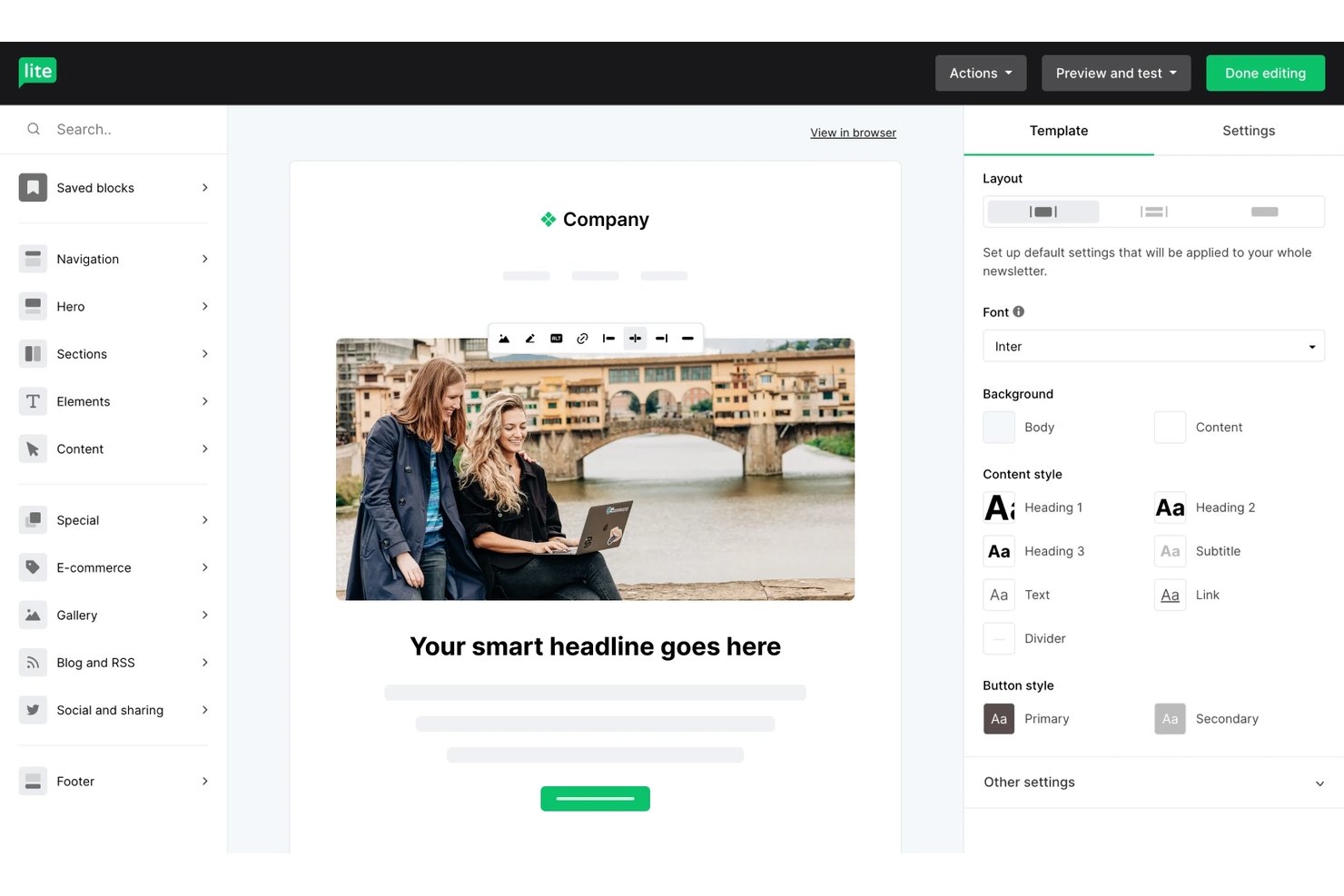
MailerLite is an email marketing platform built for small businesses, creators, and solopreneurs who want to run automated email campaigns, grow subscriber lists, and sell digital products without the complexity of enterprise-grade tools.
Who Is MailerLite Best For?
MailerLite suits early-stage businesses and independent creators who need to launch email campaigns and basic automations without a steep learning curve.
Why MailerLite Is a Good ActiveCampaign Alternative
I've included MailerLite in my top picks because its drag-and-drop editor, with over 70 content blocks, makes building polished email campaigns genuinely fast. I also appreciate the multivariate testing and campaign auto-resend features, which let you optimize send performance without navigating complex menus. The AI subject line generator adds real value when you're producing frequent sends and need to move quickly without sacrificing quality.
MailerLite Key Features
- Dynamic segmentation: Build and update subscriber segments based on behavior, engagement, and demographic data.
- E-commerce integrations: Connect with Shopify, WooCommerce, Stripe, and other commerce platforms for automated sales tracking.
- Custom landing pages: Create unlimited branded landing pages and websites with drag-and-drop or AI-assisted builders.
- Preference center: Allow subscribers to manage their interests and communication preferences through a branded portal.
MailerLite Integrations
MailerLite offers native integrations with Shopify, WooCommerce, Stripe, Zapier, WordPress, Squarespace, BigCommerce, and more, and provides an API for custom integrations.
Pros and Cons
Pros:
- Built-in landing page and website builder
- Automation workflows require no technical setup
- Clean, minimal campaign builder for quick sends
Cons:
- Dedicated IP is restricted to higher plans
- Multi-trigger automations require Power
Moosend
Best for dynamic email personalization
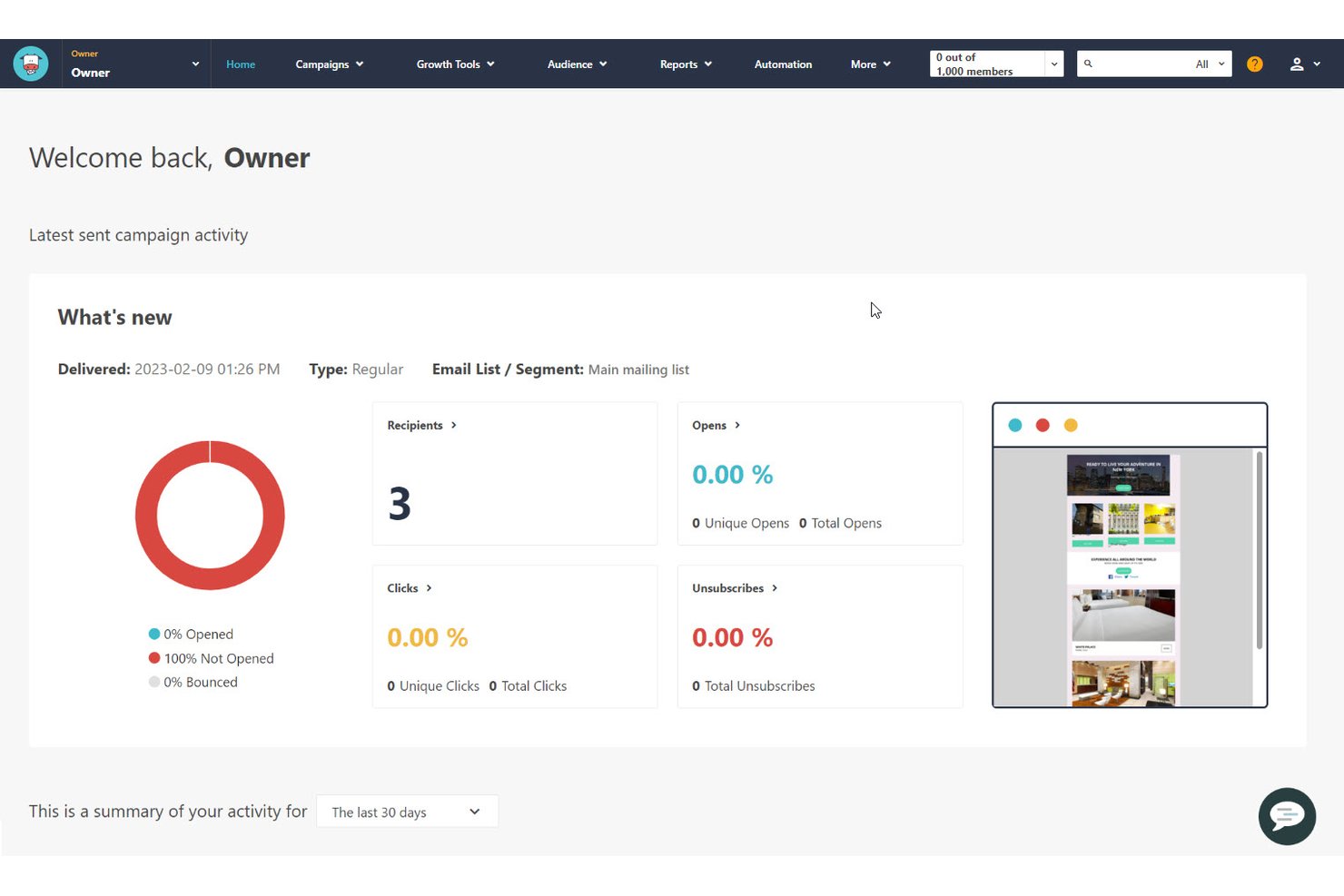
Moosend is an email marketing and automation platform built for SMBs and lifecycle marketers who need behavior-based personalization, automated workflows, and campaign analytics without paying ActiveCampaign-level prices.
Who Is Moosend Best For?
Moosend is a natural fit for small to mid-sized businesses that want marketing automation and email personalization without the cost or complexity of enterprise platforms.
Why Moosend Is a Good ActiveCampaign Alternative
I picked Moosend as one of the best because of how it handles dynamic email personalization at the content level. The conditional visibility feature lets me show or hide specific content blocks based on subscriber data, so a single email can read differently depending on who opens it. Paired with the AI-Engine product recommendations, I can pull personalized product suggestions into any campaign based on each contact's browse and purchase history automatically.
Moosend Key Features
- Drag-and-drop email builder: Create and edit emails quickly using a visual editor with access to 130+ ready-made templates.
- A/B testing: Test different subject lines or email content to identify what performs best with your audience.
- Real-time analytics dashboard: Track campaign performance, opens, clicks, and revenue results within an interactive dashboard.
- Landing page and form builder: Design custom landing pages and subscription forms using pre-built layouts and intuitive controls.
Moosend Integrations
Moosend offers native integrations with WooCommerce, and Google Analytics, and connects with Zapier. An API is available for custom integrations.
Pros and Cons
Pros:
- Automation builder includes goal tracking natively
- Built-in AI product recommendation engine
- Conditional content blocks per individual subscriber
Cons:
- Transactional emails require an add-on or Enterprise
- Complex automation branching is limited

Drip
Best for ecommerce CRM and automation
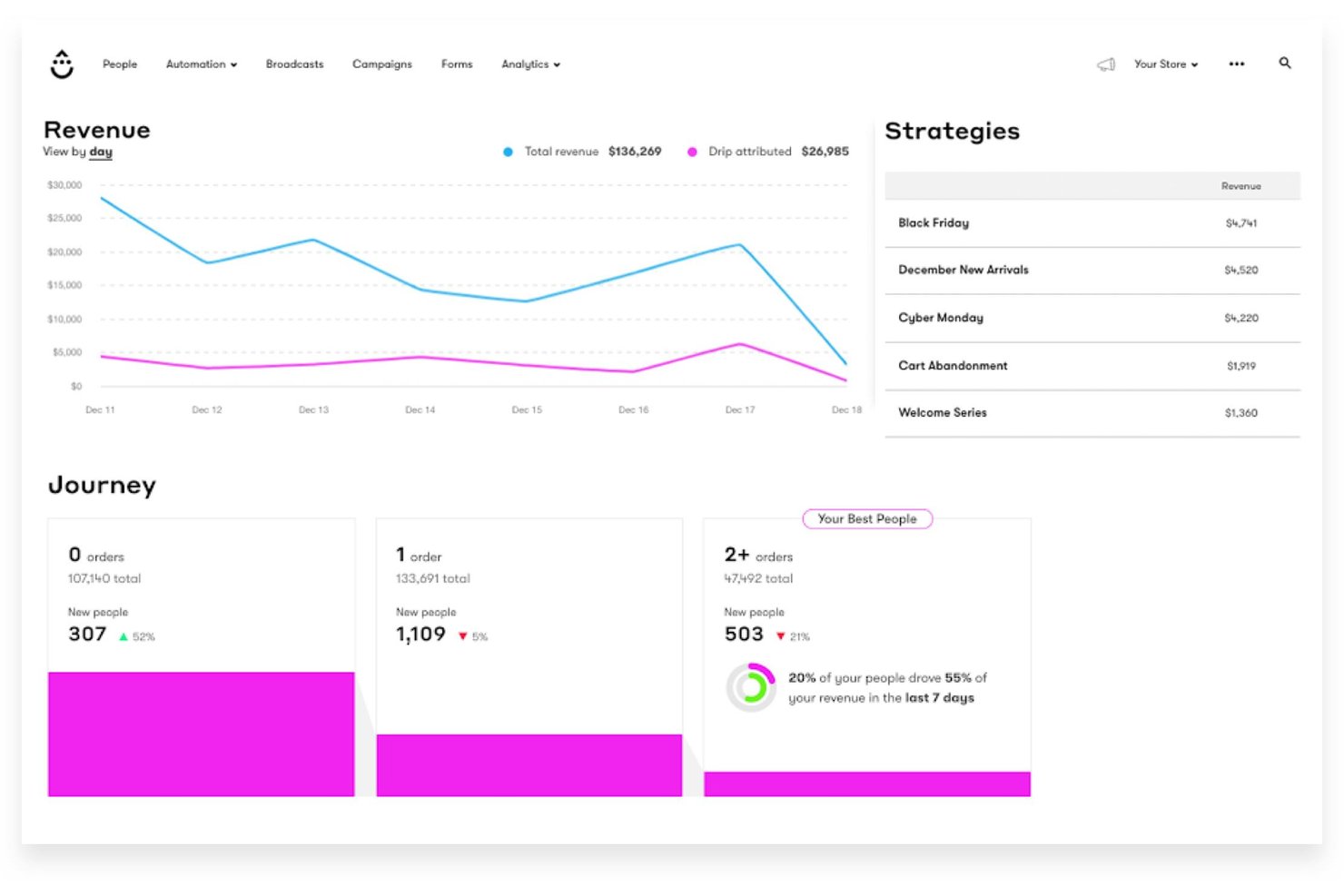
Drip is a marketing automation platform built for B2C ecommerce brands that need to turn purchase behavior, browsing data, and customer history into personalized email campaigns and automated lifecycle workflows.
Who Is Drip Best For?
Drip is a strong fit for small to mid-sized DTC brands and online retailers that want ecommerce-native automation without the complexity of an enterprise marketing suite.
Why Drip Is a Good ActiveCampaign Alternative
I picked Drip as one of the best because its ecommerce CRM and automation features are built around purchase data in a way ActiveCampaign simply isn't. I love that Revenue Per Recipient tracking is available on every plan, so I can see exactly which automations drive sales without upgrading. Drip's dynamic segments update in real time based on cart events, product views, and LTV, letting me target a "bought once, lapsed 60 days" segment with a win-back flow without any manual list management.
Drip Key Features
- Onsite campaigns: Design pop-ups, slide-ins, and embedded forms to capture leads and trigger targeted messaging.
- Open API access: Connect Drip to your website, shopping cart, or third-party tools for custom data sync and automation.
- A/B testing for emails: Test subject lines, content, and timing to optimize campaign performance with actionable results.
- Ecommerce integrations: One-click connections for Shopify, WooCommerce, BigCommerce, and Magento to sync orders, products, and customers.
Drip Integrations
Drip offers native integrations with Shopify, WooCommerce, BigCommerce, and Typeform. It connects with Zapier and provides an API for custom integrations.
Pros and Cons
Pros:
- Visual workflow builder requires no coding
- Real-time dynamic segments update automatically
- Ecommerce-native revenue tracking built in
Cons:
- Reporting lacks advanced attribution options
- No native SMS sending capability
Best for visual workflow building
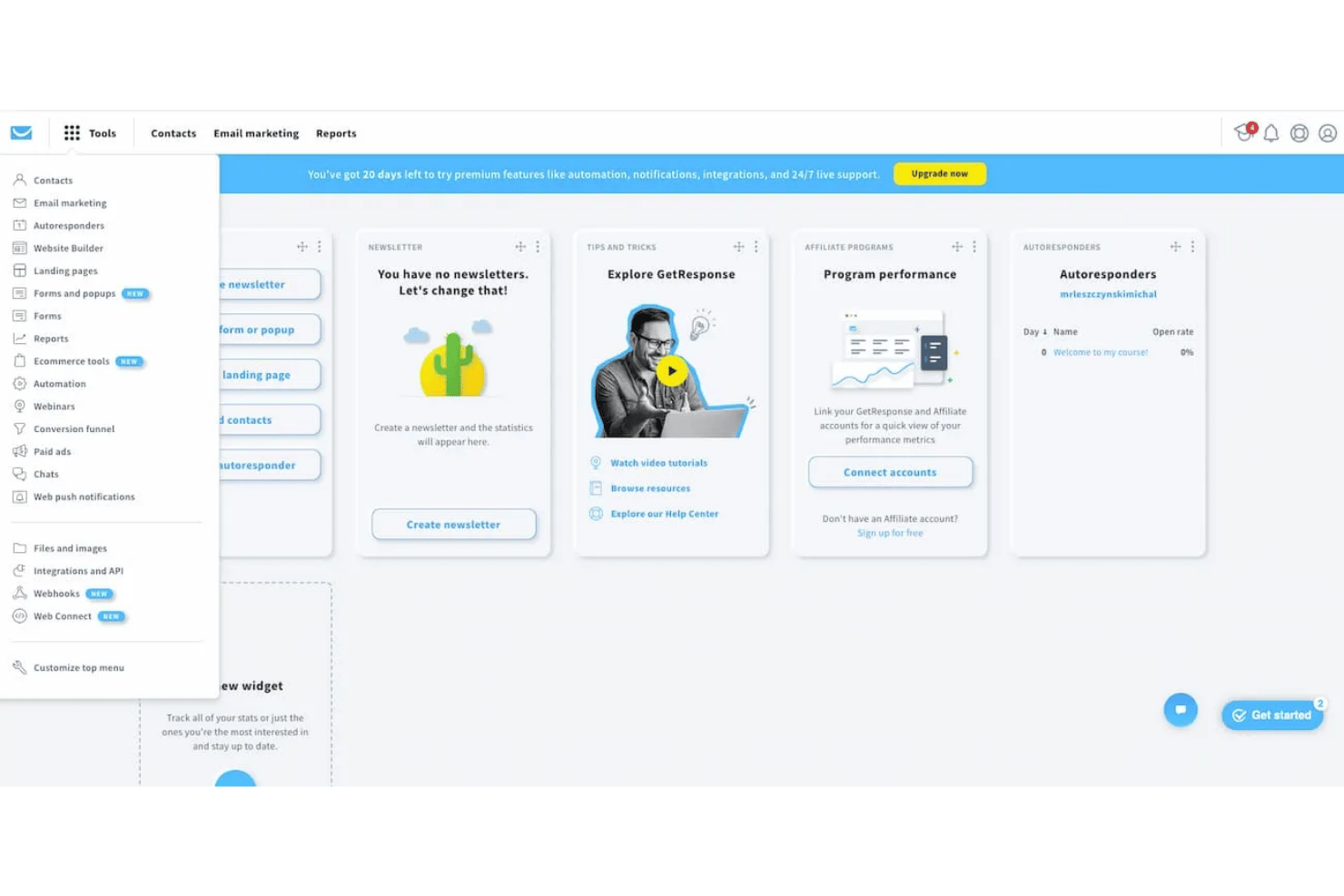
GetResponse is an email and marketing automation platform built for ecommerce brands and lifecycle marketers who need multi-channel campaign tools — including email, SMS, web push, and funnels — without the complexity or escalating costs of enterprise-tier alternatives.
Who Is GetResponse Best For?
GetResponse is a strong fit for small to mid-size ecommerce teams and content creators who want email, automation, and funnels in a single platform.
Why GetResponse Is a Good ActiveCampaign Alternative
I picked GetResponse as one of the best because its visual workflow builder lets me map out automation sequences with conditional logic and multi-branch triggers in a drag-and-drop canvas. I can see the entire customer journey at once and adjust logic without rebuilding sequences from scratch. The built-in abandoned cart and post-purchase triggers are especially useful for ecommerce automation I'd otherwise need multiple tools to replicate.
GetResponse Key Features
- AI-powered campaign generator: Instantly creates personalized emails and campaigns based on your goals and audience data.
- Ecommerce integrations: Direct connections with Shopify, WooCommerce, Magento, and BigCommerce for tracking purchases and triggering automations.
- Webinar hosting: Built-in webinar functionality lets you nurture leads and customers directly from the platform.
- Segmentation and tagging: Dynamic audience segmentation using behavioral data, custom fields, tags, and engagement triggers.
GetResponse Integrations
GetResponse offers native integration with including Shopify, WooCommerce, PayPal, Stripe, Salesforce, Zapier, and has an API for custom integrations.
Pros and Cons
Pros:
- Ecommerce automation triggers work out of the box
- Visual workflow builder with multi-branch logic
- Built-in webinar hosting for lead nurturing
Cons:
- Reporting lacks advanced attribution and revenue tracking
- CRM features are basic for sales teams
Omnisend
Best for integrated SMS and email journeys
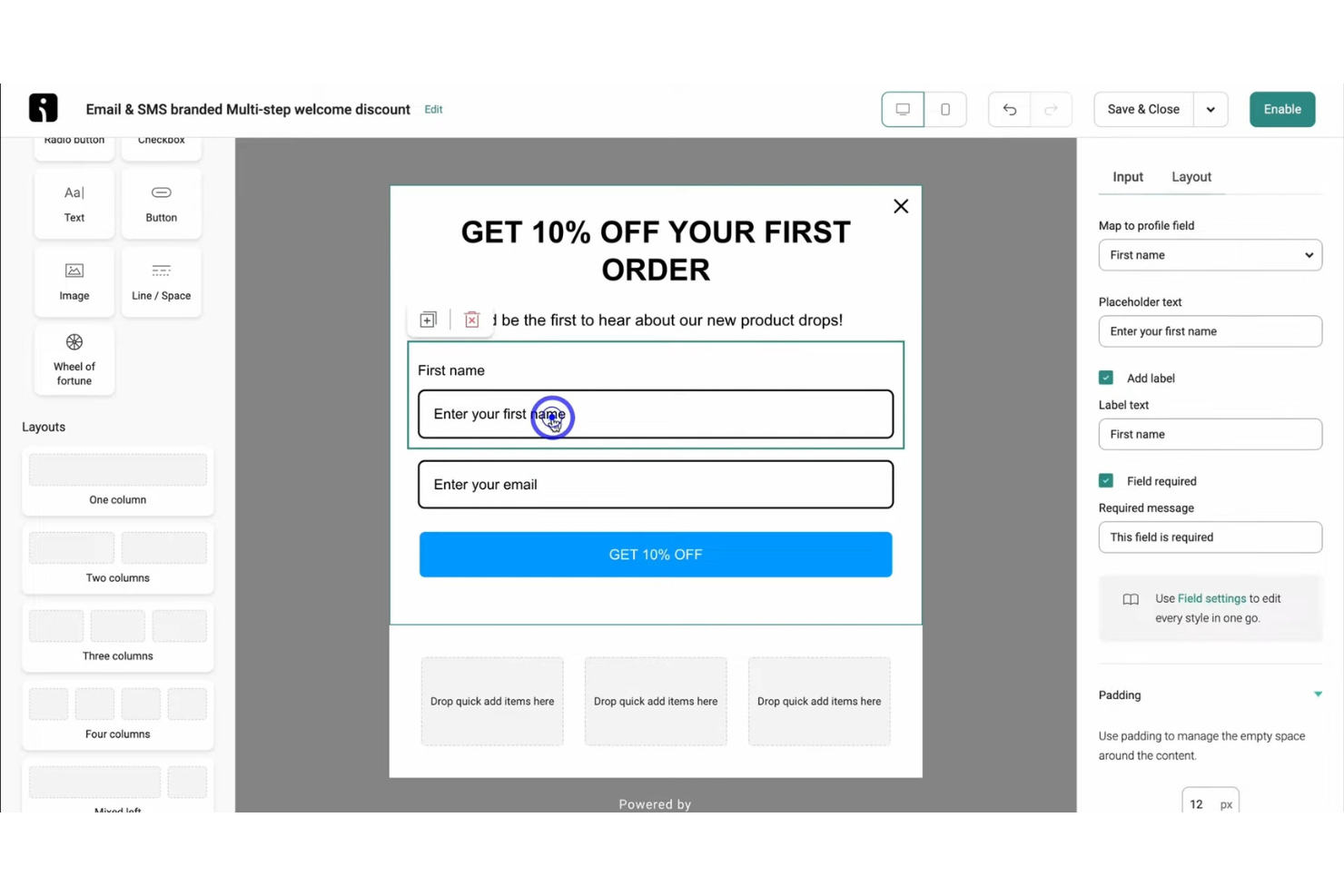
Omnisend is an ecommerce marketing automation platform that lets you build email, SMS, and push notification campaigns in one place — a natural fit for online retailers who want to run behavioral lifecycle marketing without paying for CRM features they don't need.
Who Is Omnisend Best For?
It's a strong fit for small to mid-sized ecommerce teams running on Shopify, WooCommerce, or BigCommerce who need multichannel marketing automation without enterprise-level complexity or cost.
Why Omnisend Is a Good ActiveCampaign Alternative
I picked Omnisend as one of the best because SMS and email live inside the same workflow builder, letting me build an abandoned cart sequence that moves from email to SMS without managing separate audiences. The Campaign Booster auto-resends to non-openers with a different subject line, squeezing more revenue from a single send. Pre-built post-purchase and browse abandonment flows already include SMS steps by default, so cross-channel journeys are faster to launch than on ActiveCampaign.
Omnisend Key Features
- AI segment builder: Create dynamic audience segments using plain-language prompts and behavioral data.
- Forms AI assistant: Build and launch signup forms with AI-generated copy and visual layouts.
- Customer lifecycle stages: Automatically group contacts into actionable lifecycle and engagement buckets for tailored automations.
- Facebook and Google ad audience sync: Push email segments directly into ad platforms to coordinate messaging across channels.
Omnisend Integrations
Omnisend offers native integrations with Shopify, BigCommerce, WooCommerce, Wix, and more, plus Facebook Ads, Google Ads, and Zapier. An API is available for custom integrations.
Pros and Cons
Pros:
- Revenue attribution tracked per campaign send
- Pre-built ecommerce automation flows included
- SMS and email share one workflow builder
Cons:
- SMS sending limited to select countries
- No built-in CRM or pipeline tracking
New Product Updates from Omnisend

Omnisend Adds Claude Connector and Updates MCP Features
Omnisend adds a Claude Connector, improved on-brand email templates, and granular MCP permissions. These updates make it easier to work with Omnisend data through AI tools while providing more control over data access. For more information, visit Omnisend’s official site.
 .
.
Braze
Best for advanced cross-channel personalization
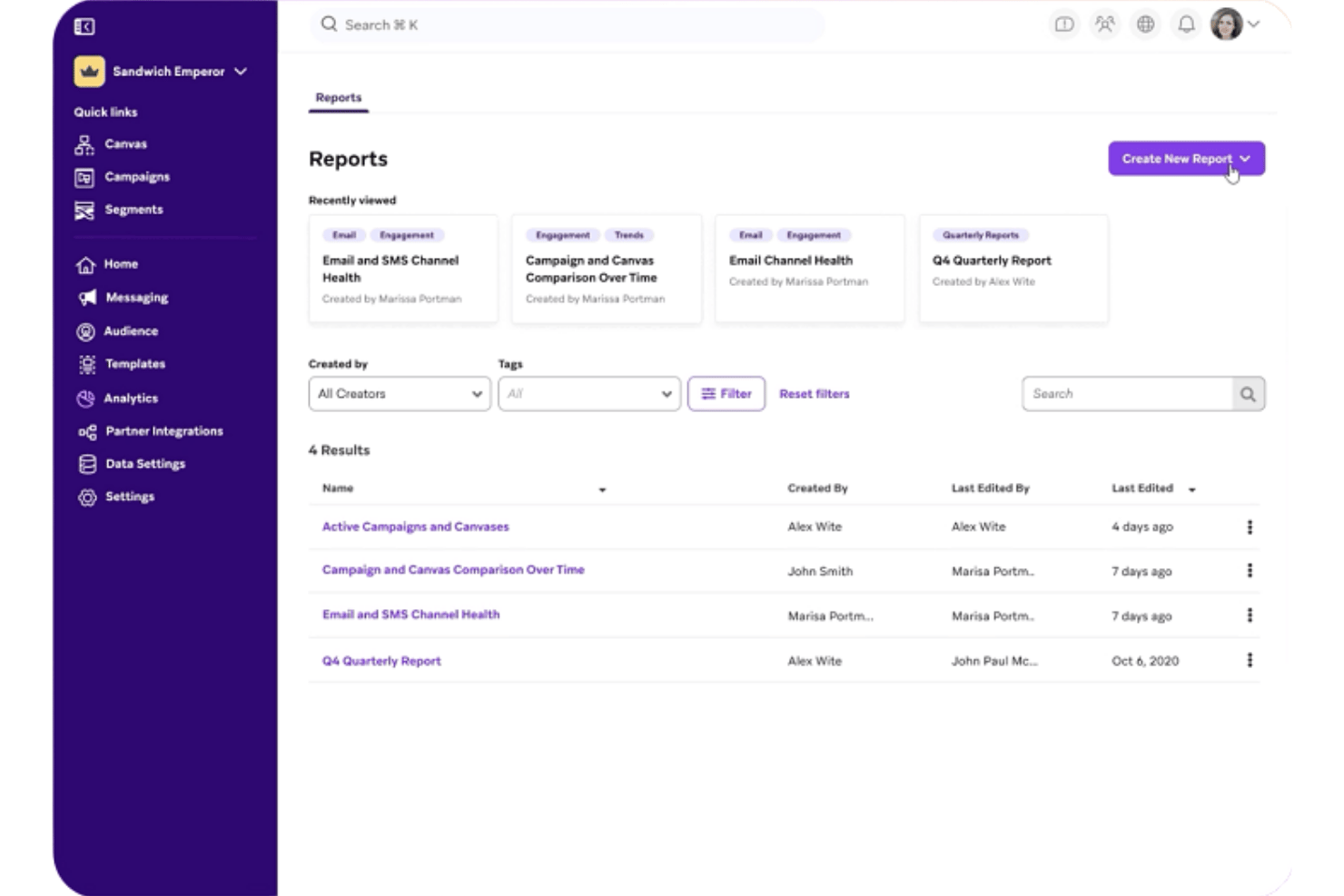
Braze is a customer engagement platform built for mid-market and enterprise B2C teams that need to orchestrate personalized messaging across email, SMS, push, in-app, and WhatsApp from a single system.
Who Is Braze Best For?
Braze is a strong fit for B2C brands in retail, media, fintech, and gaming that have engineering resources to support a technically capable marketing stack.
Why Braze Is a Good ActiveCampaign Alternative
I've included Braze in my top picks because its cross-channel personalization goes well beyond what ActiveCampaign can offer. Canvas lets you build multi-branch journeys that adapt in real time across email, SMS, push, WhatsApp, and in-app messaging from one place. BrazeAI Decisioning Studio then handles 1:1 content selection at scale, while Intelligent Timing automatically determines the optimal send window for each individual user.
Braze Key Features
- Real-time event tracking: Capture and act on user actions across apps, sites, and CRM for timely, relevant messaging.
- Comprehensive data platform: Unify, activate, and distribute customer data from multiple sources within Braze for accurate targeting.
- Template and asset library: Store, manage, and quickly reuse creative assets and message templates across campaigns.
- Braze Alloys partner marketplace: Connect with dozens of pre-built integrations for analytics, advertising, ecommerce, and more.
Braze Integrations
Braze offers native integrations with Shopify, mParticle, Segment, Snowflake, Amplitude, Mixpanel, Google Ads, Facebook Ads, OneTrust, and more. An API is available for custom integrations.
Pros and Cons
Pros:
- BrazeAI personalizes content at individual scale
- Canvas Flow handles complex multi-branch journeys
- Real-time data triggers across all channels
Cons:
- Not suited for small marketing teams
- Requires developer support for full setup

Klaviyo
Best for ecommerce audience segmentation
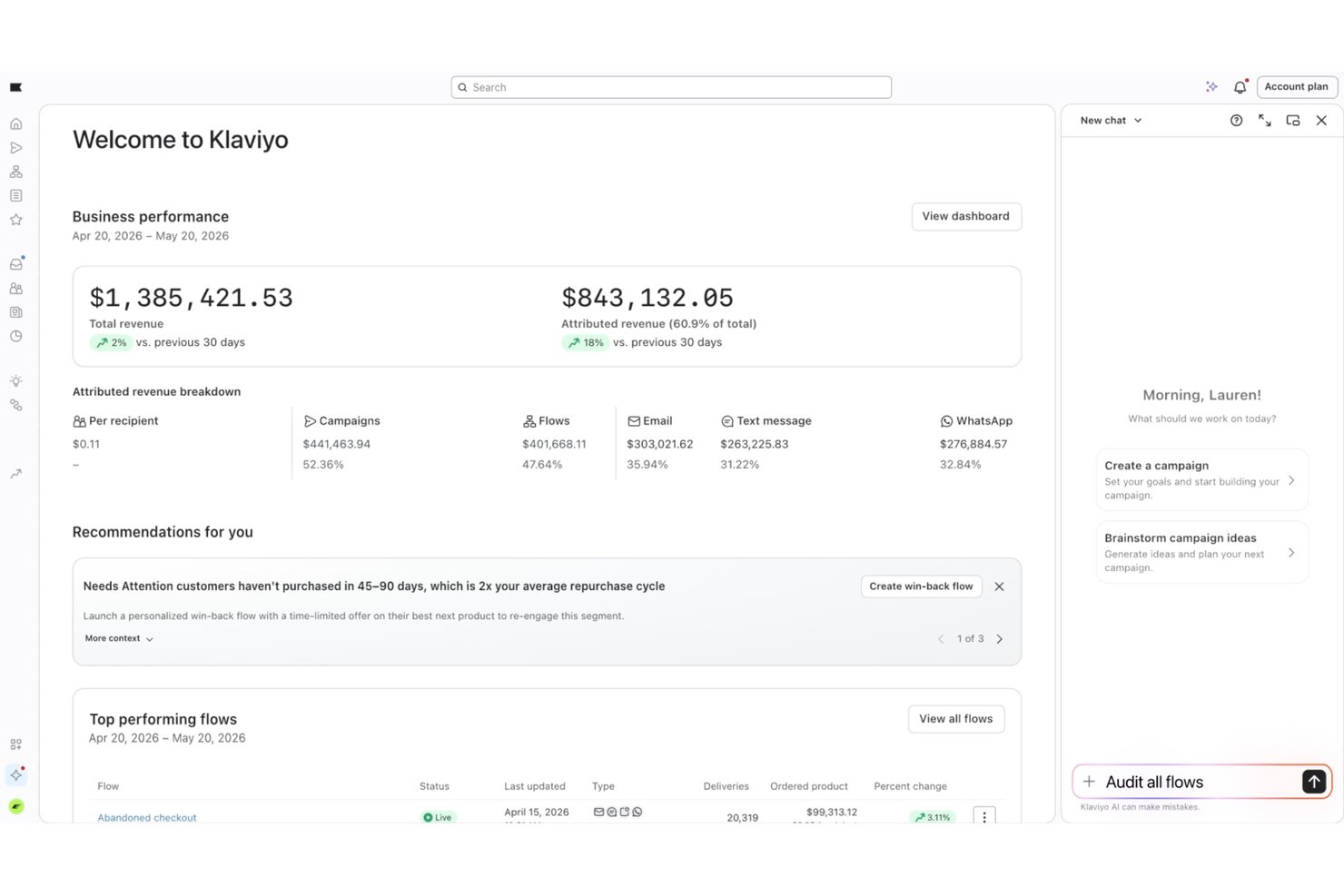
Klaviyo is an ecommerce marketing platform built for B2C brands that need to turn customer behavior and purchase data into targeted email, SMS, and multi-channel campaigns that drive repeat revenue.
Who Is Klaviyo Best For?
Klaviyo is a natural fit for lifecycle marketing managers and ecommerce operators running mid-market to enterprise DTC brands on Shopify or WooCommerce.
Why Klaviyo Is a Good ActiveCampaign Alternative
I picked Klaviyo because its segmentation engine is in a different league for ecommerce. It builds dynamic segments from over 350 behavioral attributes, including predicted CLV, RFM scores, and expected next order date pulled directly from Shopify in real time. That means I can target "high-value customers who haven't purchased in 60 days" as a live, self-updating segment, not a manual export.
Klaviyo Key Features
- Visual automation builder: Design multi-channel customer journeys using a drag-and-drop workflow canvas with event-based triggers.
- Integrated helpdesk: Manage customer service messages, order tracking, and ticket workflows from a shared inbox.
- Reporting and attribution analytics: Track campaign results, revenue attribution, and predictive analytics with customizable dashboards.
- Advanced deliverability tools: Access built-in deliverability checks, spam testing, and authentication support for improved inbox placement.
Klaviyo Integrations
Klaviyo offers native integrations with Shopify, WooCommerce, BigCommerce, Salesforce Commerce Cloud, Recharge, Facebook Ads, Google Ads, Zendesk, and Stripe. It also connects with Zapier and provides an API for custom integrations.
Pros and Cons
Pros:
- Unified SMS and email automation workflows
- Predictive CLV scoring built into the platform
- Deep behavioral segmentation for ecommerce audiences
Cons:
- Limited fit for B2B or service businesses
- No native CRM or pipeline management

Best for unified marketing and sales automation
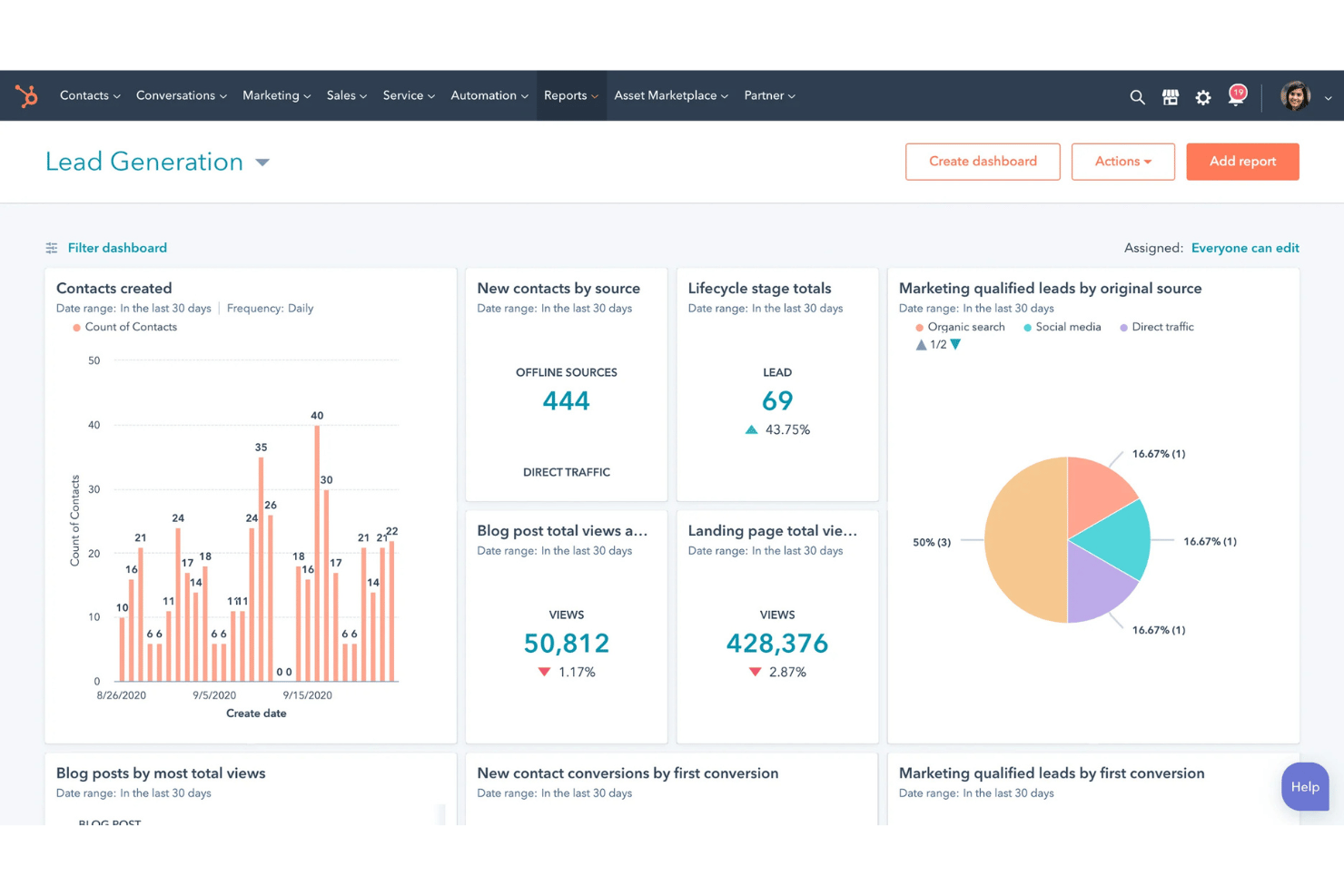
HubSpot Marketing Hub is a marketing automation platform built on a native CRM, making it a natural fit for lifecycle marketing managers and CX teams who need email, segmentation, and sales workflows connected in one place rather than stitched together.
Who Is HubSpot Marketing Hub Best For?
It's a strong fit for mid-sized B2B companies that need marketing and sales teams working from the same contact data without managing separate platforms.
Why HubSpot Marketing Hub Is a Good ActiveCampaign Alternative
I picked HubSpot Marketing Hub because the Smart CRM sits at the center of every workflow, meaning my marketing automation and sales pipelines share the same contact data without any syncing required. I use Journey Analytics to trace which touchpoints convert leads into customers, and Advanced Marketing Reporting ties campaign performance directly to revenue attribution. That's the kind of unified visibility ActiveCampaign doesn't offer natively.
HubSpot Marketing Hub Key Features
- AI-powered content assistant: Generates campaign copy, subject lines, and message variations with GPT-driven AI.
- Unified social media inbox: Lets you manage conversations across Facebook, Instagram, LinkedIn, and X in one place.
- Ad campaign management: Launch and track ads on Google, Meta, LinkedIn, and TikTok directly from your dashboard.
- Advanced marketing reporting: Provides dashboards for tracking attribution, customer journeys, and ROI across all channels.
HubSpot Marketing Hub Integrations
HubSpot Marketing Hub offers native integrations with Salesforce, Shopify, Google Ads, Facebook Ads, Slack, Zoom, Eventbrite, WordPress, Microsoft 365, and LinkedIn. It also connects with Zapier and provides an API for custom integrations.
Pros and Cons
Pros:
- AI generates email copy and subject lines
- Journey analytics traces full customer attribution
- Native CRM unifies sales and marketing data
Cons:
- Reporting dashboards require significant configuration
- Complex setup for non-technical marketers

Iterable
Best for multi-channel journey orchestration
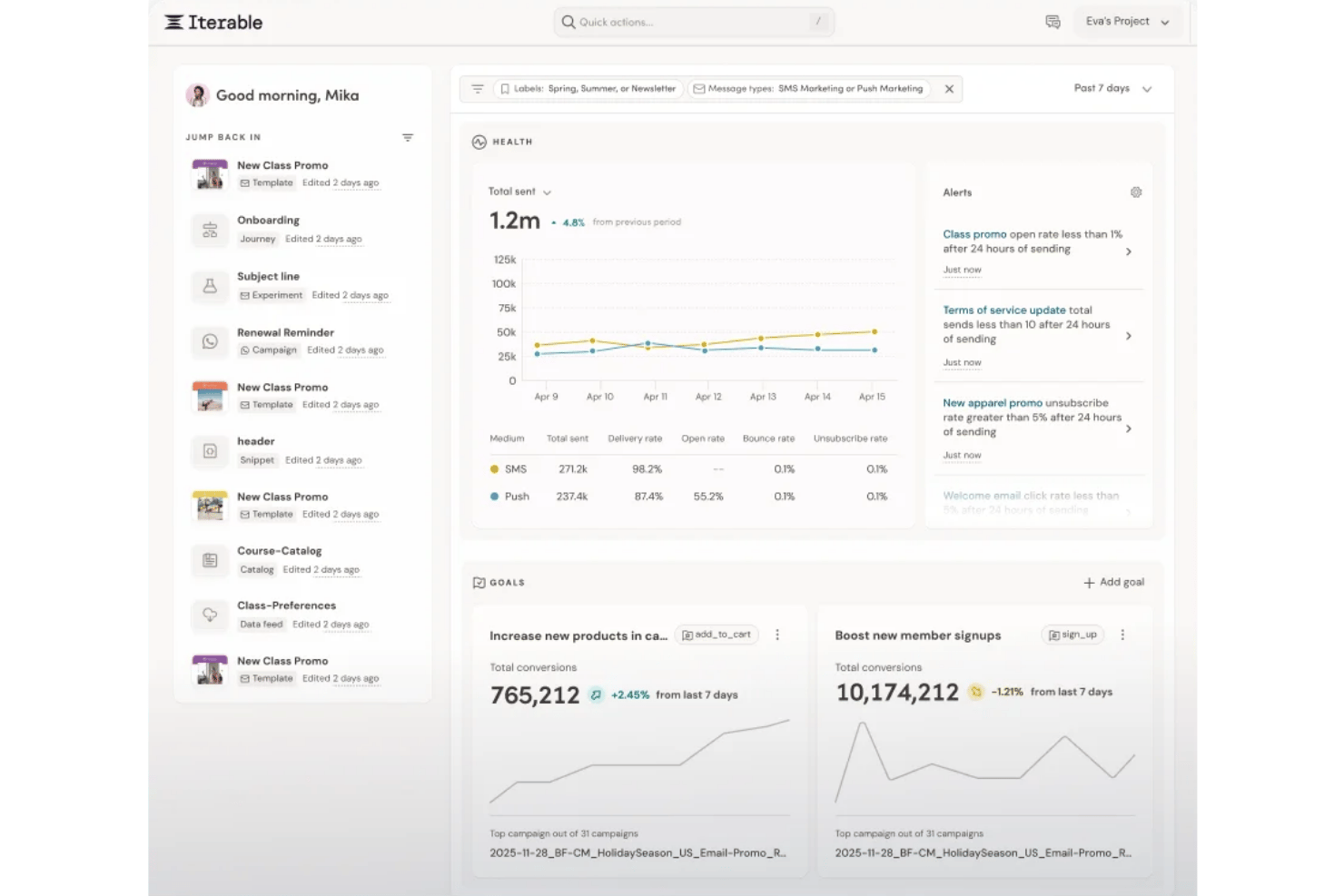
Iterable is an AI-powered customer engagement platform built for lifecycle marketing and ecommerce teams that need to coordinate email, SMS, push, and in-app messaging without stitching together separate tools.
Who Is Iterable Best For?
Iterable is a strong fit for mid-market and enterprise marketing teams that run high-volume, multi-channel campaigns and need more scale than a small-business automation tool can handle.
Why Iterable Is a Good ActiveCampaign Alternative
I picked Iterable as one of the best because its cross-channel journey orchestration goes well beyond what ActiveCampaign offers. I can build unified workflows across email, SMS, push, in-app, and web push from a single canvas, with Nova Decisioning selecting the next-best action for each user in real time. That means a cart abandonment sequence isn't just an email series, it's a coordinated trigger across every channel a customer actually uses.
Iterable Key Features
- Real-time audience sync: Syncs marketing lists with platforms like Facebook, Google, and leading ecommerce stacks.
- Cloud data warehouse integration: Connects directly to platforms like Snowflake and BigQuery for unified data activation.
- API and webhook connectivity: Allows custom integrations and automation with any app via robust API endpoints.
- Event-triggered messaging: Sends messages or campaigns immediately based on customer behaviors or site actions.
Iterable Integrations
Iterable offers native integrations with Shopify, Segment, Snowflake, BigQuery, Facebook, and Google Ads. An API is available for custom integrations.
Pros and Cons
Pros:
- Deep data warehouse connectivity for large-scale personalization
- Nova AI adapts messaging to individual user behavior
- Cross-channel journeys built without developer involvement
Cons:
- Out-of-box reporting lacks deeper campaign insights
- Conversion tracking can be inconsistent across reports

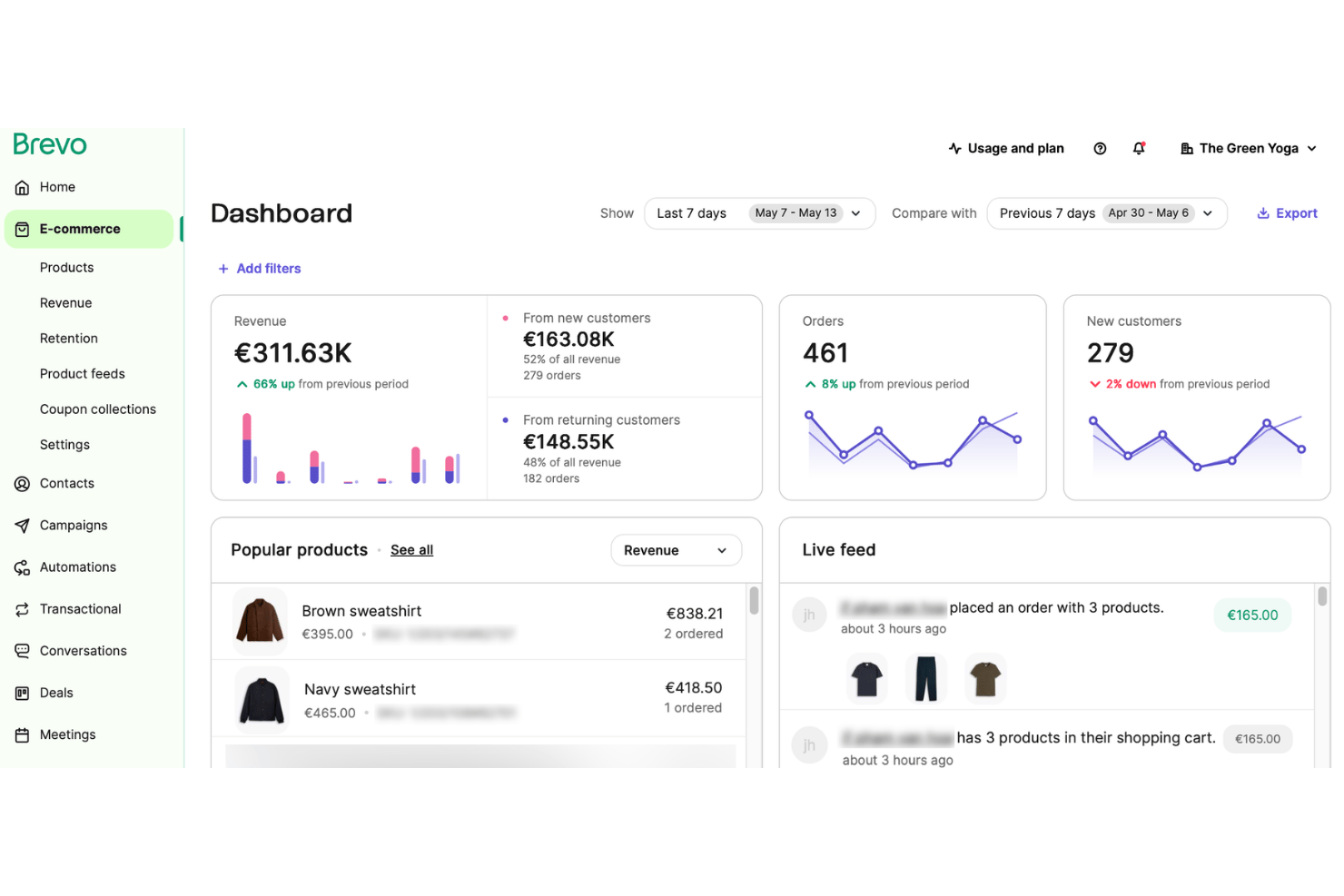
Brevo is a multi-channel marketing platform built for ecommerce and lifecycle marketing teams who need email, SMS, WhatsApp, and CRM capabilities without paying per-contact pricing.
Who Is Brevo Best For?
Brevo suits small to mid-sized businesses that send high email volumes and need multi-channel reach without contact-based pricing inflating their costs.
Why Brevo Is a Good ActiveCampaign Alternative
I've included Brevo in my top picks because its workflow builder coordinates email, SMS, WhatsApp, and web push in a single automation sequence, without needing separate tools per channel. I particularly like the Aura Marketing Agent, which auto-segments audiences and optimizes send times across those channels simultaneously. When my team needs to trigger a WhatsApp follow-up after an abandoned cart email, Brevo handles that natively in one flow.
Brevo Key Features
- Drag-and-drop email editor: Create visually engaging email campaigns without coding using a user-friendly design interface.
- Basic CRM with deal management: Track sales opportunities, manage pipelines, and automate sales-related follow-ups in one place.
- Pre-built automation workflows: Launch multi-step campaigns fast with templates designed for different lifecycle and engagement scenarios.
- Marketplace integrations: Connect to Shopify, WooCommerce, BigCommerce, Zapier, and other platforms to sync contacts and automate marketing actions.
Brevo Integrations
Brevo offers native integrations with Shopify, WooCommerce, Salesforce, PrestaShop, WordPress, and Facebook. It also connects with Zapier and provides an API for custom integrations.
Pros and Cons
Pros:
- Aura AI available on free and paid tiers
- Transactional email included on every plan
- Volume-based pricing, not per-contact billing
Cons:
- No in-house migration team for switchers
- No split-testing of full automation paths
Other ActiveCampaign Alternatives
Here are some additional ActiveCampaign alternatives options that didn’t make it onto my shortlist, but are still worth checking out:
- Mailchimp
For intuitive campaign creation
- Customer.io
For behavior-based automation workflows
- Ortto
For real-time audience insights
- Constant Contact
For event-driven email campaigns
- EngageBay
For all-in-one sales and marketing suite
- Bloomreach
For ecommerce personalization at scale
- Zoho Marketing Automation
For native CRM and automation integration
- Marketo Engage
For enterprise-level lead management
- Marketing Cloud Next
For AI-driven customer journey orchestration
- Sendlane
For advanced email deliverability tools


How I Evaluate ActiveCampaign Alternatives
I split evaluation into core functionality—what every ActiveCampaign alternative must have—and differentiators that set tools apart. I look at workflow depth, segmentation, and CRM fit as baselines, then consider deliverability and pricing.
Core Functionality (Table Stakes For This List)
When I'm selecting tools for my list, I rank each one on a scale from 0 (does not offer the functionality) to 5 (excels in this area) for each core functionality listed below. Then, I calculate the tool's total score into a percentage. Each tool needs to achieve a minimum total score of 75% to be considered for inclusion.
- Email Marketing: I look for a drag-and-drop editor, reusable templates, and A/B testing so teams can launch triggered campaigns like cart abandonment emails quickly.
- Marketing Automation: Visual workflow builders matter here—I evaluate whether the platform supports conditional branching, split paths, and event-based triggers.
- Contact Segmentation: Dynamic segments based on behavior and engagement data are key. I check whether you can filter by purchase history, site visits, or tag combinations.
- CRM Capabilities: Deal tracking and pipeline views should connect directly to marketing workflows, so a sales rep sees the same contact journey a marketer built.
- Multi-Channel Messaging: At least one channel beyond email—like SMS or push notifications—should be available and usable inside automation workflows, not bolted on separately.
- Reporting & Analytics: I evaluate whether the platform offers campaign and automation-level reporting with dashboards that tie engagement metrics back to revenue or conversion goals.
Once I have a list of tools that meet the criteria, I consider what sets each platform apart.
Differentiating Factors (What Sets Vendors Apart)
Here's how I compare and contrast different vendors:
Standout Features
Predictive sending and AI-driven optimization can make a real difference—I look for platforms that adjust send times per contact automatically, rather than requiring your team to run manual A/B tests for every campaign. Deep segmentation with custom fields and event tracking is another area I evaluate closely, since a winback flow based on purchase recency works only if the platform can layer behavioral data with tag-based filters. I also consider how well each tool handles multi-channel messaging natively within its automation builder, because managing SMS and email in separate systems creates gaps in the customer journey.
Beyond Features
Deliverability is a big one—I check whether platforms offer dedicated IP options and built-in tools for SPF, DKIM, and DMARC setup, since poor inbox placement undermines even the best automation. Pricing structure matters too, especially how costs scale as your contact list grows. Some vendors cap sending volume at lower tiers, which catches teams off guard. I also evaluate migration support, because rebuilding dozens of automations from scratch when switching from ActiveCampaign slows down your transition significantly.
Why Look For An ActiveCampaign Alternative?
While ActiveCampaign is a good choice of customer intelligence platform, there are a number of reasons why some users seek out alternative solutions. You might be looking for an ActiveCampaign alternative because…
- Needing better omnichannel capabilities for SMS, push, or in-app messaging
- Outgrowing ActiveCampaign’s CRM and lead generation features
- Wanting more dynamic content for personalized customer experiences
- Struggling with deliverability or inbox placement rates
- Looking for deeper ecommerce or native integrations
- Requiring more robust onboarding, training, or migration support
If any of these sound like you, you’ve come to the right place. My list contains several customer intelligence platform options that are better suited for teams facing these challenges with ActiveCampaign and looking for alternative solutions.
ActiveCampaign Key Features
Here are some of the key features of ActiveCampaign, to help you contrast and compare what alternative solutions offer:
- Email marketing: Design newsletters or triggered messages using a drag-and-drop editor with robust template options.
- Marketing automation: Build multi-step workflows that automate sequences across email, SMS, and site messaging based on triggers and conditions.
- Contact segmentation: Group contacts dynamically by behaviors, demographics, tags, or engagement to target your campaigns more precisely.
- CRM integration: Manage leads and deals in a unified system that links marketing activities with sales pipeline tracking.
- Site and event tracking: Capture web visit activity, form submissions, purchases, and other events to power real-time personalization.
- Lead scoring: Assign scores to contacts based on their actions and profile data to prioritize follow-up and sales outreach.
- A/B testing: Test multiple subject lines or email content variations to optimize for higher open and conversion rates.
- Multi-channel messaging: Send SMS, in-app, or site messages alongside email from a single platform for truly integrated campaigns.
- Reporting and analytics: Track campaign performance, automation outcomes, attribution, and conversion metrics in customizable dashboards.
- Integrations: Connect with ecommerce, webinar, CRM, and other apps to unify customer data and automate processes across your stack.