

Die 10 besten Plattformen für Kundeninteraktion im Test für 2026

10 Liste der besten Plattformen für Kundenbindung


Plattformen für Kundenbindung helfen Ihnen dabei, konsistente und personalisierte Interaktionen über die gesamte Kundenreise hinweg aufzubauen. Die besten Plattformen können Ihnen dabei helfen, die Kundenbindung zu steigern, die Kommunikation zu optimieren und Interaktionen in eine proaktive Strategie zu verwandeln.
Wenn Ihr Team mehrere Systeme gleichzeitig verwalten muss oder Ihre Kunden zwischen den Kanälen verloren gehen, sind Sie nicht allein. Bei Kundenbindung geht es nicht nur um die Menge—entscheidend sind der richtige Zeitpunkt, der Kontext und die Fähigkeit, im jeweiligen Moment zu handeln.
Ich habe die besten Plattformen für Kundenbindung geprüft, damit Sie eine Lösung finden, die zu Ihrem CX-Ökosystem passt, mit Ihren Anforderungen skaliert und Ihrem Team hilft, Loyalität zu fördern und bedeutungsvolle Verbindungen zu schaffen.
Warum Sie unseren Software-Empfehlungen vertrauen können
Unser Team testet und bewertet Software seit 2012. Als CX-Führungskräfte selbst wissen wir, wie schwierig – und wichtig – es ist, die richtige Software auszuwählen.
Für diesen Leitfaden haben wir Tools mithilfe von praktischen Tests und unabhängiger Recherche bewertet und dabei unsere Bewertungskriterien angewendet.
Unsere Bewertungen spiegeln unser menschliches redaktionelles Urteilsvermögen wider, keine Verkaufsstrategie.
Zusammenfassungstabelle der besten Plattformen für Kundenbindung
| Tool | Best For | Trial Info | Price | ||
|---|---|---|---|---|---|
| 1 | Am besten für eine 360-Grad-Kundensicht | Kostenlose Demo verfügbar | Ab $40/Monat (5 Benutzer) | Website | |
| 2 | Am besten für die Verwaltung von Kundenservice-Tickets und NPS-Umfragen geeignet | 14-tägige kostenlose Testversion, kostenloser Tarif und kostenlose Demo verfügbar | Preis auf Anfrage | Website | |
| 3 | Am besten geeignet für umsetzbare Erkenntnisse zur Kundenbindung | Kostenlose Demo verfügbar | Preise auf Anfrage | Website | |
| 4 | Am besten geeignet für KI-gestützte Support-Interaktionen | 7-tägige kostenlose Testversion + kostenloser Tarif verfügbar | Ab $24.17/Monat (jährlich abgerechnet) | Website | |
| 5 | Am besten geeignet zur Steigerung der Nutzeraktivierungsraten | Kostenlose 14-Tage-Testversion + kostenlose Demo verfügbar | Ab $174/Monat (jährlich abgerechnet) | Website | |
| 6 | Am besten für eine granulare Zielgruppensegmentierung geeignet | Kostenlose Demo verfügbar | Preise auf Anfrage | Website | |
| 7 | Am besten für die globale Verteilung von Prämien | Kostenloser Tarif + kostenlose Demo verfügbar | Kostenlos nutzbar + 3% Gebühr für Kreditkartenzahlungen | Website | |
| 8 | Am besten geeignet für einheitlichen Omnichannel-Kundenservice | 90-tägige kostenlose Testversion | Ab $249/Nutzer/Monat (jährliche Abrechnung) | Website | |
| 9 | Am besten für spielerische Kundenbindung | Kostenlose 14-Tage-Testversion verfügbar | Preis auf Anfrage | Website | |
| 10 | Am besten für einfache Bedienung | Kostenloser Tarif + 30-tägige kostenlose Testversion + kostenlose Demo verfügbar | Preis auf Anfrage | Website |


Übersichten der 20 besten Plattformen für Kundenbindung
Hier finden Sie eine kurze Beschreibung jeder Software für Kundenbindung, die den besten Anwendungsfall jedes Werkzeugs, einige bemerkenswerte Funktionen und Screenshots zur Vorschau auf die Benutzeroberfläche vorstellt.

Am besten für eine 360-Grad-Kundensicht
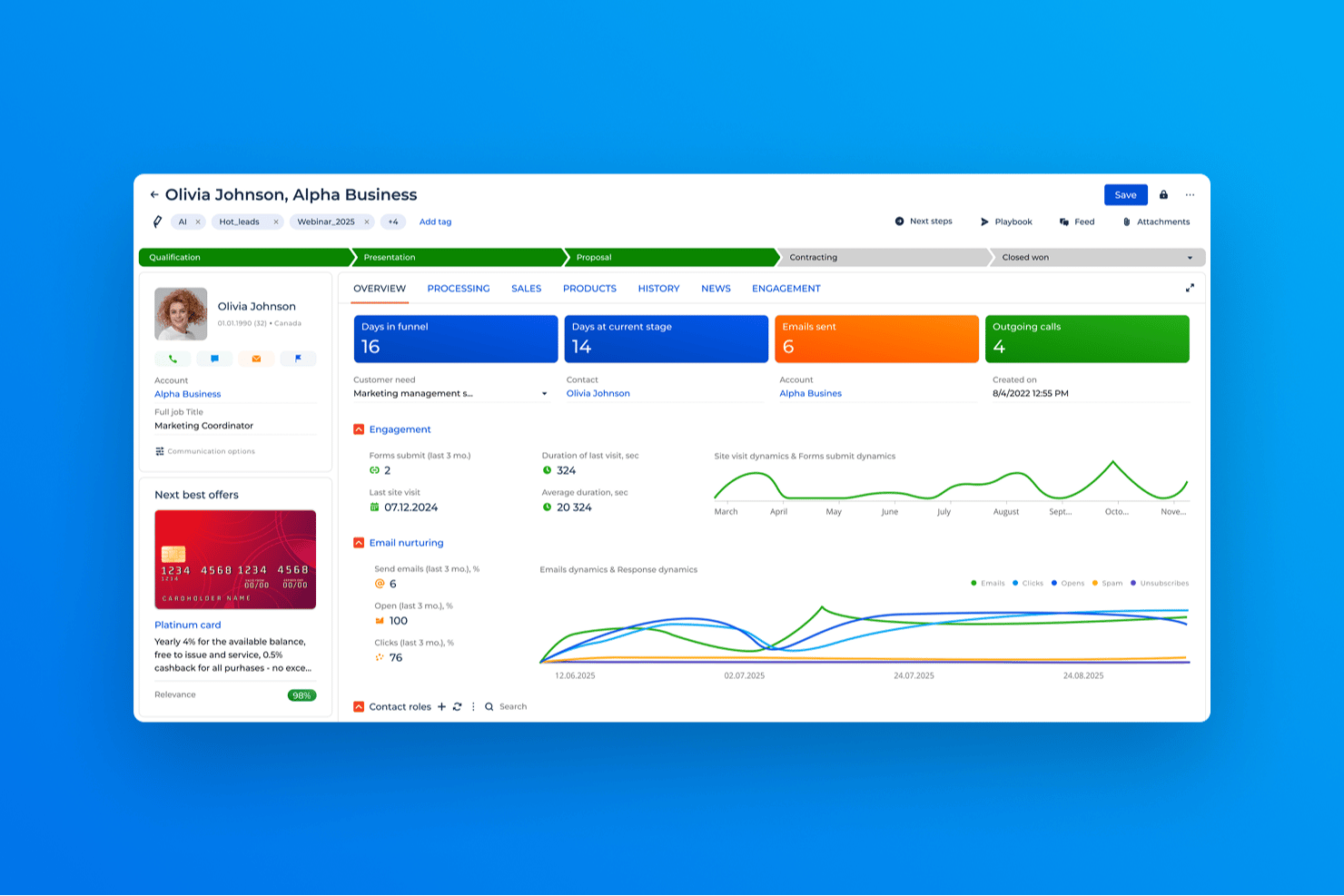
Creatio CRM ist eine No-Code-Plattform für Kundenbindung, die Vertriebs-, Marketing- und Serviceabläufe mit Omnichannel-Journey-Orchestrierung, KI-gestützter Automatisierung und zentralem Kundenmanagement über den gesamten Kundenlebenszyklus hinweg vereint.
Für wen eignet sich Creatio CRM am besten?
Creatio CRM eignet sich für mittelständische und große Teams in den Bereichen Finanzen, Telekommunikation, Einzelhandel und Gesundheitswesen, die ein umfassend anpassbares, einheitliches CRM für Vertrieb, Marketing und Service benötigen.
Warum ich mich für Creatio CRM entschieden habe
Ich habe Creatio CRM als eine der besten Lösungen ausgewählt, weil die 360-Grad-Kundensicht tatsächlich jede Interaktion zusammenführt – von Reaktionen auf Marketingkampagnen bis hin zu offenen Servicefällen – und daraus ein einziges umsetzbares Profil erstellt. Mir gefällt, dass die KI-gestützten CRM-Agenten direkt auf Grundlage dieser vereinheitlichten Daten Empfehlungen für die nächstbeste Aktion anzeigen. Dadurch kann mein Team die Kontaktaufnahme anhand des Echtzeitstatus eines Kunden über alle Kontaktpunkte hinweg personalisieren und nicht nur anhand seines letzten Kaufs.
Wichtige Funktionen von Creatio CRM
- Low-Code-Journey-Builder: Komplexe Kundenreisen visuell entwerfen und automatisieren, ohne Ressourcen aus der Entwicklung zu benötigen.
- Marketplace-Konnektoren: Funktionen erweitern und über einen umfangreichen Marktplatz mit vorgefertigten Apps eine Verbindung zu beliebten Geschäftssystemen herstellen.
- Erweiterte Segmentierung: Dynamische Zielgruppensegmente anhand von Verhaltens-, demografischen und Transaktionsdaten erstellen.
- Omnichannel-Servicekonsole: Kundengespräche per E-Mail, Chat, Telefon und über soziale Plattformen in einer einheitlichen Oberfläche verwalten.
Integrationen von Creatio CRM
Creatio CRM bietet native Integrationen mit Microsoft 365, Shopify, WooCommerce, PayPal und weiteren Diensten und lässt sich mit Zapier und Make verbinden. Für individuelle Integrationen steht eine offene API zur Verfügung. Marketplace-Konnektoren erweitern die Kompatibilität mit ERP-, Marketing- und Kommunikationssystemen.
Pros and Cons
Pros:
- Der No-Code-Workflow-Builder beschleunigt die Erstellung von Kundenreisen
- KI-Agenten zeigen in Echtzeit die nächstbeste Aktion an
- Ein einheitliches Profil konsolidiert Daten über alle Kontaktpunkte hinweg
Cons:
- Die Anpassung von Berichten erfordert technische Konfiguration
- Komplexe Ersteinrichtung bei Bereitstellungen im Unternehmensmaßstab

Am besten für die Verwaltung von Kundenservice-Tickets und NPS-Umfragen geeignet
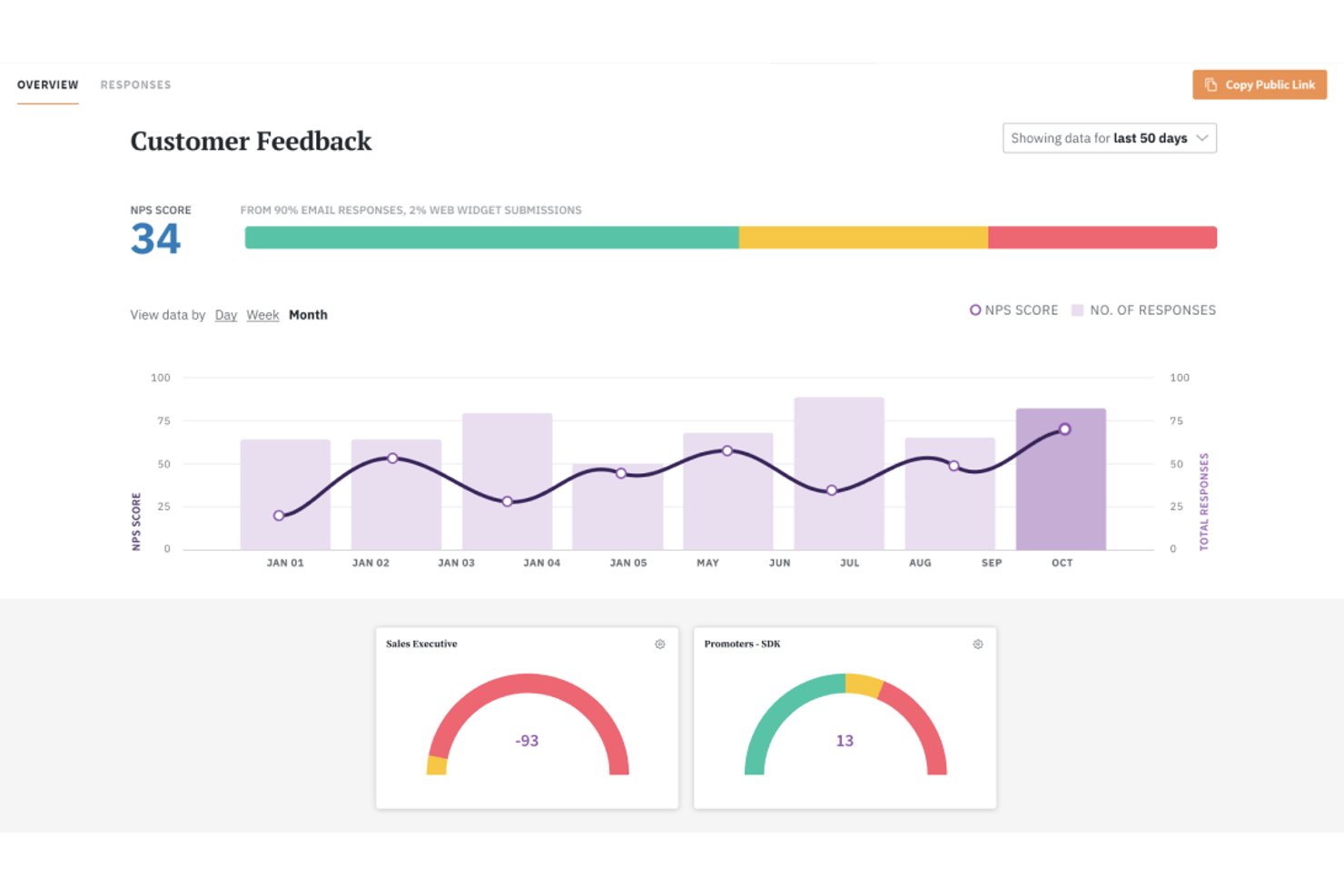
SurveySparrow ist eine Plattform für konversationelles Erfahrungsmanagement, die NPS-, CSAT- und CES-Umfragen mit kanalübergreifender Rückmeldungserfassung, KI-gestützten Analysen, Reputationsmanagement und Ticketverwaltung kombiniert, um den Kreislauf des Kundenfeedbacks zu schließen.
Für wen ist SurveySparrow am besten geeignet?
Teams für Kundenerfahrung und Kundenerfolg in mittelständischen Unternehmen, die Kundenfeedback in großem Umfang erfassen, verfolgen und darauf reagieren müssen.
Warum ich SurveySparrow ausgewählt habe
Ich habe SurveySparrow ausgewählt, weil die Ticketverwaltungsfunktion eine niedrige NPS-Bewertung direkt in ein zuweisbares Kundendienstticket umwandelt. Dadurch löst eine Antwort eines Kritikers einen nachverfolgbaren Lösungsarbeitsablauf aus, anstatt in einer Tabelle zu verbleiben. Außerdem gefällt mir, dass wiederkehrende NPS-Umfragen automatisch durchgeführt werden, sodass mein Team Loyalitätstrends kontinuierlich verfolgen kann. Die echoAI-Funktion fügt während des Gesprächs Folgefragen hinzu, um mehrdeutiges Feedback zu klären, bevor es verloren geht.
Die wichtigsten Funktionen von SurveySparrow
- Reputationsmanagement: Online-Bewertungen von über 100 Plattformen in einer einzigen Übersichtsseite überwachen und verwalten.
- Konversationelles Umfragedesign: Umfragen mit einer chatähnlichen Benutzeroberfläche erstellen, die darauf ausgelegt ist, die Rücklaufquoten zu steigern.
- Feedback-Erfassung über mehrere Kanäle: Umfragen per E-Mail, WhatsApp, SMS, Web-Einbettung und im Kioskmodus verteilen.
- Dashboards für Führungskräfte: Auf Echtzeitanalysen und anpassbare Diagramme zugreifen, um Feedback-Trends und wichtige Kennzahlen zu verfolgen.
SurveySparrow-Integrationen
SurveySparrow bietet integrierte Schnittstellen zu HubSpot, Salesforce, Slack, Google Sheets, Intercom, Zendesk, Freshdesk, Webhooks und Microsoft Teams. Außerdem lässt es sich mit Zapier verbinden und stellt eine API für benutzerdefinierte Integrationen bereit.
Pros and Cons
Pros:
- Wiederkehrende NPS-Umfragen laufen automatisch
- Wandelt Umfrageantworten in Kundendiensttickets um
- Umfragen im Chat-Stil steigern die Abschlussquoten
Cons:
- Begrenzte ausgehende Nachrichten über Umfragen hinaus
- Die Anpassungsmöglichkeiten für Berichte sind in niedrigeren Tarifen eingeschränkt

Alchemer
Am besten geeignet für umsetzbare Erkenntnisse zur Kundenbindung
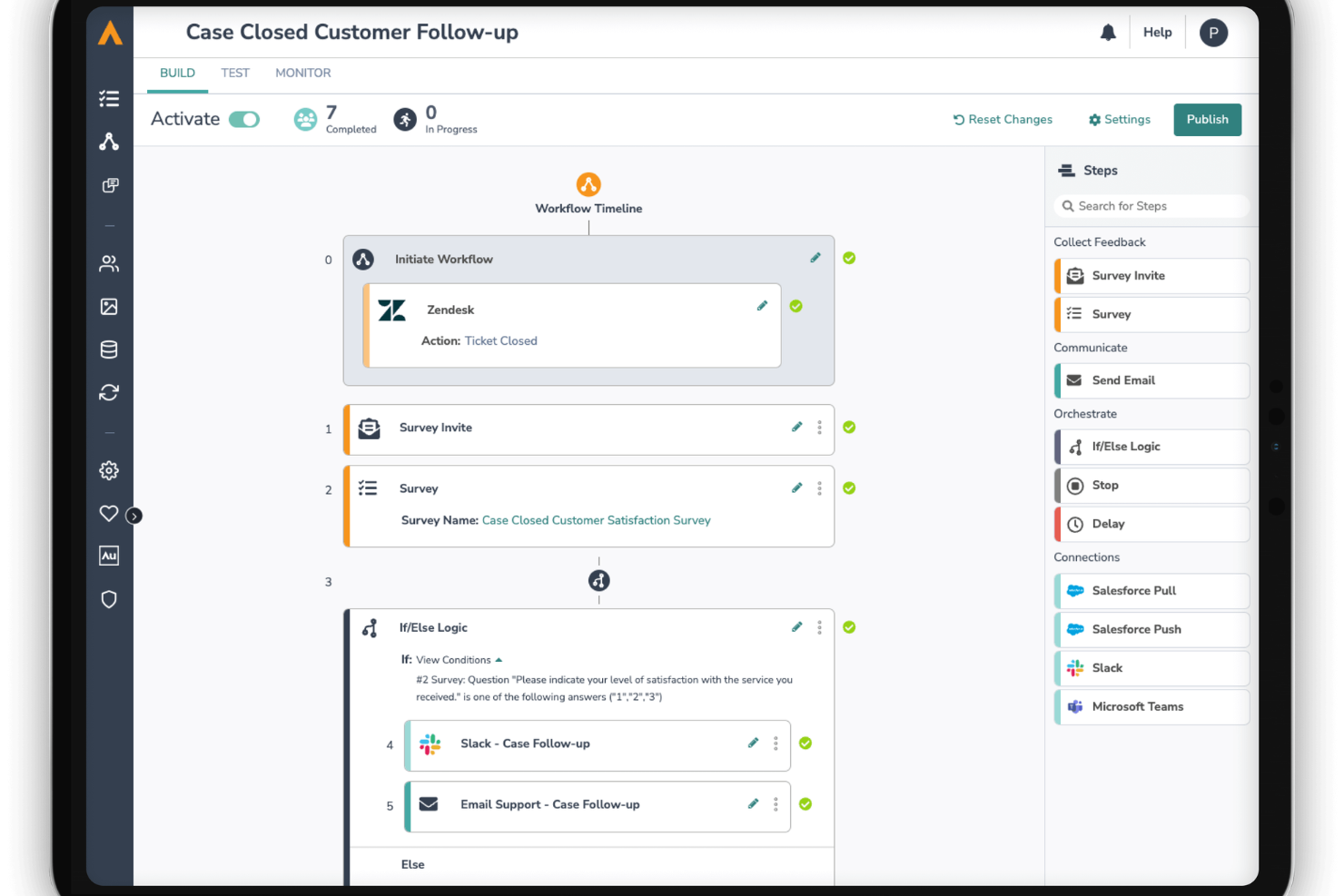
Alchemer ist eine Plattform für die Stimme des Kunden, die die Omnichannel-Verteilung von Umfragen, die Erfassung von Feedback in der Anwendung, Textanalysen und automatisierte Workflows kombiniert, um Erkenntnisse von Kunden und Mitarbeitenden zu sammeln und darauf zu reagieren.
Für wen ist Alchemer am besten geeignet?
Alchemer eignet sich für CX- und Forschungsteams in mittelgroßen bis großen Unternehmen, die strukturierte VoC-Programme durchführen und Feedback direkt in bestehende Geschäftsabläufe weiterleiten müssen.
Warum ich Alchemer ausgewählt habe
Ich habe Alchemer in meine Top-Auswahl aufgenommen, weil die Plattform über das Sammeln von Feedback hinausgeht und den Kundenbindungsprozess tatsächlich schließt. Mir gefällt besonders, wie Alchemer Digital Signale im Moment ihrer Entstehung erfasst, während Kunden mit Ihrer App oder Website interagieren, und wie Alchemer Pulse Stimmungsbilder aus Freitextantworten ermittelt, ohne dass eine manuelle Kennzeichnung erforderlich ist. Anschließend leiten automatisierte Workflows diese Erkenntnisse direkt an Salesforce oder Slack weiter, sodass mein Team handeln kann, bevor sich ein Kunde abwendet.
Die wichtigsten Funktionen von Alchemer
- Visueller Workflow-Builder: Drag-and-drop-Oberfläche zur Automatisierung der Feedbackweiterleitung und von Folgeaktionen.
- Rollenbasierte Zugriffskontrollen: Benutzerberechtigungen für die Erstellung von Umfragen, den Datenzugriff und die Administration festlegen.
- Mehr als 400 Softwareintegrationen: Umfragedaten direkt mit Salesforce, HubSpot, Tableau und Microsoft Teams verbinden.
- Erweiterte Verzweigungslogik: Fragepfade anhand der Antworten der Befragten mithilfe komplexer Sprungmuster anpassen.
Alchemer-Integrationen
Alchemer bietet mehr als 400 native Integrationen, darunter Salesforce, HubSpot, Microsoft Teams, Tableau, ServiceNow, Zendesk, Jira, Marketo, Slack und Microsoft 365. Für benutzerdefinierte Integrationen ist eine API verfügbar.
Pros and Cons
Pros:
- Schließt den Feedbackprozess automatisch ab
- Leistungsstarke Textanalysen zeigen Stimmungsbilder auf
- Hochgradig anpassbare Umfrage- und Feedback-Workflows
Cons:
- Begrenzte Unterstützung nativer Kanäle für ausgehende Nachrichten
- Nicht für die Orchestrierung von Kundenreisen in Echtzeit entwickelt

Tidio
Am besten geeignet für KI-gestützte Support-Interaktionen
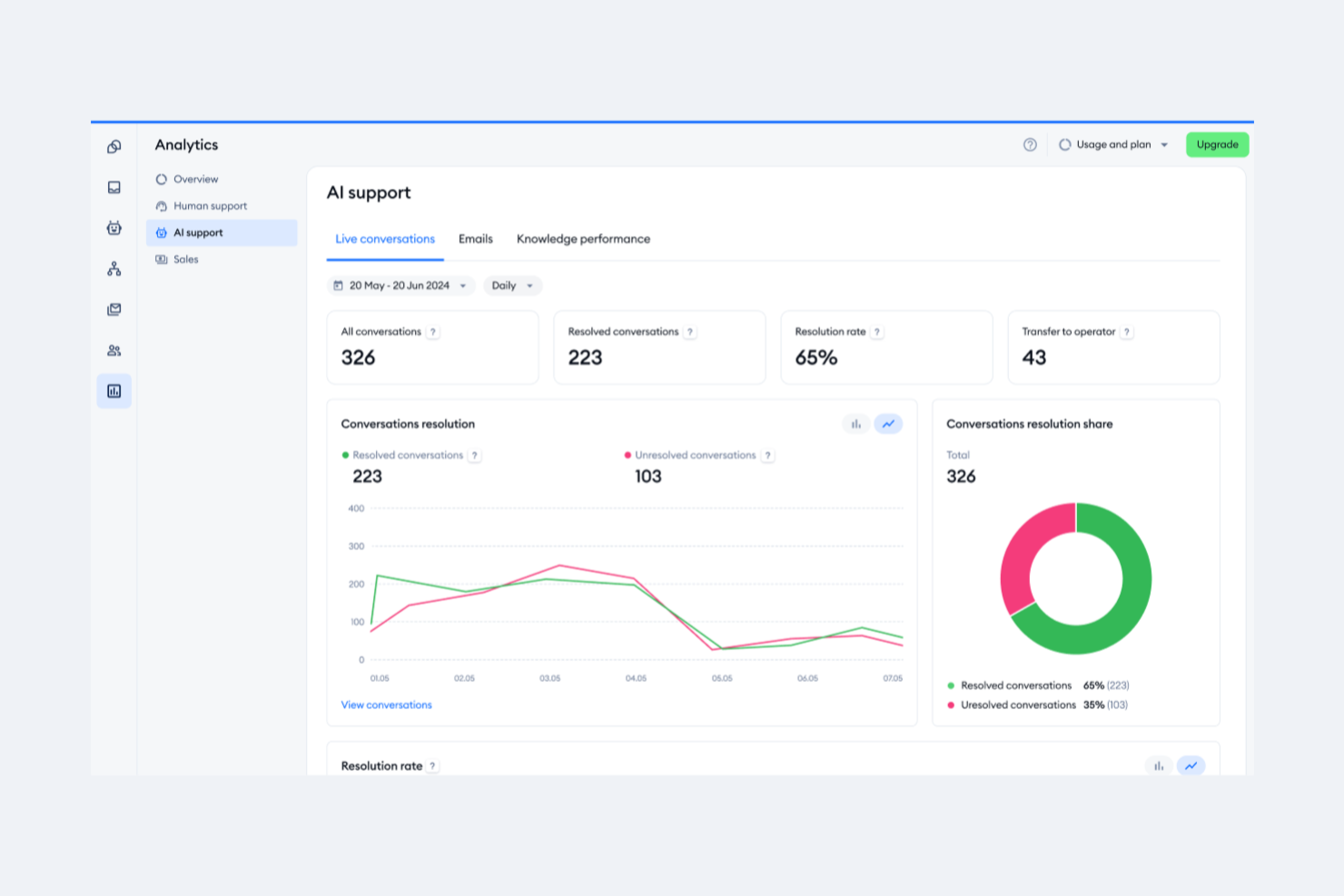
Tidio ist eine Kundensupport-Plattform, die Live-Chat, Helpdesk-Ticketverwaltung, No-Code-Automatisierung und einen KI-Agenten (Lyro) kombiniert, um Kundenkonversationen über Web-Chat, E-Mail und soziale Messaging-Kanäle zu verwalten und darauf zu antworten.
Für wen ist Tidio am besten geeignet?
Tidio eignet sich besonders für E-Commerce-Teams aus kleinen und mittleren Unternehmen sowie dem Mittelstand, die ihren Kundensupport automatisieren möchten, ohne ein großes Agententeam aufbauen zu müssen.
Warum ich Tidio ausgewählt habe
Ich habe Tidio aufgrund von Lyro in meine Favoriten aufgenommen, einem auf Claude basierenden KI-Agenten, der bis zu 67 % der Kundenkonversationen ohne menschliches Eingreifen löst. Besonders gut gefällt mir, dass Lyro Antworten direkt aus Ihren vorhandenen Hilfeinhalten bezieht, sodass die Antworten markenkonform bleiben, anstatt erfunden zu wirken. Wenn Lyro an die Grenzen seines Wissens gelangt, übergibt es die Konversation nahtlos an einen Live-Agenten und bewahrt so während der gesamten Interaktion das Vertrauen der Kunden.
Die wichtigsten Funktionen von Tidio
- Einheitlicher Omnikanal-Posteingang: Verwalten Sie Konversationen aus Web-Chat, E-Mail, Messenger, Instagram und WhatsApp in einer einzigen Übersicht.
- Visuelle Automatisierungs-Workflows: Erstellen Sie Chatbots und automatisierte Abläufe mit einem Editor zum Ziehen und Ablegen, um Website-Besucher anzusprechen.
- Shopify-Integration: Verbinden Sie Shopdaten, damit Agenten Bestellungen, Warenkörbe und Kundendetails direkt in der Chat-Oberfläche einsehen können.
- Panel mit Besuchereinblicken: Verfolgen Sie den Standort der Besucher, ihre Verweildauer auf der Website und den Seitenverlauf, um Live- und automatisierte Interaktionen gezielt zu steuern.
Tidio-Integrationen
Tidio bietet direkte Integrationen mit Shopify, WordPress, Wix, BigCommerce, Messenger, Instagram und WhatsApp. Es lässt sich mit Zapier verbinden und stellt eine API für benutzerdefinierte Integrationen bereit.
Pros and Cons
Pros:
- Die Lyro-KI löst Chats ohne menschliche Agenten
- Chatbot-Trigger reagieren auf Aktionen von Besuchern in Echtzeit
- Der Omnikanal-Posteingang bündelt soziale Kanäle und Live-Chat
Cons:
- Die Analysetiefe reicht für Unternehmensteams nicht aus
- Die Begrenzungen für Lyro-KI-Konversationen schränken die Nutzung bei hohem Volumen ein

Am besten geeignet zur Steigerung der Nutzeraktivierungsraten
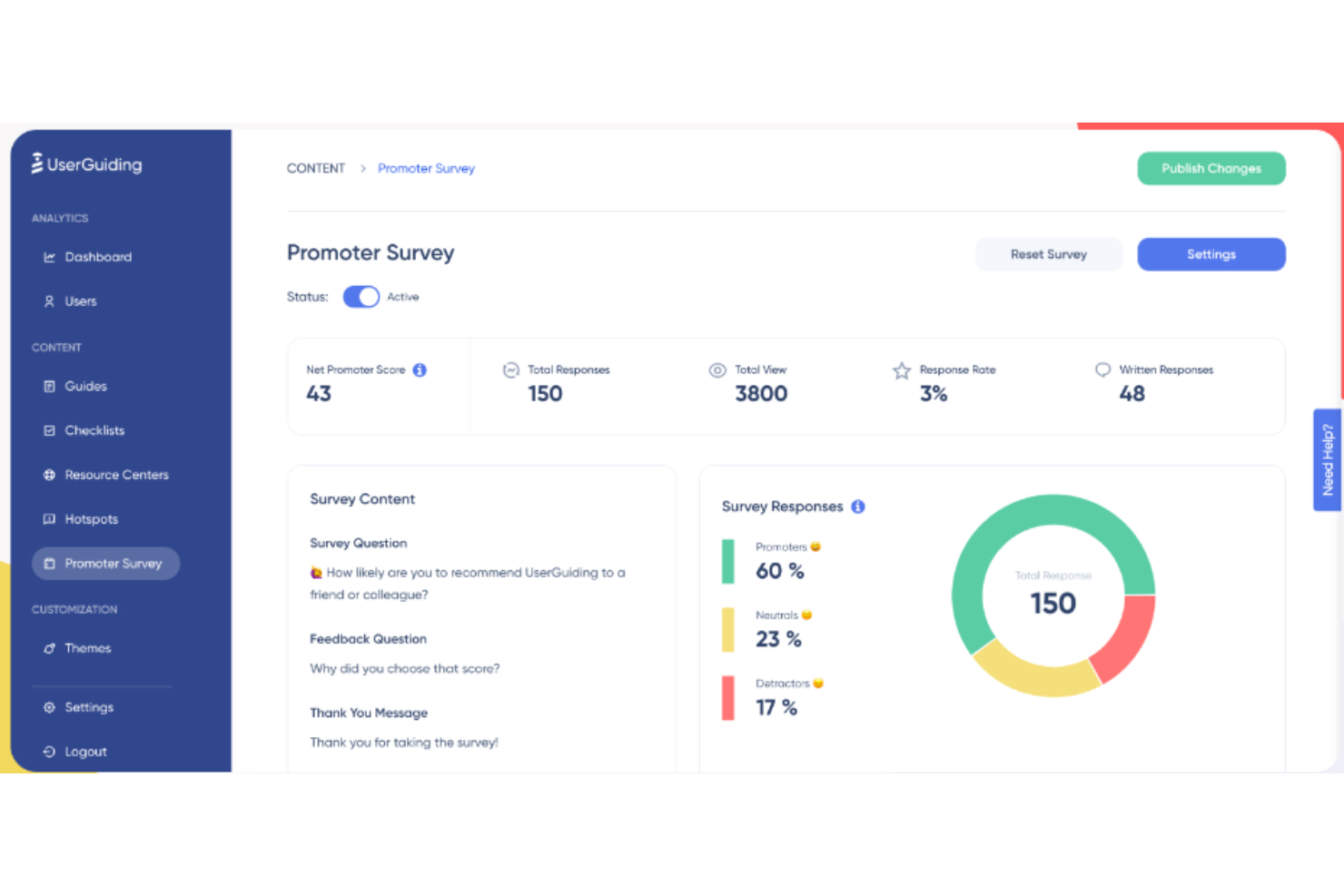
UserGuiding ist eine Plattform ohne Programmieraufwand für die digitale Einführung, die Onboarding-Abläufe in der App, Kurzinfos, Checklisten, Ressourcenzentren und NPS-Umfragen bereitstellt, um Nutzer durch Ihr Produkt zu führen.
Für wen ist UserGuiding am besten geeignet?
UserGuiding eignet sich für SaaS-Produkt- und Kundenerfolgsteams in kleinen bis mittelgroßen Unternehmen, die die Nutzeraktivierung verbessern möchten, ohne auf technische Ressourcen angewiesen zu sein.
Warum ich UserGuiding ausgewählt habe
Ich habe UserGuiding als eine der besten Lösungen ausgewählt, weil das auf Aktivierung ausgerichtete Toolkit über grundlegende Produkttouren hinausgeht. Ich nutze Zielverfolgung und A/B-Tests gemeinsam, um genau zu bestimmen, welche Onboarding-Abläufe Nutzer tatsächlich zu ihrer ersten wichtigen Aktion bewegen – und nicht nur, welche geöffnet werden. Onboarding-Checklisten sind hier besonders stark: Sie schaffen einen strukturierten Weg zur Aktivierung, der Nutzer ohne ständige Unterstützung durch das Kundenerfolgsteam voranschreiten lässt.
Die wichtigsten Funktionen von UserGuiding
- Ressourcenzentrum: Zentralisiert Produktanleitungen, FAQs und Dokumentation direkt in Ihrer Web-App und ermöglicht so Self-Service-Support.
- KI-Assistent: Nutzt KI-gestützte Antworten, damit Nutzer direkt in der App Antworten finden und Probleme lösen können.
- NPS- und In-App-Umfragen: Sammelt Nutzerfeedback und misst die Zufriedenheit mithilfe integrierter Umfragetools.
- Sitzungswiedergabe: Zeichnet echte Nutzersitzungen auf, sodass Teams Nutzerinteraktionen ansehen und Probleme mit der Nutzererfahrung erkennen können.
UserGuiding-Integrationen
UserGuiding bietet native Integrationen mit HubSpot, Intercom, Mixpanel, Segment und Google Analytics. Für benutzerdefinierte Integrationen ist eine API verfügbar.
Pros and Cons
Pros:
- Onboarding-Abläufe ohne Programmieraufwand lassen sich ohne technische Unterstützung starten
- Aktivierungschecklisten führen Nutzer zu wichtigen Aktionen
- In-App-Umfragen sammeln Feedback ohne Tools von Drittanbietern
Cons:
- Begrenzte kanalübergreifende Nachrichtenübermittlung über In-App-Nachrichten hinaus
- Die Analysetiefe reicht für die Anforderungen von Unternehmen nicht aus

Netmera
Am besten für eine granulare Zielgruppensegmentierung geeignet
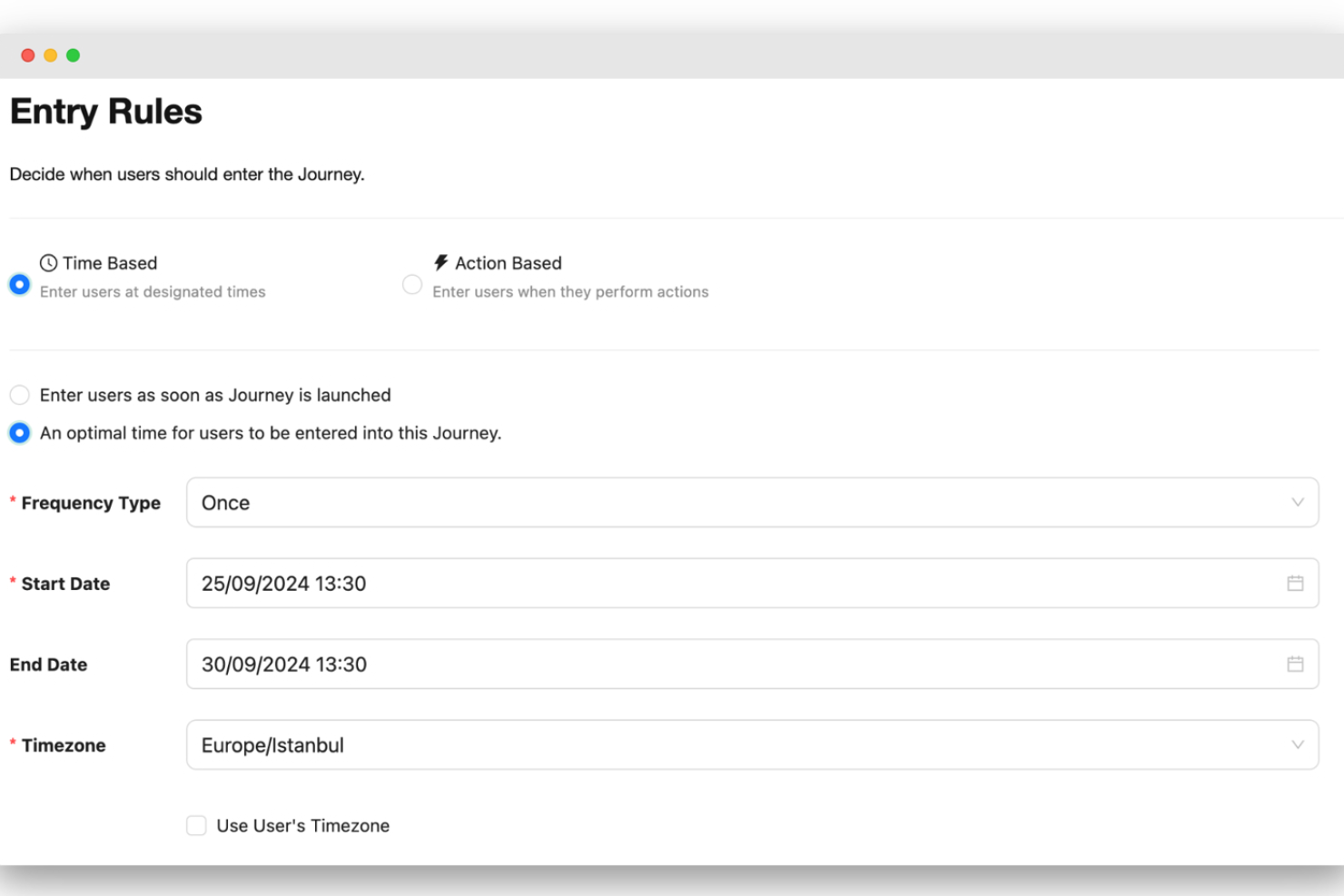
Netmera ist eine Omnichannel-Plattform für Kundenbindung, die eine integrierte CDP, KI-gestützte Segmentierung, kanalübergreifende Nachrichten (Push, E-Mail, SMS, WhatsApp, In-App und Web) sowie eine No-Code-Orchestrierung von Kundenreisen in einer einzigen Benutzeroberfläche kombiniert.
Für wen ist Netmera am besten geeignet?
Netmera eignet sich besonders für Unternehmen aus den Bereichen Banken, Telekommunikation, Einzelhandel und Medien, die ein volumenstarkes, verhaltensbasiertes Engagement über mobile und webbasierte Kanäle hinweg verwalten müssen.
Warum ich Netmera ausgewählt habe
Ich habe Netmera als eine der besten Lösungen ausgewählt, weil sich die Detailtiefe der Segmentierung in einem umkämpften Markt wirklich hervorhebt. Besonders gefällt mir die taglose Datenerfassung, die Verhaltensereignisse automatisch ohne manuelle Markierungen erfasst und Ihnen dadurch bereits ab dem ersten Tag umfangreichere Signale für die Erstellung von Segmenten liefert. Kombiniert man dies mit prädiktiver KI, die Abwanderungsrisiken und Kaufabsichten in Echtzeit erkennt, können Sie den richtigen Kunden genau im richtigen Moment seiner Loyalitätsreise erreichen.
Die wichtigsten Funktionen von Netmera
- Omnichannel-Kampagnenorchestrierung: Verwalten Sie E-Mail-, SMS-, Mobile-Push-, WhatsApp-, In-App- und Web-Kampagnen über eine einzige Benutzeroberfläche.
- Visueller Journey-Builder: Entwerfen und automatisieren Sie mehrstufige Kundenreisen mit Drag-and-drop-Logik über alle Kanäle hinweg.
- Echtzeit-Analyseübersichten: Überwachen Sie Kampagnenleistung, Kanaleffektivität und Ergebnisse der Kundenbindung an einem Ort.
- Datenschutz- und Compliance-Kontrollen: Integrierte Unterstützung für die DSGVO, ISO-Zertifizierungen und granulare Tools zur Einwilligungsverwaltung.
Netmera-Integrationen
Netmera bietet native Integrationen mit WhatsApp, Mixpanel, SAP Marketing, Twilio und weiteren Diensten. Für individuelle Integrationen ist eine API verfügbar.
Pros and Cons
Pros:
- Tiefe verhaltensbasierte Segmentierung mit Echtzeit-Auslösern
- Integrierte CDP mit tagloser Datenerfassung
- KI-gestützte Abwanderungsprognose und Optimierung des Versandzeitpunkts
Cons:
- Die Berichtsschnittstelle kann veraltet wirken
- Nur begrenzte Dokumentation für die eigenständige Einrichtung verfügbar

Am besten für die globale Verteilung von Prämien
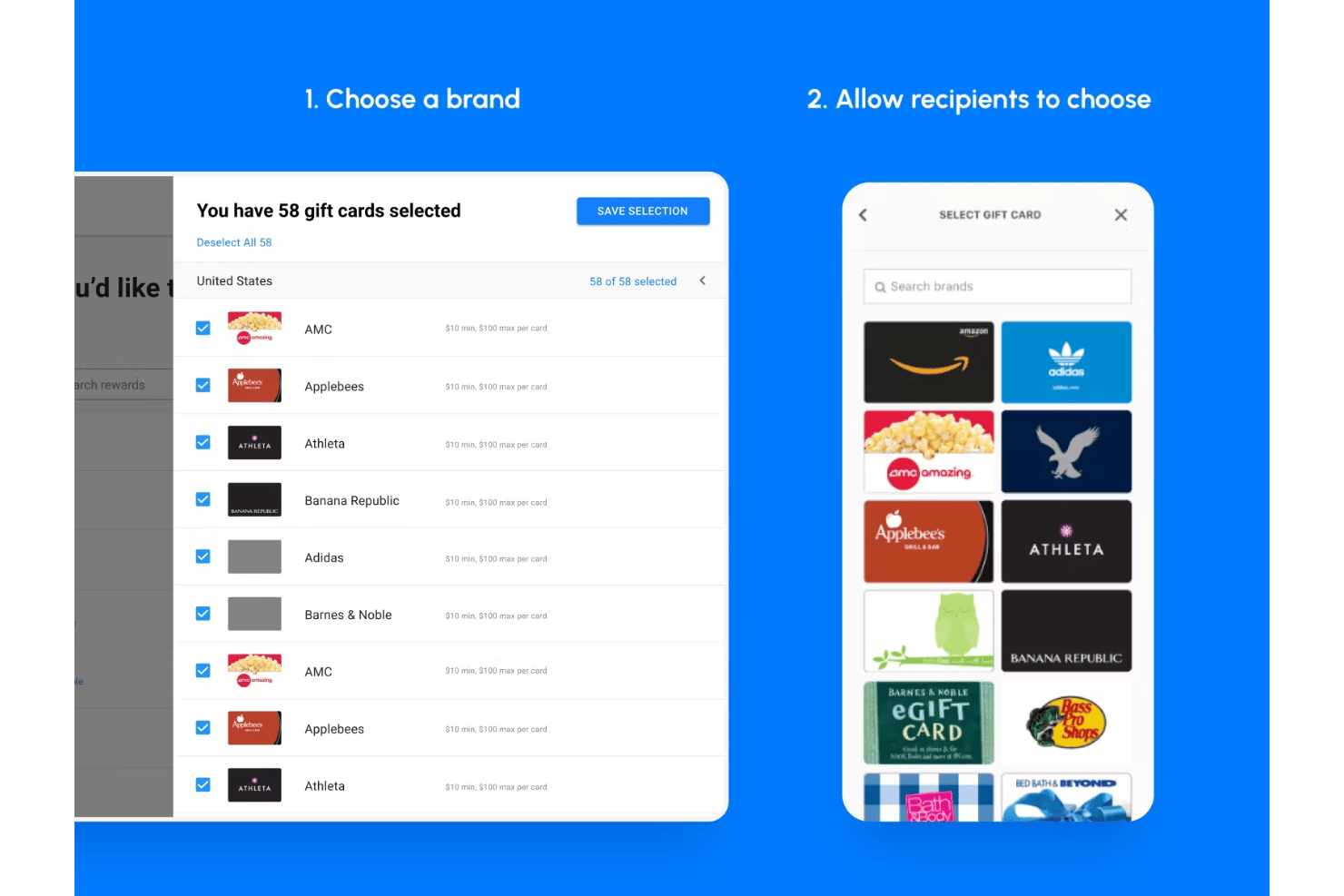
Tremendous ist eine globale Plattform zur Verteilung von Prämien und Anreizen, mit der Unternehmen Geschenkkarten, Prepaid-Karten und Geldzahlungen an Kunden, Teilnehmer an Empfehlungsprogrammen und Forschungsbefragte in mehr als 200 Ländern senden können.
Für wen eignet sich Tremendous am besten?
Tremendous eignet sich für Marketing- und Forschungsteams in mittelgroßen bis großen Unternehmen, die in mehreren Ländern umfangreiche Empfehlungs-, Treue- oder Anreizprogramme durchführen.
Warum ich Tremendous ausgewählt habe
Tremendous steht auf meiner Auswahlliste, weil die Plattform eine enorme Reichweite bietet: mehr als 2.500 Prämienoptionen in über 200 Ländern, einschließlich automatischer Währungsumrechnung. Ich finde es besonders gut, dass die Empfänger ihr eigenes Auszahlungsformat wählen können, sei es eine Amazon-Geschenkkarte, eine Visa-Prepaid-Karte oder eine PayPal-Überweisung. In der Praxis kann mein Team eine einzige globale Treuekampagne durchführen, ohne für jede Region separate Prämienkataloge erstellen zu müssen.
Wichtige Funktionen von Tremendous
- Massenversand von Prämien: Laden Sie eine Tabellenkalkulation hoch oder verwenden Sie die API, um Prämien gleichzeitig an Hunderte oder Tausende Empfänger zu senden.
- Markenindividuelle Gestaltung: Passen Sie Prämien-E-Mails, Zielseiten und Mitteilungen mit den Bildern und Botschaften Ihrer Unternehmensmarke an.
- Übersichtsseite zur Auftragsverfolgung: Überwachen Sie den Status und die Einlösung aller Prämien mit Echtzeiteinblicken in Ausgaben, Zustellung und Nutzung.
- Kontrollen zur Betrugsprävention: Legen Sie Ausgabenlimits fest, verlangen Sie Genehmigungen und nutzen Sie automatisierte Prüfungen, um das Risiko betrügerischer Auszahlungen zu verringern.
Integrationen von Tremendous
Tremendous bietet integrierte Verbindungen mit Salesforce, HubSpot, Friendbuy, Qualtrics und Zapier sowie eine API für benutzerdefinierte Integrationen.
Pros and Cons
Pros:
- Empfänger können aus mehr als 2.500 Prämienoptionen wählen
- Bewältigt umfangreiche Prämienmengen ohne Verzögerungen
- Echtzeitverfolgung der Einlösungen über alle Kampagnen hinweg
Cons:
- Nicht für fortlaufende Interaktionsabläufe entwickelt
- Begrenzte native Möglichkeiten zur Kundensegmentierung

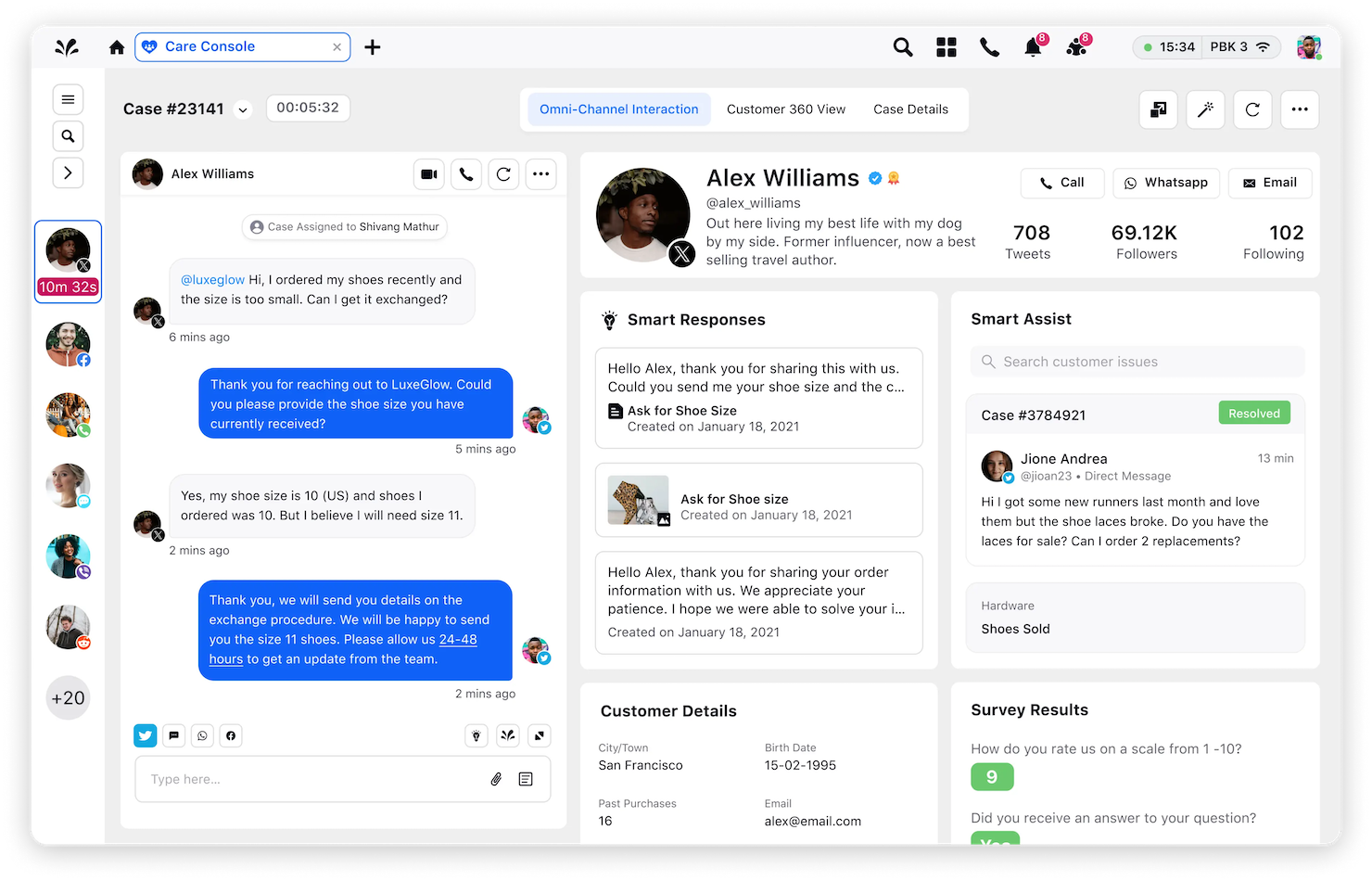
Sprinklr Service hilft Ihren Support- und Marketing-Teams dabei, Gespräche über soziale Medien, Messaging-Apps und andere Kanäle zu verwalten. Es löst die Herausforderung, mehrere Kundenkontaktpunkte jonglieren zu müssen, indem es sie in einem einzigen Posteingang zusammenführt. Ihr Team kann Interaktionen zentralisieren und konsistente Antworten liefern.
Warum ich Sprinklr Service gewählt habe: Ich habe Sprinklr Service ausgewählt, weil es sich durch einheitliches Kundenengagement auszeichnet. Es kombiniert KI‑gestütztes Fallmanagement, intelligente Gesprächszuweisung und Echtzeit-Stimmungsanalyse, sodass Sie die wichtigsten Anliegen priorisieren können. Anpassbare Dashboards ermöglichen es Ihnen, wichtige Kundenservice-Kennzahlen und die Leistung der Agenten zu verfolgen. Automatisierte Workflows und eine integrierte Wissensdatenbank reduzieren manuelle Aufgaben und halten Ihr Team auf Beziehungen fokussiert.
Herausragende Funktionen & Integrationen
Funktionen umfassen einen Omnichannel-Posteingang, der Nachrichten aus sozialen Medien, E-Mail, Sprache und Messaging-Apps sammelt, KI‑gesteuerte Ticketzuweisung mit Stimmungsanalyse, anpassbare Dashboards für Berichte und Automatisierungstools zur Erstellung von Workflows und Wissensartikeln.
Integrationen beinhalten Salesforce, Zendesk, ServiceNow, Slack, Microsoft Teams, Google Workspace, HubSpot Marketing Hub, HubSpot Sales Hub, Jira und Tableau, und es ist eine API verfügbar.
Pros and Cons
Pros:
- Intuitive Benutzeroberfläche mit breiter Integrationspalette
- Umfangreiche Analysen und großes Funktionsangebot
- Zentrale Verwaltung sozialer Medien, intuitive Terminplanung
Cons:
- Überwältigender Funktionsumfang, der praktische Schulung erfordert
- Zeitaufwändige Einrichtung mit komplexem Einführungsprozess

Braze
Am besten für spielerische Kundenbindung
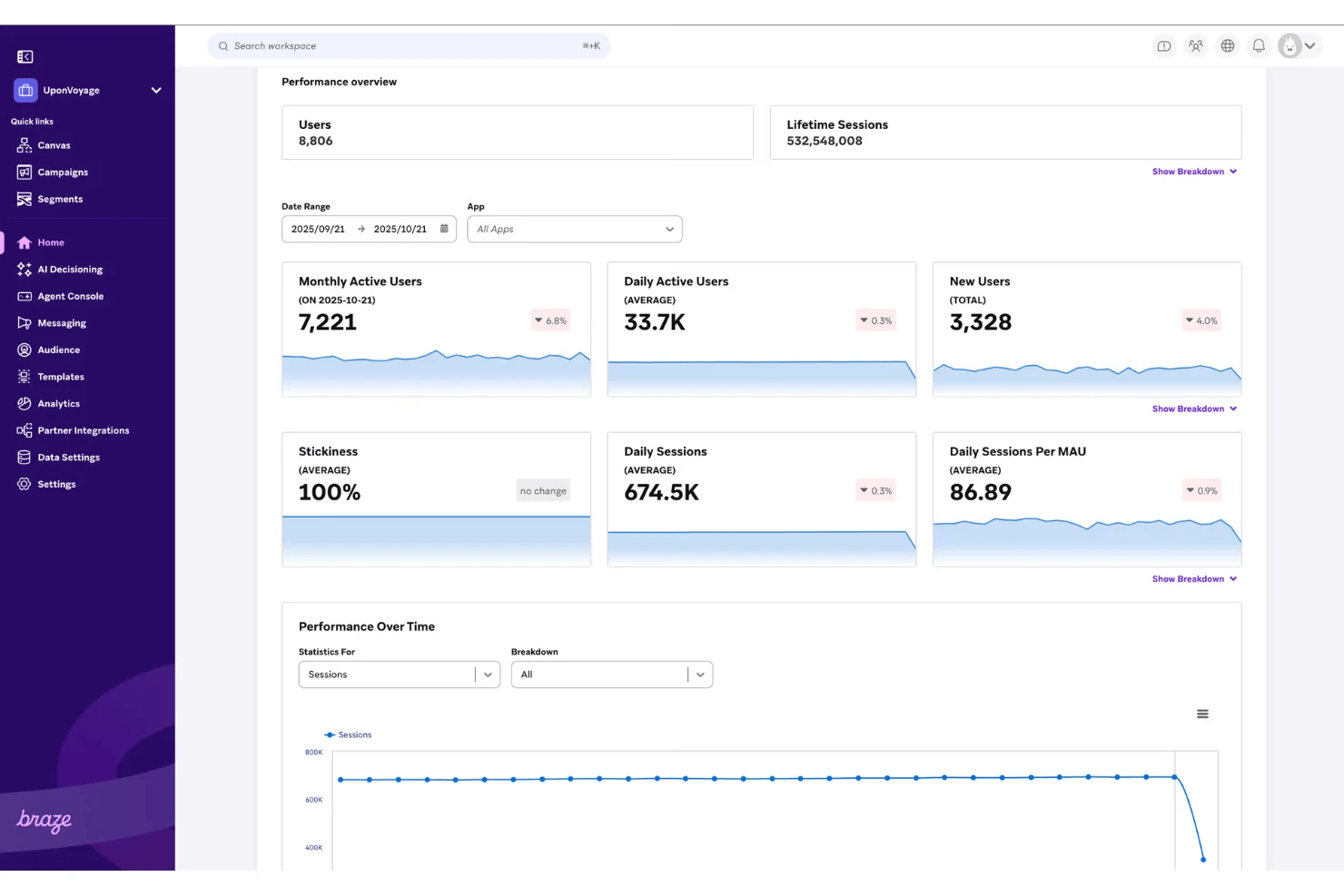
Braze ist eine Plattform für Kundenbindung, die kanalübergreifende Nachrichten, die Orchestrierung von Kundenreisen, die Vereinheitlichung von Kundendaten, KI-gestützte Personalisierung und Echtzeitanalysen in einer einzigen Lösung für B2C-Marken kombiniert.
Für wen eignet sich Braze am besten?
Braze eignet sich besonders für mittelständische und große B2C-Marken, die über eigene Entwicklerressourcen verfügen und mobilorientierte oder produktorientierte Wachstumsstrategien verfolgen.
Warum ich Braze ausgewählt habe
Ich habe Braze in meine Top-Auswahl aufgenommen, weil Canvas und die Liquid-Personalisierung zusammenwirken und dadurch echte Mechaniken für spielerische Kundenbindung ermöglichen. In der Praxis kann ich Canvas verwenden, um nach bestimmten Nutzeraktionen Belohnungssequenzen auszulösen und diese Belohnungen anschließend in Echtzeit über Inhaltskarten oder Webhooks bereitzustellen. Snoonu hat genau diese Einrichtung für eine Glücksrad-Kampagne verwendet, die zu einem Anstieg der Wiederholungsbestellungen um 39 % führte.
Wichtigste Funktionen von Braze
- Kanalübergreifendes Nachrichtenpaket: Unterstützt E-Mail, Push-Benachrichtigungen, SMS, In-App-Nachrichten, WhatsApp und Webnachrichten über eine einzige Plattform.
- Funktionen einer Kundendatenplattform: Erstellt einheitliche Kundenprofile mit Echtzeit-Datenaufnahme und nativer Identitätsauflösung.
- Visuelle Orchestrierung von Kundenreisen: Mit dem visuellen Drag-and-Drop-Editor können Teams mehrstufige Kundenreisen über Segmente und Kanäle hinweg automatisieren.
- Tools für Experimente und Optimierung: Ermöglicht multivariate Tests, Experimente für Kundenreisen und die Nachverfolgung der Kundenbindung in einem einzigen Arbeitsablauf.
Integrationen von Braze
Braze bietet native Integrationen mit Salesforce, Snowflake, Amplitude, Segment, Mixpanel, Looker, Shopify und mParticle. Für individuelle Integrationen steht eine API zur Verfügung.
Pros and Cons
Pros:
- Native Mechaniken für spielerische Kundenbindung sind in Canvas integriert
- Echtzeit-Ereignisauslöser werden innerhalb von Millisekunden aktiviert
- Integrierte KI optimiert die Versandzeitpunkte von Nachrichten
Cons:
- Für die vollständige Einrichtung ist Unterstützung durch Entwickler erforderlich
- Aufwendige Einführung für nichttechnische CX-Teams

Pendo
Am besten für einfache Bedienung
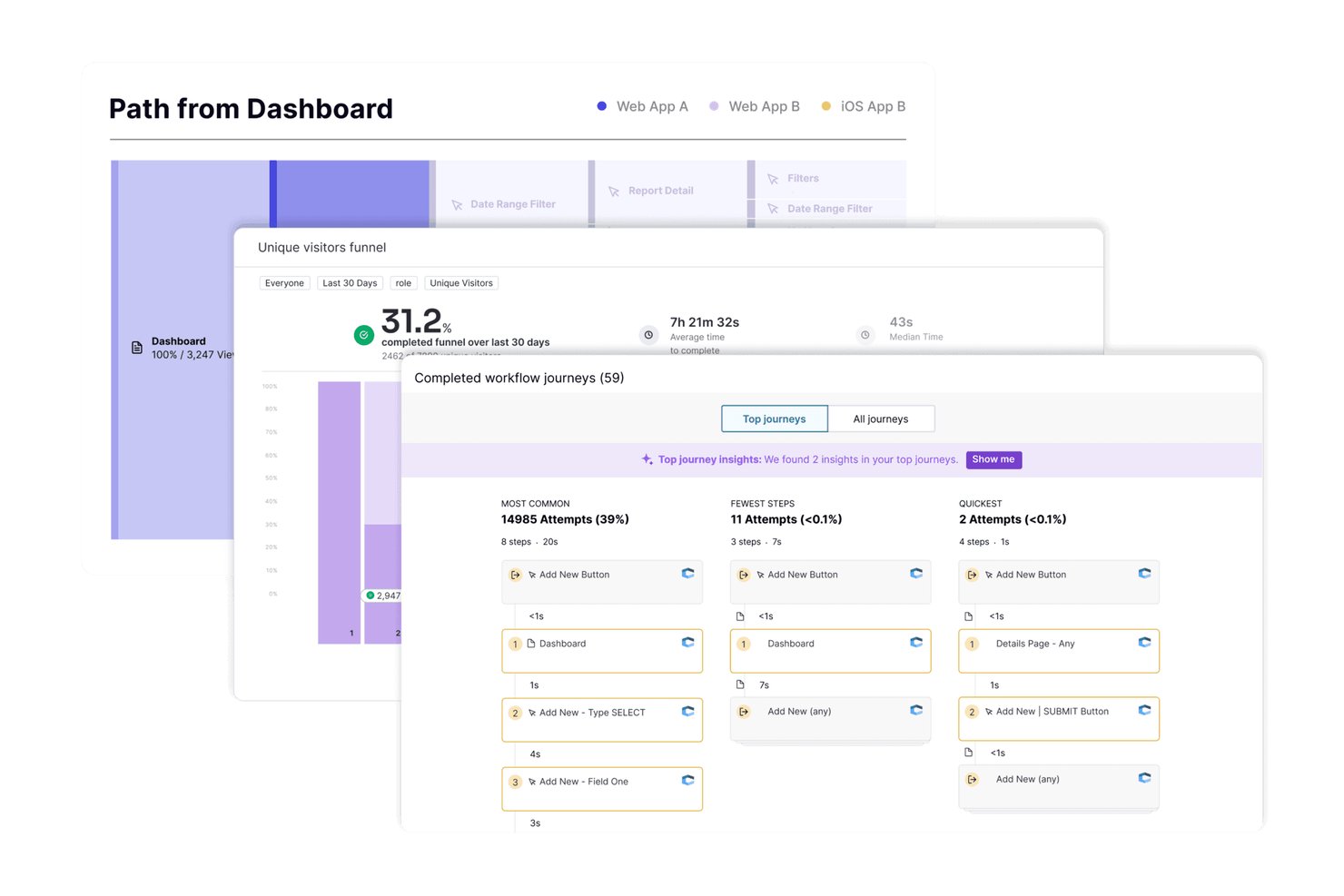
Pendo ist eine Plattform für Produkterlebnisse, die Analysen innerhalb der App, Verhaltenssegmentierung, geführte Rundgänge, Nachrichten innerhalb der App und Werkzeuge für Nutzerfeedback kombiniert, um die Kundenbindung direkt innerhalb digitaler Produkte zu steigern.
Für wen ist Pendo am besten geeignet?
Pendo eignet sich besonders für Kundenerfolgs- und Produktteams in SaaS-Unternehmen, die das Engagement innerhalb der App und die Akzeptanz von Funktionen steigern möchten, ohne auf technische Ressourcen angewiesen zu sein.
Warum ich Pendo ausgewählt habe
Ich habe Pendo als eine der besten Lösungen ausgewählt, weil der Builder für Anleitungen ohne Code meinem Team ermöglicht, Rundgänge innerhalb der App, Kurzinfos und NPS-Umfragen ohne Unterstützung durch die Entwicklung zu starten. Ich habe Workflows nach NPS-Umfragen erstellt, die negatives Feedback automatisch in Rückgewinnungssequenzen weiterleiten und gleichzeitig besonders zufriedene Nutzer zu passenden Zeitpunkten um Empfehlungen bitten. Dank der nachträglichen Analysen von Pendo kann ich das Nutzerverhalten außerdem ab dem ersten Tag analysieren, selbst bei Anleitungen, die erst nach der ursprünglichen Installation erstellt wurden.
Wichtigste Funktionen von Pendo
- Sitzungswiederholungen: Sehen Sie Aufzeichnungen von Nutzersitzungen, um echte Kundeninteraktionen und Verhaltensweisen in Ihrem Produkt zu analysieren.
- Umfragen zur Stimmung: Starten Sie NPS-, PMF- und CSAT-Umfragen innerhalb der App, um die Stimmung der Nutzer an wichtigen Punkten ihrer Reise zu erfassen.
- Orchestrate-Modul: Erstellen Sie mehrstufige Abläufe innerhalb der App mit Auslösern, Verzögerungen und bedingten Abläufen für eine stärker personalisierte Interaktion.
- Integrationen zur Datensynchronisierung: Exportieren Sie Ereignisdaten in Datenlager und verbinden Sie Pendo über kostenpflichtige Zusatzmodule mit Systemen wie Salesforce und HubSpot.
Pendo-Integrationen
Pendo bietet native Integrationen mit Salesforce und HubSpot sowie Funktionen zur Datensynchronisierung mit Snowflake und Amazon Redshift. Für benutzerdefinierte Integrationen ist eine API verfügbar.
Pros and Cons
Pros:
- Der Builder für Anleitungen ohne Code benötigt keine Unterstützung durch die Entwicklung
- Nachträgliche Analysen erfassen das Verhalten ab dem ersten Tag
- NPS-Auslöser innerhalb der App starten automatisierte Nachfasssequenzen für unzufriedene Nutzer
Cons:
- Schwache kanalübergreifende Orchestrierung von Abläufen über Funktionen innerhalb der App hinaus
- Sitzungswiederholungen erfordern ein kostenpflichtiges Zusatzmodul
Weitere Optionen
Hier sind einige weitere Optionen, die es nicht in die Bestenliste geschafft haben.
- MoEngage
E Orchestrierung von Kundenreisen
- Sprout Social
Am besten geeignet für KI-gestützte Social-Media-Interaktion
- Qualtrics Customer Experience
Am besten für Kundenumfragen
- twik
Am besten für die Chat-Automatisierung geeignet
- Medallia
Am besten geeignet für Echtzeit-Einblicke in das Kundenfeedback
- Annex Cloud
Am besten geeignet für Omnichannel-Treueprogramme und Markenbotschafter
- Front
Am besten für effiziente Teamkommunikation geeignet
- Zingle
E Workflow-Automatisierung
- PUG's Picnic
Am besten geeignet für spielerisches Kundenengagement & Kundenbindung
- Birdeye
Es Wettbewerbs-Benchmarking
- Zendesk
Am besten geeignet für KI-gesteuerte Kundeninteraktion
- Zoho SalesIQ
E Wissensdatenbank-Erstellung


Wie ich Plattformen für Kundenengagement bewerte
Plattformen für Kundenengagement sind für E-Commerce-Marken und SaaS-Teams das Mittel, verhaltensbasierte Nachrichten über E-Mail, SMS, Push und In-App zentral zu steuern. Ich bewerte diese Tools in zwei Schritten: Erstens, was eine Plattform auf diese Liste bringt, und zweitens, was tatsächlich eine Auswahl von der anderen abhebt.
Kernfunktionen (Grundvoraussetzungen für diese Liste)
Für Plattformen zum Kundenengagement teste und bewerte ich folgende Kernfunktionen:
- Omnichannel-Nachrichtenversand: Ich prüfe, ob die Plattform E-Mail, SMS, Push- und In-App-Nachrichten zentral koordiniert, statt jeden Kanal isoliert zu behandeln.
- Vereinheitlichung von Kundendaten: Der Aufbau von Echtzeit-Profilen ist entscheidend. Ich suche nach Plattformen, die Verhaltens-, Transaktions- und demografische Daten zu einer einzigen Nutzeransicht zusammenführen.
- Zielgruppensegmentierung: Dynamische Segmente, die sich in Echtzeit anhand aktueller Aktivitäten aktualisieren, sind unerlässlich. Beispielsweise sollen sich "Nutzer, die in der letzten Stunde ihren Warenkorb abgebrochen haben" automatisch aktualisieren.
- Kundenreise-Orchestrierung: Ich bewerte den visuellen Journey-Builder hinsichtlich Verzweigungslogik, Flexibilität bei Auslösern und kanalübergreifenden Schritten innerhalb eines automatisierten Workflow.
- Personalisierung: Über einfache Vornamens-Platzhalter hinaus achte ich auf dynamische Inhaltsblöcke, Produktempfehlungen und Versandzeit-Optimierung basierend auf Nutzerdaten.
- Event-Tracking: Die Plattform sollte SDKs oder APIs bieten, die Nutzeraktionen wie Feature-Nutzung, Seitenaufrufe oder Kaufereignisse in Echtzeit erfassen, ohne großen Entwickleraufwand.
- A/B-Tests: Ich prüfe, ob sich Betreffzeilen, Inhaltsvarianten, Kanalauswahl und Journey-Pfade mit integrierter Auswertung auf statistische Signifikanz testen lassen.
- Kampagnen-Analytik: Engagement-Kennzahlen auf Kampagnen-, Journey- und Kanalebene sind Standard. Ich achte auf Conversion-Attribution und detaillierte Einblicke auf Kohortenebene.
Ein Tool muss die meisten dieser Funktionen bieten, um einen Platz auf der Liste zu erhalten. Dann schaue ich, was jede Lösung besonders macht.
Herausragende Merkmale (Was die Auswahl unterscheidet)
Bei der Auswahl von Kundenengagement-Plattformen achte ich auf KI-gestützte Funktionen wie prädiktive Segmentierung und Empfehlungen für die nächste beste Aktion, die echten Mehrwert für Kampagnen bieten. Warehouse-native Integrationen—wie die direkte Synchronisation mit Snowflake oder BigQuery—sind für Teams wichtig, die umfassende Daten ohne großen Entwicklungsaufwand aktivieren möchten. Zudem betrachte ich, ob die Plattform Multi-Brand- oder Multi-Region-Betrieb mit erweiterten Berechtigungen für komplexe Unternehmen unterstützt.
Was ich über Funktionen hinaus bewerte
Die Komplexität der Implementierung ist ein wichtiger Punkt. Manche Plattformen erfordern monatelange Integration von SDKs und Datenpipelines – daher bewerte ich den tatsächlichen Engineering-Aufwand zum Go-live. Ich analysiere auch die Preismodelle genau, denn eine Abrechnung nach MAU plus Kosten pro SMS-Nachricht kann bei großen Volumina schnell teuer werden. Die Einhaltung von Compliance ist ebenfalls wichtig – ich prüfe auf SOC 2 Typ II, GDPR-Werkzeuge wie automatisierte DSARs und Optionen für Datenresidenz, insbesondere bei Kunden in der EU.
Was sind Plattformen für Kundenbindung?
Plattformen für Kundenbindung (CEPs) sind Werkzeuge, die Kundenbindung unterstützen, indem sie Unternehmen ermöglichen, über mehrere Kanäle hinweg auf konsistente, personalisierte und zeitnahe Weise mit Kunden zu kommunizieren. Sie helfen dabei, die Kommunikation zu vereinheitlichen, Interaktionen zu automatisieren und das Verhalten zu verfolgen, um bessere Kundenerlebnisse und stärkere Beziehungen zu ermöglichen.
Wie funktioniert eine Plattform für Kundenbindung?
Eine Plattform für Kundenbindung verbindet Kundendaten mit den Kanälen, die Sie für die Kommunikation mit Ihren Kunden nutzen. In der Praxis sieht der Prozess in der Regel folgendermaßen aus:
1. Kundendaten erfassen → Verhaltensdaten, Transaktionen, Supportverlauf, Präferenzen und andere Signale werden in die Plattform eingespeist.
2. Kundenprofile erstellen → Die Plattform verknüpft diese Signale, um ein umfassenderes Bild jedes Kunden zu erstellen.
3. Zielgruppen oder Auslöser identifizieren → Kunden können nach Merkmalen oder Verhalten segmentiert werden oder eine Kundenreise beginnen, sobald etwas Bestimmtes geschieht.
4. Interaktionen bereitstellen → Nachrichten und Erlebnisse werden über Kanäle wie E-Mail, SMS, Push-Benachrichtigungen, In-App-Nachrichten oder Chat bereitgestellt.
5. Reaktion messen → Interaktionen, Konversionen, Kundenbindung und andere Ergebnisse fließen zurück in die Plattform, um zukünftige Interaktionen zu steuern.
Vertriebsinteraktion im Vergleich zu Plattformen für Kundenbindung
Der Hauptunterschied besteht darin, mit wem Sie interagieren und in welcher Phase der Beziehung dies geschieht. Plattformen für den Vertriebsdialog helfen Vertriebsteams in erster Linie dabei, mit Interessenten zu kommunizieren und Verkaufschancen bis zum Abschluss weiterzuentwickeln, während Plattformen für die Kundeninteraktion Interaktionen über den gesamten Kundenlebenszyklus hinweg verwalten.
| Vergleichspunkt | Plattform für den Vertriebsdialog | Plattform für die Kundeninteraktion |
|---|---|---|
| Primäre Zielgruppe | Interessenten und Leads | Interessenten und bestehende Kunden |
| Primäres Ziel | Antworten generieren und Geschäfte voranbringen | Interaktion, Kundenbindung und Kundenwert aufbauen |
| Typische Nutzer | SDRs, BDRs und Vertriebsteams | Marketing, CX, Kundenerfolg und Lebenszyklus-Teams |
| Typische Kanäle | E-Mail, Telefon, LinkedIn, SMS | E-Mail, SMS, Push-Nachrichten, In-App, Chat, WhatsApp |
| Zentrale Workflows | Akquise, Kontaktsequenzen, Nachfassaktionen | Kundenreisen, Personalisierung, Kommunikation entlang des Kundenlebenszyklus |
| Typische Kennzahlen | Antworten, Meetings, Verkaufschancen, Pipeline | Interaktion, Konversion, Kundenbindung, Abwanderung, CLV |
Es gibt gewisse Überschneidungen, insbesondere bei E-Mail, SMS, Automatisierung und Personalisierung. Ausschlaggebend ist in der Regel die Phase im Lebenszyklus: Wenn Ihr Hauptziel darin besteht, Interessenten in Kunden zu verwandeln, sollten Sie sich nach Software für den Vertriebsdialog umsehen; wenn Sie die Interaktion während der Akquise, des Onboardings, der Kundenbindung und der Loyalität verwalten, ist eine Plattform für die Kundeninteraktion die bessere Wahl.
Welche Plattform für die Kundeninteraktion passt zu Ihrem Unternehmen?
Die beste Plattform hängt davon ab, wie Sie mit Kunden interagieren, und nicht nur davon, wie viele Funktionen sie bietet. Nutzen Sie Ihr Geschäftsmodell und Ihre wichtigsten Kommunikationskanäle, um die Auswahl einzugrenzen.
| Anwendungsfall | Am besten geeignet für | Zu priorisierende Kanäle | Darauf sollten Sie achten | Beispiele aus dieser Liste |
|---|---|---|---|---|
| E-Commerce | Online-Händler und DTC-Marken | E-Mail, SMS, Push-Nachrichten | Kaufdaten, Kundenreisen zur Wiederherstellung abgebrochener Warenkörbe, Produktempfehlungen, Integrationen für Kundenbindungsprogramme | Annex Cloud, twik, Tremendous, Birdeye |
| Mobilgeräte zuerst | Apps, Marktplätze und digitale Dienste | Push-Nachrichten, In-App, SMS, WhatsApp | Echtzeit-Auslöser auf Basis des Nutzerverhaltens, mobile Kundenreisen, Direktverknüpfungen, standort- und kontextbezogene Nachrichten | Braze, MoEngage, Netmera, Pendo, UserGuiding |
| Gesprächsbasierte Interaktion | Unternehmen mit intensiven Kundeninteraktionen | Echtzeit-Chat, WhatsApp, SMS | Dialog in beide Richtungen, Gesprächsverlauf, Weiterleitung, Automatisierung, Übergabe an Mitarbeiter | Front, Tidio, Zendesk, Zoho SalesIQ, Zingle, Sprinklr Service |
| Komplettlösung / Mittelstand | Wachsende Unternehmen, die ihre Tools für die Kundeninteraktion konsolidieren | E-Mail, SMS, Chat, Web | Mehrkanal-Automatisierung, Segmentierung, CRM-Integrationen, Berichte | Creatio CRM, SurveySparrow, Alchemer, Sprout Social, Augeo |
| Omnichannel für Unternehmen | Große Unternehmen mit komplexen Kundenreisen | E-Mail, SMS, Push-Nachrichten, WhatsApp, Web, App | Orchestrierung von Kundenreisen, Steuerung, erweiterte Personalisierung, Skalierbarkeit, Datenintegrationen | Qualtrics Customer Experience, Medallia, PUG's Picnic |
So implementieren Sie eine Plattform für die Kundeninteraktion
Eine erfolgreiche Einführung hängt davon ab, dass Ihre Kundendaten, Kanäle und Workflows geordnet sind, bevor Sie mit der Automatisierung von Kundenreisen beginnen. Nutzen Sie diese Checkliste, um die Implementierung zu planen:
| ✓ | Bevor Sie Ihre Plattform für die Kundeninteraktion live schalten … |
|---|---|
| ☐ | Definieren Sie Ihre ersten Anwendungsfälle. Beginnen Sie mit einigen besonders wertvollen Kundenreisen, etwa für Onboarding, die Wiederherstellung abgebrochener Warenkörbe, Verlängerungen oder die Reaktivierung. |
| ☐ | Prüfen Sie Ihre Kundendaten. Ermitteln Sie, welche CRM-, Produkt-, Support-, E-Commerce- und Verhaltensdaten die Plattform benötigt, und beheben Sie größere Lücken oder Duplikate. |
| ☐ | Verbinden Sie Ihre zentralen Systeme. Richten Sie Integrationen ein und bestätigen Sie, dass Kundenidentitäten und Ereignisse zwischen den Plattformen korrekt synchronisiert werden. |
| ☐ | Legen Sie Kanalregeln und Berechtigungen fest. Bestätigen Sie Einwilligungen, Abmeldungen, Häufigkeitslimits und regionale Anforderungen, bevor Sie E-Mail, SMS, Push-Nachrichten oder WhatsApp aktivieren. |
| ☐ | Erstellen und testen Sie Ihre Kundenreisen. Prüfen Sie Auslöser, Segmentierung, Personalisierung, Kanalübergaben und Ausweichpfade, bevor Sie Nachrichten an Kunden senden. |
| ☐ | Legen Sie Ihre Ausgangswerte für Kennzahlen fest. Halten Sie aktuelle Konversions-, Kundenbindungs-, Interaktions- oder Servicekennzahlen fest, damit Sie die Auswirkungen der Plattform später messen können. |
| ☐ | Führen Sie die Plattform schrittweise ein. Starten Sie mit einer begrenzten Zielgruppe oder Kundenreise, beheben Sie Probleme und erweitern Sie den Einsatz, sobald Daten und Workflows wie erwartet funktionieren. |
So wählen Sie eine Plattform für Kundeninteraktion aus
Es ist leicht, sich in langen Funktionslisten und komplexen Preisstrukturen zu verlieren. Damit Sie sich bei der individuellen Auswahl Ihrer Software auf das Wesentliche konzentrieren können, finden Sie hier eine Checkliste mit Faktoren, die Sie berücksichtigen sollten:
| Faktor | Was Sie berücksichtigen sollten |
|---|---|
| Skalierbarkeit | Stellen Sie sicher, dass die Plattform mit Ihrem Unternehmen wachsen kann. Prüfen Sie, ob sie eine steigende Anzahl von Kundeninteraktionen bewältigt, ohne die Leistung zu beeinträchtigen. |
| Integrationen | Achten Sie auf eine nahtlose Integration in Ihre bestehenden Systeme, wie CRM- und E-Mail-Marketing-Tools, um Prozesse zu optimieren. |
| Anpassbarkeit | Ihr Team sollte die Plattform an Ihre spezifischen Arbeitsabläufe und Anforderungen an die Markenidentität anpassen können. |
| Benutzerfreundlichkeit | Entscheiden Sie sich für eine benutzerfreundliche Oberfläche, die den Schulungsaufwand reduziert und die Produktivität Ihres Teams steigert. |
| Budget | Bewerten Sie die Gesamtkosten einschließlich versteckter Gebühren, um sicherzustellen, dass sie mit Ihrem Finanzplan übereinstimmen. |
| Sicherheitsvorkehrungen | Überprüfen Sie, ob robuste Sicherheitsmaßnahmen zum Schutz sensibler Kundendaten vorhanden sind und die Branchenvorschriften eingehalten werden. |
| Supportoptionen | Wählen Sie eine Plattform, die zuverlässigen Kundensupport bietet, einschließlich Unterstützung per Live-Chat, Telefon oder E-Mail. |
| Analysen | Stellen Sie sicher, dass umfassende Analysen zur Verfügung stehen, um die Interaktion zu verfolgen und datengestützte Entscheidungen zu treffen. |
Trends für Plattformen zur Kundeninteraktion im Jahr 2026
Plattformen für Kundeninteraktion entwickeln sich weiter, um den dynamischen Anforderungen von Unternehmen und ihren Kunden gerecht zu werden. Hier sind einige wichtige Trends, die Sie 2026 beobachten sollten.
- KI, die Maßnahmen ergreifen kann: KI geht über das Erstellen von Antworten und Empfehlungen hinaus. Plattformen für Kundeninteraktion nutzen sie zunehmend, um routinemäßige Anfragen zu bearbeiten, Entscheidungen auf Grundlage des Kundenkontexts zu treffen und mehrstufige Aktionen abzuschließen – wobei bei Bedarf Menschen eingreifen
- Gespräche, die kanalübergreifend fortgeführt werden: Kunden erwarten, zwischen Chat, E-Mail, SMS, Sprache und anderen Kanälen wechseln zu können, ohne von vorne beginnen zu müssen. Plattformen werden immer besser darin, Kundenhistorie und Kontext zwischen diesen Interaktionen zu übertragen, sodass sich die kanalübergreifende Interaktion wie ein einziges zusammenhängendes Gespräch anfühlt.
- Echtzeit-Kundendaten: Der Schwerpunkt verlagert sich von der bloßen Erfassung von Kundendaten hin zu ihrer sofortigen Nutzbarkeit. Einheitliche, kontinuierlich aktualisierte Kundenprofile können Teams dabei helfen, auf Verhalten zu reagieren, sobald es auftritt, anstatt sich auf verzögerte Segmente und Stapelaktualisierungen zu verlassen.
- Zweiseitige Interaktion: Kundeninteraktion wird weniger kampagnenorientiert und zunehmend dialogorientiert. Kunden erwarten immer häufiger, dass Marken auf sie reagieren, doch viele Unternehmen haben weiterhin Schwierigkeiten, zuverlässige zweiseitige Interaktionen über verschiedene Kanäle hinweg zu unterstützen.
- Mehr Fokus auf KI-Governance und Vertrauen: Da KI zunehmend kundenorientierte Aufgaben übernimmt, gewinnen Datenqualität, Datenschutz, Berechtigungen, Erklärbarkeit und Aufsicht an Bedeutung. Für Käufer lautet die Frage zunehmend nicht nur „Verfügt diese Plattform über KI?“, sondern „Können wir ihr Kundeninteraktionen und Kundendaten anvertrauen?“
Funktionen einer Plattform für Kundeninteraktion
Achten Sie bei der Auswahl einer Plattform für Kundeninteraktion auf die folgenden wichtigen Funktionen:
- Omnichannel-Kommunikation: Verbinden Sie sich mit Ihren Kunden, wo auch immer sie sich befinden – sei es per E-Mail, Chat, sozialen Medien oder SMS. Diese Funktion erleichtert Ihnen nahtlose Gespräche, unabhängig davon, welche Kanäle Ihre Kunden bevorzugen.
- Personalisierungswerkzeuge: Passen Sie Ihre Nachrichten, Angebote und Interaktionen auf Grundlage des Verhaltens und der Präferenzen jedes Kunden an. Personalisierung lässt Ihre Ansprache durchdacht statt beliebig wirken und verwandelt einfachen Kontakt in wertvolles Engagement.
- Automatisierte Workflows: Richten Sie Auslöser und Aktionen ein, damit sich wiederkehrende Aufgaben – etwa das Versenden von Willkommens-E-Mails oder die Nachverfolgung kürzlich getätigter Käufe – ohne Ihr fortlaufendes Zutun erledigen. Das spart Ihnen Zeit und sorgt für eine zeitnahe Kommunikation.
- Einheitliche Kundenprofile: Greifen Sie auf eine 360-Grad-Sicht jedes Kunden mit all seinen Daten, Interaktionen und seiner Historie an einem Ort zu. So verstehen Sie Ihre Zielgruppe wirklich und können auf sie als Individuen reagieren – nicht bloß als weiteren Eintrag in einer Tabelle.
- Segmentierung und Zielgruppenansprache: Gruppieren Sie Kunden ganz einfach nach demografischen Merkmalen, Verhaltensweisen oder ihrer Historie. So können Sie Kampagnen erstellen, die tatsächlich Anklang finden, anstatt allen dieselbe allgemeine Nachricht zu senden.
- Analysen und Berichte in Echtzeit: Analysieren Sie aktuelle Engagement-Statistiken, um zu sehen, was funktioniert (und was nicht). Diese Erkenntnisse helfen Ihnen, fundiertere Entscheidungen zu treffen und Ihre Vorgehensweise gezielt zu optimieren, ohne auf Vermutungen angewiesen zu sein.
- Integrationsmöglichkeiten: Verbinden Sie sich nahtlos mit Ihren vorhandenen CRM-, Marketing- und Analysetools. Durch die Integration müssen Sie nicht zwischen Tabs wechseln oder Daten doppelt eingeben – alles funktioniert reibungslos zusammen.
- Feedback- und Umfragewerkzeuge: Sammeln Sie Meinungen und Erfahrungen Ihrer Kunden direkt über Ihre Plattform. Diese Funktion ermöglicht es Ihnen, auf tatsächliches Feedback statt auf Annahmen zu reagieren und Ihrer Zielgruppe zu zeigen, dass Sie ihr zuhören.
Übliche KI-Funktionen von Kundenbindungsplattformen
Über die oben aufgeführten Standardfunktionen von Kundenbindungsplattformen hinaus integrieren viele dieser Lösungen KI mit Funktionen wie:
- Prädiktive Analysen: Nutzen Sie KI, um Muster in Kundendaten zu analysieren und zukünftiges Verhalten oder künftige Bedürfnisse vorherzusagen. So können Sie proaktiv mit Angeboten oder Unterstützung auf Ihre Kunden zugehen, bevor sie überhaupt danach fragen.
- KI-gestützte Chatbots: Bieten Sie sofortigen Kundensupport rund um die Uhr, indem häufige Fragen und Probleme automatisch beantwortet werden. Diese Bots entlasten Ihr Team bei komplexeren Interaktionen und stellen sicher, dass Kunden stets schnelle Antworten erhalten.
- Verarbeitung natürlicher Sprache (NLP): Verstehen und interpretieren Sie Kundennachrichten automatisch, selbst wenn sie Rechtschreibfehler enthalten oder ungewöhnlich formuliert sind. NLP hilft Ihnen, intelligenter zu antworten und natürlichere Interaktionen zu schaffen.
- Sentiment-Analyse: Erkennen Sie mithilfe von KI die Emotionen hinter Kundennachrichten – unabhängig davon, ob jemand zufrieden, frustriert oder verwirrt ist. So können Sie Antworten priorisieren oder Probleme bei Bedarf an einen Mitarbeiter eskalieren und Ihren Kunden zeigen, dass sie Ihnen wirklich wichtig sind.
- Engines für Inhaltsempfehlungen: Schlagen Sie Kunden dynamisch Produkte, Artikel oder Ressourcen auf Grundlage ihres Verhaltens und ihrer Präferenzen vor. Sie führen sie zu den relevantesten Inhalten und machen ihre Erfahrung reibungsloser und persönlicher.
Vorteile von Kundenbindungsplattformen
Die Vorteile von Kundenbindungsplattformen können für Unternehmen, die ihre Interaktionen mit Kunden verbessern möchten, erheblich sein. Hier sind die wichtigsten Vorteile, die potenzielle Käufer berücksichtigen sollten:
- Verbesserte Kundenerfahrung: Bietet eine personalisierte und konsistente Kommunikation über alle Kanäle hinweg und steigert dadurch die allgemeine Kundenzufriedenheit.
- Höhere Effizienz: Automatisiert wiederkehrende Aufgaben und Workflows, sodass sich Ihr Team auf strategische Aktivitäten konzentrieren kann.
- Datenbasierte Entscheidungen: Liefert Analysen und Erkenntnisse in Echtzeit und ermöglicht dadurch fundierte Entscheidungen sowie Anpassungen der Strategie.
- Verbesserte Kundenbindung: Stärkt Beziehungen durch gezieltes Engagement und führt dadurch zu höherer Kundentreue und besseren Kundenbindungsraten.
- Skalierbarkeit: Passt sich den wachsenden Anforderungen Ihres Unternehmens an und gewährleistet kontinuierliche Unterstützung und Interaktion, während Ihre Kundenbasis wächst.
Die Nutzung einer Kundenbindungsplattform kann die Art und Weise verändern, wie Sie mit Ihren Kunden interagieren, und Ihr Unternehmen effizienter sowie kundenorientierter machen. Diese Vorteile verdeutlichen den Wert und die Wirkung der Implementierung einer solchen Plattform.
Kosten und Preise von Kundenbindungsplattformen
Kundenbindungsplattformen bieten in der Regel eine Reihe von Preisplänen an, um Unternehmen unterschiedlicher Größe und mit unterschiedlichen Anforderungen gerecht zu werden. Wenn Sie diese Pläne und ihre Kosten verstehen, können Sie eine fundierte Entscheidung treffen. Hier finden Sie die gängigen Planoptionen und Preisdetails.
| Plantyp | Durchschnittlicher Preis | Übliche Funktionen |
|---|---|---|
| Kostenlos | $0 | Grundlegende Interaktionswerkzeuge, begrenzte Kanäle, minimale Analysen |
| Basis | $50/Monat | Kernfunktionen, Omnichannel-Kommunikation, grundlegende Automatisierung |
| Standard | $150/Monat | Erweiterte Automatisierung, Abbildung der Kundenreise, Integrationen |
| Professionell | $300/Monat | Echtzeitanalysen, KI-gestützte Erkenntnisse, Segmentierung |
| Unternehmen | Individuelle Preise | Vollständiger Funktionsumfang, dedizierter Support, erweiterte Sicherheit |
Häufig gestellte Fragen
Häufige Fragen zu Plattformen für Kundenbindung:
Was bedeutet Kundenbindung?
Warum ist Kundenbindung wichtig?
Was ist der Unterschied zwischen einem CRM und einer Plattform für Kundenbindung?
Ist die Einhaltung von Vorschriften bei Plattformen für Kundenbindung gewährleistet?
Worauf sollte ich beim Vergleich von Software für Kundenbindung achten?
Wie sollten Sie den ROI einer Plattform für Kundenbindung messen?
Das Wichtigste
Die richtige Plattform für Kundeninteraktion hängt von Ihrem Geschäftsmodell, der Größe Ihres Teams und den Kanälen ab, die Ihre Kunden tatsächlich nutzen.
- Kleine Teams: Legen Sie Wert auf eine einfache Einrichtung, unkomplizierte Automatisierung und zuverlässigen Support für die wenigen Kanäle, die Sie am häufigsten nutzen.
- Teams im mittleren Marktsegment: Achten Sie auf eine detailliertere Segmentierung, kanalübergreifende Kundenpfade, Integrationen und Berichte, die wachsende Kundenvolumina unterstützen können.
- Unternehmensteams: Konzentrieren Sie sich auf Skalierbarkeit, Governance, vereinheitlichte Kundendaten, fortgeschrittene Personalisierung und die Verwaltung komplexer Kundenpfade.
- E-Commerce-Unternehmen: Legen Sie Wert auf E-Mail und SMS, kaufbasierte Auslöser, Kundenpfade für abgebrochene Warenkörbe, Produktempfehlungen und Tools zur Kundenbindung.
- Mobile-first-Unternehmen: Achten Sie auf leistungsstarke Push- und In-App-Nachrichten, Echtzeit-Auslöser auf Basis des Nutzerverhaltens und Funktionen für mobile Kundenpfade.
Sie benötigen nicht die Plattform mit der längsten Funktionsliste. Wählen Sie diejenige, die am besten dazu passt, wie Ihre Kunden heute interagieren, und Ihnen gleichzeitig genügend Spielraum gibt, Ihre Kanäle und Kundenpfade zu erweitern, wenn Ihre Anforderungen wachsen.
Wenn Sie mehr über andere Software erfahren möchten, die Ihr Unternehmen beim Wachstum unterstützen kann, abonnieren Sie den Newsletter von The CX Lead.