

10 Best Call Center QA Software Options For 2026

Best Call Center Quality Management Software Shortlist


The best call center quality management software helps CX teams tackle issues like inconsistent service, blind spots in call reviews, and limited visibility into agent performance. These tools centralize call recording, scoring, coaching, and analytics so you can spot patterns faster, protect compliance, and systematically lift customer satisfaction instead of relying on ad-hoc feedback.
Leveraging my CX experience, I’ve reviewed 20+ call center quality management tools and shortlisted the strongest options based on their QA feature depth, reporting, automation, integrations, and overall usability. In this guide, I break down the best call center quality management software, what each platform is best for, and how to choose a tool that fits your call center.
Why Trust Our Software Recommendations
Our team has been testing and reviewing software since 2012. As CX leaders ourselves, we know how difficult—and important—it is to choose the right software.
For this guide, we evaluated tools using hands-on testing and independent research, scoring tools using our selection criteria.
Our reviews reflect our human editorial judgment, not a sales pitch.
Call Center Quality Management Software Comparison Table
This comparison table summarizes pricing details for my top call center quality management tool selections.
| Tool | Best For | Trial Info | Price | ||
|---|---|---|---|---|---|
| 1 | Best for live and post-call quality assurance | 14-day free trial | From $25/user/month (billed annually) | Website | |
| 2 | Best with no-code AI workflow customization | Free demo available | Pricing upon request | Website | |
| 3 | Best with multi-language call transcription | Free demo available | From $25/user/month | Website | |
| 4 | Best for omnichannel support | Free demo available | Pricing upon request | Website | |
| 5 | Best for scalability | Free demo available | From $119/seat/month | Website | |
| 6 | Best for AI-enhanced customer service | 30-day free trial | Pricing upon request | Website | |
| 7 | Best for data analytics | Free demo available | Pricing upon request | Website | |
| 8 | Best for real-time feedback | Free demo available | Pricing upon request | Website | |
| 9 | Best for AI-driven insights | Free demo available | From $85/user/month | Website | |
| 10 | Best for automated QA | Free demo available | Pricing upon request | Website |
Best Call Center Quality Management Software Reviews
Below are my detailed summaries of the best call center quality management software that made it onto my shortlist. My reviews offer an in-depth look at the key features, pros & cons, integrations, and ideal use cases of each tool to help you find the best one for you.

Best for live and post-call quality assurance

CloudTalk is a cloud-based call platform that delivers tools for monitoring, evaluating, and improving agent performance within a call center environment.
Why I picked CloudTalk: I picked CloudTalk because its features go beyond simply connecting calls—they help you enforce standards, spot coaching opportunities, and elevate consistency. Its real-time monitoring (listen, whisper, barge) lets you step into live calls to guide agents as issues arise. The AI conversation intelligence evaluates entire calls—summaries, sentiment, talk ratios, key topics—so you don’t have to listen to every call to catch trends or problem areas. With post-call reporting dashboards, you can compare agents, measure KPIs over time, and spot deviations from your quality benchmarks.
Standout features & integrations:
Features include call recording, which stores full audio of each interaction so you can replay and audit calls later. You also have transcript search, letting you find keywords or phrases across many calls to catch recurring issues or compliance concerns. Another feature is the scoring or tagging system—agents or supervisors can tag calls by type or issue, and the system’s auto-tags detect topics or deviations automatically via AI, helping you categorize calls for review.
Integrations include HubSpot, Pipedrive, Zoho CRM, Salesforce, MS Dynamics, OdooCRM, Intercom, Zendesk, Salesloft, Outreach, Bullhorn, and monday.com.
Pros and Cons
Pros:
- Global coverage in 160+ countries
- Live monitoring helps improve team coaching
- AI summaries reduce manual reporting time
Cons:
- Voice quality may vary by region
- Integration setup can take time

Cresta
Best with no-code AI workflow customization
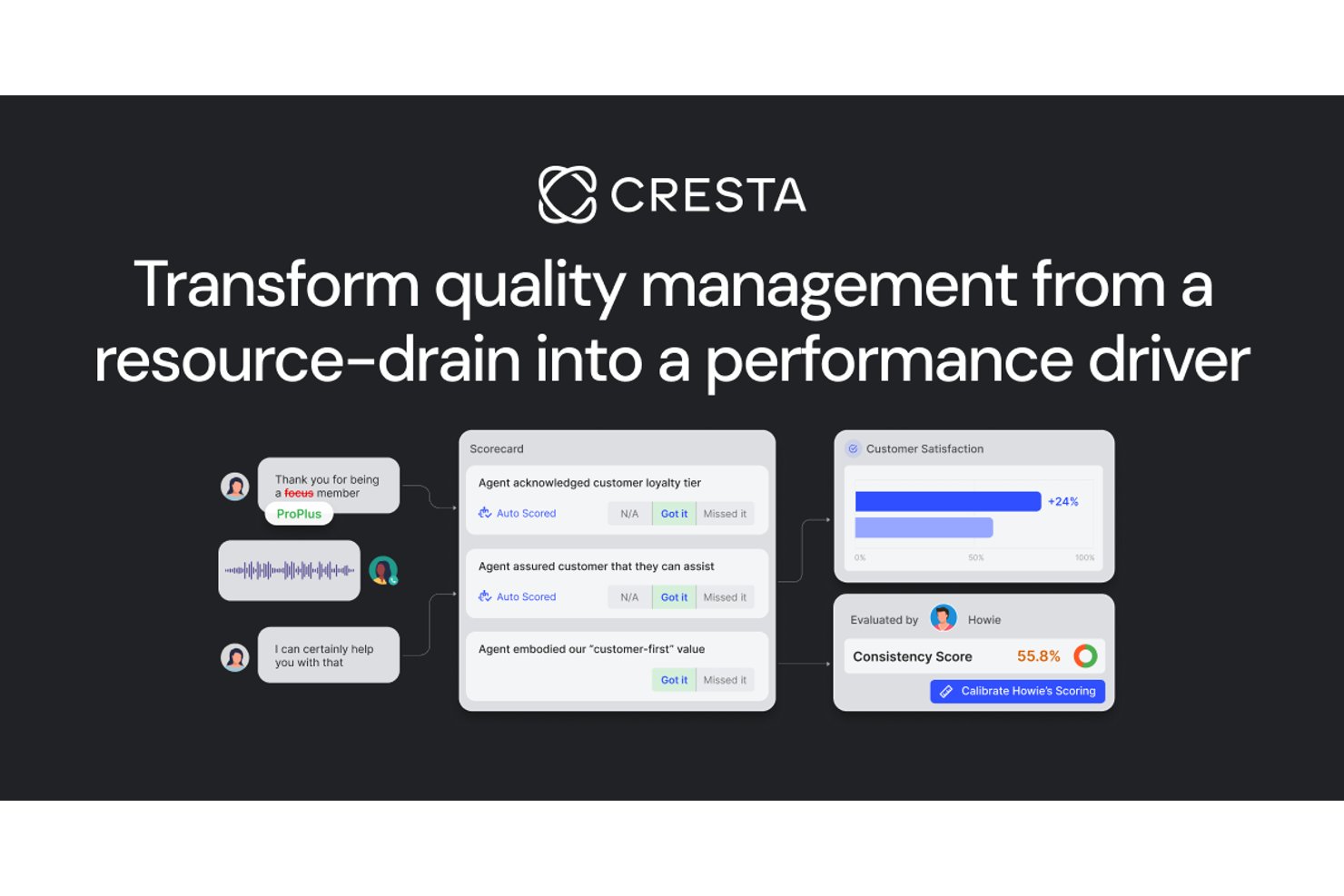
Cresta is a call center quality management software platform offering AI-powered interaction analytics, automated QA scoring, customizable scorecards, omnichannel capture, and agent coaching tools designed for enterprise contact centers.
Who Is Cresta Best For?
Cresta is well suited for enterprise contact center teams seeking advanced AI-driven QA automation and workflow customization.
Why I Picked Cresta
I picked Cresta as one of the best because I can use its no-code AI workflow customization to quickly create personalized QA scorecards and automate agent evaluations across both voice and digital channels. The platform’s AI-driven auto-scoring and workflow tools make deep customization simple.
Cresta Key Features
- Advanced speech and text analytics: Analyze transcripts, detect sentiment, and surface key conversation topics automatically.
- Omnichannel interaction capture: Capture and store customer communications across voice, chat, and email channels.
- Calibrated QA workflows: Enable collaborative, multi-reviewer quality assurance sessions for more consistent agent evaluations.
- Role-based dashboarding: Present tailored QA and performance data views to supervisors, managers, and front-line agents.
Cresta Integrations
Cresta offers native integrations with Salesforce, Zendesk, ServiceNow, Twilio, Genesys, Amazon Connect, and Five9. An API is available for custom integrations.
Pros and Cons
Pros:
- Handles omnichannel voice and digital QA at scale
- Calibrated scorecards with detailed interaction analytics
- No-code customization for AI-based QA workflows
Cons:
- May overwhelm small teams with advanced features
- Does not offer native screen recording

Best with multi-language call transcription
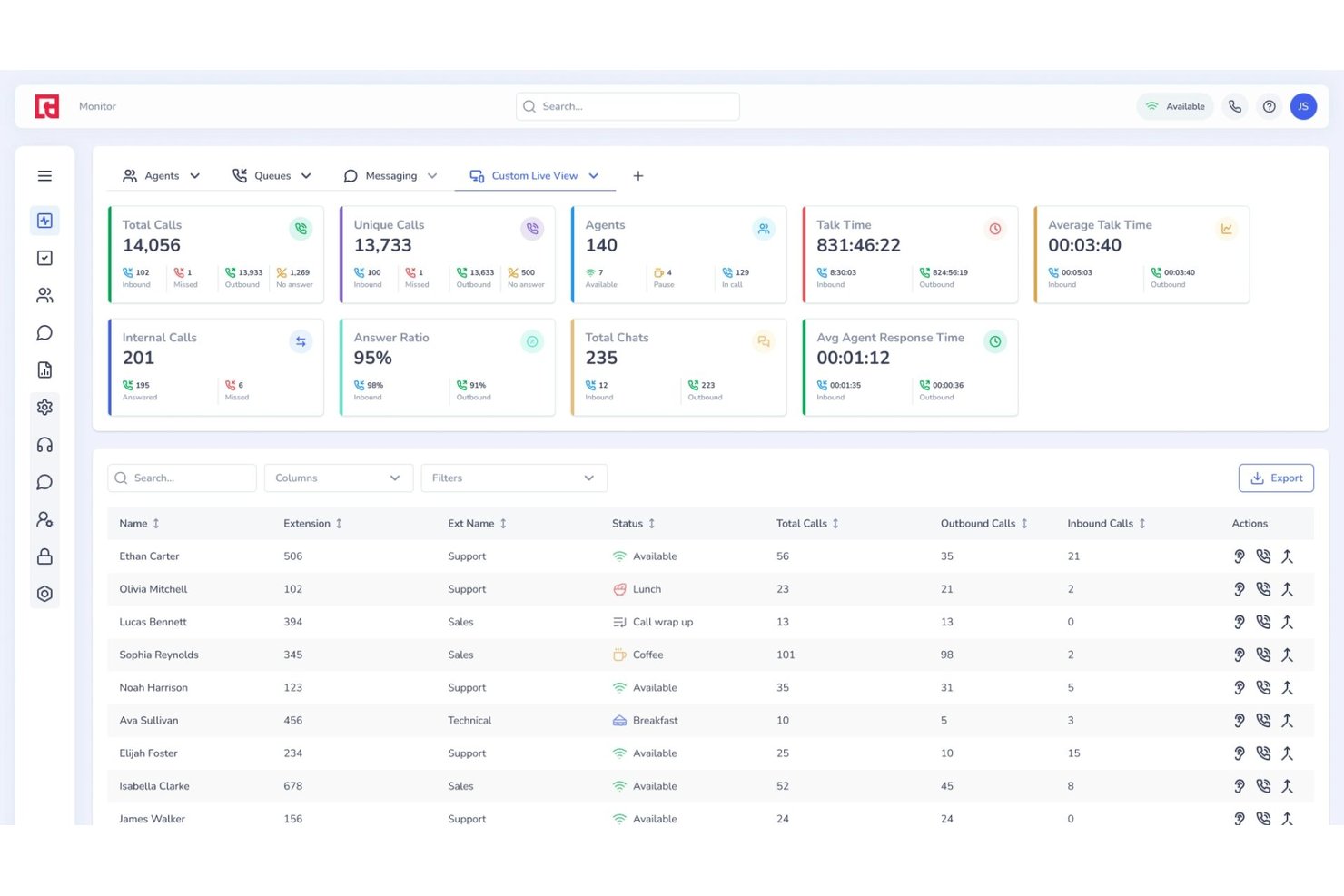
Squaretalk is a cloud-based contact center platform that combines call recording, omnichannel interaction capture, AI-powered transcription, sentiment analysis, and conversation analytics across voice and digital channels.
Who Is Squaretalk Best For?
Squaretalk is a strong fit for contact center operations managers at small-to-midsize businesses running multilingual or globally distributed support and sales teams.
Why I Picked Squaretalk
I picked Squaretalk as one of the best because its AI transcription engine covers 100+ languages with sentiment analysis and searchable transcripts built in. My team can review a French or Arabic support call just as thoroughly as any English interaction, applying the same QA lens across the board. The auto-generated call summaries on the Connect plan pull out key takeaways automatically, which cuts down the time supervisors spend manually reviewing multilingual queues.
Squaretalk Key Features
- Call recording: Captures and stores all inbound and outbound calls for compliance and retrospective review.
- Omnichannel interaction capture: Logs customer conversations across voice, SMS, WhatsApp, email, and internal chat in one system.
- Real-time monitoring: Supervisors can listen live, whisper to agents, and monitor queues from a central dashboard.
- Custom dashboards and reporting: Over 80 metrics are available for export and custom schedule reporting to track contact center activity.
Squaretalk Integrations
Squaretalk offers native integrations with Salesforce, Freshworks, Zoho CRM, Pipedrive, and more. An API is available for custom integrations.
Pros and Cons
Pros:
- Real-time call monitoring with whisper mode
- Sentiment analysis for inbound and outbound calls
- Multilingual call transcription in 100+ languages
Cons:
- Lacks structured agent coaching workflows
- No built-in QA scorecard tool
New Product Updates from Squaretalk
Squaretalk Adds TradeCore Integration for Brokerage Workflows
Squaretalk adds a TradeCore integration that connects customer conversations with BrokerIQ CRM workflows. This helps brokerage teams trigger AI-driven follow-ups, tasks, and other actions from calls and messages. For more information, visit Squaretalk’s official site.
 .
.
Best for omnichannel support

Bright Pattern is an AI-powered call center quality assurance software designed for contact centers seeking to enhance customer service across multiple channels. It supports industries like retail and financial services by enabling proactive monitoring of customer interactions and providing actionable insights.
Why I picked Bright Pattern: It excels in omnichannel support, allowing seamless communication across voice, video, live chat, and SMS. Its OmniQM feature facilitates high service quality by leveraging advanced analytics, automation, and sentiment analysis. Real-time monitoring and evaluation ensure immediate intervention, which is crucial for maintaining customer satisfaction. Customizable KPIs and proactive intervention capabilities further enhance its effectiveness in quality management.
Standout features & integrations:
Features include real-time metrics that provide insights into call center performance. The platform tracks various call quality and service metrics, such as NPS, CES, and CSAT. It also offers sentiment analysis to gauge customer satisfaction and areas for improvement.
Integrations include Salesforce, Zendesk, Microsoft Dynamics 365, ServiceNow, Oracle, SAP, Cisco, Avaya, Genesys, and Twilio.
Pros and Cons
Pros:
- Customizable KPIs
- Real-time intervention capabilities
- Supports omnichannel communication
Cons:
- High dependency on the internet
- Complex customization options
Five9
Best for scalability

Five9 is a cloud-based contact center quality management software that caters to businesses seeking scalable solutions to enhance customer service operations. It supports enterprises and mid-sized businesses by providing tools for monitoring and improving call center performance.
Why I picked Five9: It offers scalability, making it suitable for growing businesses that need flexible call center solutions. Its quality management tools include comprehensive monitoring and reporting features that help you track agent performance. Real-time dashboards offer insights into call metrics, allowing for quick adjustments. Customizable scorecards enable you to set evaluation criteria that align with your business goals.
Standout features & integrations:
Features include real-time dashboards that provide instant insights into call center operations. The software offers customizable scorecards to help you evaluate agent performance based on your criteria. Predictive dialing capabilities improve call efficiency and connect rates.
Integrations include Salesforce, Zendesk, Microsoft Dynamics 365, ServiceNow, Oracle, SAP, HubSpot, NetSuite, Zoom, and Slack.
Pros and Cons
Pros:
- Predictive dialing capabilities
- Customizable scorecards
- Supports business scalability
Cons:
- Occasional integration issues
- Requires technical expertise

Sprinklr
Best for AI-enhanced customer service

Sprinklr is a customer service quality monitoring software tailored for businesses that aim to enhance customer interactions and satisfaction. It's mainly used by large enterprises and customer service teams to monitor and improve service quality through advanced analytics and feedback mechanisms.
Why I picked Sprinklr: It offers AI-enhanced customer service capabilities, providing deep insights into customer interactions. With features like sentiment analysis and real-time feedback, you can quickly identify and address gaps in fulfilling customer expectations. The platform supports multi-channel monitoring, ensuring consistent service across all touchpoints. Customizable dashboards allow flexibility in performance management and help teams identify service inefficiencies.
Standout features & integrations:
Features include multi-channel monitoring, which ensures you maintain consistent service quality across different platforms. Sentiment analysis provides insights into customer emotions during interactions and helps your team proactively address potential issues. Customizable dashboards enable you to focus on the metrics that matter most to your team.
Integrations include Salesforce, Microsoft Dynamics, Oracle, SAP, ServiceNow, Zendesk, Slack, HubSpot, Genesys, and Twilio.
Pros and Cons
Pros:
- Sentiment analysis
- Multi-channel monitoring
- AI-enhanced analytics
Cons:
- Complex setup for some teams
- Requires training for new users

Qualtrics XM is a customer experience management tool designed for businesses aiming to enhance their data-driven decision-making processes. It serves a wide range of industries by providing insights into customer interactions and helping improve service quality.
Why I picked Qualtrics XM: It excels in data analytics, offering advanced tools to analyze customer feedback and interaction data. The platform's dashboards provide a comprehensive view of customer experiences, helping your team identify trends. Customizable surveys allow you to gather specific feedback relevant to your goals. Real-time reporting features ensure you stay updated on customer sentiment and service performance.
Standout features & integrations:
Features include customizable dashboards that let you visualize important metrics in real-time. The platform offers advanced survey tools to collect targeted feedback from customers. Predictive analytics help forecast trends and improve decision-making processes.
Integrations include Salesforce, Adobe, SAP, Slack, Microsoft Teams, Google Analytics, Marketo, HubSpot, Zendesk, and Tableau.
Pros and Cons
Pros:
- Predictive analytics tools
- Customizable survey options
- Strong data analytics capabilities
Cons:
- Occasional data syncing issues
- Steep learning curve


Medallia is a quality management tool focused on enhancing customer experiences through real-time feedback. It helps businesses get immediate insights into customer interactions, so you can improve service quality and agent performance.
Why I picked Medallia: It excels in providing real-time feedback, enabling your team to make quick adjustments to service delivery. The platform offers tools to capture customer sentiments and translate them into actionable insights. Customizable dashboards help you track performance metrics that matter most to your business. Its focus on immediate feedback ensures your team can address issues as they arise, maintaining high service standards.
Standout features & integrations:
Features include sentiment analysis that helps your team understand customer expectations and needs. The platform provides tools for creating customizable dashboards to focus on key performance indicators. Real-time reporting features ensure that your team stays informed about customer feedback and service quality.
Integrations include Salesforce, Microsoft Dynamics 365, SAP, Oracle, Workday, ServiceNow, Adobe, Zendesk, Slack, and Google Analytics.
Pros and Cons
Pros:
- Immediate issue resolution
- Sentiment analysis capabilities
- Customizable performance dashboards
Cons:
- Occasional data accuracy issues
- Requires technical expertise


Talkdesk is a call center quality management software designed for contact centers aiming to enhance agent effectiveness and customer interactions. It primarily serves businesses looking to leverage AI for performance monitoring and feedback.
Why I picked Talkdesk: It stands out with its AI-driven insights through features like QM Assist, which helps in providing contextualized feedback. It includes simultaneous voice and screen recording, allowing for detailed performance reviews. Customizable forms enable you to tailor evaluations to your specific needs, while its unified coaching platform supports agent development. These features align with Talkdesk's focus on using AI to drive efficiency and improve customer experiences.
Standout features & integrations:
Features include customizable forms that let you create specific evaluation criteria tailored to your needs. Simultaneous voice and screen recording gives you a comprehensive view of agent interactions. The unified coaching platform helps you provide ongoing development and feedback to your team.
Integrations include Salesforce, Zendesk, Microsoft Teams, Slack, Shopify, HubSpot, Google Workspace, ServiceNow, and Marketo.
Pros and Cons
Pros:
- Unified coaching platform
- Simultaneous voice and screen recording
- Customizable evaluation forms
Cons:
- Occasional integration issues
- Requires training for effective use


mySQM Auto QA is a contact center quality assurance tool focused on automating their QA processes. It primarily serves contact centers looking to enhance service quality by reducing manual evaluation workloads.
Why I picked mySQM Auto QA: It offers automated QA capabilities that streamline the monitoring and evaluation of calls. Its automated call scoring system provides consistent and objective assessments. Customizable evaluation templates let you tailor the QA process to fit your specific needs. Real-time feedback ensures that agents receive timely guidance, improving overall performance.
Standout features & integrations:
Features include automated call scoring that reduces the need for manual evaluations. The tool provides customizable templates to fit your specific evaluation criteria. Real-time feedback features ensure agents get immediate insights into their performance.
Integrations include Salesforce, Zendesk, Microsoft Dynamics 365, Freshdesk, HubSpot, ServiceNow, Oracle, SAP, Twilio, and Genesys.
Pros and Cons
Pros:
- Consistent performance assessments
- Customizable evaluation templates
- Automated call scoring
Cons:
- Limited customization options
- Requires initial setup time
Other Call Center Quality Management Software
Here are some additional call center quality management software options that didn’t make it onto my shortlist, but are still worth checking out:
- Verint
For workforce optimization
- evaluagent
For team collaboration
- Spechy
For custom scorecards
- ipSCAPE
For cloud integration
- OttoQA
For small teams
- Zendesk
For identifying customer experience trends
- MaestroQA
For agent coaching tools
- Call Center Studio
For cloud-based operations
- Convin
For automated call evaluations
- Genesys Cloud CX
For AI-driven analytics


How I Evaluate Call Center Quality Management Software
I look at these tools in two layers: the baseline QA capabilities—like scoring calls and tracking agent performance—and the differentiators that make one platform the right call over another.
Core Functionality (Table Stakes For This List)
When I'm selecting tools for my list, I rank each one on a scale from 0 (does not offer the functionality) to 5 (excels in this area) for each core functionality listed below. Then, I calculate the tool's total score into a percentage. Each tool needs to achieve a minimum total score of 65% to be considered for inclusion.
- Interaction Recording & Capture: I check whether the platform captures voice, chat, and email natively or relies on third-party recording—and whether it includes screen recording and configurable retention.
- Customizable QA Scorecards: Scorecard flexibility matters, so I evaluate whether you can build weighted forms with auto-fail criteria and assign them by queue, channel, or agent group.
- Speech & Text Analytics: I look at transcription quality, keyword and topic detection, and sentiment analysis—especially how well the tool surfaces trends across thousands of interactions.
- Automated AI Scoring: The ability to auto-score 100% of interactions instead of a small manual sample is where I see the biggest gap between platforms, so I evaluate AI coverage and accuracy closely.
- Agent Coaching & Feedback: Beyond just sharing scores, I look for structured coaching workflows—things like session scheduling, learning content assignment, and tracking improvement over time.
- QA Reporting & Dashboards: I evaluate whether dashboards let QA leads drill into agent-level trends, scorecard breakdowns, and team comparisons without needing to export data into spreadsheets.
Once I have a list of tools that meet this criteria, I consider what sets each platform apart.
Differentiating Factors (What Sets Vendors Apart)
Here's how I compare and contrast different vendors:
Standout Features
Calibration workflows are a big differentiator—I look for tools that let QA leads run scoring alignment sessions so evaluators grade consistently across teams. Generative AI summaries also stand out when they auto-tag call reasons and flag key moments, cutting review time significantly. I evaluate whether a platform ties CSAT or NPS survey results directly to scored interactions too, giving you a closed-loop view of how agent quality actually affects customer sentiment.
Beyond Features
Integration depth matters here. I check whether a platform connects natively with your CCaaS provider—whether that's Genesys, Five9, or Amazon Connect—because a clunky recording handoff undermines the whole QA workflow. Compliance is another key factor; I look for automatic PCI and PII redaction in transcripts, especially for teams handling payment or health data. I also consider buyer fit, since some platforms are purpose-built for enterprise BPOs while others work better for mid-market teams with smaller QA staff.
How to Choose Call Center Quality Management Software
It’s easy to get bogged down in long feature lists and complex pricing structures. To help you stay focused as you work through your unique software selection process, here’s a checklist of factors to keep in mind:
| Factor | What to Consider |
| Scalability | Ensure the software can grow with your team. Consider if it can handle increasing call volumes and support additional users without performance issues. |
| Integrations | Look for compatibility with your existing tools like CRM systems. Seamless integration improves workflow and data consistency across platforms. |
| Customizability | Evaluate if you can tailor features to fit your specific needs. Customizable evaluation forms and reports can enhance relevance and effectiveness for your agents. |
| Ease of Use | Choose software with an intuitive interface. Your team should require minimal training to navigate features and perform essential tasks efficiently. |
| Budget | Assess if the software fits within your financial constraints. Compare pricing tiers and what features are included to ensure you're getting value for money. |
| Security Safeguards | Verify that the software complies with data protection regulations. Look for features like encryption and secure access controls to protect sensitive information. |
| Reporting Tools | Consider the depth and flexibility of reporting capabilities. You should be able to generate insights that drive performance improvements. |
| Customer Support | Check the availability and quality of customer support services. Reliable support can be crucial during implementation and for ongoing troubleshooting. |
Trends in Call Center Quality Management Software
In my research, I sourced countless product updates, press releases, and release logs from different call center software vendors. Here are some of the emerging trends I’m keeping an eye on:
- AI-powered insights: AI is being used to analyze call data and provide actionable insights. It helps identify patterns in customer interactions, enabling teams to improve service quality. Vendors like Five9 are integrating AI to offer predictive analytics.
- Sentiment analysis: This feature uses natural language processing (NLP) to gauge customer emotions during calls, to understand customer satisfaction and areas needing improvement. Medallia is one vendor utilizing sentiment analysis to enhance customer experience.
- Omnichannel monitoring: With customers using multiple channels, tools now offer monitoring across voice, chat, and social media. This ensures consistent service quality. Bright Pattern is known for its omnichannel capabilities.
- Real-time feedback: Immediate feedback mechanisms help agents with performance calibration on the fly. This trend is vital for maintaining high service standards. Tools like Calabrio provide real-time monitoring and coaching.
- Cloud-based flexibility: More vendors are offering cloud-based solutions for scalability and remote access. ipSCAPE is one example, providing cloud-based integration for easy scalability.
What Is Call Center Quality Management Software?
Call center quality management software is used to monitor and improve the performance of call center agents. These tools are typically used by call center managers and quality assurance teams to ensure high customer service standards.
Features like real-time feedback, sentiment analysis, and AI-powered insights help with evaluating agent interactions, understanding customer emotions, and providing actionable feedback. Overall, these tools enhance service quality and boost customer satisfaction.
Features of Call Center Quality Management Tools
When selecting call center quality management software, keep an eye out for the following key features:
- Real-time feedback: Provides immediate insights to agents, allowing them to adjust their performance during calls.
- Sentiment analysis: Uses natural language processing to gauge customer emotions, helping improve customer satisfaction.
- AI-powered insights: Analyzes call data to identify patterns and provide actionable recommendations for service improvements.
- Omnichannel monitoring: Ensures consistent service quality by monitoring interactions across voice, chat, and social media channels.
- Customizable scorecards: Allows you to set specific evaluation criteria that align with your business goals.
- Predictive analytics: Helps forecast call volumes and optimize staffing to maintain service quality during peak times.
- Cloud-based flexibility: Offers scalability and remote access, essential for adapting to remote work environments.
- Automated call scoring: Reduces manual evaluation efforts by providing consistent and objective assessments of agent performance.
Benefits of Call Center Quality Management Software
Implementing call center quality management software provides several benefits for your team and your business. Here are a few you can look forward to:
- Enhanced agent performance: Real-time feedback and customizable scorecards help agents improve their interactions and meet performance standards.
- Improved customer satisfaction: Sentiment analysis and AI-powered insights enable you to better understand and address customer needs.
- Consistent service quality: Omnichannel monitoring ensures that customers receive a uniform experience across all communication channels.
- Efficient resource management: Predictive analytics help optimize staffing and manage call volumes effectively.
- Reduced manual workload: Automated call scoring provides objective assessments, freeing up your team to focus on strategic tasks.
- Scalability: Cloud-based flexibility allows your system to grow with your business.
- Actionable insights: Data-driven recommendations help you make informed decisions to enhance service quality and operational efficiency.
Costs and Pricing of Call Center Management Software
Selecting call center quality management software requires an understanding of the various pricing models and plans available. Costs vary based on features, team size, add-ons, and more. The table below summarizes common plans, their average prices, and typical features included in call center quality management software solutions:
Plan Comparison Table for Call Center Quality Management Software
| Plan Type | Average Price | Common Features |
| Free Plan | $0 | Basic monitoring, limited reporting, and basic support. |
| Personal Plan | $5-$25/ user/month | Enhanced monitoring, customizable scorecards, and email support. |
| Business Plan | $30-$60/ user/month | Real-time analytics, sentiment analysis, and phone support. |
| Enterprise Plan | $70-$150/ user/month | Advanced AI insights, omnichannel monitoring, and dedicated account management. |
Call Center Quality Management Software FAQs
Here are some answers to common questions about call center quality management software:
What are the parameters of QA in a call center?
Quality assurance in a call center typically involves metrics like:
- Average Speed of Answering (ASA) or Average Handle Time
- First-Call Resolution (FCR)
- Customer Satisfaction Score (CSAT)
These metrics help you evaluate how efficiently your team handles calls and how satisfied customers are with the service. Monitoring these parameters ensures that your call center maintains high-quality interactions.
How does call center quality management software improve agent performance?
Quality management software provides detailed insights into agent interactions through features like call recordings and real-time feedback. By analyzing these interactions, you can identify areas where agents excel or need improvement. This targeted feedback helps your team enhance their skills and deliver better customer service.
Can call center quality management software integrate with existing systems?
Yes, many quality management tools offer integrations with popular systems like CRM platforms. These integrations streamline data flow between your call center and other business functions, ensuring that information is consistent and accessible. This connectivity enhances operational efficiency and customer support.
How do AI-powered insights benefit call center quality management?
AI-powered insights can help you analyze call data to identify patterns and trends that might not be immediately obvious. This helps you make informed decisions about training, staffing, and customer engagement strategies. AI can also automate routine evaluations, freeing up your team to focus on more strategic tasks.
What should I look for in a call center quality management tool?
When choosing a call center QA tool, consider factors like:
- Scalability
- Ease of use, especially if you’re looking for call center software for a small business
- Ability to customize evaluation criteria
- Real-time feedback
- Sentiment analysis
These factors ensure the tool aligns with the size of your organization and your business needs.
How does real-time feedback impact customer satisfaction?
Real-time feedback allows agents to adjust their approach during interactions, improving the quality of service they provide. This immediate response to customer needs can lead to higher satisfaction levels, as issues are addressed promptly and effectively. It also fosters a culture of continuous improvement within your team.